





 Português
  Inglês
  Espanhol
  9 min de leitura
  9 comentários




With the Drought of 2024 Reducing the Passage of Ships in the Panama Canal, China Entered the Debate About Alternative Routes. A Plan Aimed to Connect Lake Nicaragua to the Pacific and Atlantic Over About 201 Km, But Faced Protests, Environmental Risks and Was Interrupted in May 2024.
China Came Back to the Center of Discussions When the Drought of 2024 Dropped the Water Level in the Panama Canal to Its Lowest Point and Forced the Country to Allow Fewer Ships. The Effect Was Immediate: Lines, Delays, Rising Shipping Costs and a Debate About the Resilience of the Most Strategic Route in the Hemisphere.
The Panama Canal Holds Enormous Weight in International Logistics. About 5% of Global Maritime Trade Passes Through It, and It Serves as an Entry Point for 40% of the Containerized Cargo to and from the United States. In This Context, Alternatives Resurface, and China Becomes a Central Figure in Projects, Concessions and Influence Disputes.
The Bottleneck of the Panama Canal and the Size of the Problem
During Months in 2024, Intense Heat and Lack of Precipitation Reduced the Water Levels of the Panama Canal, Forcing the Country to Allow Fewer Ships to Cross.
-
Drought may be creating stronger superbugs in the soil and helping antibiotic resistance reach hospitals, warns a study highlighting a problem that could grow alongside extreme weather.

-
The biggest scam in history: Napoleon’s France deceived the United States by selling them a territory that was Spanish.

-
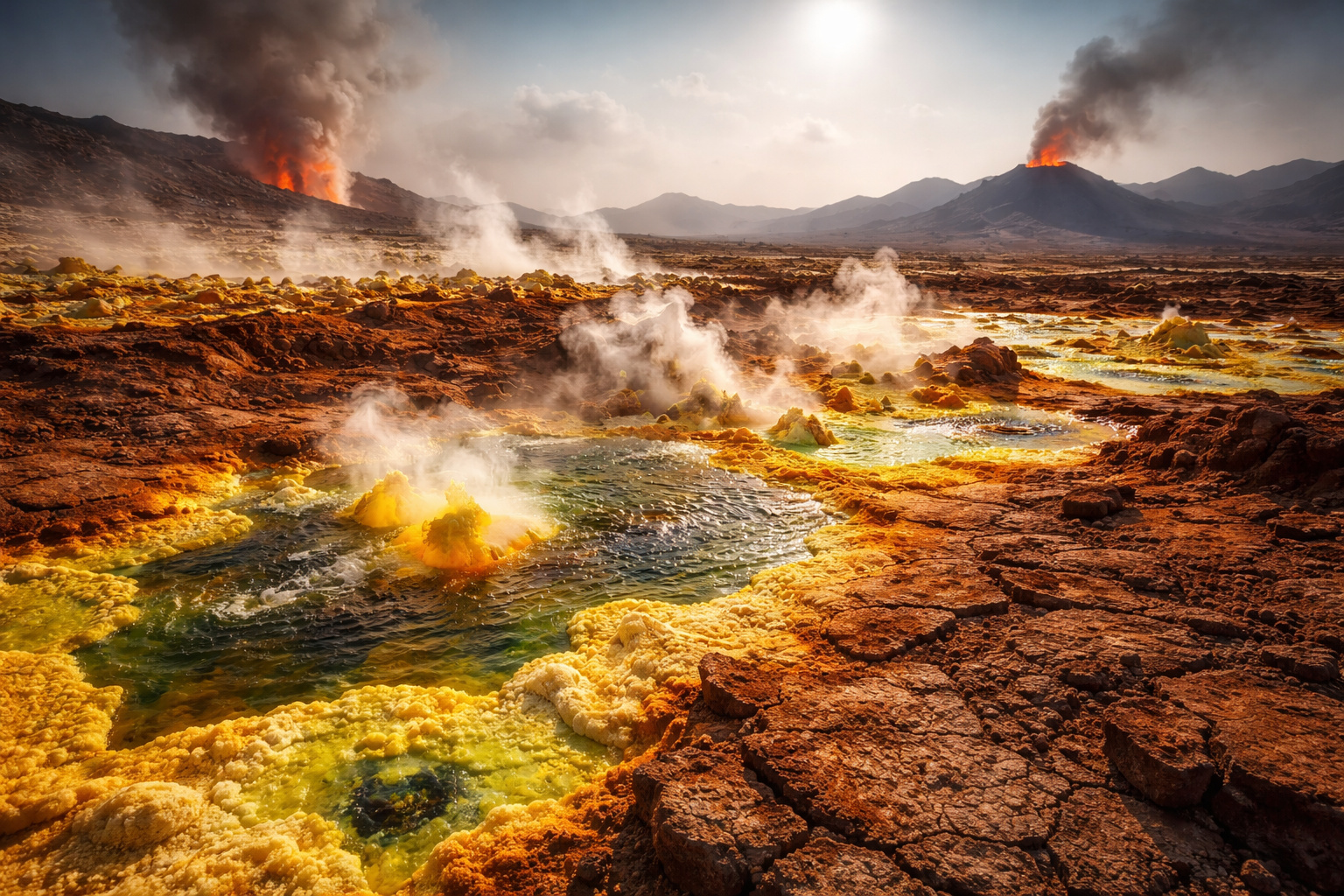
Why is the Danakil Desert so dangerous? It has unstable terrain and how extreme temperatures and toxic gases turn the region into one of the most hostile environments on Earth.
-
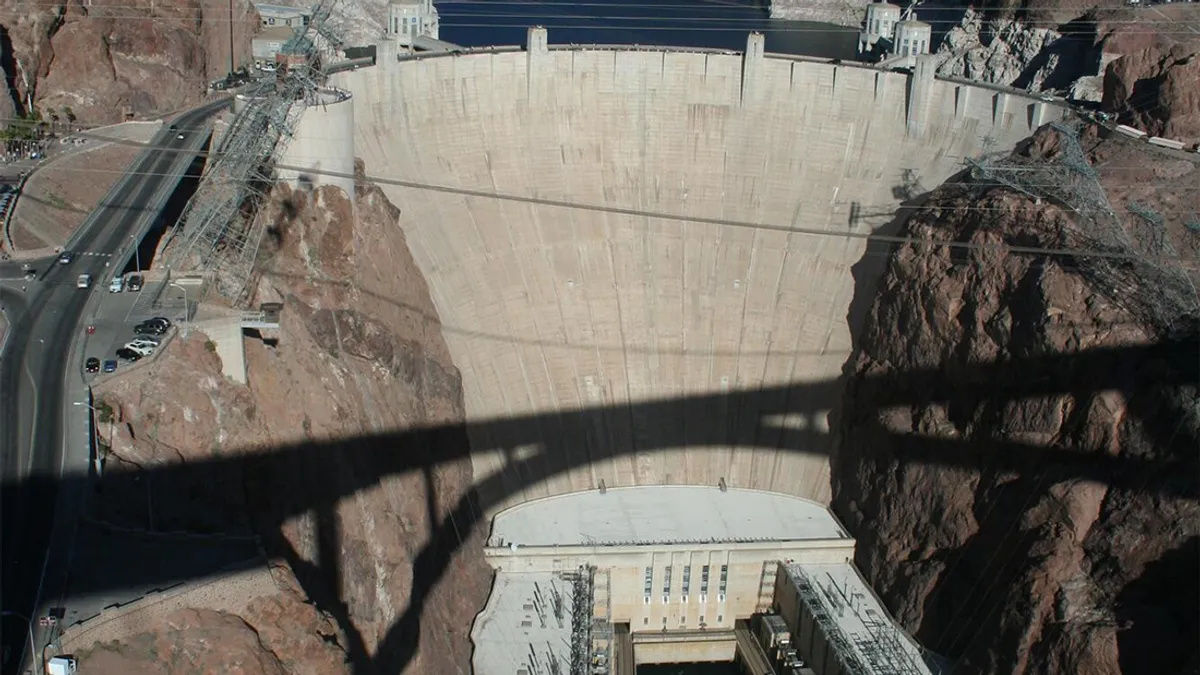
With a height of 221 meters and a capacity for trillions of liters, Hoover Dam still holds a trick that makes water defy logic.
The Consequence Was a Chain Reaction: Congestion, Backlogs, and Freight Costs Pressured by a Bottleneck Impacting Critical Commercial Centers.
The Canal is Described as an Essential Route for the Global Maritime Transport Industry. Up to 14,000 Ships Pass Through It Each Year to Avoid the Long and Costly Journey Around South America.
When the Passage is Limited, the Effect is Not Restricted to Panama: It Reverberates in the Rhythm of Global Trade.
The Mexico Alternative That Advanced as an Interoceanic Corridor
Among the Package of Discussed Alternatives, the Interoceanic Corridor in Mexico Appears, Built in the Narrowest Part of the Country Between the Pacific and Atlantic Oceans.
The Proposal Connects Deep-Water Ports with Railways, Highways, Three Airports, a Gas Pipeline, and a Fiber Optic Network.
The Corridor Would Connect the Ports of Salina Cruz and Coatzacoalcos in Veracruz and is Described as Capable of Handling 1.4 Million Containers per Year.
The Bet is to Compete on Cost and Time with the Panama Route, with Sections Already Underway and an Expectation of Full Completion in the First Half of 2026.
The Project in Nicaragua and the Trench of About 200 Km
The Most Ambitious Alternative, However, Would Be the Nicaragua Canal, with an Estimated Cost of US$ 40 Billion and Mentions That It Could Reach US$ 100 Billion.
The Idea Was to Connect the Atlantic and Pacific Oceans While Also Reducing the Chaos of Lines and Congestion Observed in the Panama Canal.
The Plan Would Involve Cutting Through the Country Connecting Lake Nicaragua to the Ocean via a Trench Estimated to Be About 201 Kilometers Long, in a Jungle Area Near the Panama Canal.
The Canal Promised to Be Three Times Longer and Twice as Deep as the Panama Canal, Allowing the Passage of Large Container Ships and Oil Tankers That “Simply Do Not Fit” in the Panamanian Structure.
In Addition to the Main Route, the Project Promised Two Major Port Facilities, One at Each End, Hydroelectric Plants, and Other Associated Structures.
This Was Not a One-Time Project: It Was a Complete Infrastructure System Designed to Redesign the Map of Maritime Routes.
How China Entered the Plan and Why 2013 Became a Turning Point
The Idea of a Canal in Nicaragua is Not New. There Are References to Maps from 1870 with Proposed Routes and the Fact That the United States Had Considered Nicaragua Before Opting for Panama in the Early 20th Century.
What Changed Was the Renewed Interest and, Mainly, the Connection with China.
In 2013, the Project Gained Attention After an Agreement Associated with Chinese Billionaire Wang Jing, Described as the Minister of Telecommunications, with the Nicaraguan Government, in a Move Estimated at US$ 50 Billion.
The Concession to Build the Canal Was Given for 50 Years to a Hong Kong-Based Company, HK Nicaragua Canal Development Investment, Linked to Wang Jing.
The Logistical Motivation Appears in the Background: the Panama Canal Shortens Transport Between Shenzhen, China, and the East Coast of the United States by Weeks, or Between San Francisco and New York.
Any Large-Scale Alternative Directly Affects Time, Cost, and Bargaining Power in Global Supply Chains.
The Economic Discourse of Nicaragua and the Promise of Transformation
From the Internal Perspective, the Nicaraguan Government Maintained That the Canal Would Create Tens of Thousands of Jobs and Boost the Economy, in a Logic Similar to the Role of the Panama Canal.
President Daniel Ortega is Cited as a Proponent of the Argument That the Canal Would Lift Nicaragua Out of Poverty and Put the Country on the Path to Development.
The Social Contrast Appears with Hard Numbers. Nicaragua is Ranked Among the Poorest Countries in the World, Referenced in a 2024 Ranking Positioning It 58th on the Overall Poverty List.
The GDP per Capita is Cited as US$ 813, Compared to US$ 85,500 in the United States and US$ 447,197 in Panama. Among North and South American Countries, Nicaragua is Described as the Second Poorest, Behind Only Haiti.
In This Context, the Promise of “Doubling GDP” is Presented as Justification for a Megaproject Capable of Repositioning the Country, Even If the Absolute Size Remained Small Compared to Larger Economies.
The Social and Political Crisis: Land, Protests, and Indigenous Communities
The Plan Generated Debates and Controversies From the Start. One of the Most Explosive Points Was the Fear of Loss of Land and Livelihood.
There is Mention of a Law That Would Have Given the Project the Right to Forcefully Take Land and Water Routes Anywhere in Nicaragua, and Within This Framework, the Hypothesis of Forced Relocation of 120,000 People Arose.
Thousands of Farmers Protested Against Land Seizures. The Tension Overflowed into Politics: The Anger Surrounding the Project is Cited as One of the Triggers of Growing Public Discontent With Ortega’s Government, Which Culminated in Massive Protests in 2018.
In 2019, There Are Records of Sentences Attributed to Rural Leaders, with Sentences Listed as 216, 20, 10, and 159 Years in Prison, on Charges of Supporting an Attempted Coup Against the Government.
This Episode Reinforced the View That the Canal Would No Longer Be Just an Infrastructure Project but Would Become a Catalyst for Internal Conflict.
The Impact on Indigenous Peoples Also Appears as a Core of the Deadlock. The Approved Route Would Have 52% Passing Through Indigenous Territories, Including Lands of the Mosito Rama and RAM Creole Communities.
There is Also Mention of About 10,000 Nicaraguan Indigenous Peoples Dying in Attempts to Defend Their Lands and Ways of Life.
With This History as Background, Critics Argue That the Project Would Worsen Displacement and Tensions in Already Vulnerable Areas.
The Environmental Risk in Lake Nicaragua and the Critique of the Pace of Studies
Environmental Criticisms Highlight Two Axes: Freshwater and Biodiversity. There is Warning That the Canal Could Deplete the Most Important Freshwater Reserves in the Country and Destroy Protected Natural Areas. It is Also Cited That 22 Threatened Species Live in the Affected Area.
The Jaguar is Cited as an Example of Impact: the Construction Would Divide Populations in Half, and Biologists Describe Fragmentation as the Enemy of Biodiversity Because It Reduces Populations and Interrupts Genetic Flow.
In Addition, Critics Point to Damage to Wetlands and Forests Vital for the Survival of Indigenous Communities.
Lake Nicaragua Appears as a Central Piece. It is Described as the Largest Lake in Central America, a Source of Water for All Nicaraguans and, at the Same Time, a Source of Food for Indigenous Communities Living on Its Shores.
As the Lake Would Be Too Shallow for the Passage of Super Tankers, It Would Be Necessary to Dredge the Bottom, With the Risk of Destroying Sediments, Polluting the Water, and Affecting Local Species.
The Opening of the Lake to the Atlantic and Pacific Oceans is Also Associated With the Risk of Invasive Species Entering, Threatening Native Fish and an Ecosystem That Might Not Recover.
Another Recurring Criticism is the Evaluation Time. Although Studies Have Been Conducted, There is Mention That Everything Would Have Been Done in Just a Year and a Half, While Smaller Projects Would Take More Time for Review.
For Comparison, an Old Plan for a Sea-Level Canal in Panama, Proposed in the 1970s, Required 10 Years to Determine Environmental Viability and Was Ultimately Canceled.
The Parallel With China Emerges: The Three Gorges Dam Project is Cited as an Example of Unforeseen Ecological Costs, Mentioning Frequent Landslides, Water Pollution, and Increased Seismic Activity.
The Message is Clear: Without Robust Data, Especially on Water Quality and Flow in Lake Nicaragua, the Risk of Environmental Surprise Grows.
What Stalled the Plan and Why It Formally Ended in 2024
Even With the Symbolic Ceremony of Beginning in 2014, It is Described That No Real Work Advanced at the Site of the Future Canal.
At Some Point, Teams Had Started Excavating Access Roads Near the Route, But the Construction of the Waterway Did Not Happen.
Almost a Decade After the Proposal Started, the Concession Linked to the Chinese Businessman Was Terminated in May 2024.
The Combination of High Costs, Social Controversy, Environmental Doubts, and an Unstable Political Environment Helped Push the Project to Limbo, Leaving the “Alternative to Panama” as a Massive Idea but Stalled in Execution.
China in the Region: Logistical Influence, Disputes in Panama, and Energy in Nicaragua
Even Without the Canal, China’s Presence in Infrastructure in the Region Appears at Multiple Points. Around the Panama Canal, There Are Five Container Ports Operated by Foreign Companies.
The Three Main Ports Are Colón, Rodman, and Manzanillo, Managed by Companies from Singapore, Taiwan, and the United States.
The Focus of American Concerns Falls on Cristóbal and Balboa, at Both Ends of the Canal, Operated Since 1997 by a Hong Kong Subsidiary Linked to CK Hutchinson Holdings.
The Tension Includes the Assessment That the National Security Law Adopted by China in 2020 Could Allow Influence Over Companies in Case of Conflict, Fueling Fears That China Might Use Strategic Port Assets to Restrict Access for Military and Commercial Ships from the United States.
China is Also Linked to Projects in Panama Beyond the Ports. A Fourth Bridge Over the Panama Canal, North of the Bridge of the Americas, is Cited as a Project by a Chinese Company, in an Agreement Estimated at About US$ 1.42 Billion.
The Project Generated Criticism, Including the View That it Could Increase Pressure on the Canal, While Chinese Authorities Denied Any Interest in Violating Panama’s Sovereignty. The Bridge is Described as Capable of Accelerating Daily Traffic, Benefiting Over 70,000 Vehicles and Serving About 1.7 Million People.
There is Also Information That Only 17% to 18% of the Work Had Been Completed During the Cited Period.
In Economic Terms, the “Belt and Road Initiative,” Described as the New Silk Road, is Presented as a Driver of Influence.
It Has Already Engaged 147 Participating Countries, Representing Two-Thirds of the Global Population and 40% of World GDP. Panama Joined in 2017 and Would Later Withdraw Under Pressure from the United States, Resulting in Cancellations or Freezes of Projects Initiated After Joining.
Investment Numbers Also Enter the Debate: in 2023, China Would Have Invested US$ 1.4 Billion in Panama, Four Times More Than Since the Initiative’s Launch in 2017, While American Investments, Though Larger, Would Have Decreased Over the Same Period.
Between October 2023 and September 2024, 21% of the Goods That Passed Through the Panama Waterway Would Have Been to and From China, Yet the United States Remains the Main User and Investor, With a Volume Described as Three and a Half Times Greater Than China.
Outside of Panama, China’s Logistical Presence Is Evident at the Chan Meap Port in Peru, Developed by Cosco Shipping Ports, with Inauguration on November 14, 2024, in a Ceremony With Xi Jinping and Peruvian President Dina Boluarte.
The Port is Described as Capable of Handling About One Million Containers Per Year in Its First Phase and, When Expanded, Could Redirect Trade Between Latin America and Asia, Bypassing the Atlantic and Panama.
In Nicaragua Itself, China Reappears in the Energy Sector.
On February 25, 2025, Representatives from the Ministry of Energy and Mines and State-Owned China Communications Construction Signed a Credit Contract for the Elbar Wind Project, Planned With a Capacity of 55 Megawatts in the Estelí Department in the North, in an Area Cited as 2,600 Feet High With Strong Winds.
Do You Believe That China Will Still Try to Enable an Alternative Route to the Panama Canal in Nicaragua, or Have the Political and Environmental Costs Rendered This Idea Unviable for Good?








This the worse idea for the Nicaraguan people, because it will destroy the fresh water lake, destroy communities, and people’s will get nothing in return because a dictator like Daniel ortega will use it to fill his pocket same way he is doing it now!. If Nicaragua get legit democratic government, then the country will benefit but not with a Dictator Daniel. The country will be poor with a canal and without it because of a corrupted Dictator!!! And about China, they don’t care about Nicaragua, they are a communist country that only care about the people power. Sad for the Nicaraguan people, because the people had suffer so much for many years, in wars, hunger, families destroyed in the hands of Daniel Ortega!!! Solution: president Trump do what you did with Maduro!!!
Eu acredito sim os chineses são muito estudiosos por isso eles são muito inteligentes se eles quiserem eles vão conseguir….
Más bien no tienen regulaciones ni morales, así que pueden copiar y plagiar cuanto quieran , es fácil avanzar si copias los proyectos de los demás todo el tiempo, menos tiempo, esfuerzo y recursos se gastan
También pueden hacer proyectos e con mano de obra barata y en masa, son conocidos por abusar de mano de obra de niños
Con las pocas regulaciones pueden hacer proyectos que avanzan rápido porque no tienen que pensar en la sostenibilidad o el impacto al medio ambiente , por algo la contaminación en china es de las peores del mundo de la mano con la contaminación en india
Essa seca de 2024 foi a maior já vista secou os oceanos Pacífico e Atlântico juntos😂