





 Portuguese
  English
  Spanish
  6 min of reading
  1 comment


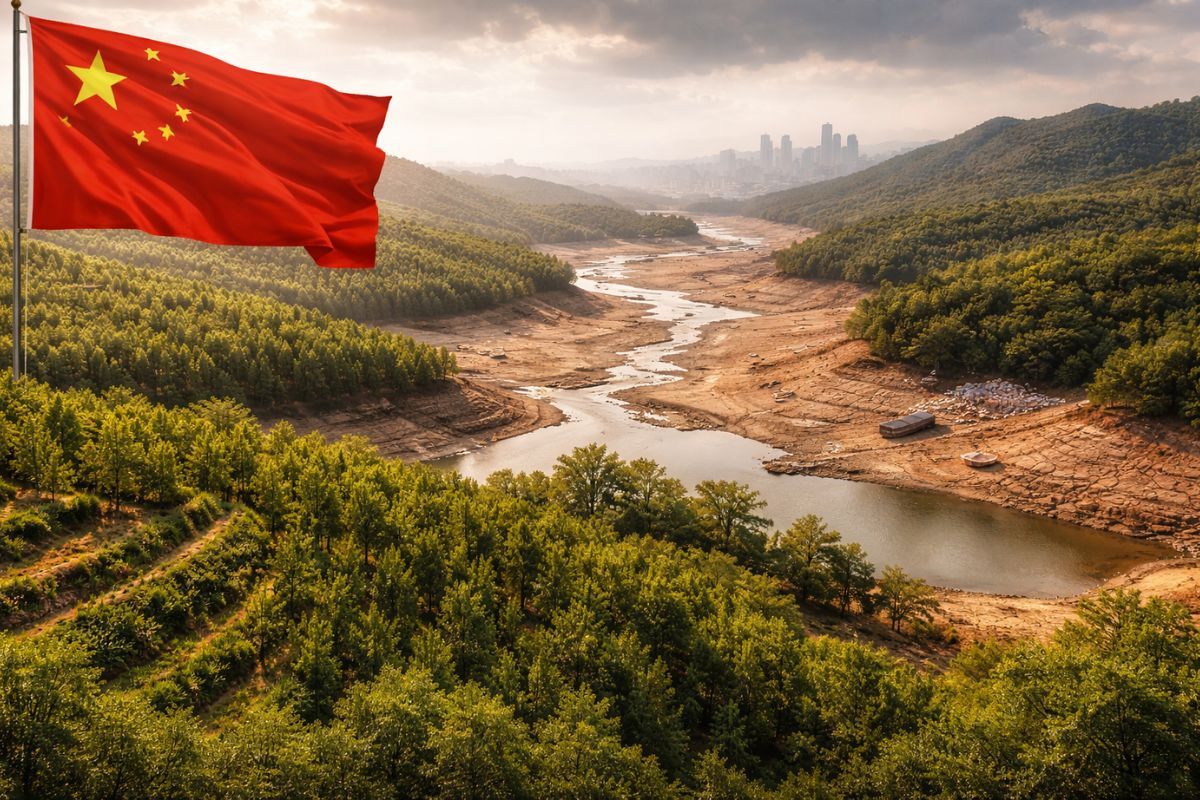


In China, land use changes between 2001 and 2020 increased evapotranspiration, slightly raised precipitation, and still reduced water availability by redistributing atmospheric moisture between the monsoon east, the Tibetan Plateau, and the arid northwest on a continental scale with unequal effects on large regions.
The China invested in reforestation, pasture restoration, and redistribution of agricultural areas as part of a strategy to curb erosion, reduce dust, mitigate climate change, and strengthen food security. The result, however, showed a less intuitive effect. More green did not automatically mean more water available.
Between 2001 and 2020, changes in land use and land cover altered the way moisture circulated over Chinese territory. Evapotranspiration increased, precipitation also rose slightly, but the final balance was negative for water availability. Instead of producing widespread net gain, the new vegetation helped redistribute water among very different regions of the country.
When Green Began to Change the Water Bill
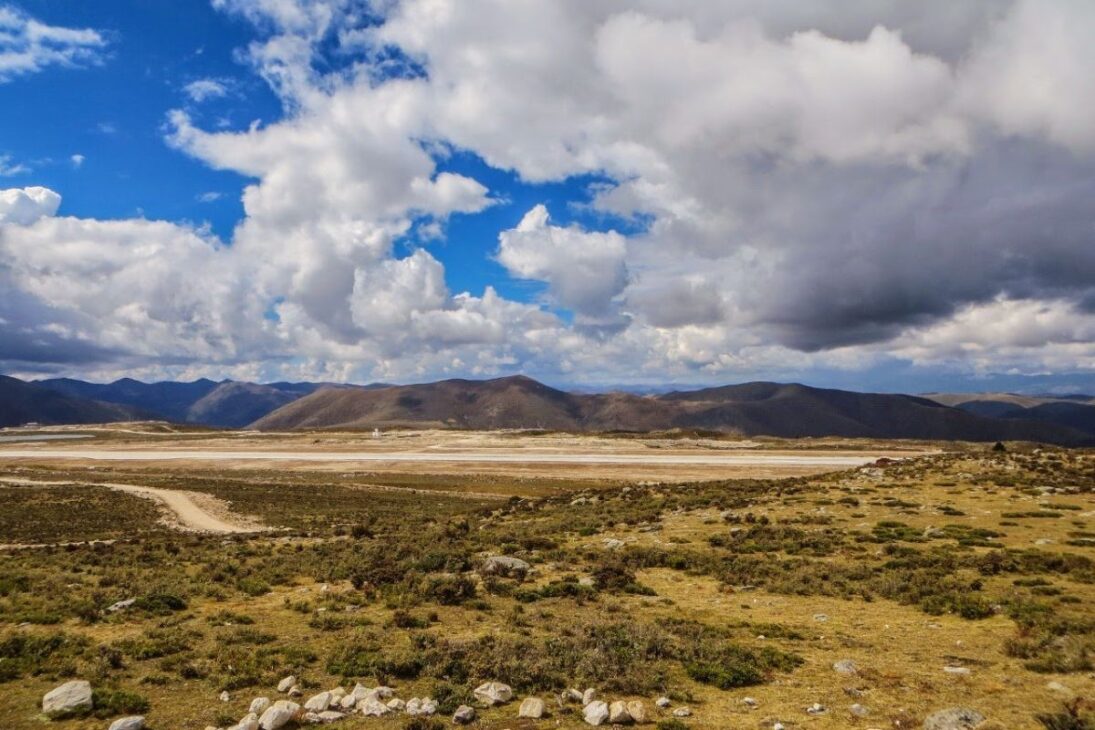
The territorial transformation in China was broad and accelerated. Forests advanced in the Eastern Monsoon Region, pastures were restored in the Tibetan Plateau and also in parts of the Arid Northwest Region, while other areas underwent rearrangements in agricultural use.
-
A Brazilian scientist created a pen that touches human tissue and identifies cancer cells in seconds using a drop of water and artificial intelligence, and Lívia Eberlin’s invention has already been used in over 400 surgeries in the United States and Brazil.

-
An inventor in China creates flying drones shaped like swords that respond to hand gestures in real time, with technology based on motion sensors transforming interaction into a scene worthy of a movie and redefining the control of machines in the air.
-
100 times less energy consumption: the innovation that could solve the huge energy crisis of AI.

-
Scientists reveal a new method using solar light that transforms plastic into vinegar and could change the game against pollution, converting waste into a sustainable solution with future global impact.


The land surface changed function, and this directly affected the hydrological cycle.
Data show that this reorganization raised evapotranspiration by 1.71 millimeters per year and increased precipitation by 1.24 millimeters per year. At first glance, this dual growth might suggest an improvement in water availability.
But the difference between what returned as rain and what left through evapotranspiration was unfavorable. The water availability balance fell by 0.46 millimeters per year.
This is the central point of the issue. In China, the additional vegetation began to return more moisture to the atmosphere, but it also began to extract more water from the surface and soil.
As the withdrawal grew more than the return, large areas entered into a logic of higher water consumption, even within an apparently greener landscape.
The effect was neither local nor isolated. It happened because the water did not stay locked in the place where the vegetation grew.
By evaporating and transpiring more, the vegetation cover altered the circulation of atmospheric moisture and pushed part of this resource to other regions of the territory.
The Invisible Mechanism of Atmospheric Moisture Recycling
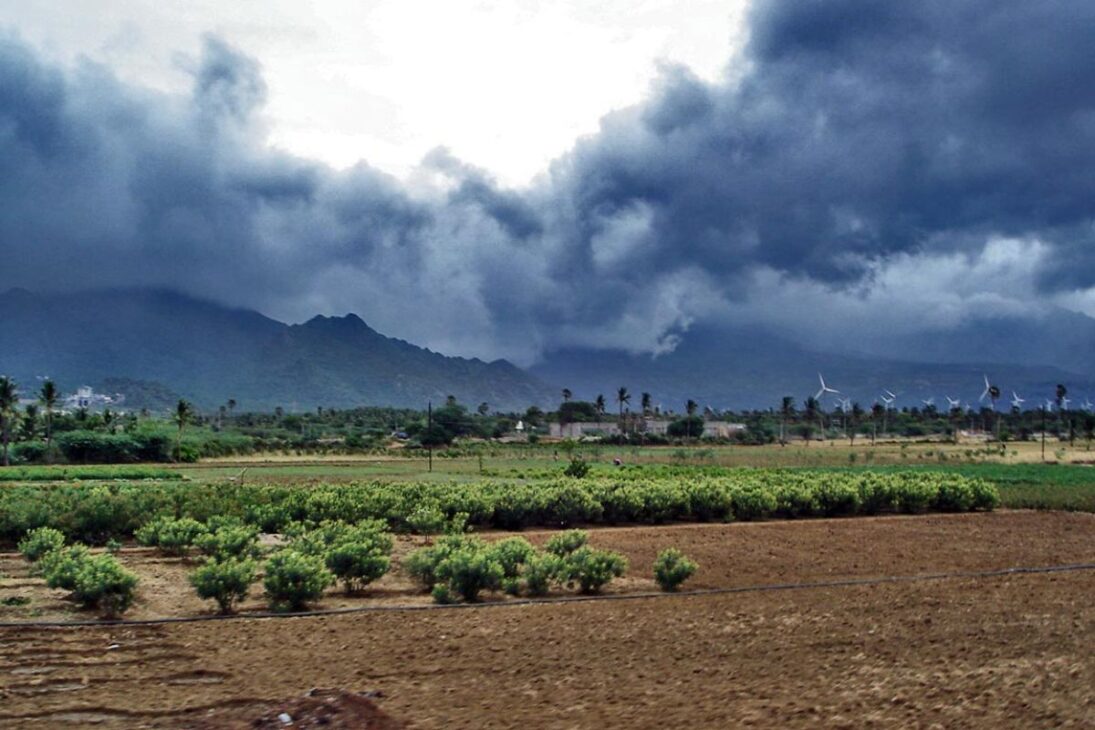
The technical explanation involves the recycling of atmospheric moisture. Practically, water captured by the soil and plants returns to the air through evaporation and transpiration, enters the atmospheric circulation, and can precipitate again at another point.
The landscape, therefore, does not just receive rain; it also helps decide where that moisture goes afterward.
In China, this mechanism became even more important because land cover changes occurred on a continental scale.
When forests and pastures grew in strategic regions, evapotranspiration rose, and moisture was redistributed among large climatic blocks in the country.
The impact appeared less as absolute scarcity across the territory and more as a displacement of water from one area to another.
This helps understand why the increase in total precipitation did not solve the problem. Part of the recycled moisture was directed to specific zones, while others lost water availability.
The green acted as a water reorganizer, not as a uniform multiplier of the resource.
This type of result demands a more careful reading of territorial policies.
Planting, restoring, or expanding vegetation cover can generate relevant benefits against erosion, degradation, and dust, but it can also alter atmospheric flows and create new water imbalances if management only considers the land and ignores the atmosphere.
Who Gained Water and Who Lost Within China
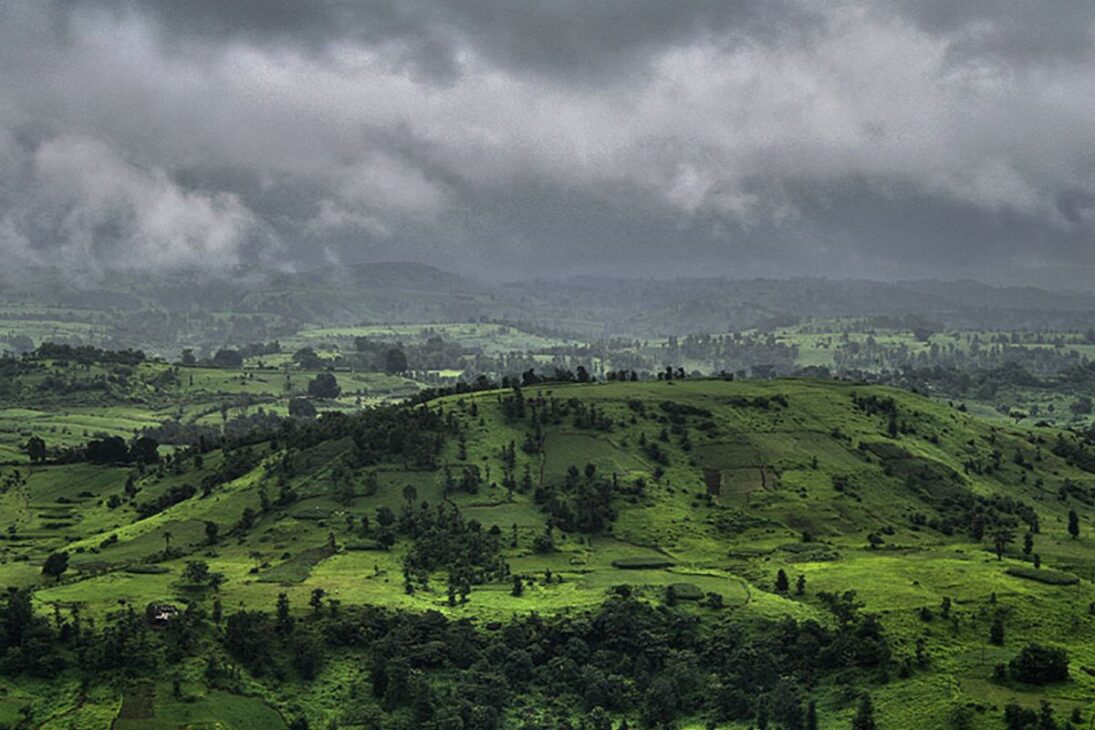
The regional effects were quite uneven. The Tibetan Plateau recorded an increase in water availability of 0.38 millimeters per year.
In contrast, the Eastern Monsoon Region experienced a reduction of 0.59 millimeters per year, while the Arid Northwest Region suffered the largest loss, with a decrease of 1.14 millimeters per year. The most severe result appeared precisely in the driest part of the country.
This difference shows that China did not face a simple advance of aridity everywhere. What occurred was a redistribution.
The atmospheric moisture began to benefit the Tibetan Plateau more, while the monsoon east and especially the arid northwest lost some of the water availability that was previously closer to these regions.
The forest expansion in the east and the restoration of pastures in the Tibetan Plateau and the northwest appeared as central drivers of this process.
These changes raised evapotranspiration and helped displace moisture within the Chinese climate system. The territory became more vegetated, but hydrologically more asymmetric.
In the case of the northwest, the situation is even more striking because it is the driest region of China.
When this area loses additional water availability, pressure on production, soil management, and environmental security increases more rapidly and sensitively than in climatically favored areas.
Why Land Management Is No Longer Sufficient on Its Own
The result of the analysis leaves a direct message: land use policies can no longer be planned as if water, soil, and vegetation respond only locally.
In China, soil cover altered hydrology via the atmosphere, which means that territorial management needs to incorporate the invisible path of moisture between regions.
This changes the type of planning necessary. It is not enough to decide where to plant more trees, where to restore pastures, or where to reorganize agriculture based solely on erosion, carbon, or productivity.
It is necessary to ask where the water is coming from, where it is going, and who will bear the hydrological cost of this exchange.
The lesson is especially important because the goals that drove this transformation remain legitimate. Mitigating climate change, reducing land degradation, and ensuring food security continue to be central to China’s strategy.
The problem lies not in the effort to restore landscapes but in treating this effort as if it did not alter the circulation of water on a broad scale.
In practice, China now faces a mismatch between land resources and water resources. A policy that improves the surface can, at the same time, create tension over available water in other areas.
And this type of tension does not necessarily appear at the beginning, as the territory looks greener, more stable, and more protected against erosion.
What This Case Reveals for the Country’s Water Future
The Chinese case shows that the relationship between vegetation and water is more complex than the intuitive idea that all green cover automatically helps conserve water resources.
In some contexts, it does indeed protect the soil, reduces physical losses, and improves the microclimate. But at a very large scale, it can also increase evapotranspiration and displace moisture to other regions.
In China, this means that the future of sustainable management will depend less on celebrating the increase of vegetation in isolation and more on combining restoration goals with detailed atmospheric reading.
It is not enough to measure the green on the ground; it will be necessary to measure the water that this green moves in the sky.
This is the most important aspect of the problem. The country is not facing a simple failure of reforestation nor a linear victory of restoration.
It is facing a system where environmental gains and water losses can coexist, depending on the place, scale, and direction of recycled moisture.
The experience offers a warning that goes beyond China. Large soil cover recovery programs can produce both positive and negative consequences simultaneously.
The difference between sustainable restoration and a silent pressure on water may lie precisely in the ability to integrate land, vegetation, and atmosphere into the same planning.
China has shown that changing the landscape on a continental scale also changes the geography of water. Between curbing erosion, holding dust, and expanding vegetation cover, the country managed to transform the surface, but discovered that this transformation is not restricted to the soil.
It rises to the atmosphere, redistributes moisture, and redefines winners and losers in terms of water within its own territory.
In your assessment, large reforestation and restoration programs should also be measured by their effect on the redistribution of water, or is this hydrological cost still underestimated when the visual and climatic gain of green speaks louder?









Talvez os chineses entendam agora que a precipitação de chuvas é quem define a vegetação, e não a vegetação define a precipitação. A Amazônia é uma super floresta porque chove muito por lá, e não o contrário. Com o tempo, a falta de chuvas fará a vegetação ser naturalmente reduzida. Não que os chineses estejam errados em tentar, mas para manter tal vegetação, será necessário preparar uma irrigação forçada, ou a vegetação voltará ao estado original.