





 Portuguese
  English
  Spanish
  4 min of reading
  0 comments


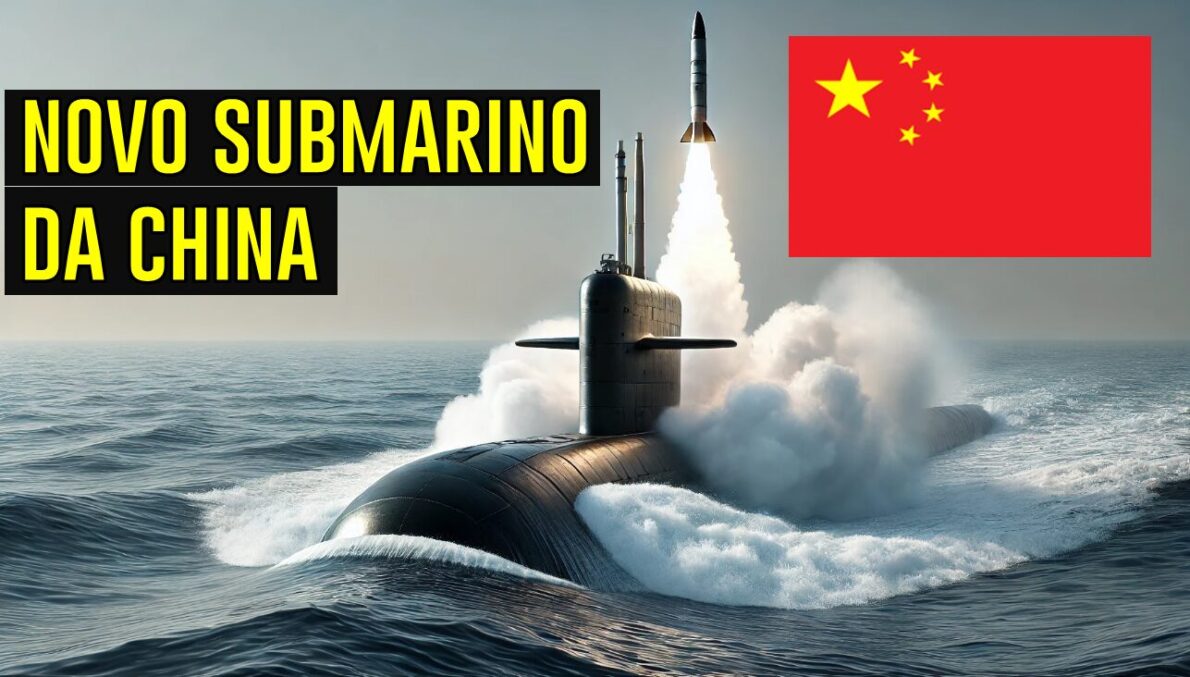
With A New Type Of Dangerous Submarine, China Now Has The Capability To Launch Cruise Missiles Vertically From The Sea, Joining An Exclusive Club That Only Included The U.S. And Russia. See The Impact Of This New Weapon!
In recent months, China has unveiled two new types of submarines, and the latest appears to be the most advanced and dangerous. With this, the country is approaching the submarine military capabilities of the United States and Russia, standing out on the global stage.
The Type 093B submarine, whose first photos were released online in early October, promises a significant leap in Chinese military technology, especially in cruise missile launching.
The Evolution Of Chinese Submarines
During the summer, naval expert Thomas Shugart was the first to observe a new subtype of Chinese submarine in satellite images taken at the Wuhan pier.
-
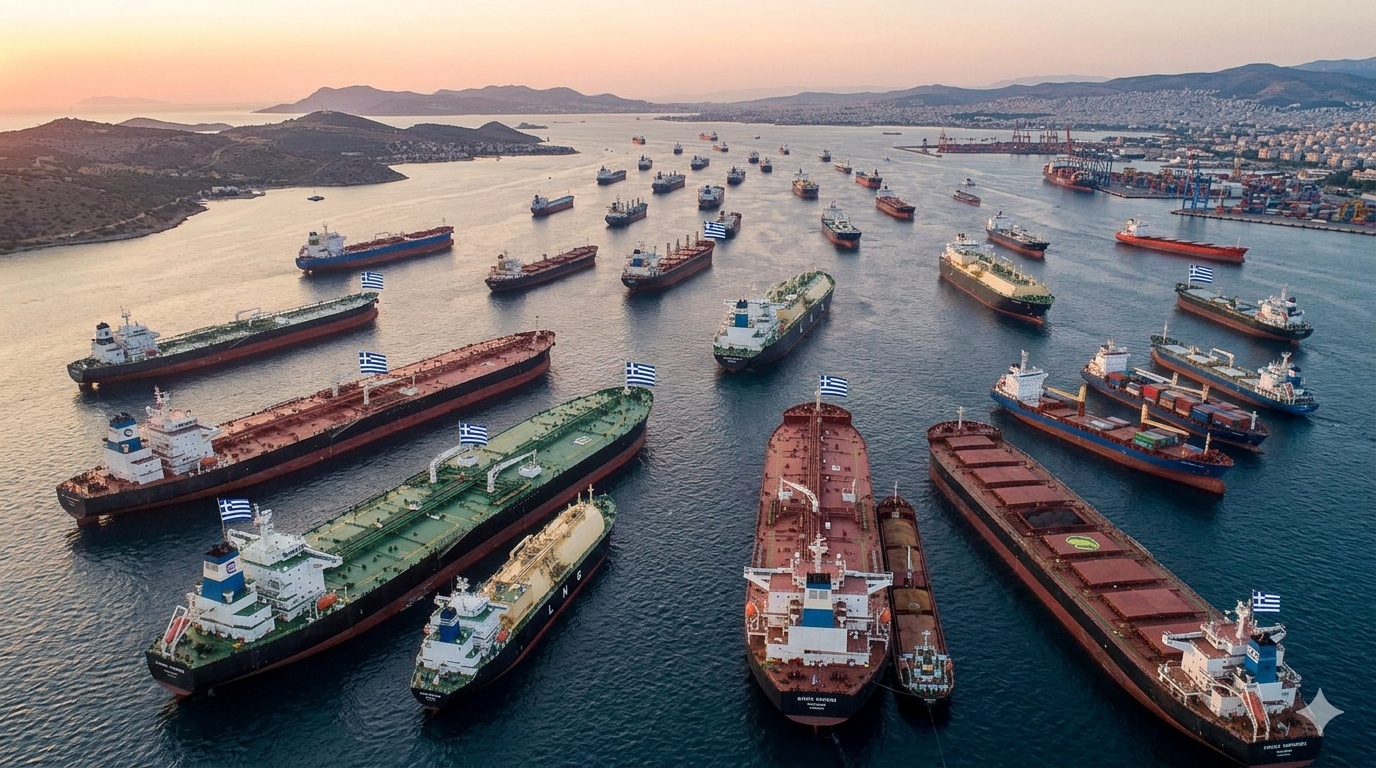
Neither the USA nor China: a small European nation has become one of the largest maritime powers on the planet, controlling one of the largest merchant fleets in the world with thousands of ships and dominating the global transportation of oil and strategic cargo.
-
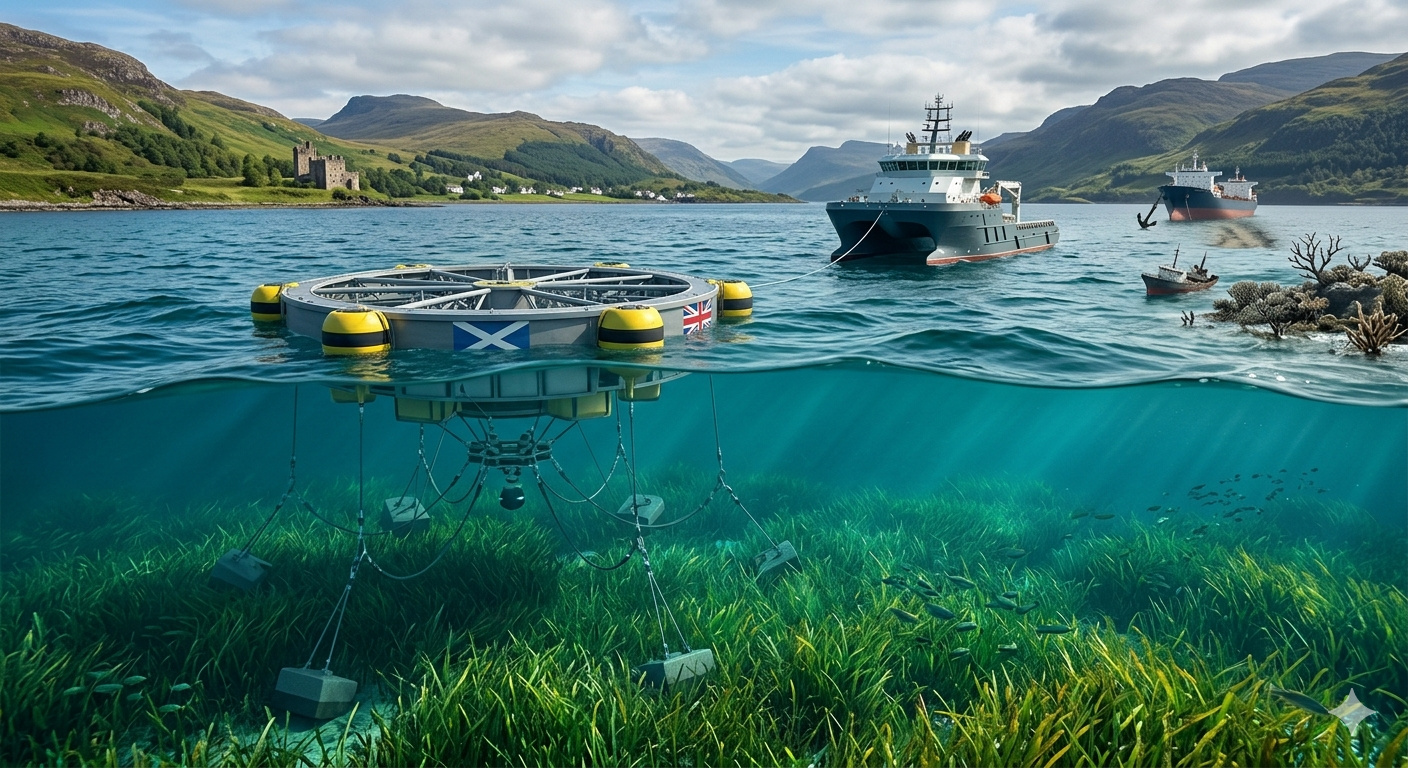
Scotland and the United Kingdom have created a new anchoring system that floats in the water without touching the seabed, after discovering that the current from a conventional anchor destroys up to 50 m² of seagrass meadow per event and that ship-damaged reefs showed no signs of recovery even ten years later.
-
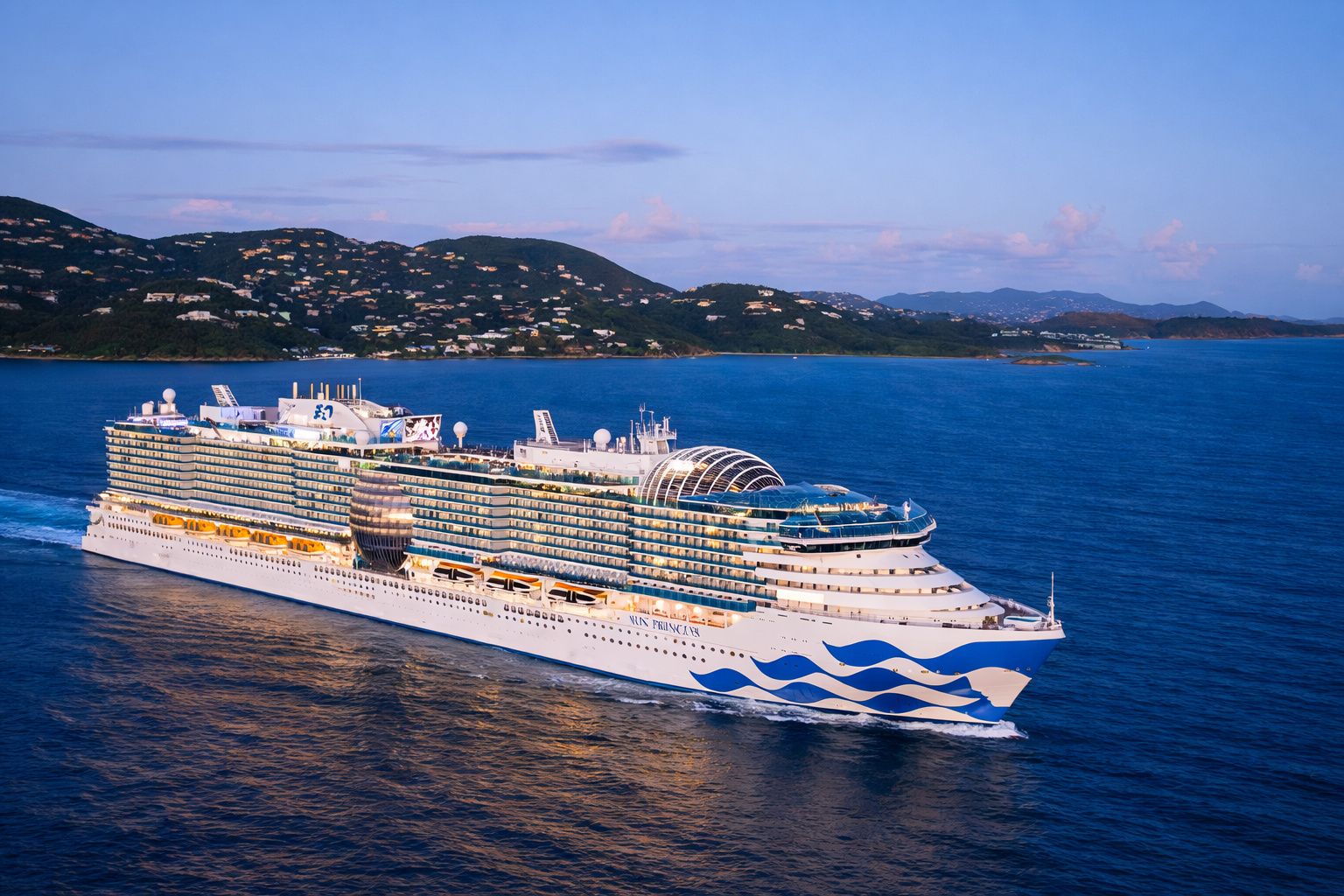
Weighing 175,500 Tons, Measuring 345 Meters Long, and With Capacity for Over 4,300 Passengers, the Sun Princess Becomes the Largest Ship Ever Built by Princess Cruises and Attracts Global Attention for Its Huge Glass Dome Inspired by Santorini’s Architecture Installed on Top of the Vessel
-
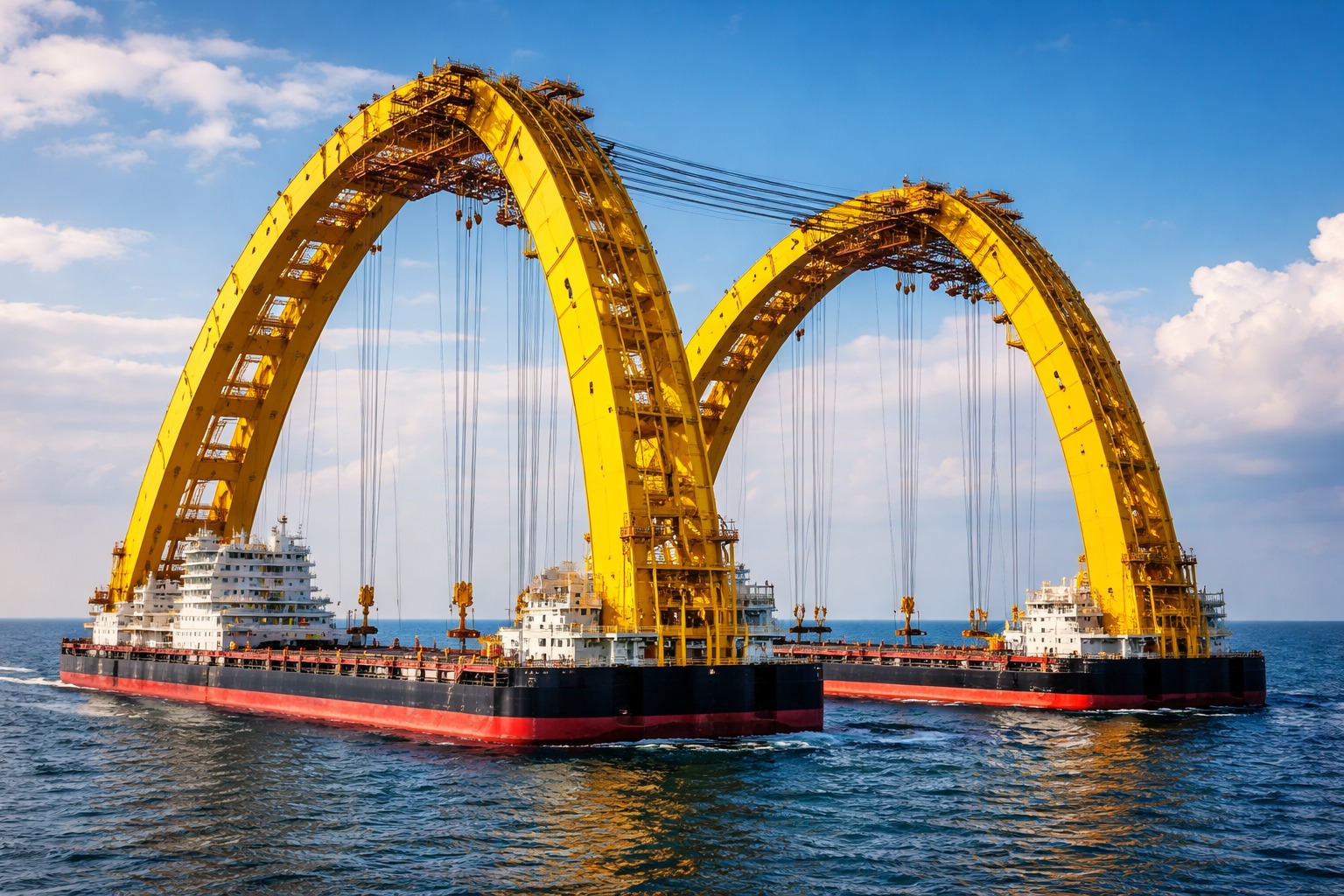
TX-10, The Colossus of The Sea: Largest Lifter Ship in The U.S., With Two Giant Barges, 73-Meter Tall Structure, and Strength to Raise 7,500 Tons of Sunken Oil Rigs

This model, a Type 039 equipped with a small auxiliary nuclear power plant, was seen as an innovation that could extend the underwater endurance of the vessel, increasing its autonomy without the need to surface as often.
However, subsequent news was not as promising for the Chinese navy. The hybrid Type 039 submarine apparently sank at its pier in July, indicating problems that could delay its entry into service for years.
In light of this setback, the new Type 093B takes on greater prominence, potentially entering operations before the hybrid submarine.
The Powerful Type 093B: A Potential Threat
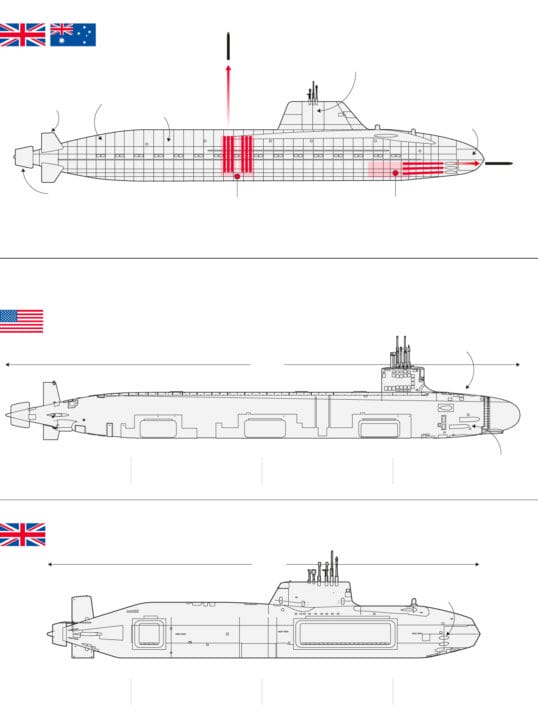
The latest images of this new model were captured in Bohai, showing a new version of the Type 093 submarine. The submarine, which is already a centerpiece of the Chinese navy with six units in service, has undergone significant improvements.
The 093B version is larger than its predecessor, measuring 350 feet in length and displacing about 6,700 tons of water.
The new Type 093B resembles the American Virginia Block V submarine, which is 460 feet long and displaces 10,200 tons. This increase in size is due to the addition of a module called the “Virginia Payload Module,” which includes vertical launchers for 28 Tomahawk cruise missiles, making the submarine a true submerged arsenal.
The Challenge For The United States
The Tomahawks have a range of up to a thousand miles and are highly effective weapons for land strikes. The ability of submarines to launch cruise missiles, stealthily and quickly, represents a considerable strategic advantage. China, meanwhile, has developed the CJ-10 missile, similar to the Tomahawk in range and payload, although there are uncertainties regarding its accuracy.
To counterbalance this evolution, the U.S. Navy is building Block V Virginia submarines, a measure to mitigate the loss of capability that will be caused by the imminent retirement of four Ohio-class cruise missile submarines.
These veteran submarines carry no fewer than 154 Tomahawks each, and their decommissioning would leave a significant gap in American naval defense. Thus, the Block V Virginias, with their new missile capabilities, represent the American response to maintain superiority.
The Chinese Challenge
The Chinese navy, despite advancements, still faces challenges in achieving parity with the submarine force of the United States. Currently, the American navy has about four dozen attack submarines, equipped with over 600 vertical missile cells, while China has a smaller fleet. Even with the construction of new Type 093Bs, Chinese missile capacity will not be comparable anytime soon.
However, underestimating China’s industrial capability is a common mistake. The country has a strong shipbuilding industry and has already demonstrated the ability to produce armaments quickly and efficiently. The expectation is that the Chinese navy will manage to commission a dozen Type 093Bs in less than a decade, with each submarine capable of carrying up to 18 cruise missiles. This would place China in an exclusive club, composed of the United States, Russia, and now China, all with the capability to launch cruise missiles vertically.
Naval Competition Continues
Although China is still not ready to equally rival the submarine fleet of the United States, the development of the Type 093B signals a clear effort to achieve that goal. The pursuit of a stealthy, long-range strike capability is evident, and the Chinese navy is working towards equipping its fleet with submarines that can challenge American supremacy at sea.
It remains to be seen how the naval competition between these powers will unfold in the coming years. Parity may take time, but China’s determination to close the gap is undeniable. And in the current geopolitical landscape, any technological advancement can have significant consequences for the global balance of power.








Seja o primeiro a reagir!