





 Portuguese
  English
  Spanish
  7 min of reading
  0 comments


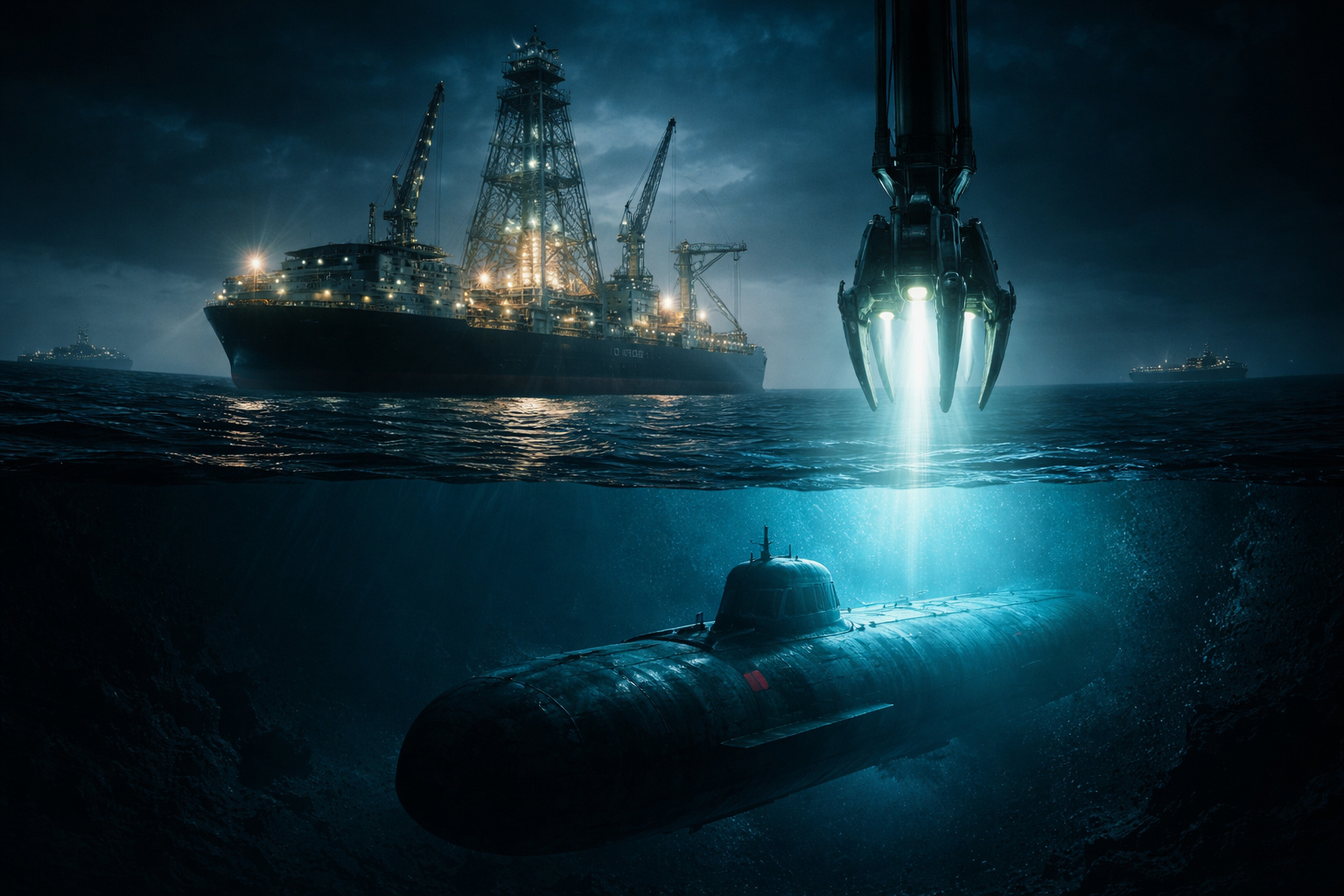
The CIA Built the Glomar Explorer to Recover a Soviet Submarine Sunken at 5,000 Meters in the Pacific. The Secret Operation of the Cold War Involved Howard Hughes and Unprecedented Technology.
In 1974, a gigantic ship appeared in the middle of the Pacific Ocean and remained virtually motionless over a single coordinate for weeks. Officially, it was a private deep-sea mining project funded by the eccentric billionaire Howard Hughes. The ship in question was the Glomar Explorer, presented to the world as a vessel designed to collect manganese nodules from the ocean floor. The story seemed plausible. During the 1970s, deep-sea mining for rare minerals was considered a potential new economic frontier. The problem was that this was not the ship’s true mission.
Behind the industrial facade lay a secret operation organized by the Central Intelligence Agency. The goal was to accomplish something no country had attempted before: to recover a sunken Soviet nuclear submarine that had gone down years earlier in the Pacific. The plan was extremely risky. The target was nearly 5,000 meters deep, a region where water pressure exceeds 500 times atmospheric pressure and where deep-sea recovery technology was virtually non-existent.
The Soviet Submarine That Disappeared in the Pacific
The origin of this story dates back to March 1968, when the Soviet submarine K-129 disappeared in the Pacific Ocean. The K-129 was a Golf II class submarine armed with nuclear ballistic missiles. It set out from the Soviet naval base in the Far East for a routine patrol, but never returned.
-
Italian researchers have detected what appears to be a second Sphinx buried under the sands of Egypt, and satellite scans reveal a gigantic underground megastructure hidden beneath the Giza Plateau for over 3,000 years.

-
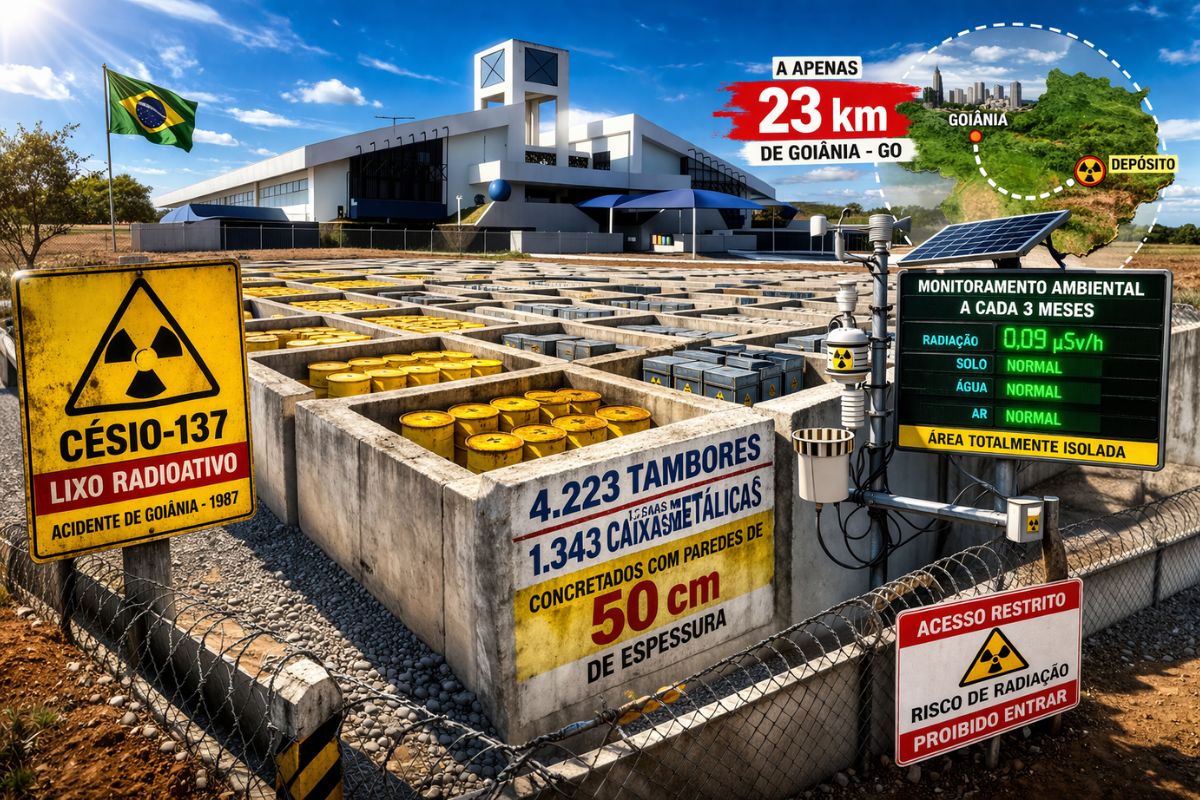
There are 4,223 drums and 1,343 metal boxes concreted with 50-centimeter walls that store the radioactive waste from Cesium-137 in the worst radiological accident in Brazil, just 23 kilometers from Goiânia, with environmental monitoring every three months.
-
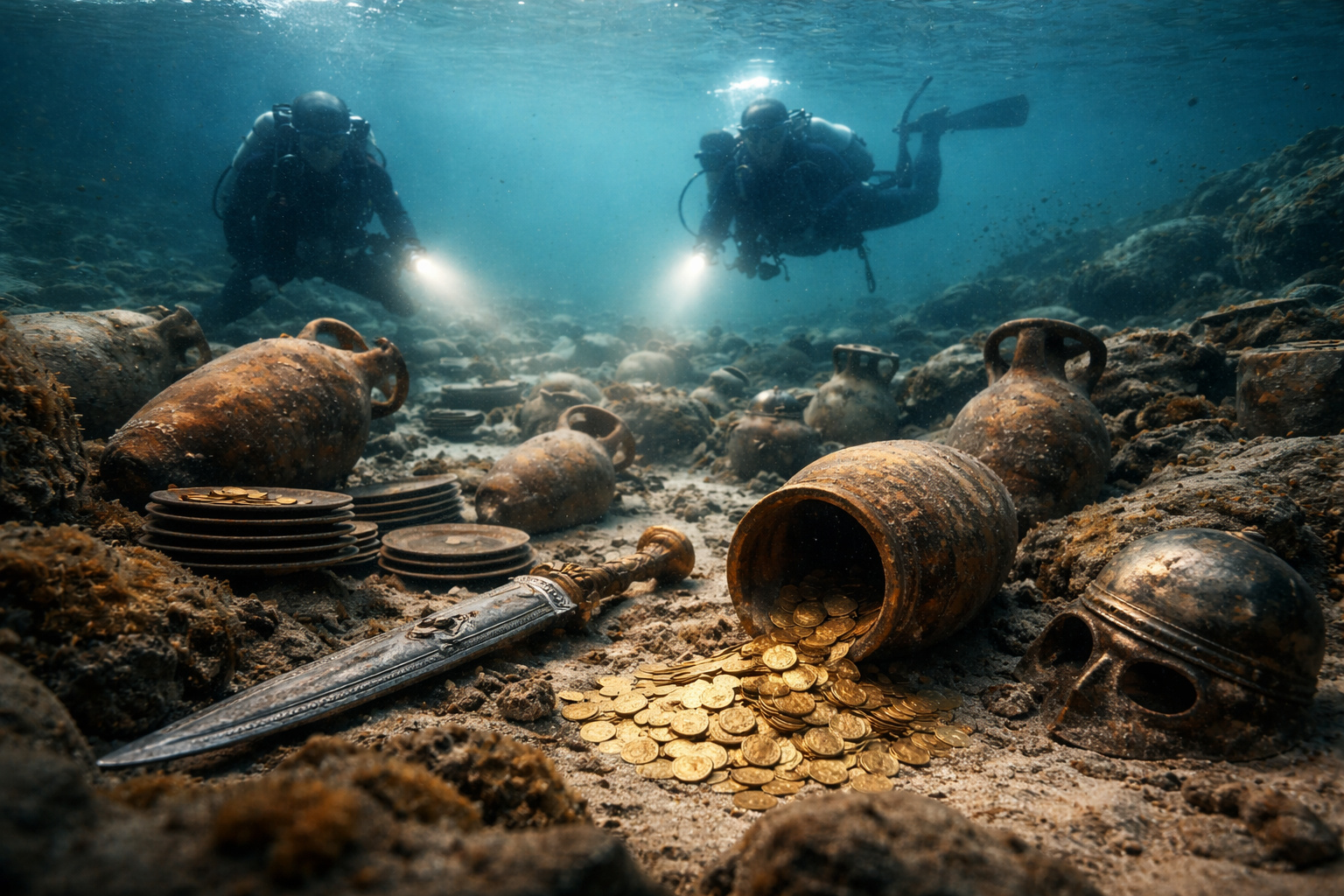
Giant Roman treasure found at the bottom of Lake Neuchâtel in Switzerland reveals an advanced trade system, circulation of goods, and armed escort in the Roman Empire about two thousand years ago.
-
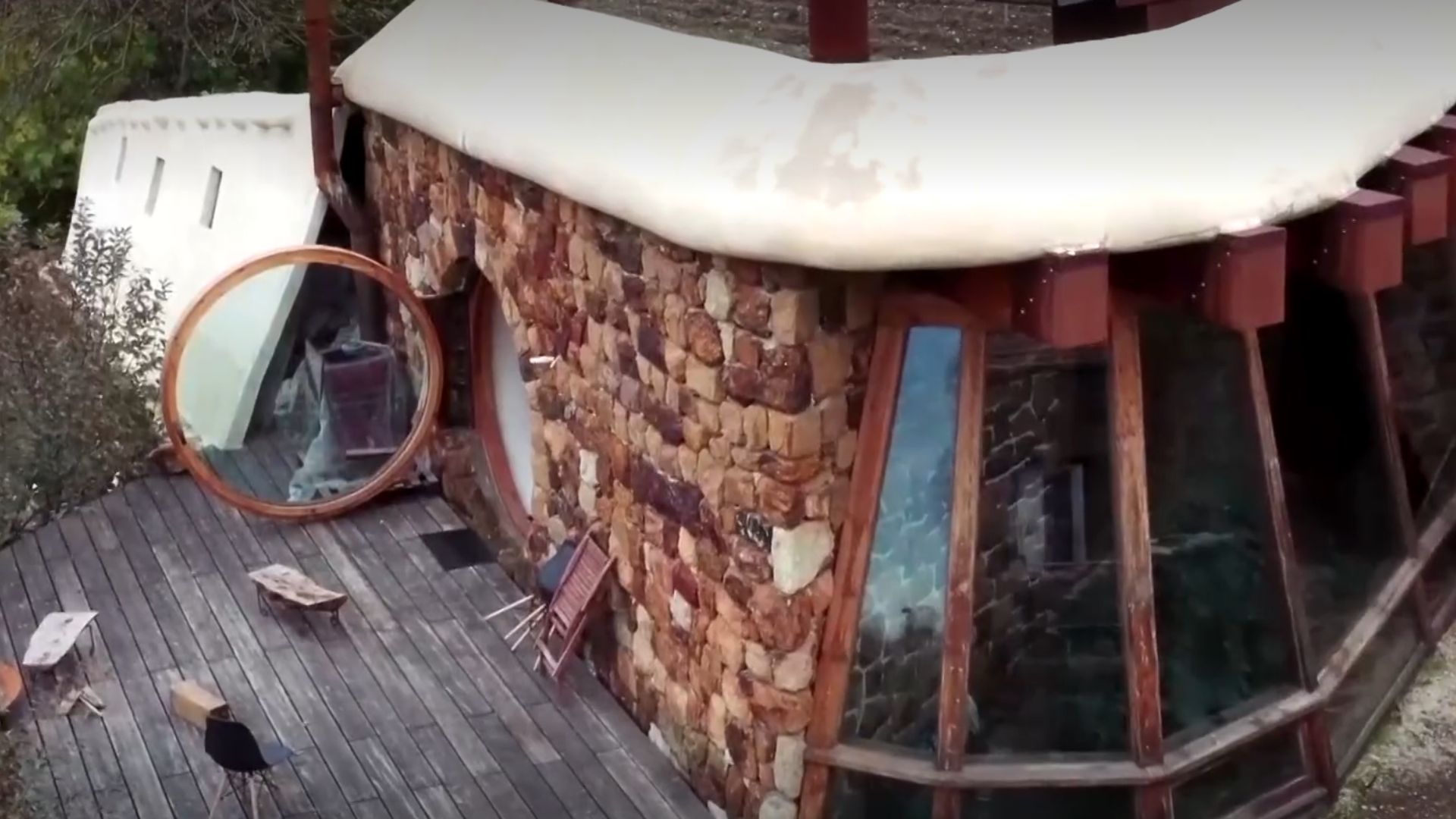
He buried 1,200 old tires in the walls to build his own self-sufficient house in the mountains with glass bottles, rainwater, and an integrated greenhouse.
Shortly after leaving port, underwater sensors detected a large acoustic event in the North Pacific. The Soviet Union launched an intensive search for the missing submarine, mobilizing ships and aircraft for weeks.
Even with a significant search effort, the K-129 was never located by the Soviets. Without finding the wreckage, the operation was eventually called off. To Soviet leadership, the submarine had simply vanished.
How the United States Discovered the Location of the Submarine
While the Soviet Union searched for the submarine unsuccessfully, the United States had a crucial technological advantage.
The U.S. Navy operated a secret network of underwater sensors known as SOSUS. This system consisted of hydrophones installed on the ocean floor capable of detecting submarine sounds over great distances.
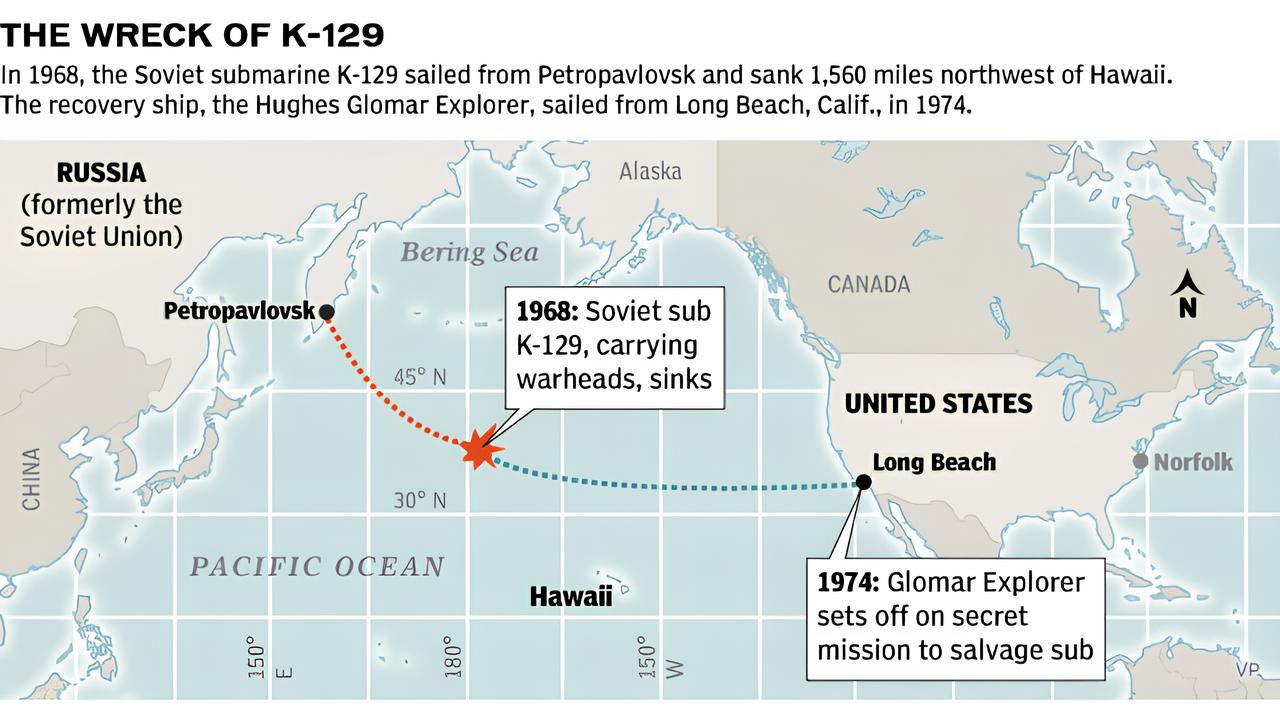
When the K-129 had its accident in 1968, SOSUS recorded the acoustic event. American analysts were able to use this data to roughly calculate the location of the wreck. Within weeks, the United States knew where the Soviet submarine had sunk.
The site was in the North Pacific, about 2,500 kilometers from Hawaii, in a remote area of the ocean.
Why the United States Wanted to Recover the Submarine
For American strategists, recovering the K-129 might represent a huge intelligence gain.
The submarine possibly contained:
- encrypted communication systems
- Soviet military navigation equipment
- ballistic missile technology
- strategic documents from the Soviet Navy
During the Cold War, any information of this kind was immensely valuable. However, recovering the submarine seemed impossible. It was nearly five kilometers deep, far beyond the reach of existing deep-sea recovery technology at the time. No object of this size had been recovered from depths even close to that.
The Birth of Operation Azorian
Even so, the CIA decided to give it a try. The secret operation was named Project Azorian.
To accomplish it, engineers and scientists developed an extraordinary plan: to build an entirely new ship designed specifically to lift the submarine from the ocean floor.
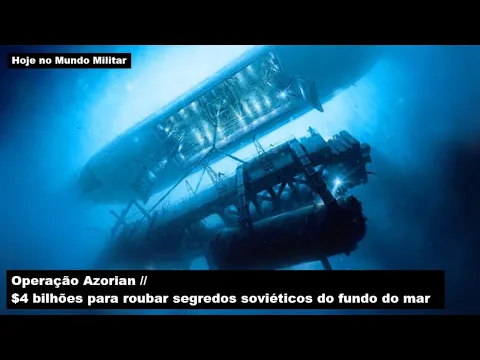

The ship would need to have unprecedented features:
- absolute stability in open seas
- ability to operate gigantic equipment
- extremely precise positioning systems
- a capture mechanism capable of grabbing the entire submarine
All of this would have to be done without revealing the true objective of the mission.
The Perfect Front: Howard Hughes
To hide the project, the CIA decided to use a public figure who could justify an apparently absurd venture. The chosen one was the eccentric billionaire Howard Hughes.
Hughes was already known for financing gigantic experimental projects, many of which were unconventional. This made it plausible that he was investing millions in deep-sea mining. Thus was born the public story of the Glomar Explorer: a ship built to explore minerals on the ocean floor.
While the world believed this version, the ship was being prepared for one of the boldest secret operations in the history of espionage.
The Glomar Explorer Ship
The Glomar Explorer was a gigantic vessel by the standards of its time. It was specifically designed to operate in the middle of the ocean for long periods. Among its most important features was a system known as moon pool.
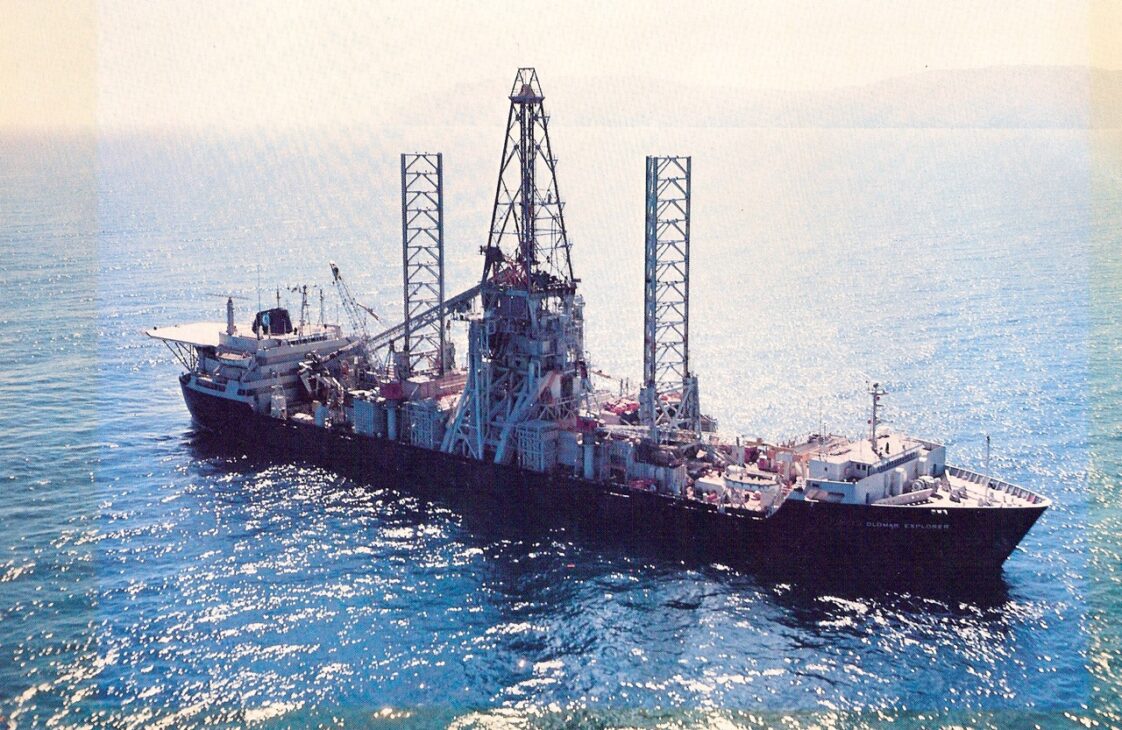
This was an internal compartment within the hull of the ship that allowed equipment to be lowered directly to the ocean floor without outside observers being able to see what was being done.
Inside the ship, there was also a system capable of lowering a gigantic metal structure called a capture vehicle, or mechanical claw. This claw would be used to grab the submarine on the ocean floor.
The Five-Kilometer Descent to the Ocean Floor
To reach the submarine, the Glomar Explorer’s system used a column made up of dozens of metal tube sections. Each section was connected to the previous one, forming a sort of vertical tower that slowly descended to the ocean floor.
In total, about 60 tube sections were used to reach a depth of nearly 5,000 meters. When the claw finally reached the ocean floor, it was positioned over the K-129 submarine.
The plan was to secure the submarine’s hull and slowly lift it to the surface. If successful, it would be the largest underwater recovery operation ever conducted.
The Critical Moment of the Operation
In 1974, the Glomar Explorer began the main phase of the operation. For weeks, the ship remained virtually motionless in the middle of the Pacific while the crew conducted the submarine capture process. Soviet ships even approached the area on a few occasions, but they believed they were observing a deep-sea mining operation.
They had no way of imagining that a Soviet nuclear submarine was being lifted from the ocean floor. When the claw finally managed to grab the submarine, the extremely delicate hoisting process began.
It was at this moment that the main problem arose.
The Failure That Changed the Outcome of the Mission
During the ascent, part of the claw’s structure broke. The weight of the submarine, combined with the deteriorated state of the hull after years on the ocean floor, caused the K-129 to break apart.
Much of the vessel fell back to the ocean floor. Even so, a section of the submarine apparently succeeded in being recovered. Exactly what was recovered remains officially classified to this day.
What the United States Really Recovered
Subsequent reports indicate that the United States recovered a part of the submarine’s hull. Among the items found were the bodies of six Soviet sailors.
The bodies were buried at sea with military honors. Decades later, the CIA released images of this naval funeral as part of declassified documents.
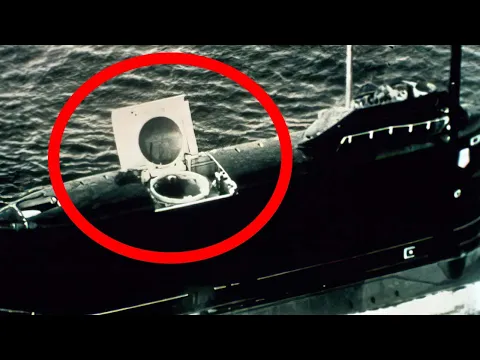
However, there is no official confirmation regarding which military equipment or submarine systems were recovered. This information remains one of the enduring secrets of the operation.
The total cost of Operation Azorian was estimated at around US$ 800 million at the time. Adjusted for inflation, this amounts to over US$ 3 billion in today’s money. This makes the project one of the most expensive secret programs of the Cold War. Still, the U.S. government deemed the investment justifiable due to the potential value of the information that could be obtained from the Soviet submarine.
The Origin of the Famous “Glomar Response”
The existence of the operation remained secret for years. However, in 1975, journalists began investigating the project after leaks of information.
When they received official requests for access to documents, CIA lawyers created a response that would become famous. They stated that the agency “could neither confirm nor deny the existence of the requested documents”.
This response became known as the “Glomar Response”, a reference to the Glomar Explorer ship. To this day, this phrasing is used by the U.S. government in responses to requests for access to sensitive information.
One of the Boldest Operations of the Cold War
Operation Azorian remains one of the most ambitious technological initiatives of the Cold War. It combined naval engineering, strategic espionage, underwater technology, and an elaborate disguise operation.
Building an entire ship just to recover an enemy submarine from the ocean floor seemed almost impossible. Even with failures, the project demonstrated that operations of this kind were technically feasible. And it showed how far Cold War powers were willing to go to gain strategic advantage.
Today, the Glomar Explorer continues to be remembered as the ship that starred in one of the most extraordinary secret missions in international intelligence history.









-

Uma pessoa reagiu a isso.