





 Portuguese
  English
  Spanish
 3 min of reading
  0 comments


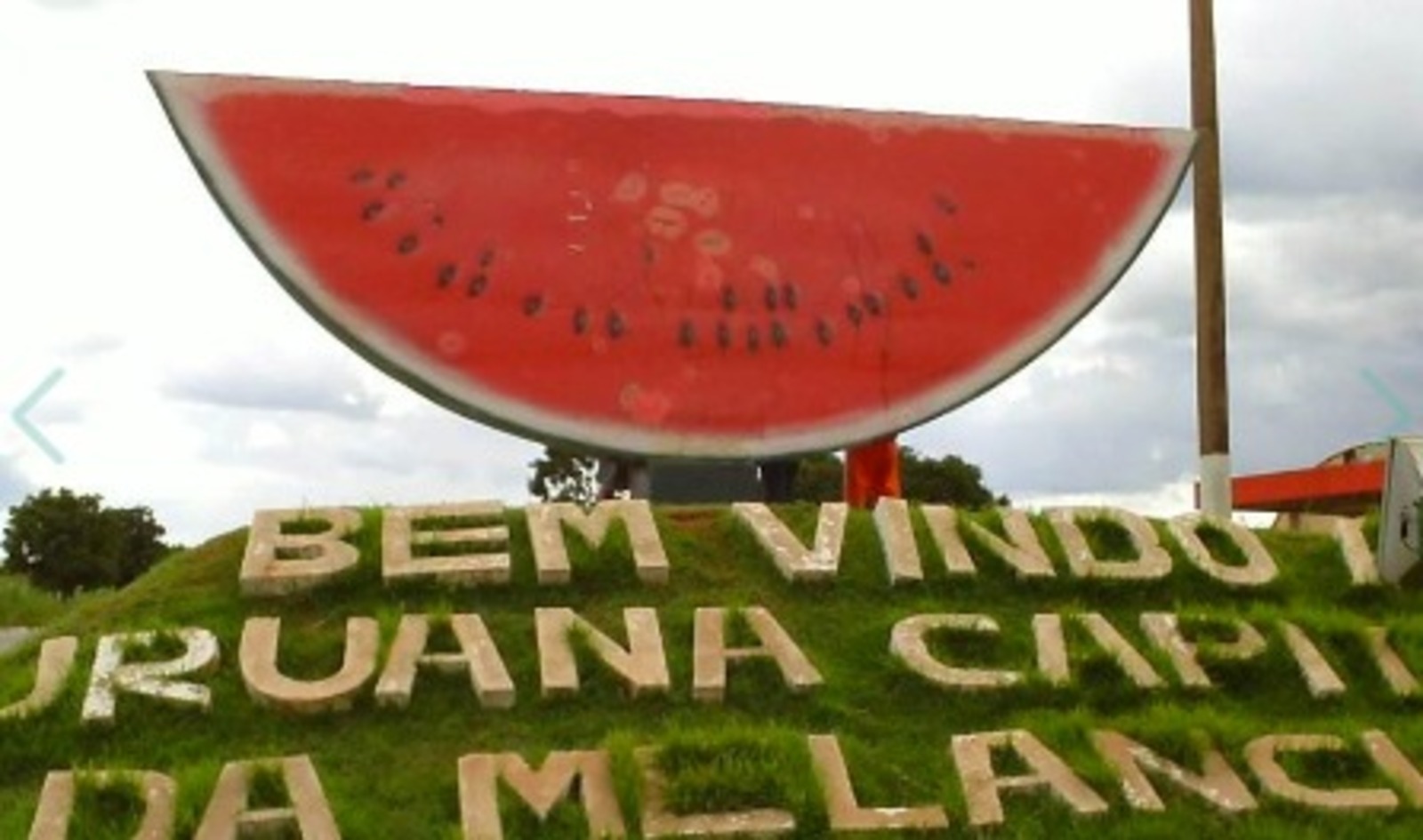
Uruana Combines Intense Watermelon Production, Simple Natural Attractions, and a Traditional Festival That Engages Residents and Visitors During the Annual Harvest Season
Uruana occupies a unique position in central Goiás because it has developed a production that has become a trademark of the city. The location, 170 kilometers from Goiânia, facilitates access for visitors who come to experience the agricultural routine and the tranquil pace of the countryside.
The presence of around 14,000 residents reinforces the welcoming atmosphere typical of a small municipality.
The large-scale cultivation of watermelons drives the local economy. Moreover, the harvest period attracts curious individuals who wish to witness the picking. The rural scenery appears alongside a resting environment.
-
China alone accounts for 70% of trade within the BRICS, while Brazil establishes itself as an essential supplier of food and minerals: understand how the group, which already represents nearly 40% of the world’s GDP, is changing the game.

-
Starting in May, those who do not have registered biometrics will not be able to apply for Bolsa Família, sickness benefits, or unemployment insurance: understand the new rule that changes access to benefits for millions of Brazilians.

-
A new law being voted on in Brazil proposes a minimum fare of R$ 10 per trip and R$ 2.50 per kilometer for Uber and 99 drivers, and promises to ensure they earn as well as taxi drivers did during the golden age of taxis in the country.

-
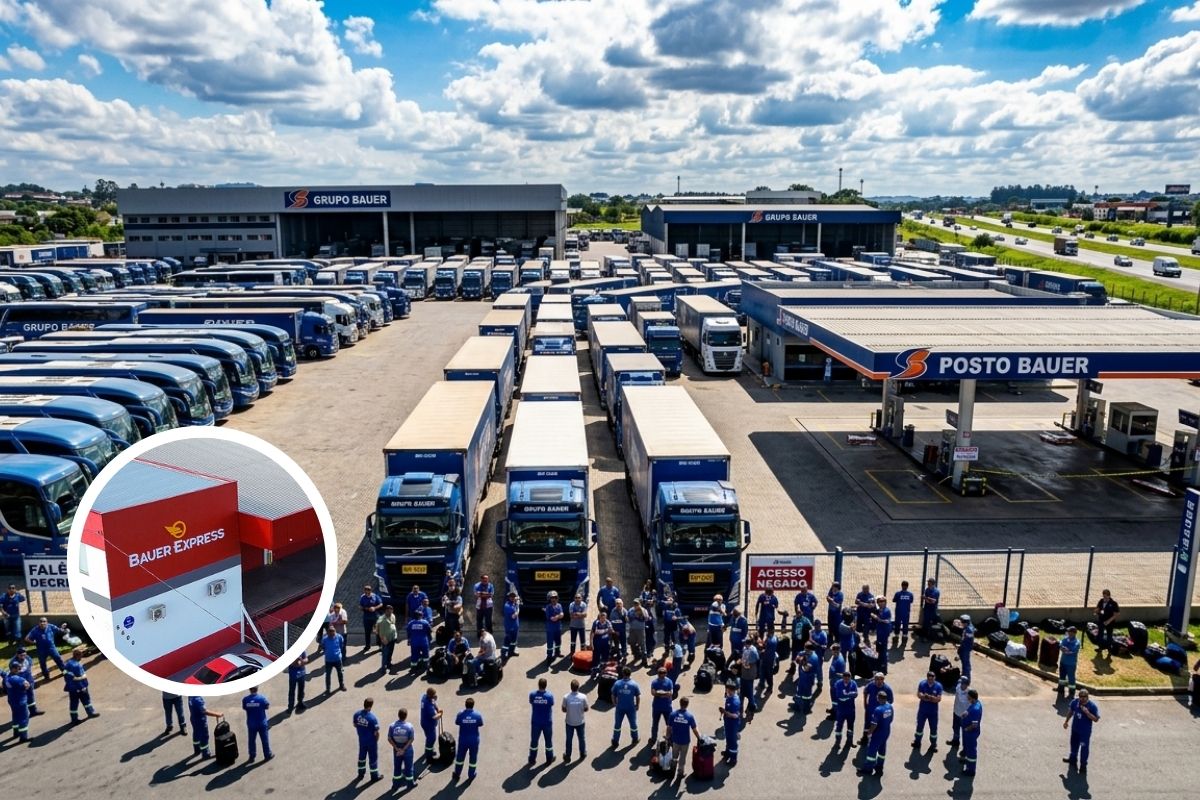
Bauer Group collapses after failed judicial recovery: 25 years, 800 vehicles, and a network of gas stations leave a debt of R$ 50 million and 100 layoffs, exposing costs, tight margins, and expensive credit in Brazil.
Culture Linked to the Countryside
The identity of Uruana remains associated with the land because the population maintains simple habits connected to the agricultural daily life.
The Uru River is part of this relationship, offering a leisure space for bathing and gatherings among families.
The combination of tradition, agricultural work, and light tourism creates a lesser-known picture of the Goiás countryside. The fame of the watermelon capital emerged naturally.
Why the City Earned the Title of Watermelon Capital
The region boasts fertile soil, suitable climate, and available water, factors that allowed for rapid growth in production.
Thus, specialized rural properties began to cultivate large and well-formed fruits, some exceeding 30 kilograms.
These characteristics placed the municipality among the largest suppliers in the country, supplying different states during the harvest. The harvesting period occurs between June and September.
During this time, the roads become filled with loaded trucks. Additionally, the movement intensifies with producers and buyers circulating between farms and distribution centers. Various types ensure good market acceptance.
Producers work from crimson sweet to seedless types. The activity also generates temporary jobs.
At the peak of the harvest, workers are hired for picking and packaging, strengthening the local economy and that of nearby cities.
The Watermelon Festival
The annual event began in 1986 and symbolizes the fruit’s importance to the community. The event usually takes place in July, a time when the city welcomes visitors seeking entertainment, music, and curiosities related to watermelons.
Shows and competitions are part of the schedule. Quick consumption contests and competitions for the heaviest watermelon are among the most anticipated attractions.
Stalls present a variety of dishes, many prepared with the fruit as a main ingredient. Thus, the public can enjoy everything from juices and jellies to recipes created by local cooks.
The festival reinforces the bond between agricultural production and popular culture.
Leisure and Nature
Uruana provides an ideal environment for rest because it maintains preserved green areas and the Uru River as its main natural reference. Visitors looking for tranquility find simple and accessible spaces. The Uru River Resort is a traditional option.
The area has shade from trees, calm waters, and picnic spots. Moreover, families enjoy the location for its safety and rural view. Recreational fishing also attracts visitors.
The river is home to species like peacock bass, pike, and tilapia, encouraging peaceful mornings along the water’s edge. The rural trails complete the itinerary.
They pass through plantations and allow observation of the Goiás cerrado, with visible fauna and active agricultural routines.
Small restaurants offer typical dishes. The empanada, rice with pequi, and artisan-prepared meats represent the local cuisine.
Best Time to Visit
July stands out for those wishing to see the Watermelon Festival and experience the intense rhythm of the harvest. During this period, tourists circulate through the streets and observe loaded trucks passing near the center.
For those who prefer complete calm, months outside the harvest provide a different experience.
- Accommodations are more available.
- Residents converse with visitors and share stories about the municipality’s agricultural tradition.
- Access is via GO-080.
Intercity buses or private cars complete the journey of approximately two hours to Uruana from Goiânia.
With information from O Antagonista.






-

-

-

-

-

-

20 pessoas reagiram a isso.