





 Português
  Inglês
  Espanhol
  5 min de leitura
  0 comentários


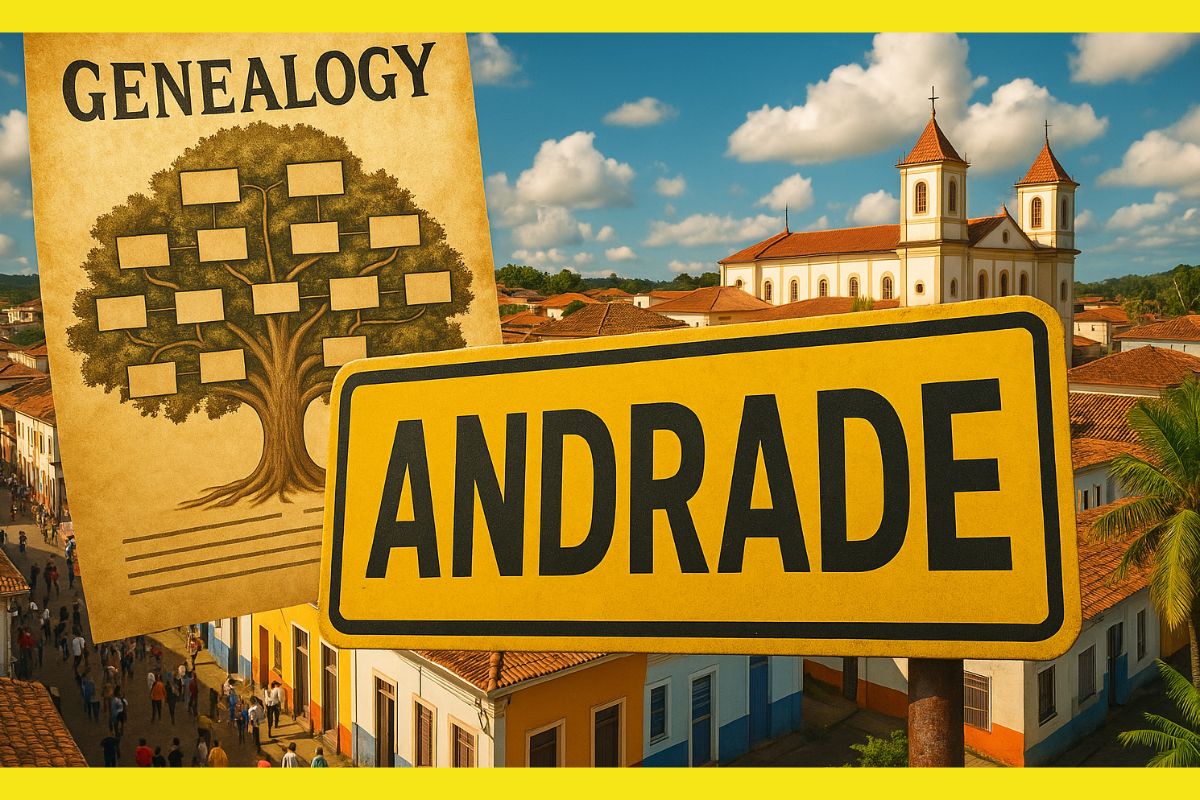
In Minas Gerais, a municipality of just over 11 thousand inhabitants has become a symbol of a curious family heritage: a city where the name “Andrade” defines not only the genealogy but also the collective identity.
In the mountains of Southern Minas Gerais, a Brazilian city stands out for a singular characteristic: in Andrelândia, six out of ten residents bear the last name Andrade. This fact, albeit shrouded in folklore, reveals more than coincidence; it is the reflection of centuries of family history, geographical isolation, and social endogamy that have shaped the profile of the local population.
Today, the surname has become a symbol of belonging, pride, and identity. In Andrelândia, being an Andrade means being part of the living history of the city, where blood ties blend with the cultural and economic roots that have sustained the regional development since the 18th century.
The Origin of the Name and the Myth of the “Andrades”
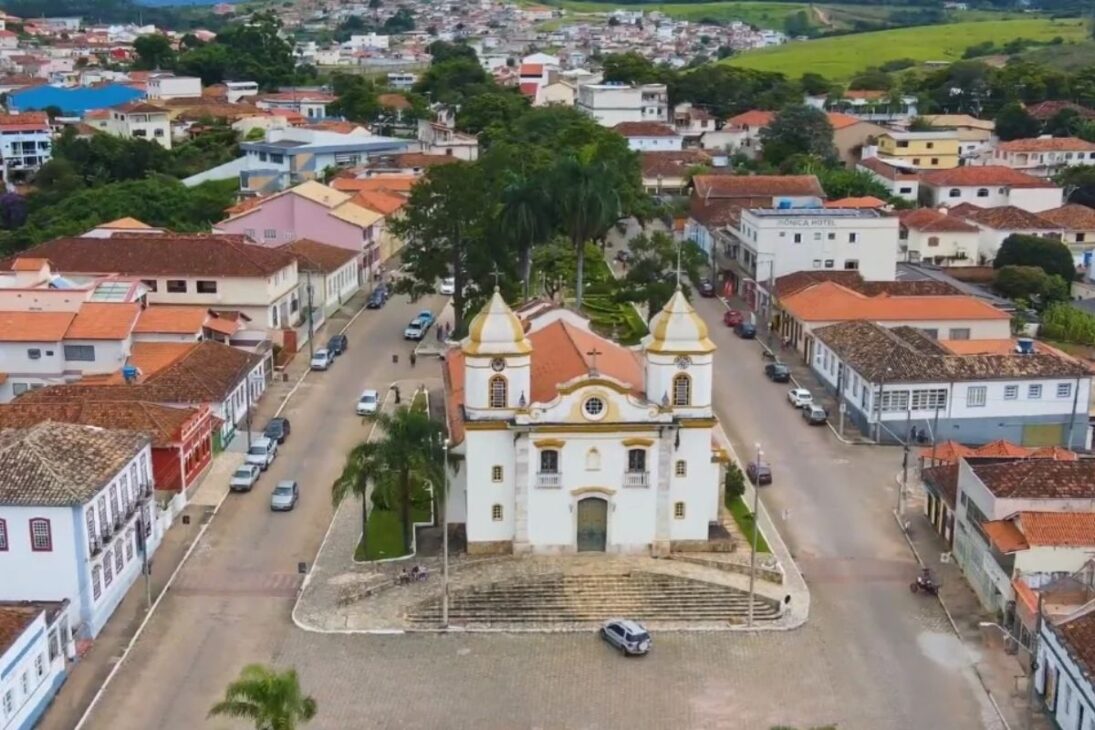
Andrelândia began as Arraial do Turvo in 1755, when the farmer André da Silveira, of Azorean origin, built a chapel dedicated to Our Lady of the Port.
-
The world’s first octopus farm wants to open in the Canary Islands and is already provoking an international reaction: the plan aims to produce 3,000 tons per year.

-
Drought may be creating stronger superbugs in the soil and helping antibiotic resistance reach hospitals, warns a study highlighting a problem that could grow alongside extreme weather.

-
The biggest scam in history: Napoleon’s France deceived the United States by selling them a territory that was Spanish.
-
Why is the Danakil Desert so dangerous? It has unstable terrain and how extreme temperatures and toxic gases turn the region into one of the most hostile environments on Earth.


The settlement grew around this religious center, and by the 19th century, it became Vila Bela do Turvo. It wasn’t until 1930 that the city adopted its current name Andrelândia, which literally means “Land of André”.
Interestingly, the name does not have a direct relationship with the surname Andrade, but with the first name of its founder. The confusion arose later, when the Andrade family began to dominate the local scene.
The clan’s significant presence was such that the collective memory associated the city’s name with the family lineage, partially erasing the historical origin of the toponym.
How the Surname Spread Throughout the City
The surname Andrade, of Portuguese and Galician origin, arrived in the region in the early 19th century, when migrating families settled in Southern Minas.
From there, marital alliances, rural properties, and geographical isolation transformed the clan into a true kinship empire.
With the decline of the gold cycle, land became the main economic asset. The Andrades became large landowners, often marrying among themselves or with other influential families such as the Silveira and Arantes to preserve local wealth and power.
Documents and ecclesiastical records indicate consanguineous marriages authorized by the Church, a common practice among the mining elites of the colonial period.
This combination of “founder effect” (few initial surnames) and social endogamy created the perfect scenario for the predominance of the Andrades in Andrelândia.
As generations passed, marrying an Andrade became the norm rather than the exception, a direct result of the limited number of local families.
The Isolation That Kept the Surname Alive
The mountainous terrain and the historical isolation of Southern Minas helped preserve this configuration. For centuries, the poor roads and the distance from major centers reduced the influx of new residents and hindered the diversification of surnames.
This geographical isolation reinforced the cycle of marriages among relatives and neighbors, perpetuating the surname Andrade and strengthening the ties between family branches.
The result is a city where the surname has become part of the cultural DNA, present in social relations, politics, and even everyday language.
Truth or Legend: The “6 in 10” Andrades
The famous statistic that six out of ten residents of Andrelândia are Andrade is not officially verified since the IBGE does not collect surname data.
Still, the proportion makes sense in the context of the city: small, with about 12 thousand inhabitants, and heavily marked by interconnected generations.
In absolute terms, Andrelândia does not have the largest number of Andrades in Minas Gerais, but rather the highest relative concentration.
The data, therefore, serves as a cultural symbol, not an exact measurement. The “city of the Andrades” is less a statistic and more a social portrait a rare case of how kinship and memory shape the identity of an entire community.
A Surname That Became Culture and Way of Life
In practice, living in a city where almost everyone is named Andrade brings curious situations. Registry offices, schools, and healthcare services face challenges distinguishing namesakes.
The local solution is creative: nicknames and family references have become part of the vocabulary. Expressions like “Andrade from Zé”, “Andrade from the Salgado branch”, or “Andrade from the store” are common and serve as a kind of parallel social identification system.
At the same time, the surname is a source of pride and belonging. Residents see the name Andrade as a link to the colonial past and the very foundation of the city.
At family gatherings and regional festivals, the theme of genealogy is frequent—some maintain family trees tracing back to the first colonizers and marriage records from the 19th century.
Identity, Tourism, and the Future of the Andrades
Today, Andrelândia combines tradition and modernity. With slightly under 12 thousand inhabitants and a growing HDI (0.700), the municipality bets on its unique history as a tourist attraction.
Curious visitors seek to know the “stronghold of the Andrades”, exploring colonial mansions, 18th-century churches, and public archives that preserve the clan’s memory.
The city uses its uniqueness as a competitive advantage: genealogists, historians, and descendants visit the place to trace family roots.
The surname, once a demographic trait, has become a cultural brand and intangible heritage a symbol of how the Brazilian interior preserves complex stories of colonization, family, and identity.
The Brazilian city of Andrelândia is a microcosm of deep Brazil: a place where time, kinship, and history walk hand in hand.
The dominance of the surname Andrade is the result of family traditions, isolation, and collective memory, not coincidence.
More than a statistical curiosity, the case reveals how a surname can shape an entire culture, giving rise to a unique and proud local identity.
And you, would you live in a city where almost everyone has the same last name? Do you think this family connection strengthens community or limits diversity? Share your opinion in the comments— we want to hear your thoughts on this curious Minas city.








Seja o primeiro a reagir!