





 Portuguese
  English
  Spanish
 5 min of reading
  0 comments



Itabaianinha, In The Interior Of Sergipe, Became A Global Reference For Concentrating, For Generations, People With A Rare Genetic Mutation That Causes Proportional Dwarfism And Attracted The Attention Of Science, The Media, And Those Seeking To Understand Human Diversity.
The Brazilian City Where Everyone Is ‘Dwarf’: Extreme Isolation, Rare Mutation, and An Average Height Of 1.30 m! What Explains The Most Curious Genetic Case In Brazil?
In The Interior Of Sergipe, Itabaianinha Entered The Scientific Map By Concentrating, For Generations, A Large Group Of Residents With Isolated Growth Hormone Deficiency (IGHD), A Rare And Hereditary Form Of Proportional Short Stature.
The Phenomenon Solidified From The Rural Settlement Of Carretéis, Where Geographical Isolation And Consanguineous Marriages Favored The Dissemination Of The Same Genetic Alteration.
-
The low-cost solution called PatchPal, invented in South Africa to fix potholes in minutes, does not crack and prevents water from entering, becoming more compact with each car that drives over it, revolutionizing road repairs that governments have forgotten.

-
The 2nd safest city in Brazil is attracting new residents, industries, formal jobs, and also has a giant free park.

-
“Brazilian California”: the city is one of the best places to live in Brazil.

-
A collector bought a black stone in Morocco in 2011 without knowing that he had in his hands a Martian meteorite 4.45 billion years old with ten times more water than any other fragment of Mars ever found on Earth.


Today, The City Is A Reference For Brazilian And Foreign Researchers And Became A Classic Case In Endocrinology, Known In Articles As The “Itabaianinha Syndrome.”
How The Phenomenon Formed
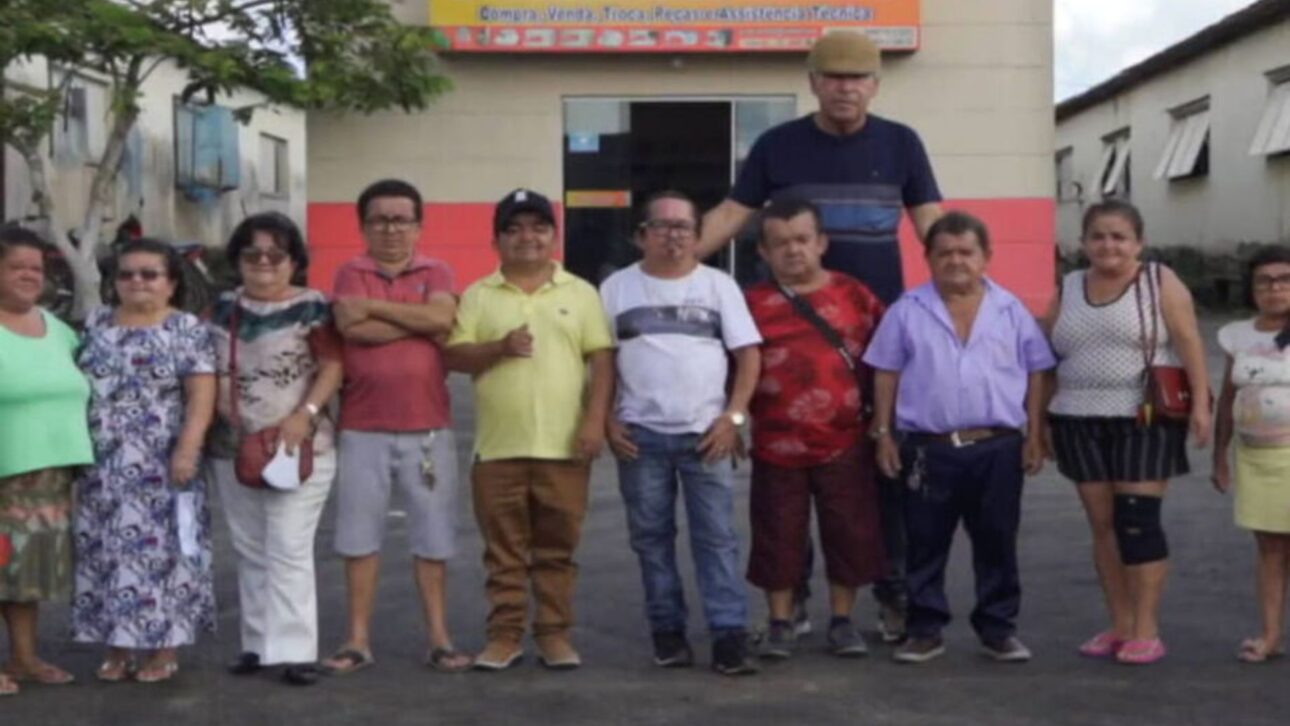
Located In The Central-South Of Sergipe, The Municipality Sheltered For Decades Rural Communities That Were Little Connected To Urban Areas.
In This Environment, The Transmission Of An Autosomal Recessive Mutation Gained Scale Over Eight Generations, Forming A Large Family Lineage With IGHD.
Reference Studies Describe At Least 105 Identified People With The Condition During This Period, A Number That Established Itabaianinha As The Largest Global Grouping Of This Type Of Condition.
In Recent Reports, Brazilian Outlets Cite Broader Estimates And Locally Described Incidence Data, Such As The Frequency Of 1 Case In Every 32 Residents In Carretéis And A Total “Above 130” Affected Individuals Over The Generations.
This Information Appears In Journalistic And Outreach Texts But Is Not Found As Consensus In Peer-Reviewed Scientific Articles.
What Science Has Proven
The Genetic Finding That Explains The IGHD Of Itabaianinha Is A Mutation Of Loss Of Function In The Growth Hormone-Releasing Hormone Receptor Gene (GHRHR), Specifically The Variant c.57+1G>A (IVS1+1G>A).
With The Receptor Inactivated, The Pituitary Gland Practically Does Not Release GH, Which Keeps IGF-I At Very Low Levels And Compromises Postnatal Growth.
The Result Is Proportional Short Stature, Unlike Other Types Of Dwarfism, Which May Present With Disproportions Of Trunk And Limbs.
The Literature Accurately Describes The Final Height Of Untreated Adults From The Itabaianinha Cohort: Men With An Average Height Of 128.7 cm (± 5.9 cm) And Women With An Average Height Of 117.6 cm (± 5.7 cm).
In General Terms, The Group Varies From Approximately 1.05 m To 1.35 m.
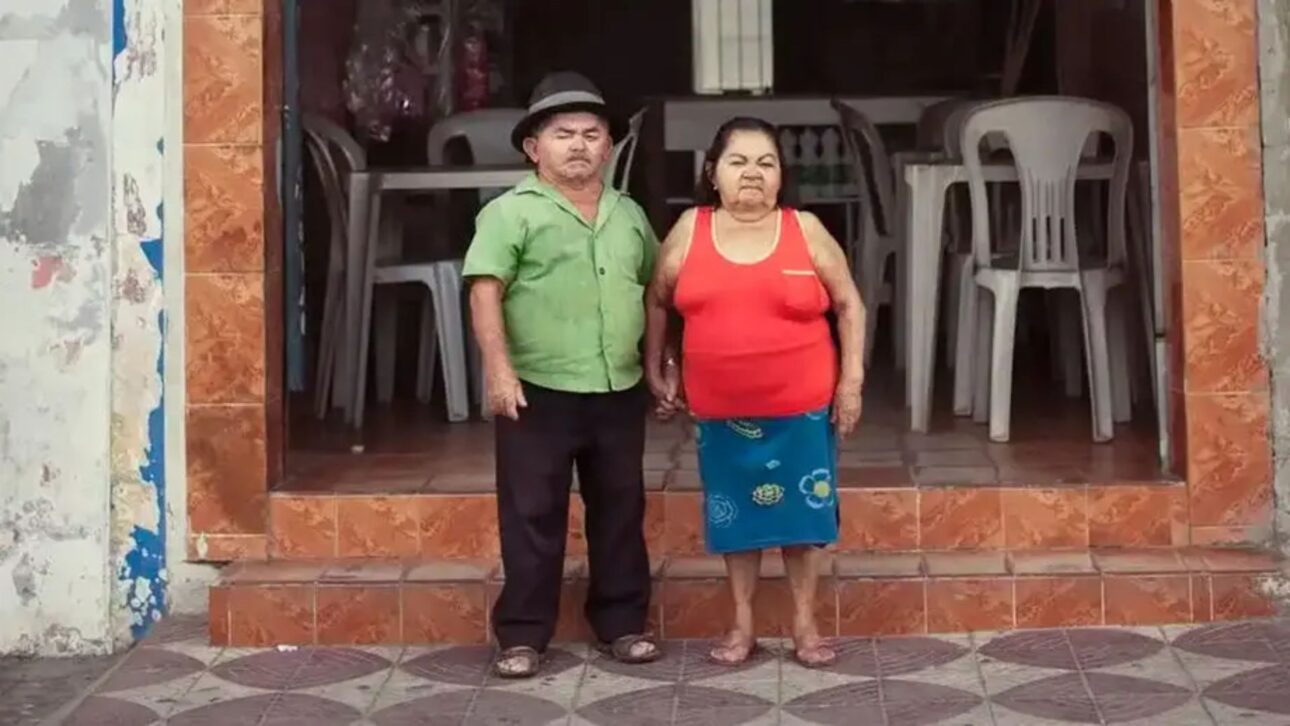
The “Doll-Like” Infantile Face, Pre-Pubescent Voice, And Some Central Adiposity Repeatedly Appear In Clinical Evaluations, As Do Atypical Metabolic Profiles — For Example, Higher Insulin Sensitivity — Accompanied By Cardiovascular Particularities That Have Been Studied For Years.
Another Point Frequently Highlighted By Researchers Is That Many Residents Have Never Received GH Replacement, Which Has Made The Group A Natural Model To Understand The Effects Of A Lifetime With IGHD.
This Circumstance Has Enabled Studies On Bone, Retina, Voice, Body Composition, And Cardiomtabolic Risk, Among Other Developments.
Carretéis, Isolation, And Family Transmission
Carretéis Is Identified As The Historical Focus Of The Mutation.
The Relative Isolation Of The Settlement, For A Long Time With Little Mobility And Strong Endogamy, Helped To Perpetuate The Variant In GHRHR.
As Families Grew And Interlinked Through Kinship, The Likelihood Of Carrier Couples Having Affected Children Increased, Which Explains The Unusual Concentration Of Cases In The Municipality.
At The Same Time, The Identification Of A Large Number Of Heterozygotes Also Attracted Scientific Attention For Allowing Studies Of Possible Subtle Effects In Carriers Of The Single-Dose Mutation.
National And International Impact
The Uniqueness Of Itabaianinha Resonated Beyond The Academic Sphere.
Since The 1980s And 1990s, The Story Has Appeared In TV Reports And International Press.
In Texts And Documentaries, The Italian Journalist Marco Sanvoisin Is Cited For Having Visited The City In The 1990s And Describing The Residents, In A Poetic Tone, As “Sweet And Different Creatures, Who Seem To Have Walked Out Of A Fairy Tale.”
The Phrase Sparked Curiosity And, At The Same Time, Discussions About Language And Stigmas.
The Reference Circulates In Recent Local Academic Works Of Memory And In Recent Outreach Articles.
Local Identity And Language Debate
Over Time, The Popular Nickname “City Of Dwarfs” Gained Strength In Culture And News Coverage, Although It Is Subject To Questioning Due To Its Stigmatizing Potential.
In Practice, Residents And Local Leaders Reinforce The Dimension Of Community Resilience And Advocate For Respect For Clinical Terminology, Such As IGHD Or Proportional Short Stature Of Genetic Origin.
Visibility, On The Other Hand, Has Driven Research, Medical Monitoring, And Public Debates On Inclusion, Accessibility, And Responsible Language Use When Portraying Groups With Rare Conditions.
What Is Known Today About Treatment And Perspectives


Hormone Replacement With Growth Hormone In Childhood Can Alter Height Trajectories, Reducing The Impact In Adulthood When Initiated In Appropriate Protocols.
In Itabaianinha, Health Policies And Greater Access To Specialists Have Increased The Number Of Children Evaluated And Treated Over The 2000s, Which Tend To Decrease The Prevalence Of Adults With Very Low Stature In New Generations.
Still, The Classic Cohort Remains Essential To Understanding The Long-Term Effects Of The Absence Of GH, Without Inappropriate Extrapolations To Other Forms Of Dwarfism.
Continuous Scientific Interest
The “Itabaianinha Syndrome” Remains Present In Scientific Reviews On Health, Metabolism, Aging, And Longevity In Individuals With IGHD, With Articles Signed By Sergipe Researchers Collaborating With International Centers.
These Works Synthesize Findings On Height, Body Composition, Voices, Teeth, And Bones, As Well As Cardiovascular Parameters.
The Well-Defined Genetic Basis And The Size Of The Cohort Make The Municipality A Rare Natural Laboratory With Value Beyond Endocrinology.
As The City Advances In The Public Debate About Respect And Inclusion, Science Continues To Gather Data From This Unique Set Of Families.
The Case Of Itabaianinha Helps The Country Understand, Without Stereotypes, How Genetic Factors And Social Context Combine To Shape Life Stories — What Do You Consider More Urgent In The Journalistic Coverage Of This Topic: Language, Health Policies, Or The Role Of Research?






-

-

3 pessoas reagiram a isso.