





 Portuguese
  English
  Spanish
  6 min of reading
  0 comments


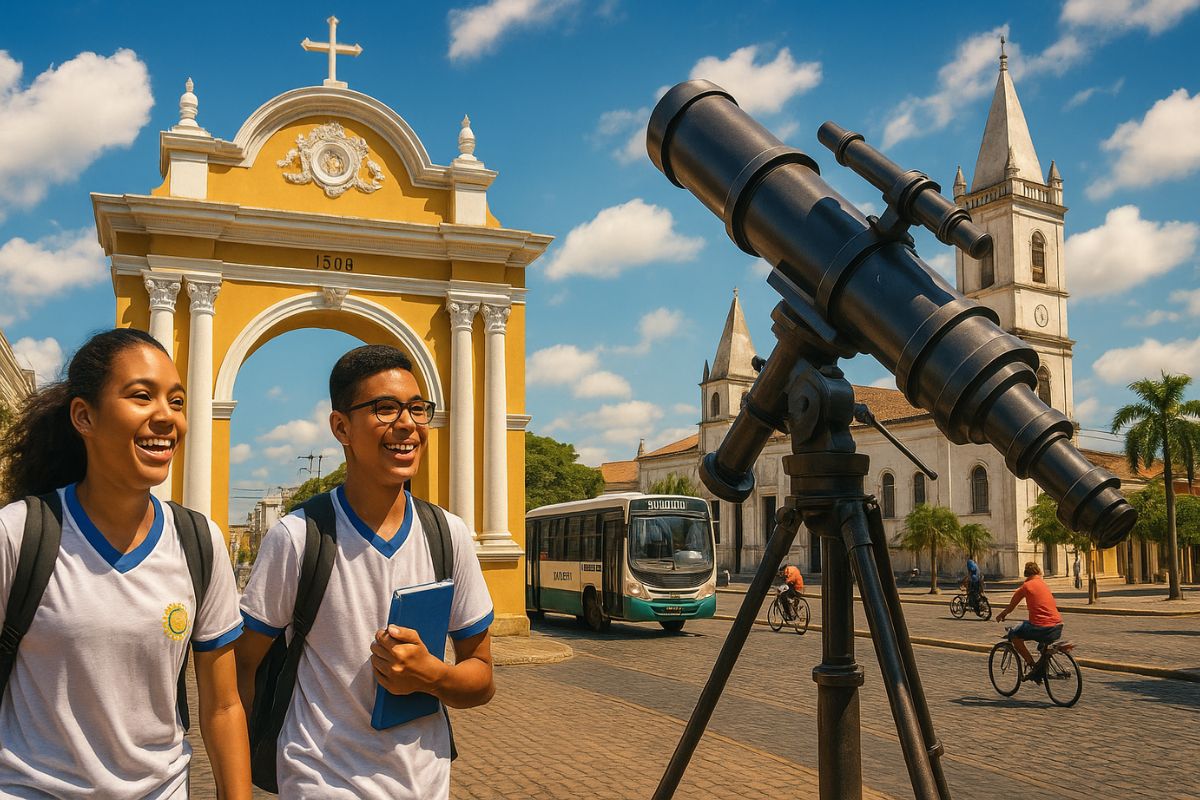
The Cearense City of Sobral United Excellence in Public Education, Preserved Historical Heritage, Active University Life, and Affordable Cost of Living, Becoming One of the Most Interesting Destinations in the Interior of Brazil for Residents and Visitors.
In the northern hinterland of Ceará, the Cearense city of Sobral has turned public education into a national and international showcase. The performance of the municipal schools has made the municipality a benchmark in educational policies, to the point of being regarded as an example when the topic is the learning of children and young people in the public network.
But Sobral is not limited to classrooms. The same Cearense city that appears in education rankings offers a well-maintained historic center, intense cultural agenda, growing university life, and infrastructure that improves the routine of those living there. For tourists, students, and workers, the combination of history, public services, and lower prices than those in the capital increasingly attracts attention.
Sobral, The Cearense City That Became a Benchmark in Public Education
Over the past few years, Sobral has consolidated its image as the greatest example of success in public education in the country. The municipal network has come to be observed by managers from other cities, researchers, and authorities seeking to understand how the Cearense city managed to raise the quality of teaching in a context of hinterland, semi-arid climate, and historical social challenges.
-
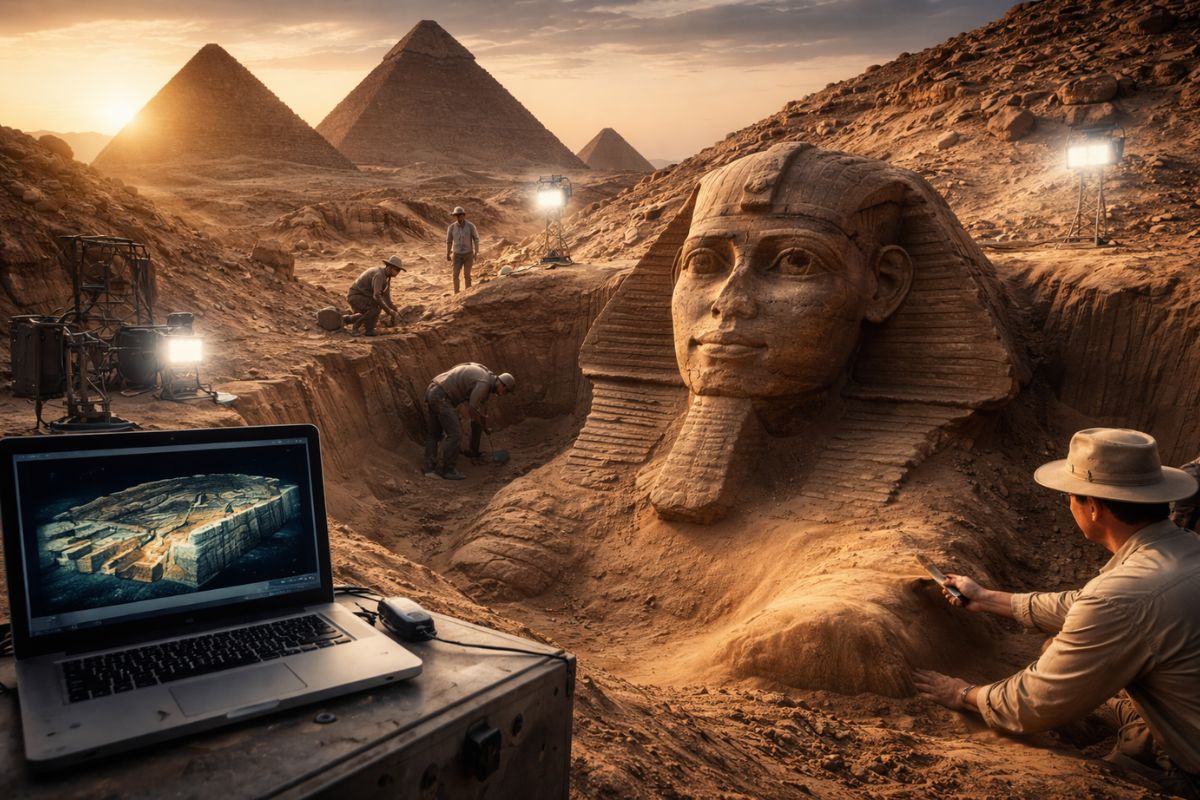
Italian researchers have detected what appears to be a second Sphinx buried under the sands of Egypt, and satellite scans reveal a gigantic underground megastructure hidden beneath the Giza Plateau for over 3,000 years.
-
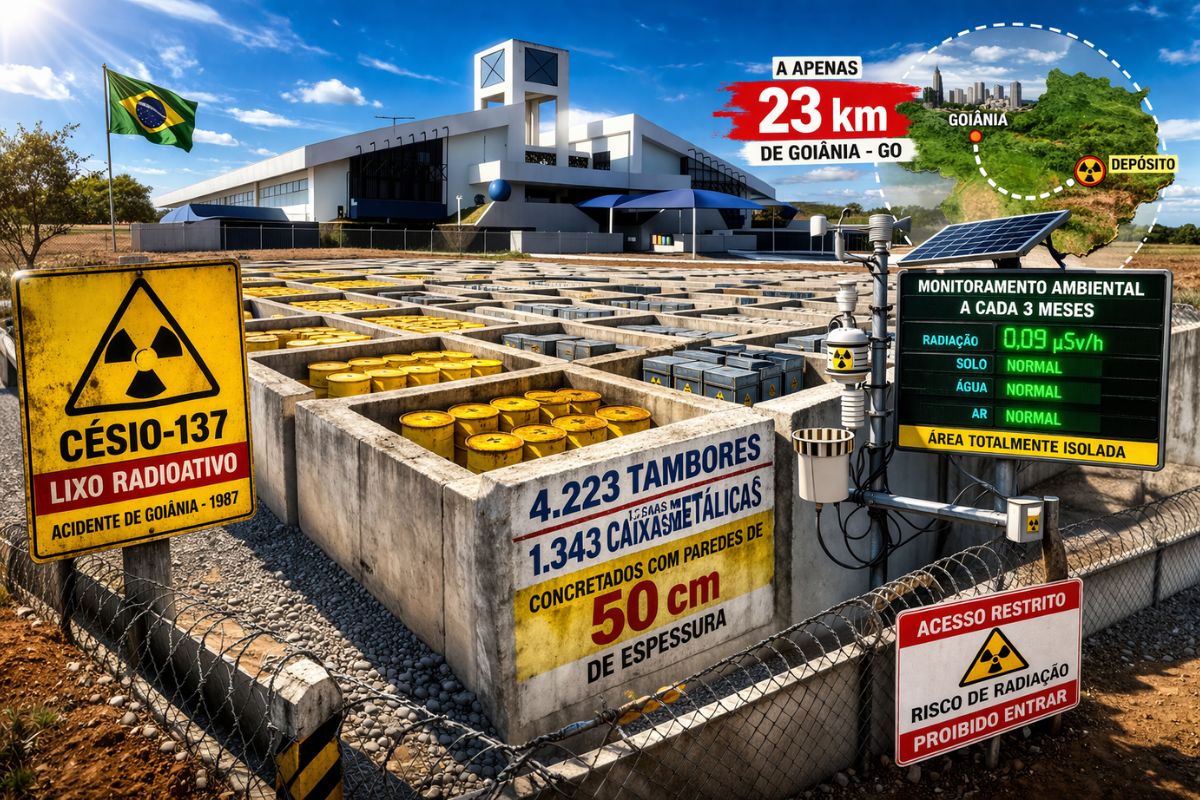
There are 4,223 drums and 1,343 metal boxes concreted with 50-centimeter walls that store the radioactive waste from Cesium-137 in the worst radiological accident in Brazil, just 23 kilometers from Goiânia, with environmental monitoring every three months.
-
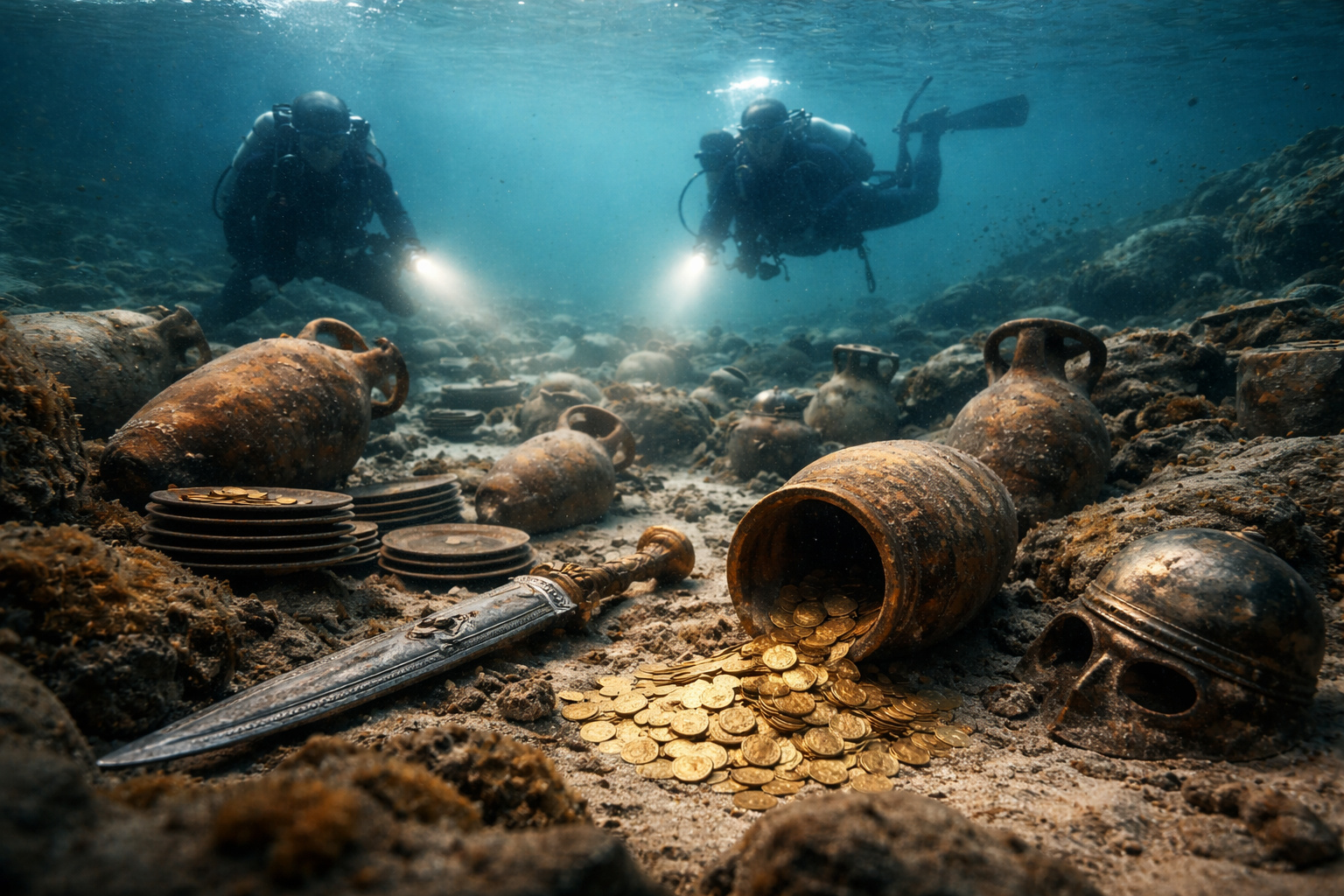
Giant Roman treasure found at the bottom of Lake Neuchâtel in Switzerland reveals an advanced trade system, circulation of goods, and armed escort in the Roman Empire about two thousand years ago.
-
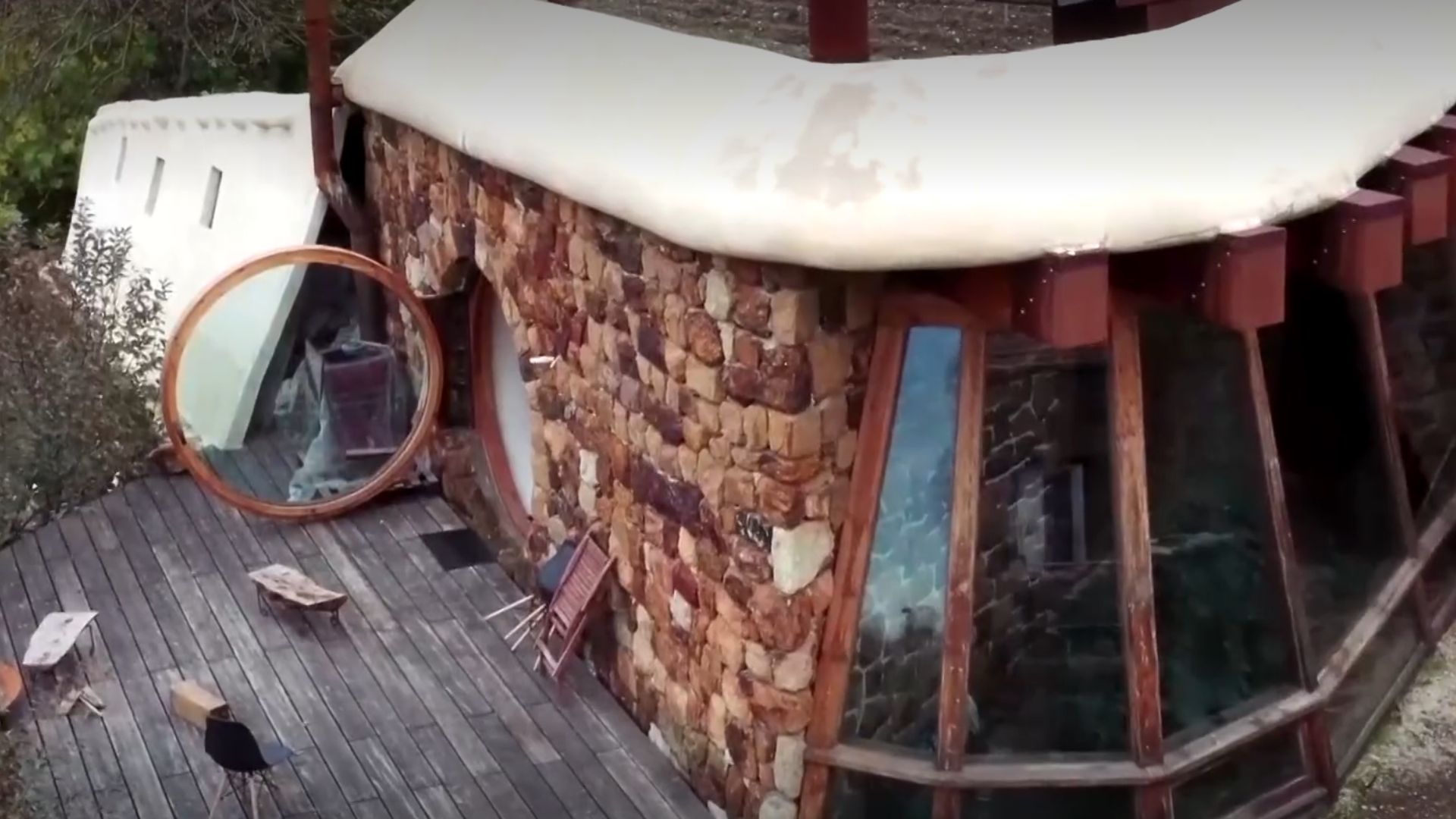
He buried 1,200 old tires in the walls to build his own self-sufficient house in the mountains with glass bottles, rainwater, and an integrated greenhouse.

This educational prominence is reflected in everyday life. The presence of universities and teaching institutes strengthens academic life, attracts students from other regions, and nurtures a culture of valuing schools as a path to social mobility.
For many families, living in the Cearense city of Sobral means having access to organized public schools and an urban environment that integrates full-time education, libraries, and learning spaces.
Tourist Spots That Tell the Story of the Cearense City
In addition to education, the Cearense city stands out for its historical heritage. Sobral has one of the most preserved historic centers in Ceará, with buildings that help recount the political, religious, cultural, and scientific trajectory of the municipality.
The Arco de Nossa Senhora de Fátima serves as a postcard right upon arrival and is an affectionate symbol for residents and visitors. The Teatro São João, one of the oldest and best-preserved in the state, reinforces the cultural tradition of the Cearense city, with shows, performances, and events that energize the local artistic scene.
Another highlight is the Museu do Eclipse, which preserves the memory of the scientific experiment conducted in Sobral that helped to validate Einstein’s Theory of Relativity. Few Brazilian cities can claim to have directly participated in such an important chapter in the history of science, giving Sobral a unique identity.
Walking through the historic center, observing the architecture, and visiting churches and squares allows one to understand why this Cearense city has been rediscovered by tourists interested in history, science, and culture.
Avenida Beira Rio and Life by the Acaraú
The routine of the Cearense city of Sobral also unfolds along Avenida Beira Rio, by the banks of the Acaraú River. The place is a meeting point for residents, featuring bars, restaurants, and spaces for walking, exercising, and outdoor gatherings.
At the end of the day, the area takes on a leisurely vibe, with families, friends, and students circulating, reinforcing the feeling of a lively and safe city in bustling areas. For newcomers, Beira Rio helps to understand the lifestyle of the Cearense city: strong ties to the river, typical hinterland heat, and intense use of public social spaces.
Sobral also hosts the Museu MADI, the only one of its kind outside Europe, which expands cultural offerings and connects the Cearense city to international artistic circuits.
Climate of the Cearense Hinterland and Best Time to Visit

The climate of the Cearense city of Sobral is semi-arid tropical, with strong sunshine and high temperatures practically year-round.
The so-called rainy season, the “Cearense winter”, concentrates between January and May, with more frequent rains that alleviate some of the heat but do not eliminate the high temperatures typical of the hinterland.
For those planning to visit the Cearense city as tourists, the second half of the year tends to be the best choice. During this period, the rains become rare and sunny days prevail, which makes it easier to explore the historic center, visit museums, and walk along Avenida Beira Rio.
At any time, however, the care is the same: light clothing, constant hydration, and a willingness to face the heat.
Affordable Cost of Living and Model City Infrastructure
One of the great advantages of the Cearense city of Sobral is the affordable cost of living compared to capitals like Fortaleza. As a university and industrial hub, the municipality offers robust infrastructure, with services, trade, health, and education well distributed, but without repeating the high prices of large metropolises.
Housing, food, transportation, and daily services tend to be cheaper, making the Cearense city particularly attractive to students, young professionals, and families seeking quality of life without giving up opportunities.
The combination of a good network of public services, economic growth, and lower prices is one of the pillars of local development, reinforcing the image of a model city.
According to recent estimates, Sobral has just over 203,000 inhabitants, with DDD 88 and a strategic location in the north of Ceará. The intermediate size helps balance the availability of services and the feeling of a medium-sized city, in which many people still know each other and traffic is more manageable than in the capitals.
Best Neighborhoods to Stay or Live in the Cearense City
For those visiting the Cearense city for the first time, the Center is usually the most practical choice. It concentrates a large part of hotels, commerce, services, and several of the main tourist attractions. Staying in this area makes it easier to walk around and allows one to enjoy the daily life of the historic core of Sobral.
When it comes to choosing where to live, other neighborhoods stand out. Junco is highly sought after for its good urban infrastructure, service offerings, and more modern profile.
Campo dos Velhos, a traditional and well-located neighborhood, attracts those seeking a balance between history and practicality. The central region itself remains a great alternative for those who want to be close to everything and reduce daily commutes.
Pedrinhas appears as a growing area, with new developments and potential for appreciation. In practice, what is observed is a Cearense city in transformation, with established neighborhoods and others expanding, keeping pace with Sobral’s economic and educational dynamism.
Cearense City in Motion: Between the Future of Education and the Real Life of Its Residents
When looking at Sobral today, it is clear that the Cearense city has successfully gathered well-structured public education policies, preserved historical heritage, an active cultural scene, and a competitive cost of living.
This set explains why the municipality has transitioned from a case study in education to a desired destination for those seeking to live, study, or invest in the northeastern interior.
In a scenario with so many cities competing for attention, the question remains simple and direct: which aspect of this Cearense city attracts you the most, the benchmark public education, the historical heritage, or the cost of living that truly makes you think about living in Sobral?










-

-

-

-

-

14 pessoas reagiram a isso.