





 Português
  Inglês
  Espanhol
  4 min de leitura
  0 comentários


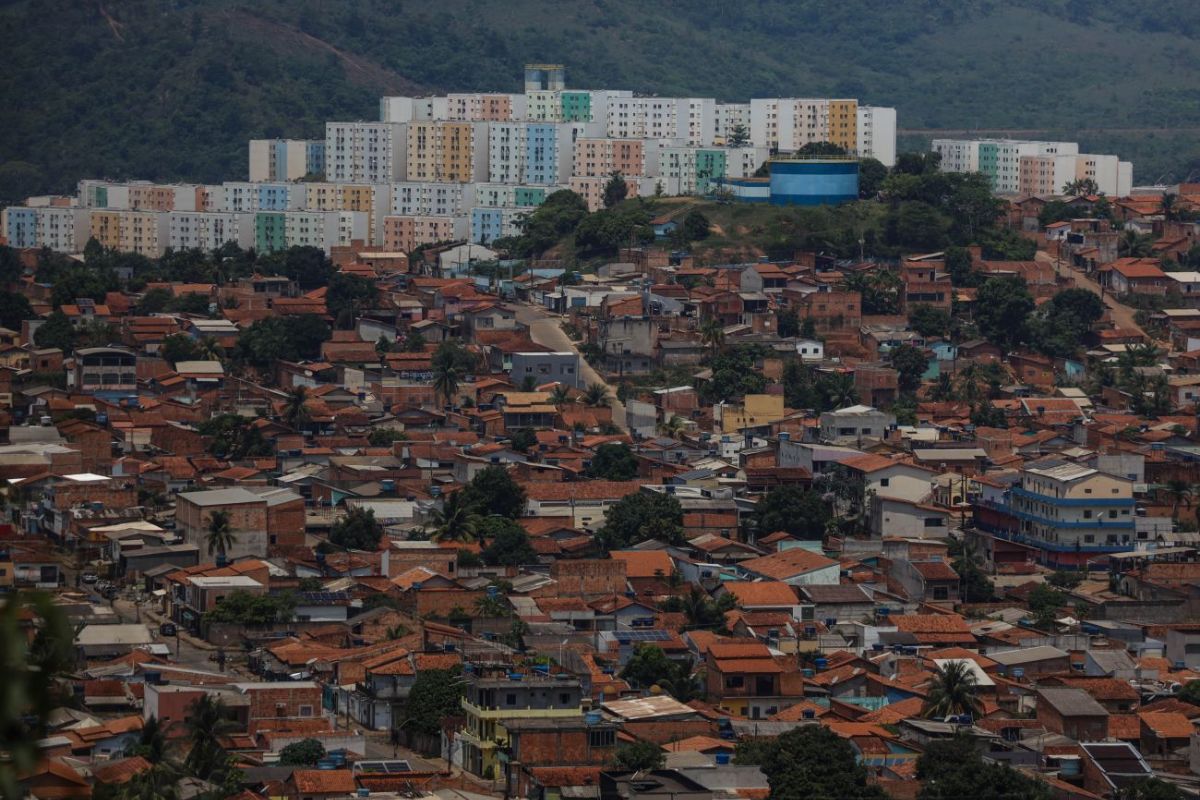
Home to the World’s Largest Iron Ore Mine, the City of Minerals in Pará Has One of the Highest Per Capita GDPs in the Country, But Coexists with Poverty and an Expiration Date: 2045.
In the heart of the Pará Amazon, there is a city built on a paradox. Parauapebas, the City of Minerals, was born and grew in the shadow of Vale’s Carajás Mine, the largest open-pit iron ore mine on the planet. This wealth that springs from the ground gives it one of the highest per capita GDPs in Brazil and a billion-dollar budget.
However, this opulence contrasts with a reality of deep social inequality, lack of basic services, and an existential challenge: the ore that sustains it has a date to run out. The story of Parauapebas is a case study on the “resource curse” and the race against time to build a future that survives the end of mining.
The Wealth That Springs from the Ground: The Largest Mining Revenue in Brazil
The numbers from Parauapebas reflect economic power. In 2021, the municipality registered an impressive per capita GDP of R$ 227,449, one of the highest in the country. The main source of this wealth is mining royalties (CFEM), which ensure the city hall a billion-dollar annual budget.
-
The world’s first octopus farm wants to open in the Canary Islands and is already provoking an international reaction: the plan aims to produce 3,000 tons per year.

-
Drought may be creating stronger superbugs in the soil and helping antibiotic resistance reach hospitals, warns a study highlighting a problem that could grow alongside extreme weather.

-
The biggest scam in history: Napoleon’s France deceived the United States by selling them a territory that was Spanish.

-
Why is the Danakil Desert so dangerous? It has unstable terrain and how extreme temperatures and toxic gases turn the region into one of the most hostile environments on Earth.

Just in 2024, the city collected R$ 1.295 billion in royalties. However, this extreme dependence on mining is a double-edged sword. With the drop in ore prices, the forecast for 2025 is already a 37% decline in revenue, a clear sign of its economic vulnerability.
Where the Billions from Mining Do Not Reach
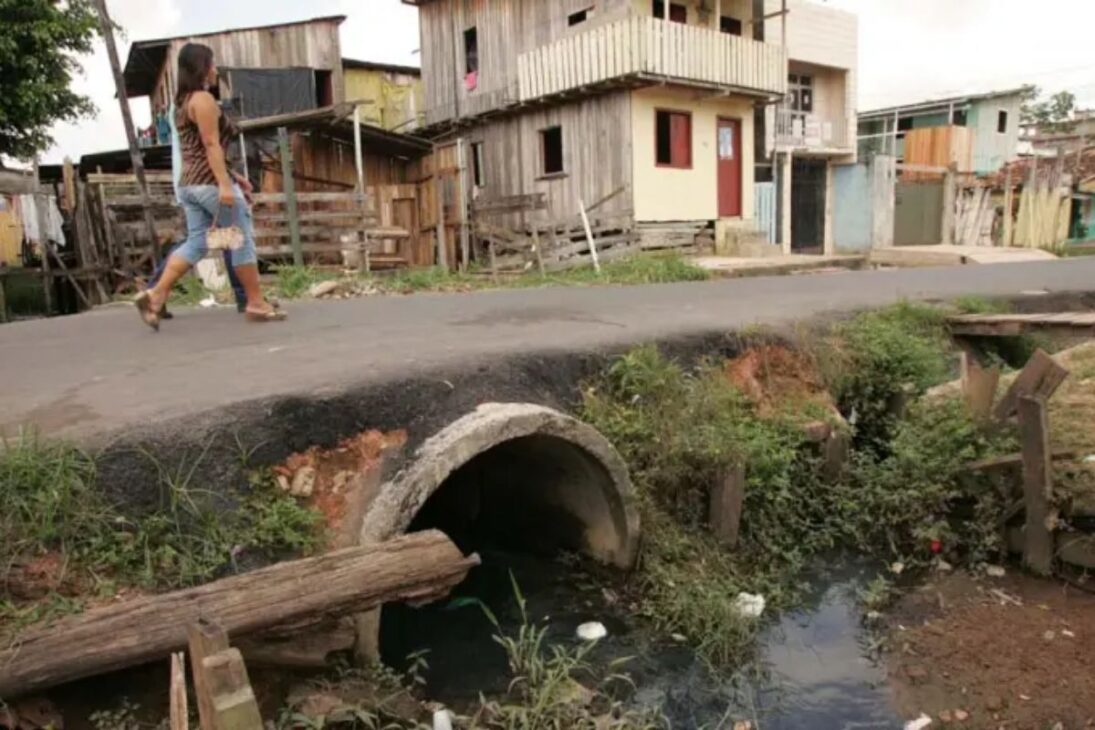
Despite immense wealth, a significant portion of Parauapebas’ population lives in extreme poverty. In 2023, 14.2% of residents were in a situation of extreme poverty. The infrastructure deficit is the truest portrait of this inequality.
Only 12.28% of the population has access to the sewage collection network, and just over half (51%) receive treated water. This means that, in practice, the sewage of over 234,000 people is dumped into the environment untreated. The city has one of the richest budgets in the country, but fails to provide the basics.
The Engine with an Expiration Date: The Carajás Mine and the Announced End by 2045
All of the economy of the City of Minerals revolves around the Carajás Complex, operated by Vale. The mine is a global giant, responsible for about 60% of all iron ore that Brazil exports. However, this engine has an expiration date.
Reports from Vale itself, sent to international regulatory agencies, are clear: iron ore reserves in Parauapebas will be depleted by 2045. This date is not a pessimistic estimate but a final deadline that already considers the exploration of new fronts and even the reuse of tailings. The countdown to the end of the mineral cycle has already begun.
The Uncertain Future of the City of Minerals and Vale’s Pivot to Canaã dos Carajás
To worsen the situation, Vale is already executing its plan for the future, and it is not centered in Parauapebas. The company is shifting its investments and focus of operations to the neighboring municipality of Canaã dos Carajás, where the modern and gigantic S11D complex is located, whose ore reserves are more than double those remaining in Parauapebas.
As a result, the City of Minerals lives under the shadow of what happened in Serra do Navio, Amapá. The city, which was also a mining hub, collapsed economically and socially when the resource was depleted and the responsible company left, leaving behind a legacy of unemployment and abandonment.
The Race Against Time for a Future Without Mining


The survival of Parauapebas depends on its ability to use its current wealth to build an economy that does not rely on mining. There are plans for the development of agriculture and bioeconomy, and the service sector has been growing.
However, the reality is that mining still accounts for 84% of the city’s GDP. Analyses of the municipal budget show that most of the royalties are consumed by the public machine, and almost nothing is strategically invested in economic diversification projects. The City of Minerals is aware of its expiration date, but with each passing year, the window of opportunity to build a sustainable future closes a little more.








-

-

2 pessoas reagiram a isso.