





 Portuguese
  English
  Spanish
  4 min of reading
  3 comments


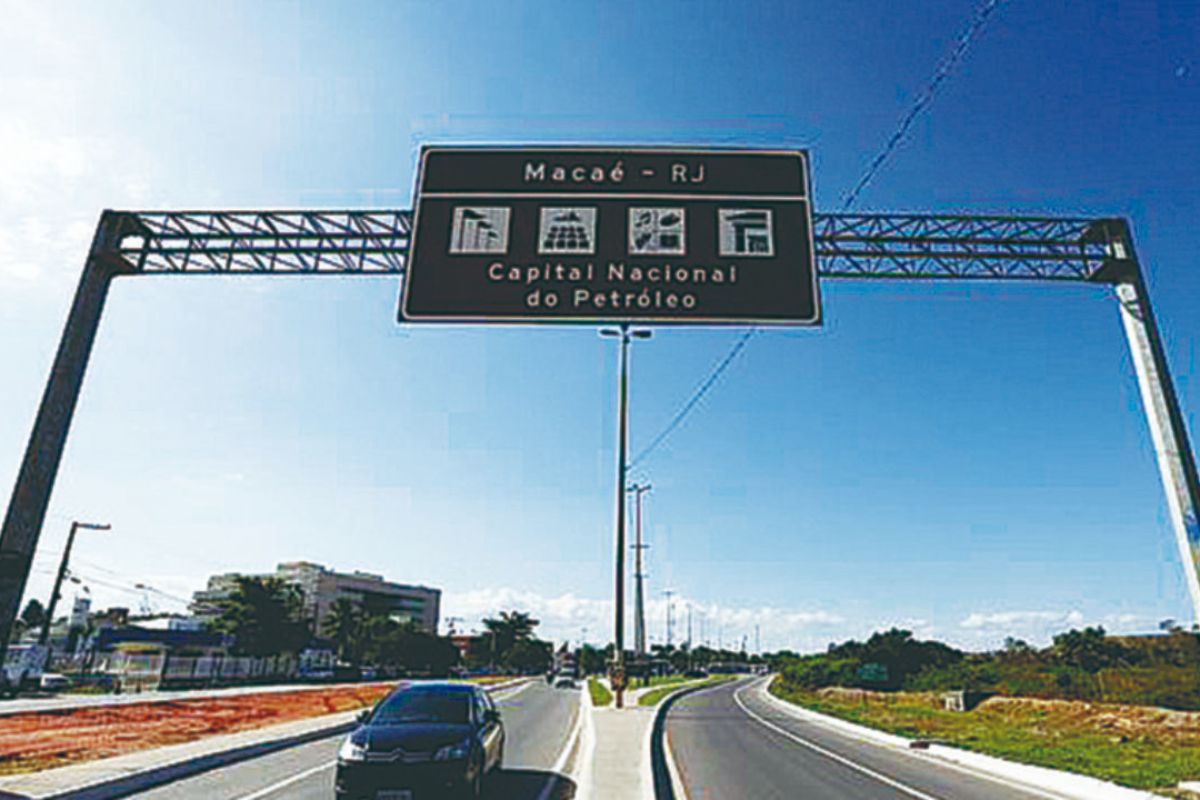


Driven by the Campos Basin Since the 1970s, the Brazilian Oil City Lives Between the Wealth of Royalties and the Challenges of Inequality, Concentrating Most of the Country’s Offshore Industry.
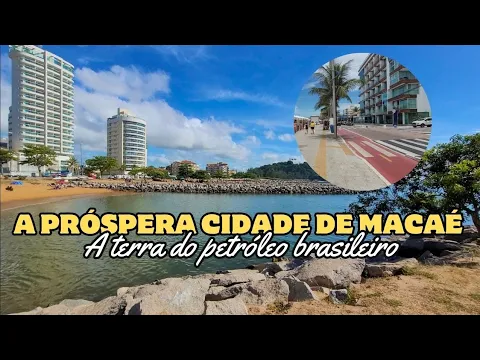
Macaé, on the northern coast of Rio de Janeiro, is much more than just a beach town. It is the beating heart of the oil and gas industry, being the most famous Brazilian oil city. Known as the “National Capital of Oil”, the city transformed from a quiet municipality into a global energy hub, all thanks to the gigantic oil reserves discovered in the ocean, in the so-called Campos Basin.
This is the story of how the city was born, grew explosively, and today is experiencing a new cycle of optimism. A trajectory marked by the wealth of royalties, high salaries, and a unique concentration of companies, but also by profound social contradictions and the challenges of depending on a single, volatile industry.
The Beginning of Everything: The Discovery of the Campos Basin in the 1970s
Before oil, Macaé relied on agriculture and fishing. Everything changed when Petrobras, after years of research, confirmed the existence of a true treasure beneath the sea. The zero mark of this revolution was August 13, 1977. On that date, commercial production began in the Enchova field, the first to gush oil in the Campos Basin.
-
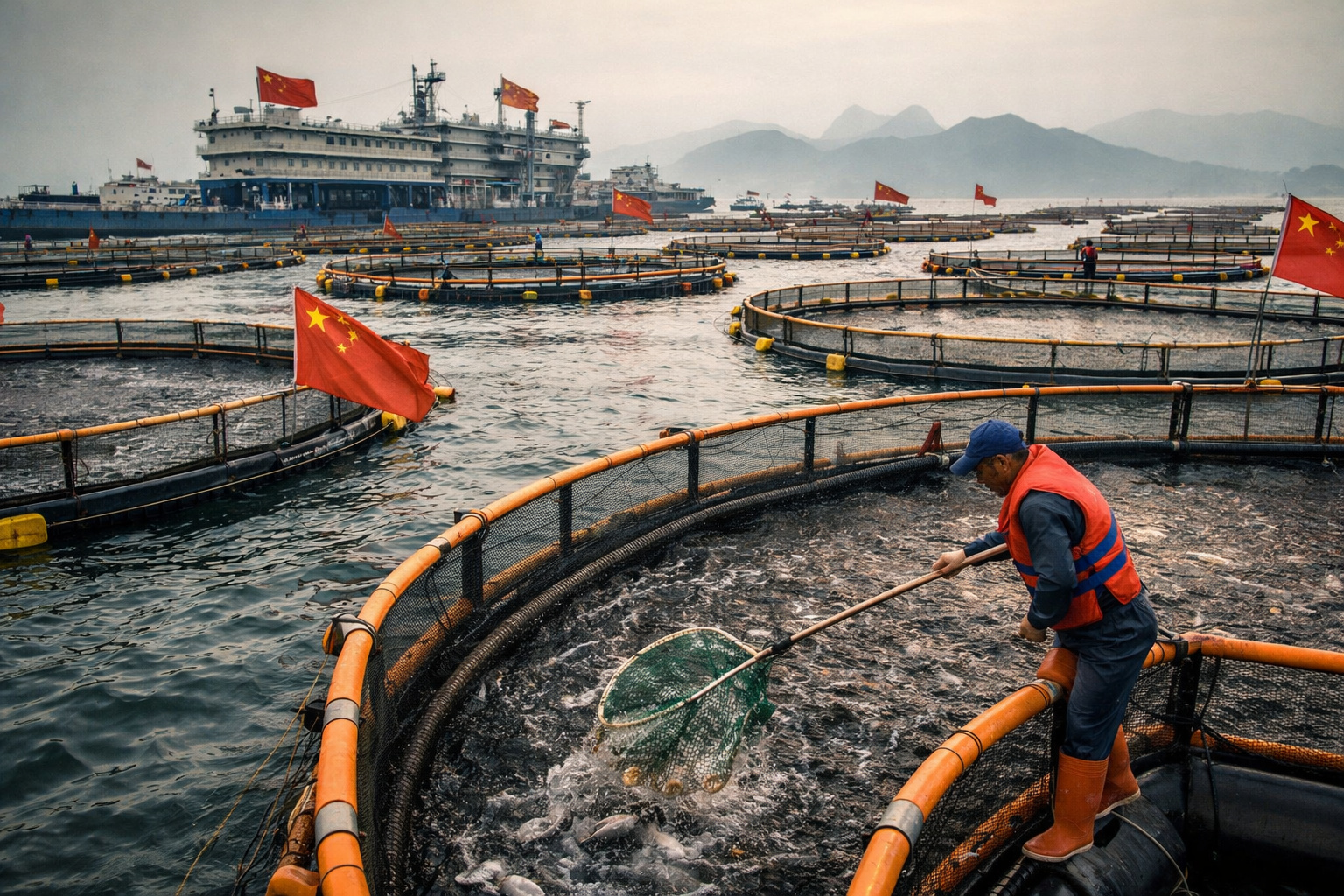
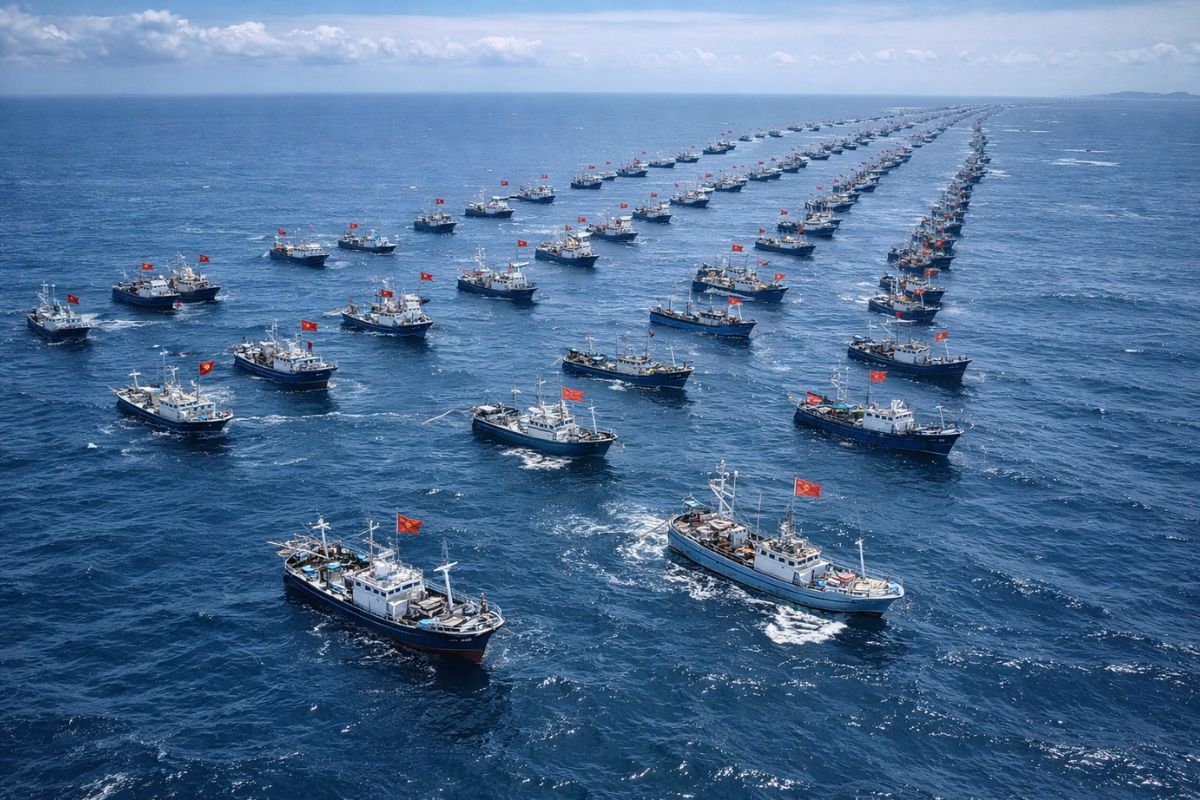
Neither Brazil nor the USA: China produces over 60% of the world’s farmed fish and accounts for about 40% of all global seafood, using industrial-scale aquaculture megafarms to influence the international market and supply billions of people.
-
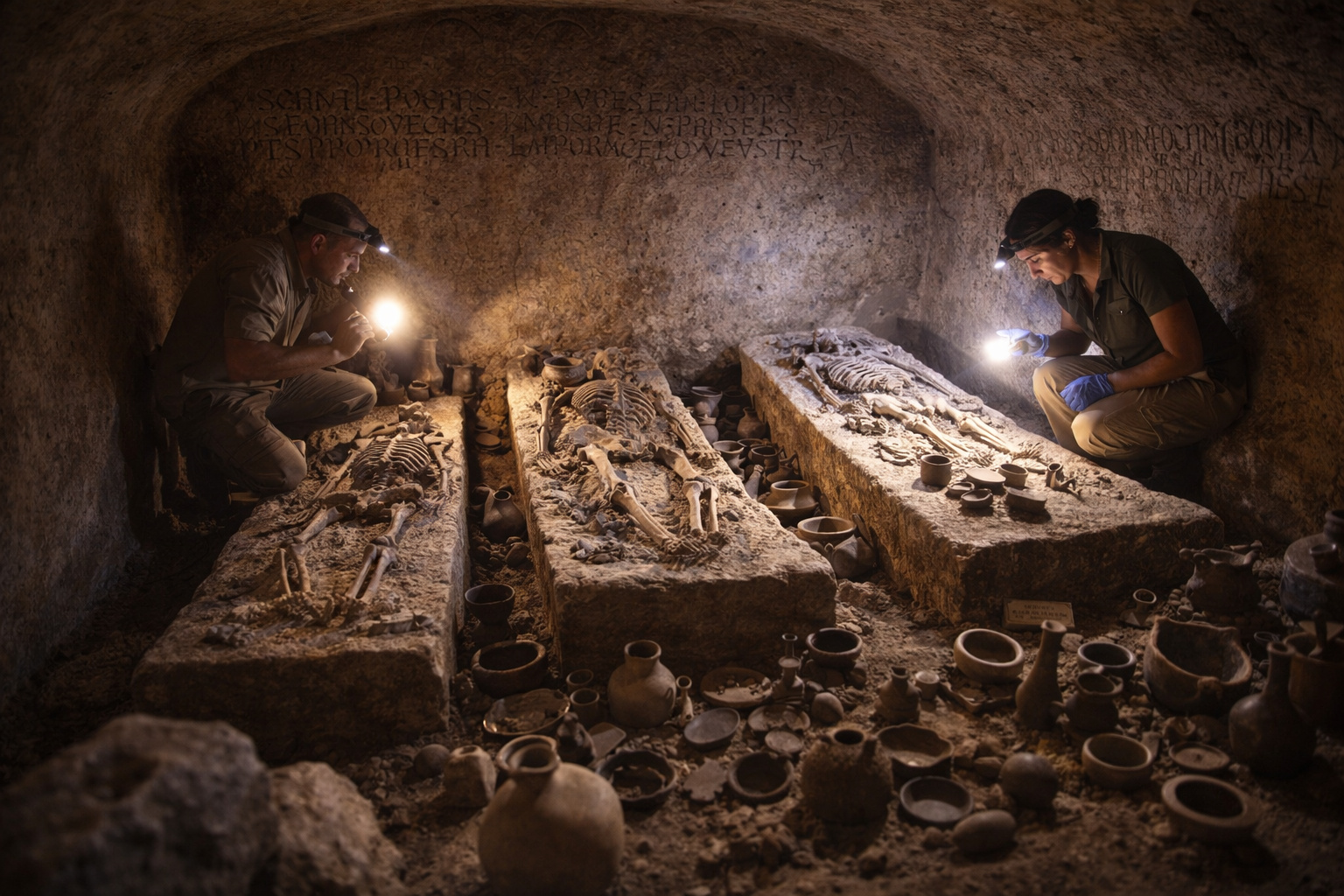
Archaeologists opened the only Etruscan chamber never looted in 2,600 years and found four individuals lying on stone beds with 110 intact objects around them, and the inscriptions found in the tomb have not yet been deciphered because the Etruscan language is a mystery that science has not yet solved.
-
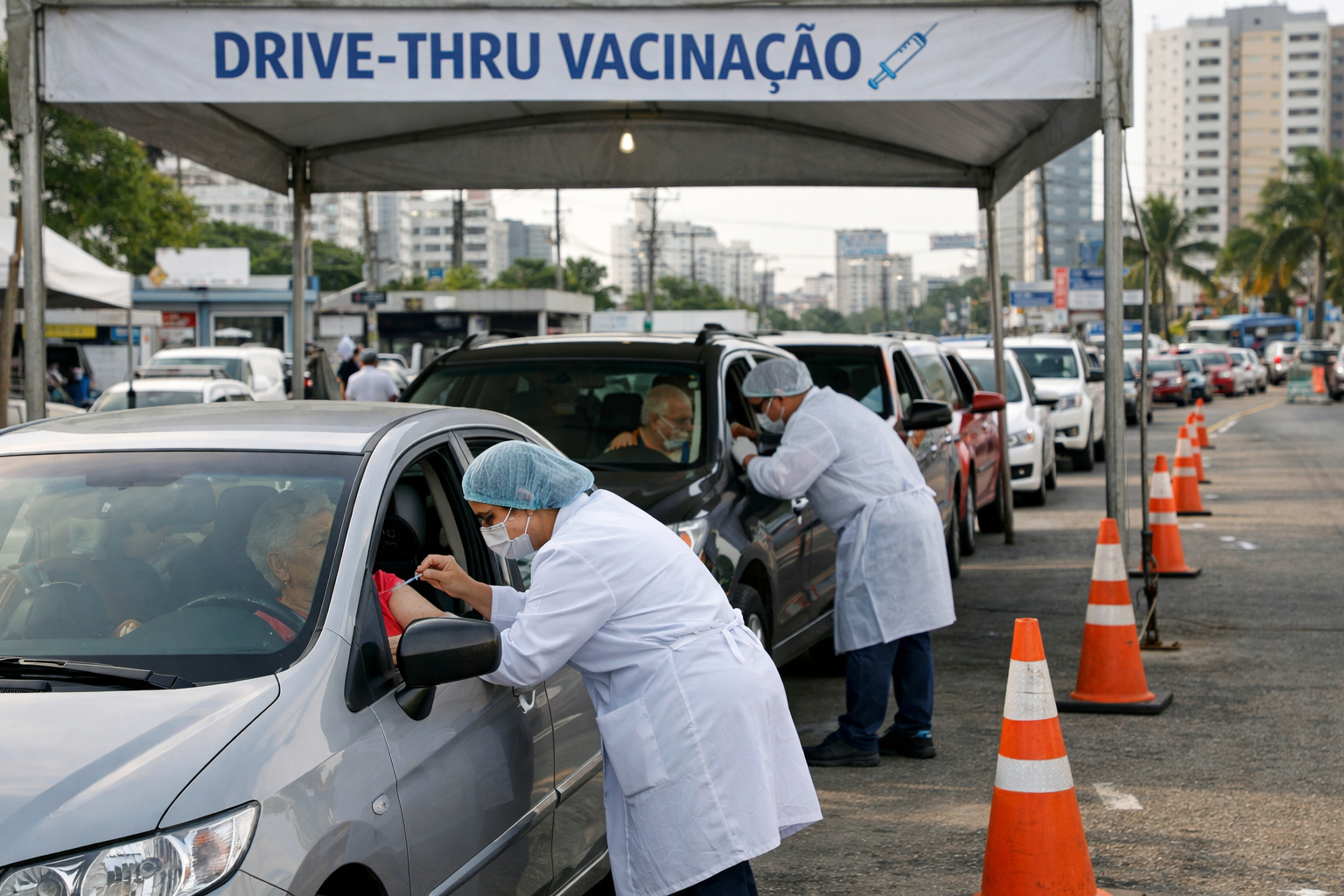
Health issues urgent alert for flu and calls for the vaccination of the elderly, children, and pregnant women this Saturday with Day D and drive-thru in Curitiba.
-
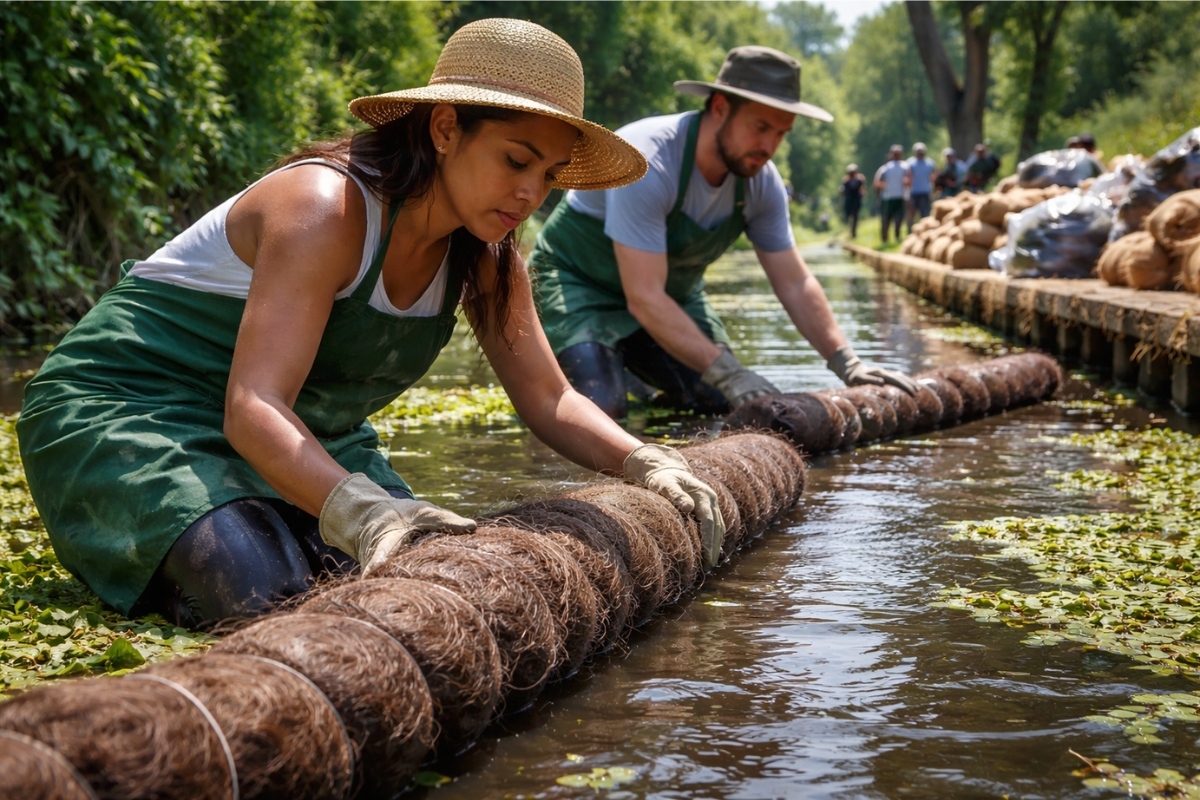
What seemed like waste has turned into a barrier, and now human hair collected from salons helps retain debris in the water of ancestral channels in Latin America.

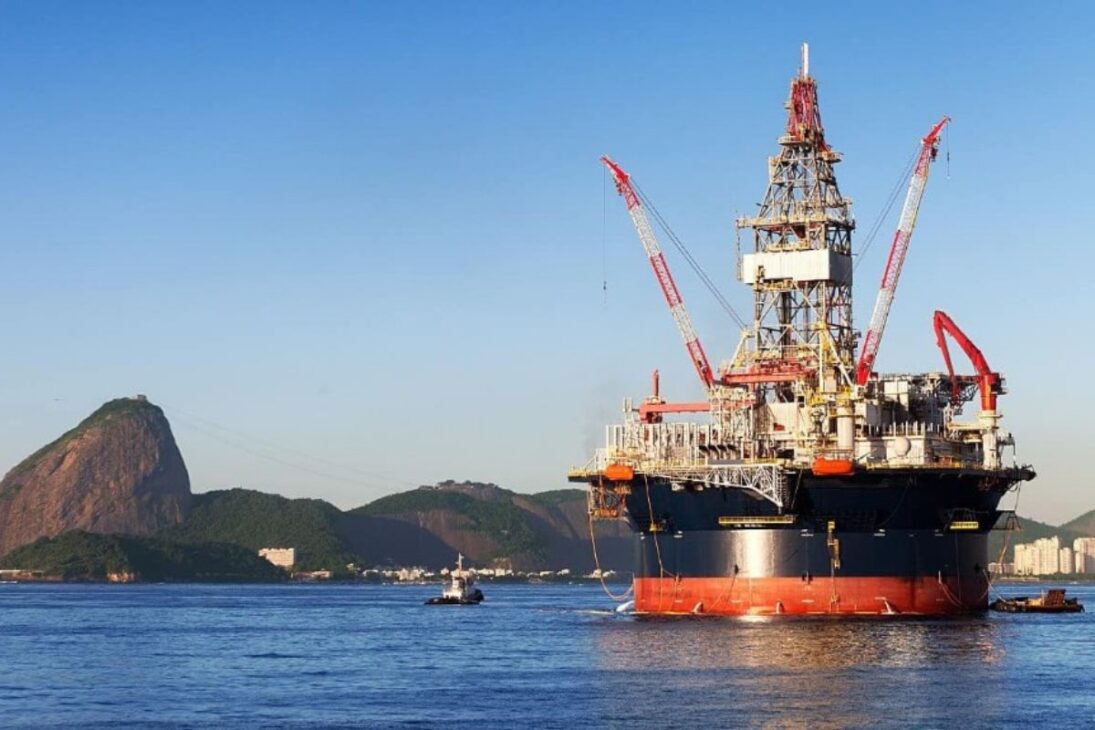
To enable production, Petrobras needed to innovate. One of the most important technologies was the Early Production System (SPA), which allowed for faster extraction of oil using floating platforms while definitive structures were being built. This agility was crucial to turn geological promise into a multi-billion-dollar business.
The Transformation of Macaé: From Coastal Village to a Global Industrial Hub
With offshore production in full swing, Petrobras needed a base on solid ground. In 1978, Macaé was officially chosen as the headquarters for the Campos Basin operations. This decision acted like a magnet. In the following years, over 4,000 companies, from giant multinationals to small service providers, settled in the city to meet the industry’s demands.
The result was an unprecedented demographic explosion. Macaé’s population soared from about 65,000 people in 1970 to over 246,000, according to the 2022 Census. This accelerated and often chaotic growth brought enormous urban challenges, creating a city with infrastructure struggling to keep pace with its own expansion.
Wealth and Inequality in the Brazilian Oil City
There is no doubt that oil has brought immense wealth to Macaé. Royalties, a compensation paid for oil exploration, inject billions into the municipality’s coffers — in 2022 alone, the city collected R$ 1.44 billion. This is reflected in economic indicators: in 2021, Macaé had the highest average salary in Brazil, with 5.9 minimum wages.
However, this prosperity hides a deep social inequality. Data from the IBGE in 2021 showed the paradox: while a minority earned extremely high salaries, 31.5% of the population lived on less than half a minimum wage per person. The wealth generated by oil was not distributed evenly, creating a city of contrasts, with pockets of poverty coexisting alongside the opulence of the industry.
The Infrastructure That Connects the City to the Sea: Port, Airport, and Highways
To support the gigantic offshore operation, specialized infrastructure was built. The Macaé Airport became the largest helicopter base in Latin America, serving as an air bridge that transports thousands of workers to the platforms every day. The Port of Imbetiba, in turn, was the maritime link, ensuring the delivery of supplies and equipment to the high seas.
On land, the connection is mainly made via the BR-101 highway. For decades, the road was a logistical bottleneck, but duplication works, starting in 2024, seek to modernize this vital artery, essential for the flow of products and for the safety of those traveling in the region.
The Future of Macaé: A New Cycle of Billion-Dollar Investments

After a period of crisis in the sector, the Brazilian oil city is experiencing a moment of rebirth. Petrobras announced an investment plan of up to US$ 22 billion by 2028 to revitalize the Campos Basin. The goal is to use new technologies to increase production from the older fields, extending their lifespan by decades.
The results have already appeared: in 2023, after eight years of decline, production in the basin began to grow again. Looking towards the future, Macaé is also starting to position itself beyond oil. The city is a strategic hub for natural gas and explores its potential for renewable energy projects, such as offshore wind, seeking to ensure that its future is as dynamic as its history.




Parabéns pela matéria.
Olha fiz curso de plataformistas, operador de sonda, cbsp, huet, mergulo ate 20 mt, e não consiguir emprego, porque eu não tinha indicação, ou tinha que pagar alguem , para queimar a CTPS,l e vergonhoso e ridiculo, e ainda mais temos que pagar uma pensão, almoço, e jantar pois pagarmos carissimo pelos cursos, e muitos vem de outras cuidade mais e verdade, ou tinha que arrumar uma pessoa para levar seu documento para empresa.
Macaé: favelas, violência e desigualdades.