





 Portuguese
  English
  Spanish
 5 min of reading
  4 comments


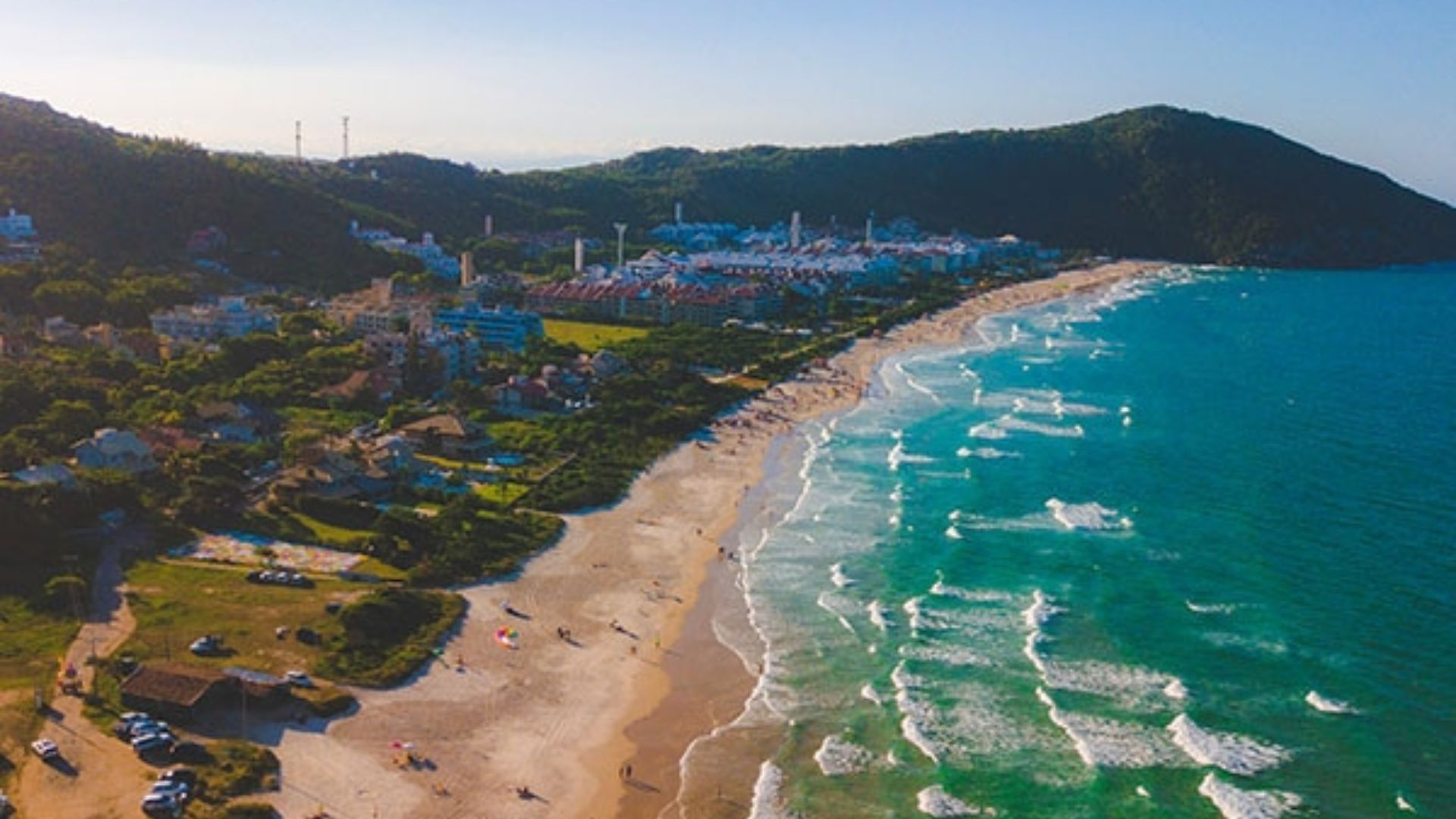


Brazilian Destination That Combines Beaches, Preserved Areas, Historical Heritage, and Urban Routine in a Primarily Insular Capital, Recognized for Its Diverse Landscapes, the Presence of Restored Fortresses, and the Constant Challenge of Balancing Tourism, Population Growth, and Environmental Preservation in the Same Territory.
Florianópolis, the capital of Santa Catarina, has once again appeared in travel reports and content as the “most beautiful city in Brazil” in 2025, driven by the combination of sea, preserved areas, and an urban daily life that operates on an island.
The city has an estimated population of 587,486 inhabitants, according to IBGE, and occupies a large part of the territory on the Island of Santa Catarina, connected to the mainland by bridges.
With sought-after beaches, trails, and Atlantic Forest landscapes, Floripa also features a historical center with old constructions and a set of fortresses that have come back under the radar of visitors after restoration works and access improvements in some areas.
-
Friends have been building a small “town” for 30 years to grow old together, with compact houses, a common area, nature surrounding it, and a collective life project designed for friendship, coexistence, and simplicity.

-
This small town in Germany created its own currency 24 years ago, today it circulates millions per year, is accepted in over 300 stores, and the German government allowed all of this to happen under one condition.

-
Curitiba is shrinking and is expected to lose 97,000 residents by 2050, while inland cities in Paraná such as Sarandi, Araucária, and Toledo are experiencing accelerated growth that is changing the entire state’s map.

-
Tourists were poisoned on Everest in a million-dollar fraud scheme involving helicopters that diverted over $19 million and shocked international authorities.


The same Florianópolis that attracts surfers and families on the shore is also the one that welcomes those seeking museums, markets, and heritage tours.
Privileged Geography Shapes the Daily Life of the Capital
The geography explains part of the appeal. Florianópolis combines a rugged coastline, lagoons, and hills close to the sea, creating very different landscapes within a few kilometers.
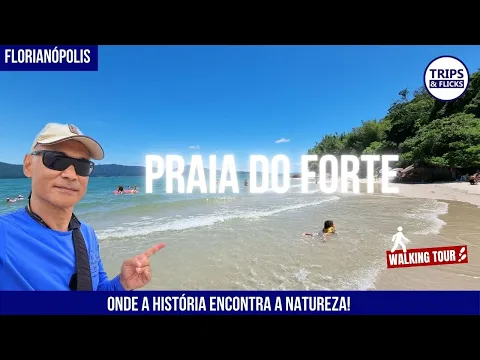

While the north of the island has beaches with intense tourist infrastructure, areas in the south and east preserve greener sections and help sustain the image of a nature destination.
This balance, however, is not automatic.
The city deals with pressures typical of a tourist hub, such as urban growth and demand for services, while maintaining significant portions of its territory under environmental protection rules and conservation units.
This arrangement is reflected in municipal instruments and in areas officially recognized as protected, such as the Municipal Natural Monument of Lagoa do Peri, linked to the preservation of ecosystems and controlled public use.
The 42 Beaches and the Symbolic Weight of the Number
The idea that Florianópolis has 42 beaches is one of the most repeated marks in promotional materials and in the tourist imagination.
In practice, the count varies according to criteria.
There are studies and local records that indicate a much higher number, and the very discussion about the total has become a recurring theme in surveys and publications about the city.
Therefore, when the topic is “42 beaches,” the data often serves more as a cultural and tourist reference than as a definitive inventory.
Still, the expression remains popular because it helps synthesize the diversity of the coastline in a city with many stretches of sand, cliffs, and coves.
Upwelling and the Water Temperature
Another trait associated with the experience in Florianópolis is the water temperature, often described as colder than in destinations in other regions of the country.
One of the explanations cited in oceanographic and scientific communication content is the phenomenon of upwelling, when deeper, colder waters reach the surface under certain wind and coastal dynamics conditions.
In practice, this can influence the thermal sensation of sea bathing and reinforce the identity of the Santa Catarina coastline.
The effect is not constant across all beaches at the same time but occurs frequently enough to be part of the repertoire of those visiting the island.
Historical Center Preserves Urban Memory

The tour outside the beach typically begins in the Center, where the city preserves buildings associated with different phases of occupation and urban development.
The region brings together traditional points of circulation, commerce, and services, as well as historic buildings that interact with the daily lives of residents who work and study there.
In this scenario, the Public Market remains a reference for those wanting to observe the local rhythm.
Surrounding it, squares and old buildings help compose the historical narrative of the capital and serve as a gateway to understand the island’s occupation and the strategic role the region played throughout the colonial period.
Restored Fortresses Expand Cultural Tourism
Military history is concretely present in the set of fortifications built to protect the Island of Santa Catarina.
The Fortaleza de São José da Ponta Grossa was handed over restored in 2022 following work coordinated by Iphan, with an investment of nearly R$ 7 million.

In addition to this, other structures associated with the 18th-century defensive system continue in cultural and tourism operations, managed by the Federal University of Santa Catarina.
The administration by the UFSC is cited as part of the model that links preservation, research, and visitation.
In more isolated areas, such as the Fortaleza de Santo Antônio de Ratones, the experience changes tone.
Traveling by boat and the island environment reinforce the sensation of visiting a historical site amidst the natural landscape.
Weather Influences Visitor Planning
Florianópolis has more pronounced seasons than many coastal destinations in the country.
In summer, the heat and humidity favor beach days and increase traffic on access routes.
In winter, temperatures drop, and the sea tends to get even colder, but the city gains attractions related to gastronomy, trails, and local events.
Between April and May and also between October and November, the mid-season typically offers milder weather and fewer crowds, which affects costs and travel.
Sustainability Between Discourse and Practice
The association between Florianópolis and sustainability is linked to the presence of protected areas and the touristic value of the natural landscape.
The city houses conservation units and preservation areas that function as legal barriers against disordered occupation.
At the same time, the urban reality imposes permanent challenges, especially when it comes to swimmability and environmental quality.
Official monitoring of bathing conditions reinforces the necessity for updated information before choosing beaches.
Even with these tensions, Florianópolis remains a showcase of a model where nature, heritage, and urban life are constantly intertwined.
The capital that houses dense neighborhoods and commercial regions still keeps trails, parks, and fortresses just minutes away.
What will this coexistence between growing tourism and preservation demand from residents, visitors, and managers in the coming years?









Florida era linda – até tornar-se quase insuportável por causa dos excessos da construção, do mau saneamento, do trânsito insuportável, da perda de vegetação nativa. Uma lástima.
Florianópolis é um lugar de natureza aprazível, porém não tem controle do poder público sobre a preservação ambiental. Também não atua nas condições básicas da população, já que em raros pontos da ilha há rede de esgoto funcionando. O que resulta em praias muito poluídas, cheias de gente, preço extorsivo nos serviços, juntando-se à um transito caótico. Os habitantes sofrem durante os períodos de temporada, já que o governo local preocupa-se apenas em aumentar a arrecadação com o turismo, que está em esgotamento.
A cidade pode ser bonita…mas o povo é ****…
Estão fazendo publicidade pra restaurar o turismo, que despencou vertiginosamente, por culpa do povo, que é muito soberbo.