





 Portuguese
  English
  Spanish
 4 min of reading
  1 comment


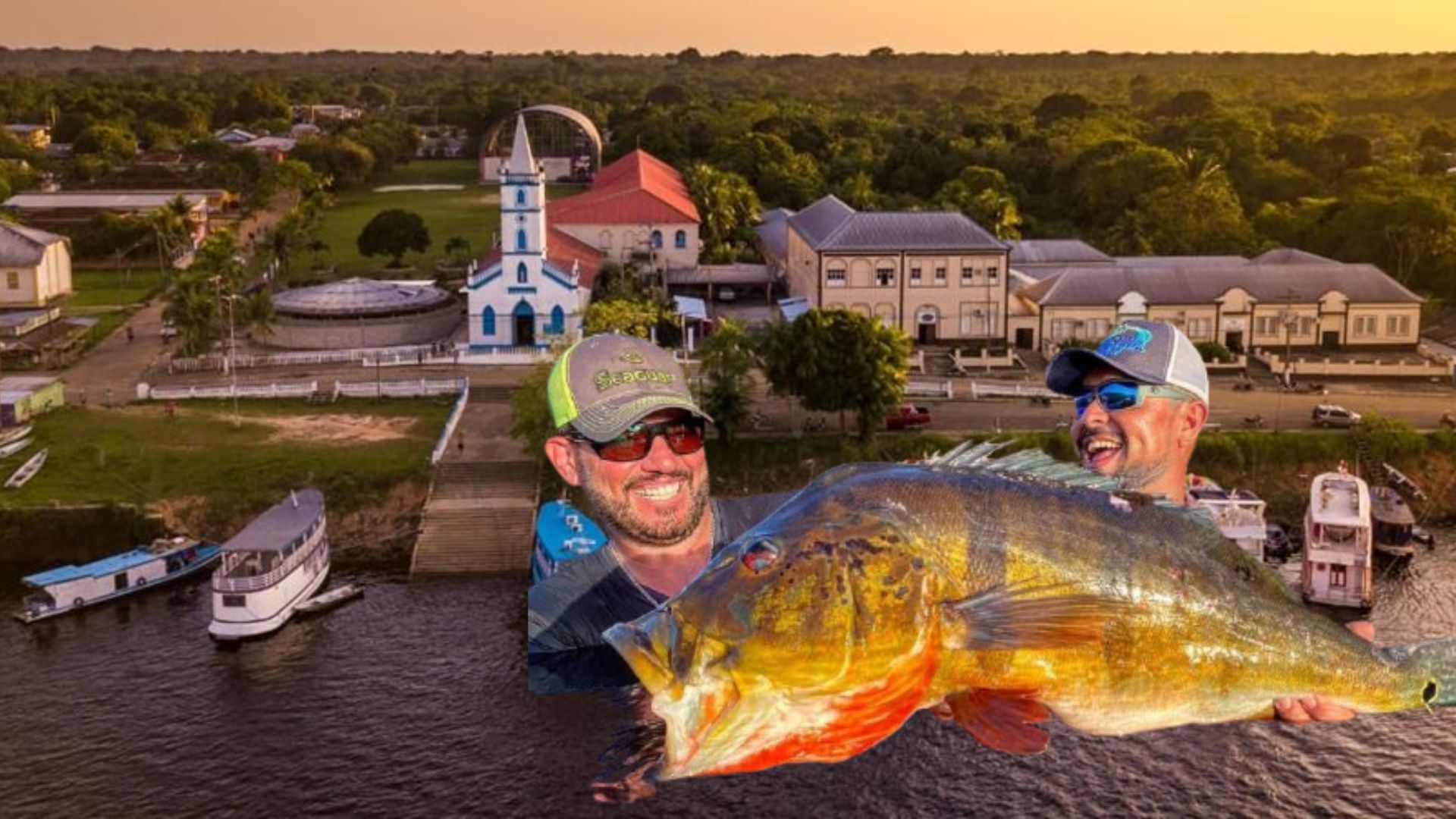


Situated on the banks of the Negro River, Barcelos combines extreme isolation, unique biodiversity, an economy based on sport fishing, and one of the most impressive territories of the Brazilian Amazon
Barcelos is a Brazilian municipality located in the state of Amazonas, in the Northern Region of Brazil, and stands out for being one of the most isolated cities in the country. With limited and practically non-existent access by road, the municipality depends almost exclusively on river and air transport to maintain its connection with the rest of the state. This characteristic, while imposing severe logistical challenges, has helped preserve much of its forest, rivers, and natural ecosystems.
Located on the banks of the Negro River, one of the most important rivers in the Amazon basin, Barcelos is approximately 400 kilometers from Manaus, the state capital. The city is surrounded by a vast expanse of virtually untouched Amazon rainforest, making it a prime destination for those seeking direct contact with nature and experiences related to ecotourism.
According to information released by specialized portals in geography and Amazonian tourism, based on regional surveys widely used in studies about the Amazon, Barcelos is the largest municipality in Brazil by territorial extension, surpassing entire states in area. Nevertheless, its population is relatively small, which reinforces its profile as a remote and sparsely urbanized city.
-
The Argentine government celebrates the lowest poverty rate in 7 years, but experts warn that the methodology has changed, real wages have fallen, unemployment has risen, and the number of people on the streets of Buenos Aires has increased by 57% since Milei took office.

-
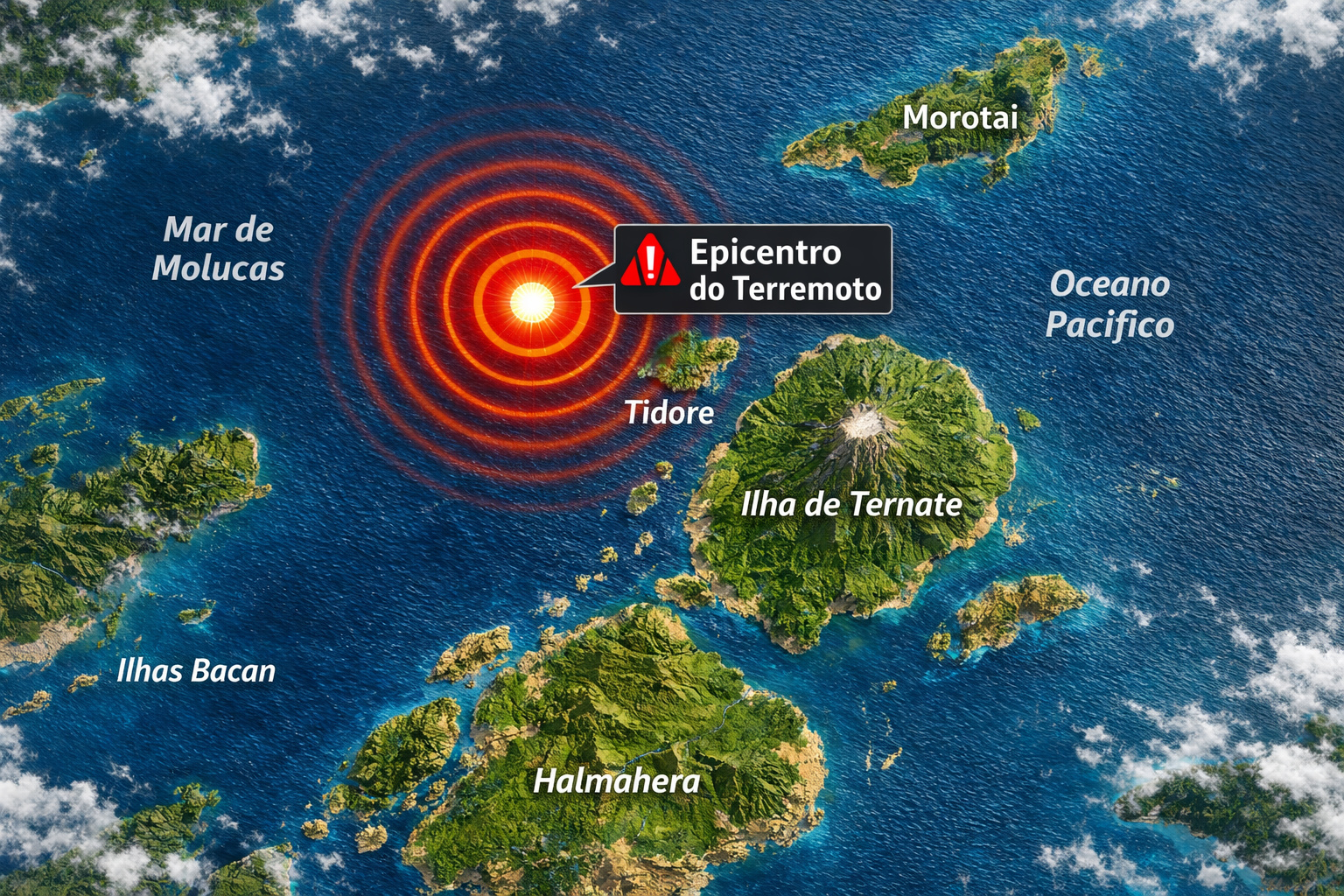
7.8 magnitude earthquake in Indonesia frightens the population, triggers tsunami alert, and hits an island with over 200,000 inhabitants this Thursday.
-
Google will finally let you change that embarrassing Gmail address you created in your teenage years without losing any accounts, logins, or old emails: the feature is already available in the United States.

-
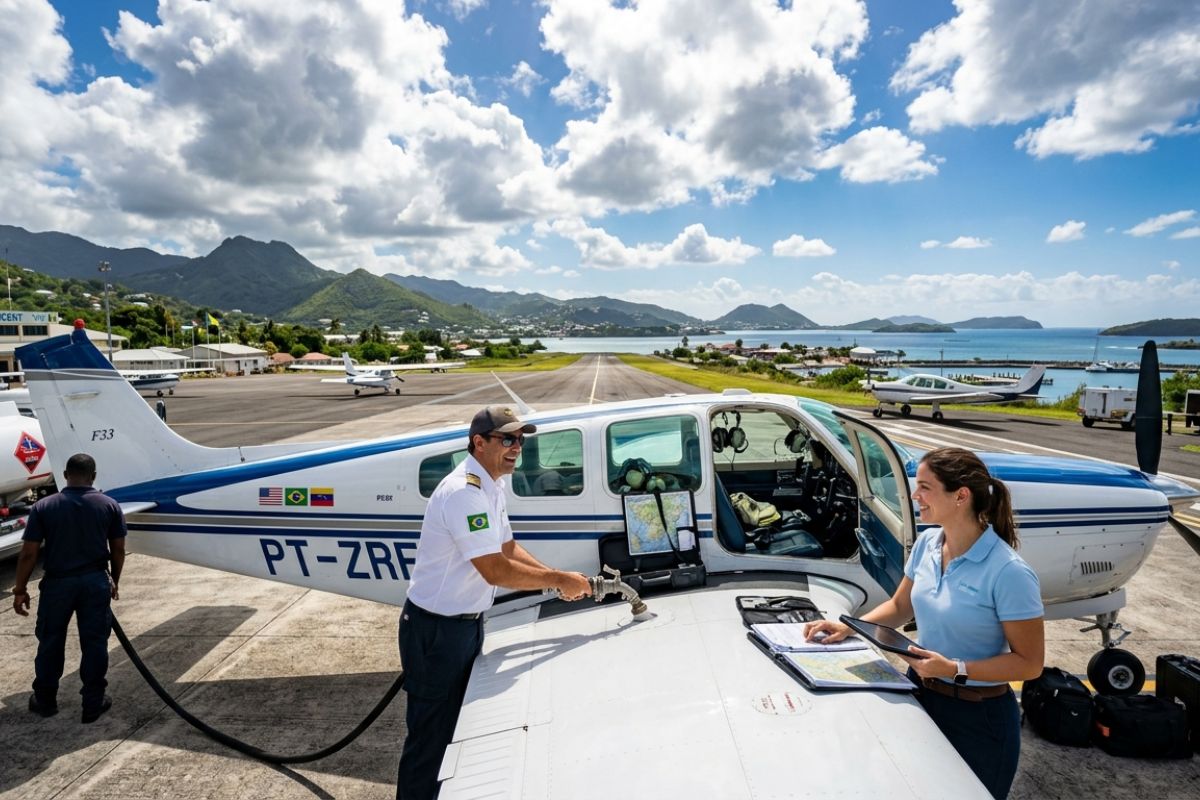
Heading to Brazil in a Bonanza F33 single-engine aircraft: a couple departs from Florida on a visual flight, makes technical stops in the Caribbean to refuel and organize paperwork, and begins the staged crossing until they reach the country.

World Capital of Tucunaré and International Reference in Sport Fishing

With an estimated population of around 27 thousand inhabitants, Barcelos possesses typical characteristics of municipalities in the interior of the Amazon. However, despite its small population size, the city has gained international recognition by becoming one of the top sport fishing destinations in the world.
Barcelos is globally known as the world capital of tucunaré, the symbol fish of the region, highly valued by sport fishermen. Every year, tourists from Brazil and abroad visit the municipality seeking the fishing experience in preserved rivers, especially for large species found in the Negro River basin.
In addition to sport fishing, the local economy also relies on ecological tourism. The region is home to a vast diversity of birds, fish, mammals, and plants, many of which are rare or endemic to the Amazon. This natural setting turns Barcelos into a true open-air laboratory for researchers, nature photographers, and ecotourism enthusiasts.
At the same time, traditional activities such as the cultivation of Amazonian fruits, especially açaí, and the extraction of forest products such as latex and nuts continue to play a significant role in the local economy, maintaining sustainable practices inherited from previous generations.

Mariuá Archipelago and Biodiversity Make Barcelos an Ecological Treasure
One of the greatest natural treasures of the municipality is the Mariuá Archipelago, located near Barcelos. Considered the largest river archipelago in the world, Mariuá has more than a thousand islands, spread along the Negro River, forming an ecosystem of global ecological importance.
This region is home to an impressive biodiversity, with unique species of animals and plants from the Amazon. The combination of dark water rivers, river islands, and dense forest creates a highly preserved and sensitive environment, making the archipelago one of the most studied locations by environmental researchers.
Moreover, Barcelos plays an important role in the export of ornamental fish, an activity that significantly contributes to the local economy. Species like discus fish are captured in a controlled manner and exported to various countries, placing the municipality among the top exporters in this segment in the Amazon.
These economic activities, when well managed, help generate income without significantly compromising local ecosystems, reinforcing the importance of balancing environmental preservation and economic development.
Extreme Isolation, Social Challenges, and a Little-Known Brazil
On the other hand, the geographical isolation of Barcelos imposes considerable challenges on the population. Access to the city is mainly by boat or plane, as there are no roads connecting Barcelos to Manaus. River travel can take days, depending on river conditions, while air transport is limited and costly.
This reality directly affects access to essential services such as health and education, as well as raising the cost of living, since many products must be transported over long distances. As is the case in other Amazonian municipalities, the distance from large urban centers influences daily life and the opportunities available to the local population.
Still, these same characteristics make Barcelos a true hidden gem of the Amazon. The city represents a profound Brazil, where rivers replace roads, the forest sets the rhythm of life, and biodiversity remains as a preserved heritage.
Thus, Barcelos is not only one of the most isolated cities in Amazonas but also a symbol of the natural, cultural, and environmental wealth that still survives far from the country’s large urban centers.









Vcs estão mal informados. O maior município, em área, do Brasil, é o município de Altamira no Pará.