





 Portuguese
  English
  Spanish
 4 min of reading
  0 comments


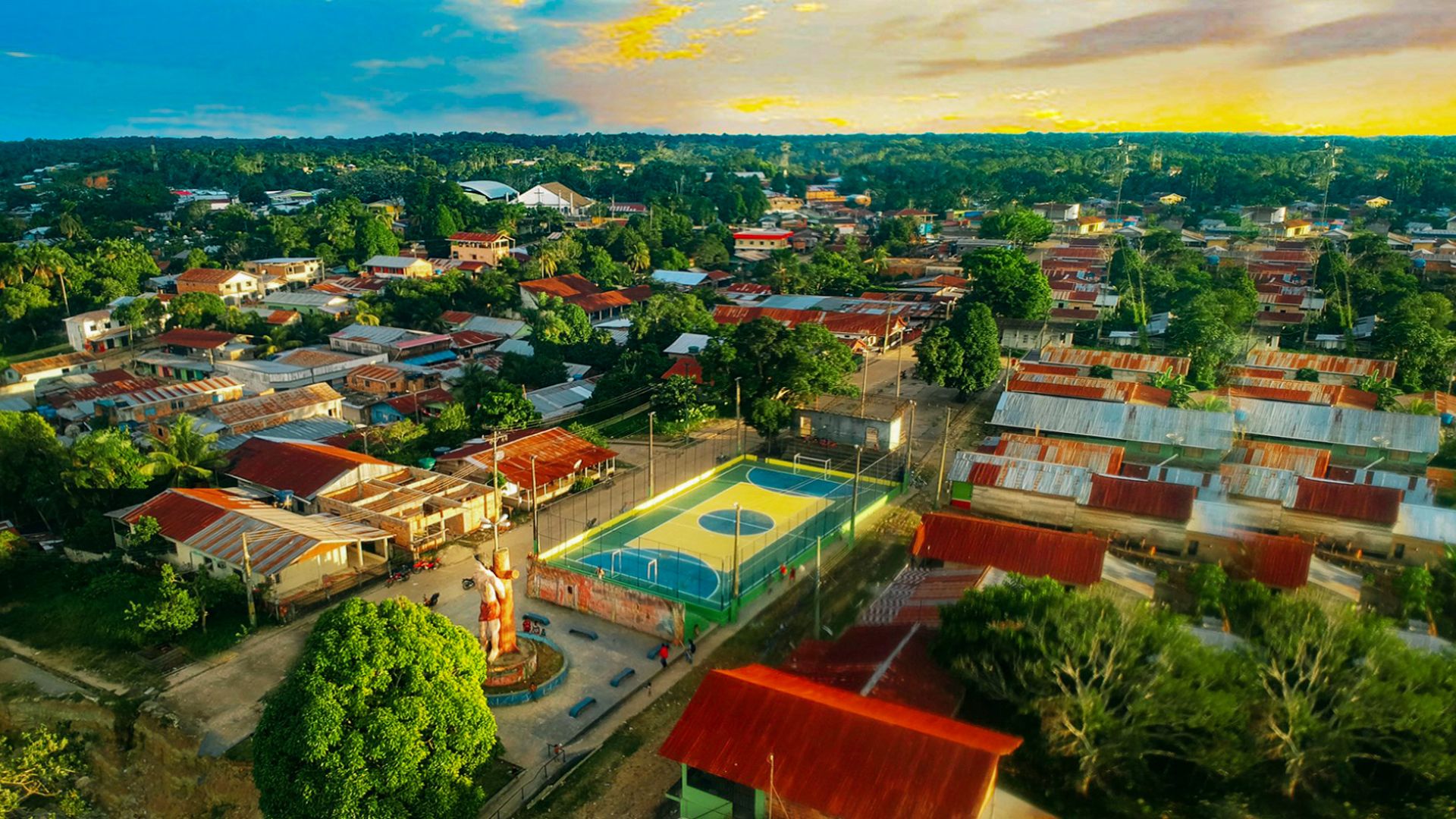
Municipality in the Interior of Amazonas Lives Outside the National Road Network, Depends on Rivers and Planes to Survive, and Faces High Prices and Daily Logistical Challenges
Located in the far west of Amazonas, Atalaia do Norte is considered one of the most isolated cities in Brazil. Unlike most Brazilian municipalities, it has no road connections to the rest of the national territory, relying exclusively on river transport via the Amazon rivers or regional flights for the entry and exit of people and goods.
According to data from the Brazilian Institute of Geography and Statistics (IBGE), the municipality is outside the national road network, which imposes logistical challenges rare in the country. The extreme isolation directly impacts the daily lives of the population, the local economy, and, mainly, the cost of living, which can be significantly higher than in cities connected by roads.
A City Where Trucks Cannot Reach

Atalaia do Norte is situated on the banks of the Javari River, in a region that is difficult to access in the Amazon. Without highways, there are no trucks bringing food, fuel, or construction materials. Everything that arrives in the city depends on long boat trips, which can take several days, or air transport, which is much more expensive.
-
The Argentine government celebrates the lowest poverty rate in 7 years, but experts warn that the methodology has changed, real wages have fallen, unemployment has risen, and the number of people on the streets of Buenos Aires has increased by 57% since Milei took office.

-
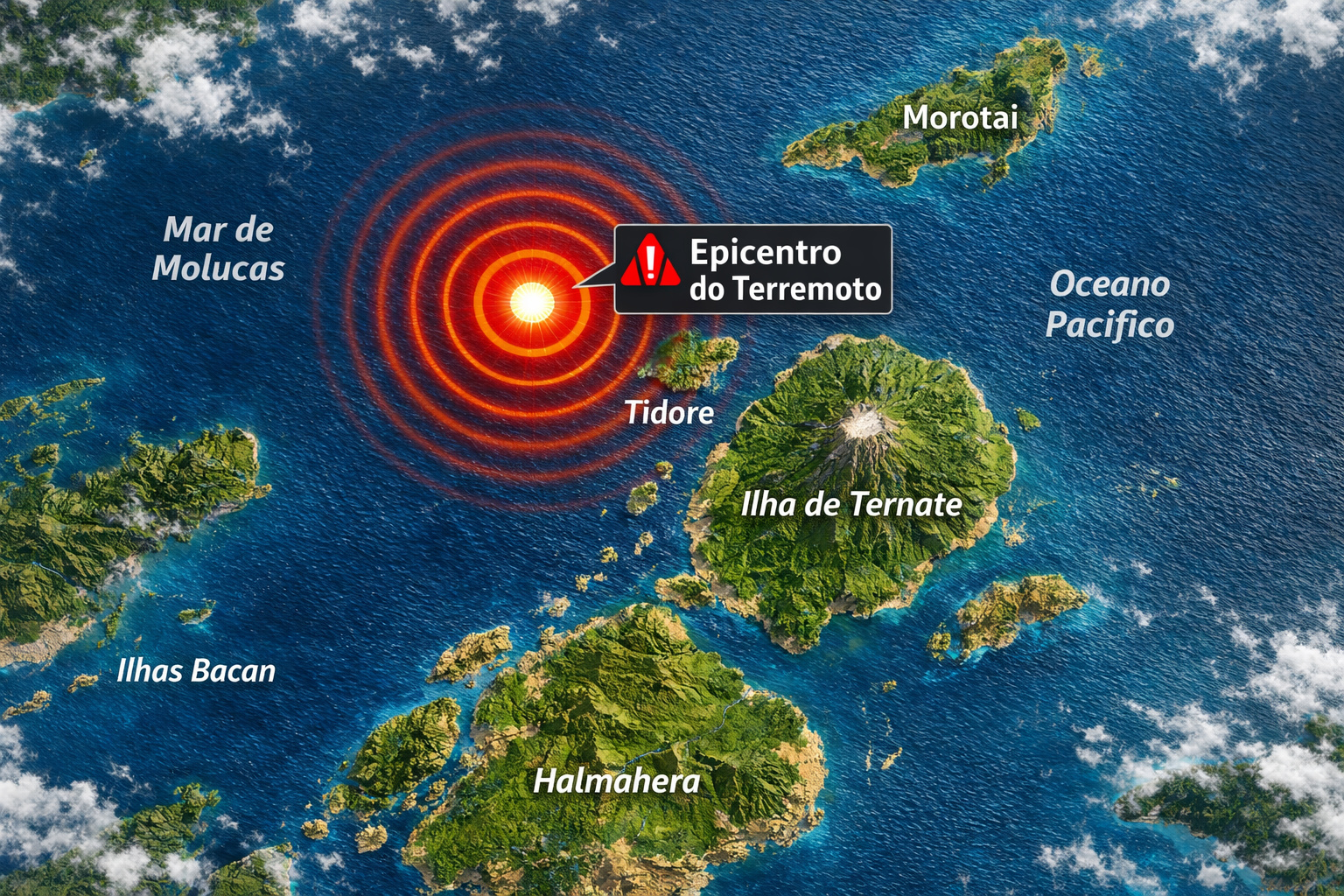
7.8 magnitude earthquake in Indonesia frightens the population, triggers tsunami alert, and hits an island with over 200,000 inhabitants this Thursday.
-
Google will finally let you change that embarrassing Gmail address you created in your teenage years without losing any accounts, logins, or old emails: the feature is already available in the United States.

-
Heading to Brazil in a Bonanza F33 single-engine aircraft: a couple departs from Florida on a visual flight, makes technical stops in the Caribbean to refuel and organize paperwork, and begins the staged crossing until they reach the country.

This supply model makes the city vulnerable to climate variations, river flooding, mechanical problems in vessels, and even the temporary scarcity of basic products. In critical periods, items common in other regions of Brazil can simply disappear from the shelves.
Isolation That Weighs on the Population’s Wallet
The most visible impact of isolation is the high cost of living. Studies by the Institute for Applied Economic Research (IPEA) indicate that in isolated municipalities in the Amazon, the prices of essential products can be two to three times higher than in capitals or cities with road access.
Processed foods, cooking gas, fuels, school supplies, and hygiene items arrive marked up due to transportation costs. Even basic products like rice, beans, and cooking oil can cost much more than the national average, putting pressure on the budgets of families.
Economy Limited by Geography
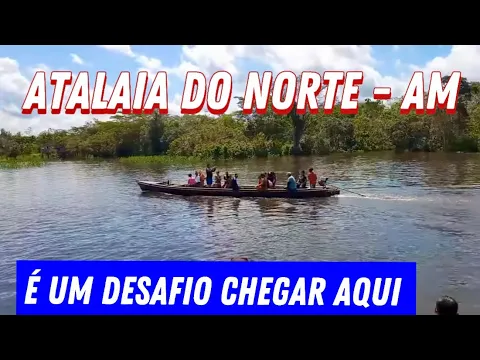

The economy of Atalaia do Norte is strongly conditioned by its location. The municipality relies heavily on the public sector, local commerce, and subsistence activities such as fishing and small-scale agriculture. The absence of roads makes it difficult to establish industries, market production, and attract private investments.
Moreover, any attempt at economic diversification faces high logistical costs. Starting a business in a city where everything arrives by boat or plane requires more capital and tighter profit margins, which deters medium and large companies.
Health, Education, and Services Under Pressure
Isolation also affects access to essential services. Medical equipment, medications, and specialized health professionals are not always continuously available. In more severe cases, patients need to be airlifted to other municipalities, which increases costs and risks.
In education, the challenge is similar. Teachers, teaching materials, and infrastructure depend on complex logistics. The turnover of professionals is high, as many cannot adapt to the difficulties imposed by the distance from major centers.
A Common Reality in the Deep Amazon
Although Atalaia do Norte is one of the most extreme examples, it is not alone. Several municipalities in the interior of Amazonas and other northern states face similar problems, living practically disconnected from Brazil’s road network.
These cities reveal a profound contrast within the country: while large urban centers advance in infrastructure, technology, and logistical integration, entire communities still depend on rivers and planes to survive.
Challenges That Go Beyond Distance
The isolation of Atalaia do Norte is not only geographical but also economic and social. The lack of roads limits opportunities, raises living costs, and reinforces historical regional inequalities. At the same time, the city symbolizes the resilience of populations who have learned to live under extreme conditions, adapting to the reality of the forest and rivers.
Experts point out that any solution must involve specific public policies that consider the particularities of the Amazon, investing in more efficient river logistics, subsidies for transport, and improvements to basic services.

A Brazil That Few Know
Atalaia do Norte exposes a little-visible side of the country: that of cities that exist outside the logic of roads, trucks, and national integration. Where everything takes longer to arrive, costs more, and requires constant planning.
The existence of municipalities like this raises a central question about regional development and territorial integration: how to ensure quality of life and equal opportunities in a country with continental dimensions and such profound logistical challenges?
Would you be able to live in a city where everything arrives by boat or plane and costs much more? Does isolation justify differentiated policies for these municipalities?








Seja o primeiro a reagir!