





 Portuguese
  English
  Spanish
 4 min of reading
  0 comments


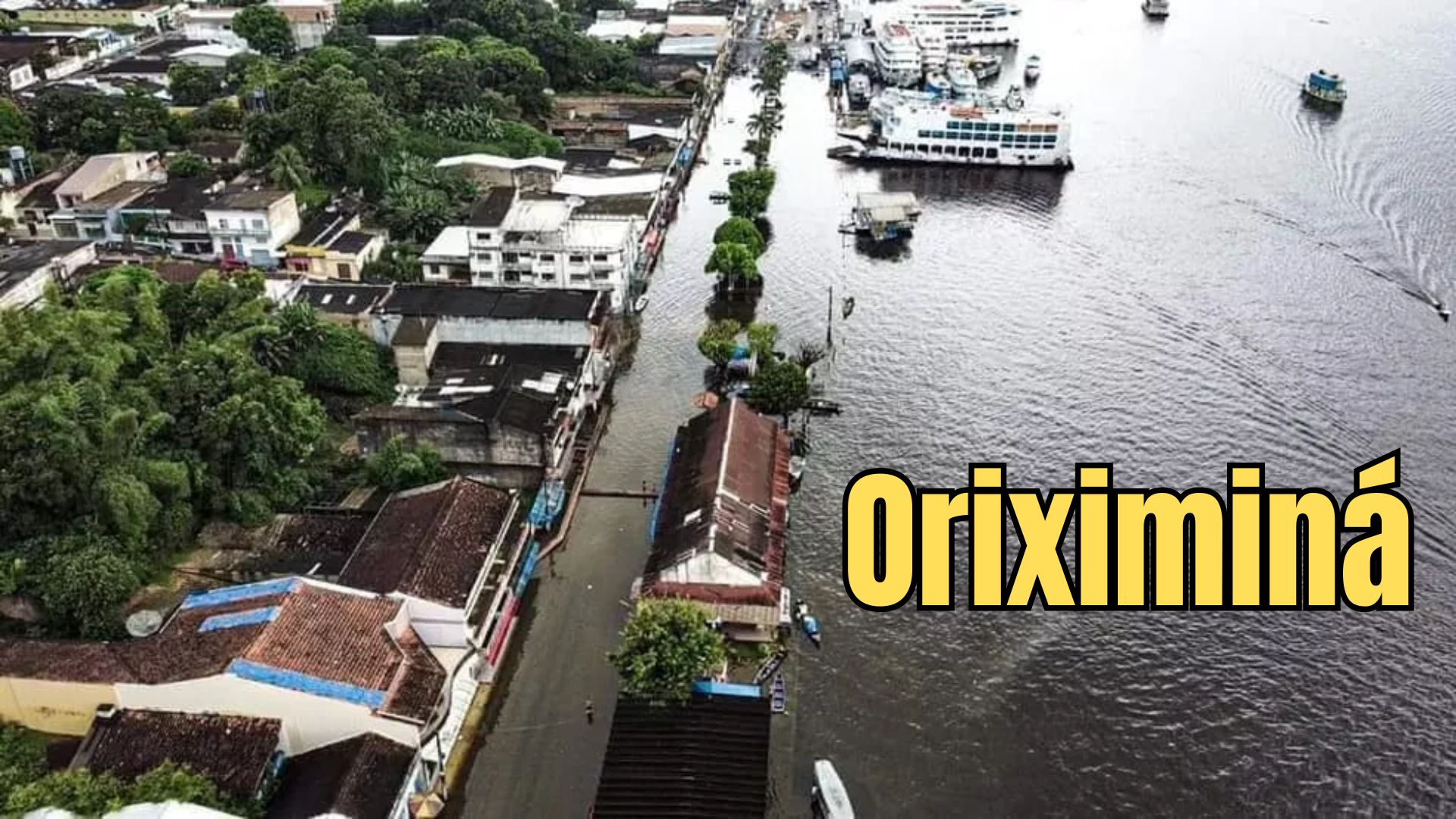
Located in the Heart of the Amazon in Pará, Oriximiná Combines One of the Largest Territorial Extensions in the Country, Preserved Biodiversity, Strategic Mining, and Unique Logistical Challenges in Brazil
Oriximiná is located in the state of Pará, in the Northern Region of Brazil, fully inserted in the Amazon biome. Considered one of the most preserved cities in the country, the municipality draws attention for its immense territorial extension, the dominant presence of the tropical rainforest, and its extremely limited access, mainly via rivers and small aircraft. This geographical isolation, while posing challenges, has also directly contributed to the environmental and cultural conservation of the region.
Situated on the banks of the Trombetas River, an important tributary of the Amazon River, Oriximiná is approximately 850 kilometers from the capital Belém. This distance reinforces the dependence on river transport, which is the main means of mobility for people, goods, and supplies. As a result, the daily life of the population is profoundly influenced by the river cycles and Amazonian logistics.
According to data disclosed by specialized portals in geography and regional development, as per surveys published in educational content about Amazonian municipalities, Oriximiná ranks among the largest municipalities in Brazil by territorial area, trailing only a few national giants. Nevertheless, its population density is low, which reinforces the preserved and less urbanized character of the region.
-
Friends have been building a small “town” for 30 years to grow old together, with compact houses, a common area, nature surrounding it, and a collective life project designed for friendship, coexistence, and simplicity.

-
This small town in Germany created its own currency 24 years ago, today it circulates millions per year, is accepted in over 300 stores, and the German government allowed all of this to happen under one condition.

-
Curitiba is shrinking and is expected to lose 97,000 residents by 2050, while inland cities in Paraná such as Sarandi, Araucária, and Toledo are experiencing accelerated growth that is changing the entire state’s map.

-
Tourists were poisoned on Everest in a million-dollar fraud scheme involving helicopters that diverted over $19 million and shocked international authorities.


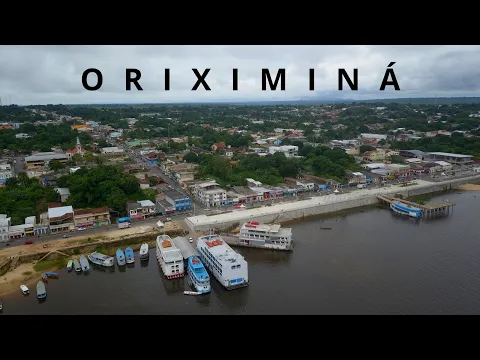

A Giant Amazonian City in Territory, Indigenous History, and Natural Wealth
The name Oriximiná has indigenous origins and comes from the term “Uruá-shiminã” in the Tupi language, which means “male bee”, or simply “drone”. This etymological detail reveals the strong indigenous presence in the historical and cultural formation of the municipality, something that is still reflected in the traditional communities spread throughout the territory.
Currently, the city has an estimated population of about 70,000 inhabitants, concentrated mainly in the urban center and in riverside communities along the rivers. Despite the population growth over the past decades, large areas of the municipality remain virtually untouched, with extensive stretches of primary forest.
Moreover, Oriximiná is situated in one of the regions of greatest ecological wealth in the Amazon, hosting diverse fauna and flora, many of which are endemic. Conservation areas, indigenous lands, and quilombola territories are part of the environmental mosaic that helps explain why the municipality is often cited as one of the most preserved in Brazil.
At the same time, the local culture remains strongly tied to religious and community traditions. One of the main events is the Festival of Saint Anthony, the city’s patron saint, which mobilizes residents from both urban and rural areas, strengthening social ties and preserving historical customs of the Amazon region.
Bauxite Mining Places Oriximiná at the Center of the Aluminum Industry

Despite the appearance of an isolated and predominantly forested city, Oriximiná plays a strategic role in the national and international economy. The municipality houses one of the largest bauxite mines in the world, a mineral essential for aluminum production, used in sectors such as construction, automotive industry, packaging, and aviation.
The exploitation of bauxite has transformed Oriximiná into one of the most relevant hubs in the state of Pará in the mineral sector. Large extraction operations coexist, in a controlled manner, with environmental preservation areas, following strict licensing and environmental monitoring regulations—although the topic still generates debates about social and ecological impacts.
Consequently, mining represents one of the main sources of employment and revenue for the municipality. However, this economic development does not automatically translate into ease of access or extensive infrastructure, precisely because of the geographic isolation and the logistical limitations imposed by the forest and the rivers.
Still, the presence of mining places Oriximiná in a prominent position in the economic landscape of the Amazon, reinforcing the strategic importance of the city for Brazil, even when distanced from large urban centers.
Extreme Isolation, Logistical Challenges, and Environmental Preservation Go Hand in Hand
On the other hand, living in Oriximiná means facing significant challenges related to infrastructure and access. Transportation is carried out almost exclusively via riverways, and road access is extremely limited, non-existent in various sections of the territory. Air transport, while existent, is restricted and costly.
This scenario directly impacts the cost of living for the population, as many products need to travel long distances to reach the city. Health, education, and supply services also face typical obstacles of isolated Amazonian municipalities, requiring constant planning and investment.
However, this same isolation acts as a factor of environmental protection. The difficulty of access prevents unplanned urbanization and large-scale illegal exploitation, preserving vast areas of forest, rivers, and sensitive ecosystems. Thus, Oriximiná consolidates as a rare example of a municipality where economic development, environmental conservation, and traditional culture coexist in a delicate balance.
In this way, Oriximiná is not just a remote city in the Amazon, but a symbol of how deep Brazil holds natural, cultural, and strategic riches that remain largely unknown to most of the population.









-

3 pessoas reagiram a isso.