





 Portuguese
  English
  Spanish
  5 min of reading
  0 comments


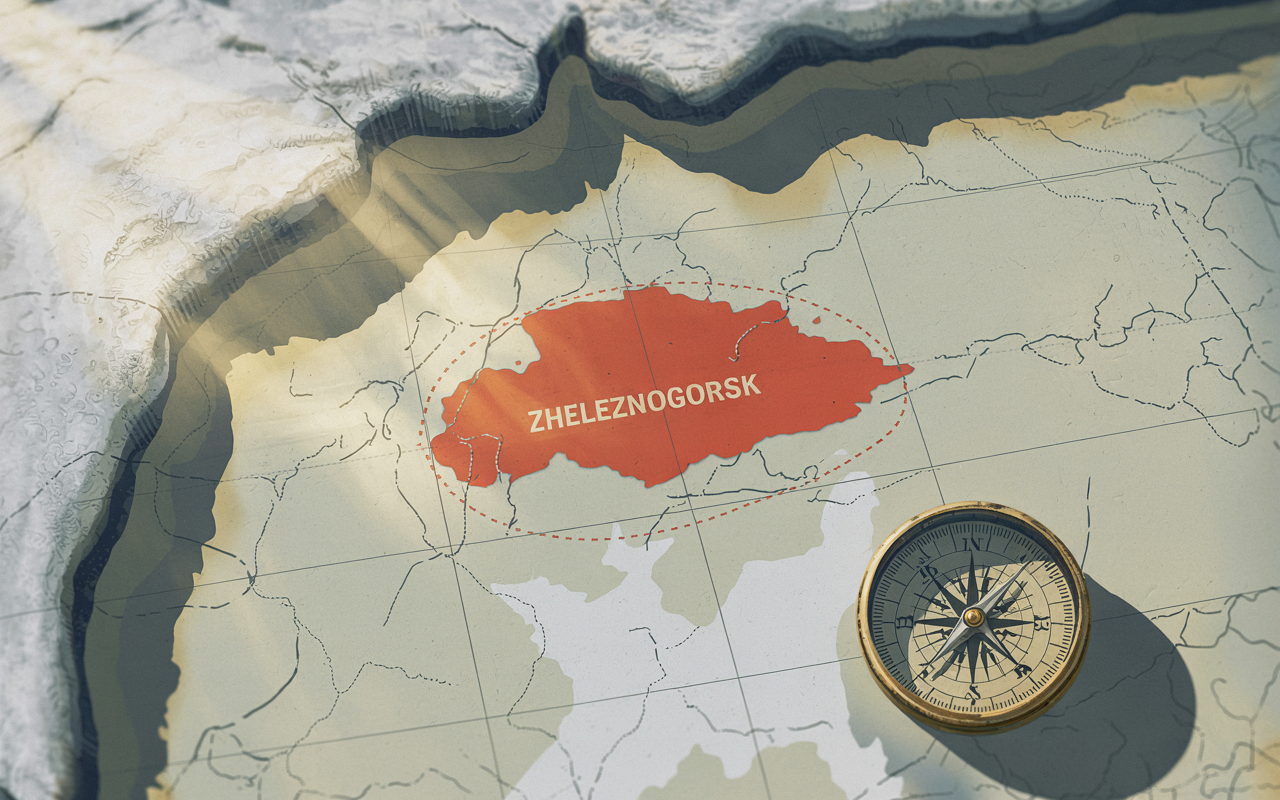
Zheleznogorsk, The Secret Military City of Russia, Houses Satellites, Nuclear Missiles, and About 80 Thousand Inhabitants. For Decades, It Did Not Appear on Civil Maps and Still Remains Under Military Control.
In the Heart of Siberia, Zheleznogorsk Represents One of the Most Secret Chapters in Soviet and Russian Military History. Created to House Plutonium Production Facilities and Military Satellites, It Remains Active Today as a Secret Military City, Even After the Collapse of the Soviet Union. Zheleznogorsk, Long Known Only as Krasnoyarsk-26, Did Not Appear on Civil Maps and Was Not Officially Recognized Outside Military Records. Even Today, Access to the City Remains Controlled, and Foreigners Can Only Enter With Special Authorization.
How the City That Does Not Appear on Maps Was Born
Founded in 1950 by Order of Josef Stalin, Zheleznogorsk Was Part of a Vast Soviet Program for Creating Closed Cities, Also Known as ZATO (Closed Administrative Territorial Zones). These Secret Cities Were Designed to Operate in Isolation, Keeping Absolutely Confidential the Activities of Strategic Interest to the State.


In the Case of Zheleznogorsk, the Mission Was Clear from the Beginning: to Develop and Store Satellites and Nuclear Missiles. Its Remote Location, Surrounded by Forests and Far from Urban Centers, Made It the Ideal Place to Hide What the USSR Considered Its Most Valuable Assets.
-
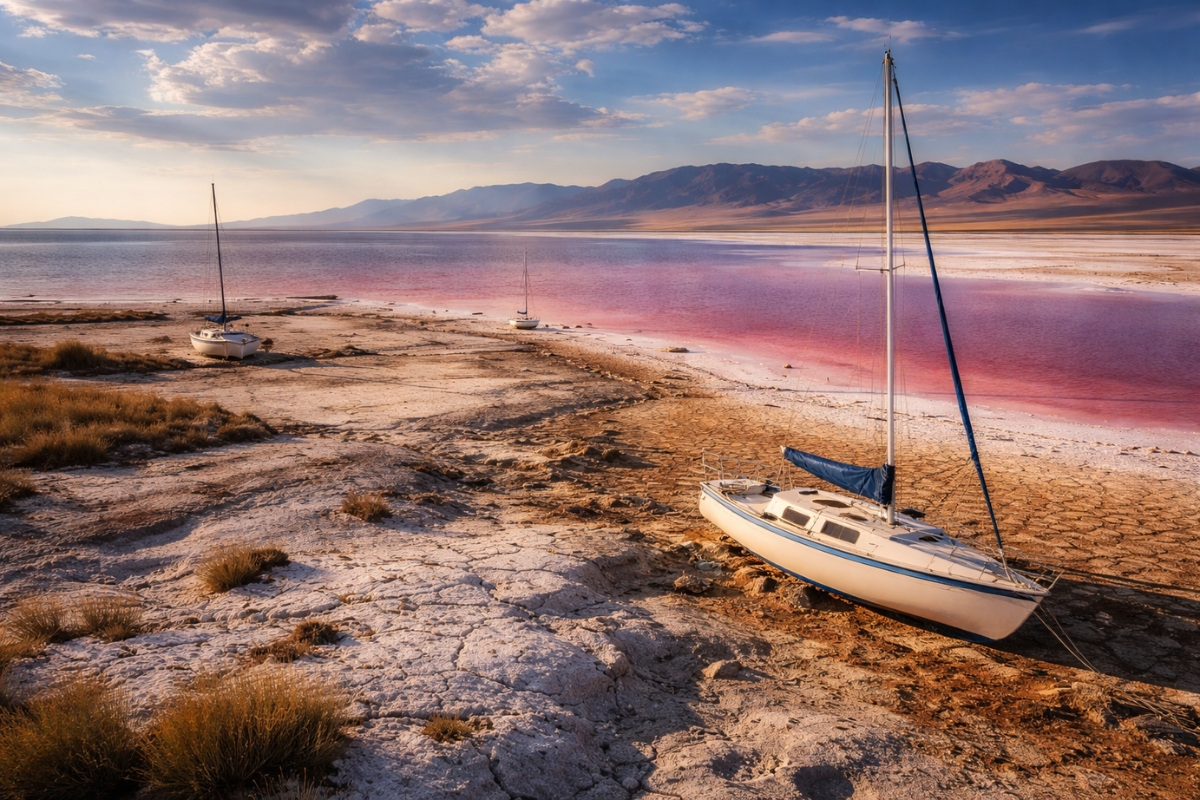
One of the most important lakes in the United States for birds, the balance of nature, and the climate has dried to historic levels, leaving boats stranded, revealing salt flats, and showing how the lack of water can transform an entire landscape.
-
It’s not Cristiano Ronaldo or Messi: the richest football player in the world is only 27 years old, has a fortune of 100 billion reais, and is the nephew of a sultan from an Asian country that few people know about.

-
At 77, the king of one of the most famous and powerful crowns on the planet is said to be under pressure to leave the throne, while behind the scenes there are already talks of a new coronation that could cost R$ 260 million.
-
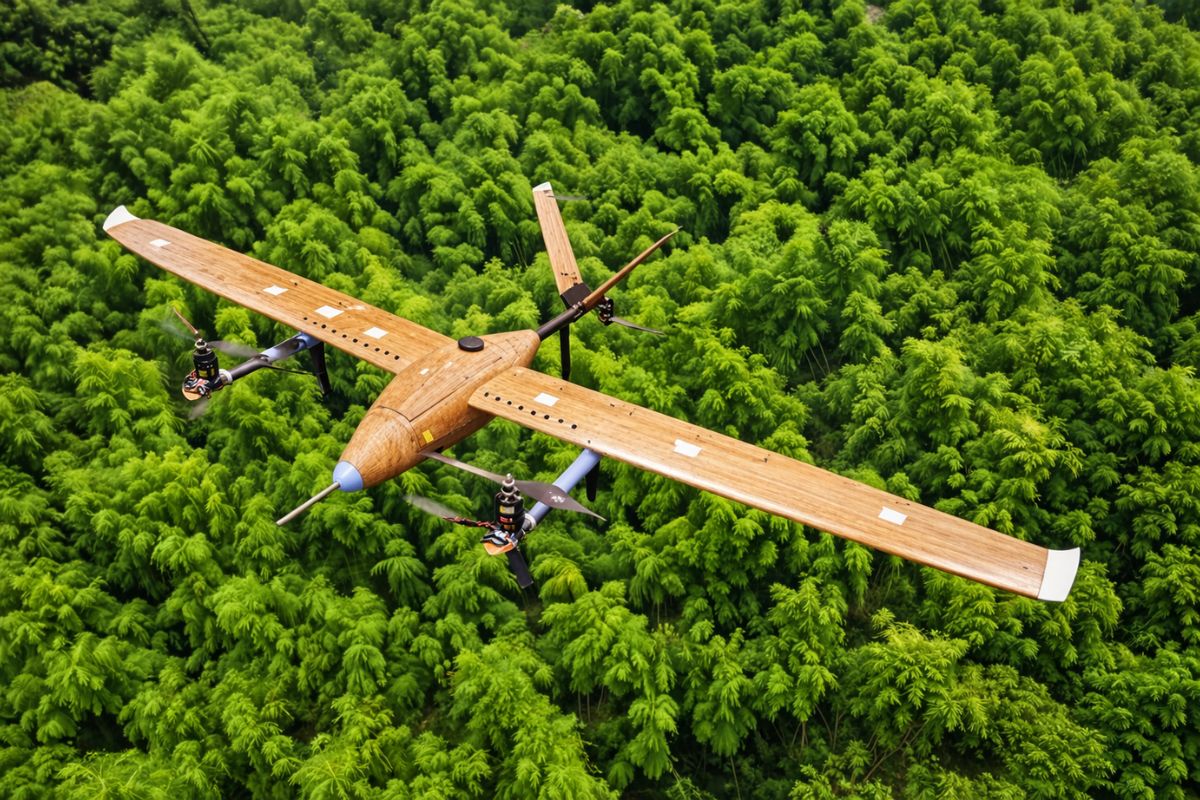
Chinese researchers have created bamboo drones that fly with the same precision as conventional models and have released the flight control software for free to the entire world in a technology that could revolutionize sustainable aviation.
During the Cold War, the Name Zheleznogorsk Was Not Even Mentioned. The Mail Used the Fake Address Krasnoyarsk-26, and No Signs on the Roads Indicated Its Existence. The City Was Only Revealed to the World in the 1990s, with the Opening of Soviet Files After the Collapse of the Regime.
Satellites, Reactors, and Warheads: The Hidden Power of Zheleznogorsk
Zheleznogorsk Was Built to Operate as a Total Support City for the Nuclear and Space Infrastructure of the Soviet Union. Military Satellites, Navigation Systems, and Intercontinental Missiles Armed with Nuclear Warheads Were Developed There. All of This Was Under Constant Military Surveillance and Cloaked in Complete Secrecy.
Additionally, the City Had Active Nuclear Reactors Until Recently. One of Them, the ADE-2, Was Deactivated Only in 2010, Ending Plutonium Production for Armament. U.S. Intelligence Information Suggested Zheleznogorsk as One of the Most Watched Cities by Spy Satellites During the Cold War.
Life in a Secret Military City
Despite Its Military Purpose, Zheleznogorsk is Not a Base Surrounded by Walls and Barbed Wire as One Might Imagine. The City is Functional, Urbanized, Has Schools, Hospitals, Public Transportation, Cultural Centers, and All the Elements of a Common City.
The Difference Lies in Control. For Decades, Its Inhabitants Lived Under Strict Rules: They Could Not Leave Without Authorization, Receive External Visitors, and Everything That Entered or Exited the City Was Monitored.
This Model of Isolation Allowed Zheleznogorsk to Function as a Secret City of Russia, Beyond the Reach of Any Foreign Observation. In Exchange, Residents Enjoyed State Benefits, Quality Infrastructure, and Above-Average Salaries to Ensure the Retention of Highly Qualified Professionals.
Zheleznogorsk Today: A Secret That Survived the End of the USSR
Even After the End of the Soviet Union, Zheleznogorsk Remains a City with Restricted Access and Strategic Importance. It Houses the Headquarters of ISS Reshetnev, Russia’s Main Satellite Manufacturer, Responsible for Operating and Maintaining the GLONASS System — Russia’s Alternative to the American GPS.
The City is Also Used for Defense Operations, Testing of Space Technology, and, According to Intelligence Reports, Still Houses Underground Nuclear Missile Infrastructure. State Control Persists, and the Status of “ZATO” Still Applies, Meaning Zheleznogorsk Continues to be a Closed Military City.
The Current Population is Around 80 Thousand People, a High Number for a Municipality with Such Restricted Access. Most Residents Work for State-Owned Companies like Roscosmos, Rosatom, and Contractors for the Russian Government.
Subterranean, Bunkers, and Official Silence
Much of the Fascination Surrounding Zheleznogorsk Comes from What is Hidden Beneath It. Military Analysts and Former Soviet-Era Officials Believe the City Houses an Extensive Underground Network with Warhead Storage, Secret Laboratories, Military Command Centers, and Shielded Reactors.
These Facilities Have Never Been Officially Confirmed, but Declassified CIA Documents Point to Zheleznogorsk as One of the Most Critical Points in Russian Nuclear Infrastructure. Thermal Satellite Data has Captured Anomalies in the Area Since the 1980s, Suggesting High Underground Activity.
If Confirmed, This Would Place the City Among the Major Nuclear Hubs in the World, Though Under a Mantle of Invisibility to the External Public.
What Makes Zheleznogorsk So Relevant Today?
With the Escalation of Tensions Between Russia, NATO, and the United States in Recent Years, Cities Like Zheleznogorsk Have Returned to the Center of National Defense Strategies. Besides Being a Active Center for Space Operations, the City Plays a Symbolic Role: It Represents the Continuity of Soviet Heritage and Russia’s Technological Capability in the Nuclear and Aerospace Sector.
Unlike What Happened to Other Closed Cities that Were Deactivated or Opened to the Public, Zheleznogorsk Maintains Its Identity as a City That Does Not Appear on the Map to the Average Citizen. It Exists, but It Cannot Be Visited. And This Duality is an Essential Part of Its Power.
Other Secret Cities in Russia: Zheleznogorsk is Not Alone
Russia Currently Maintains at Least 40 Cities with Status Similar to Zheleznogorsk. Among Them, Notable Mentions Include Sarov (Where the Soviet Atomic Bomb Was Developed), Ozërsk (Linked to the Mayak Nuclear Complex), and Severodvinsk (Known for Housing Nuclear Submarines).
These Cities Operate Under a Similar Logic: They Are Centers for Research, Production, and Storage of Strategic Armaments, Accessible Only to Military Personnel, Scientists, and Authorized Civilians.
However, Zheleznogorsk Stands Out for Its Complexity. It Combines Civil Space with Military Infrastructure, Scientific Development with Urban Culture, All in a Context of Deep Secrecy.
Zheleznogorsk is More Than Just a Russian City with Restricted Access. It Represents the Hidden Face of Modern Geopolitics — a Space Where Technology, Power, and Secrecy Combine in an Almost Invisible Way.
While Cities Gain Notoriety for Their Population or Economy, Zheleznogorsk Gains Relevance for What It Does Not Reveal. A Secret Military City that Survived the Cold War, Housing Missiles and Satellites, and That Still Is Not Fully Accessible — Not Even on the Map.
An Entire City Hidden for Decades, with Nuclear Missiles and Satellites Under Absolute Secrecy…
Do You Think Zheleznogorsk Still Hides Something That the World Should Not Know? Share Your Opinion in the Comments!






Seja o primeiro a reagir!