





 Portuguese
  English
  Spanish
  4 min of reading
  8 comments




The Bridge Connecting Rio to Niterói Was the Scene of Accidents, Deaths, and Winds That Made It Sway Over 1 Meter. A Project as Dangerous as It Is Grand
When we think of Rio de Janeiro, it’s easy to imagine Christ the Redeemer, samba, soccer, and that breathtaking view of Guanabara Bay. But beyond the natural beauties and festive atmosphere, there is a gigantic structure that connects two super important cities in the state and has, in a way, become part of the lives of millions: the Rio-Niterói Bridge.
This monumental work is not just a bridge; it is a landmark of Brazilian engineering, built with great effort, boldness, and yes, some tragedies as well. Behind the concrete and steel, there is a story full of curiosities that is worth knowing.
An Idea That Took More Than 100 Years to Come to Life
The desire to connect Rio to Niterói dates back to the 19th century. At that time, people crossed the bay in boats that took hours, or faced a long detour by land, going through Magé. In 1875, Emperor Dom Pedro II even hired an engineer to study the construction of a tunnel, but nothing came of it.
-
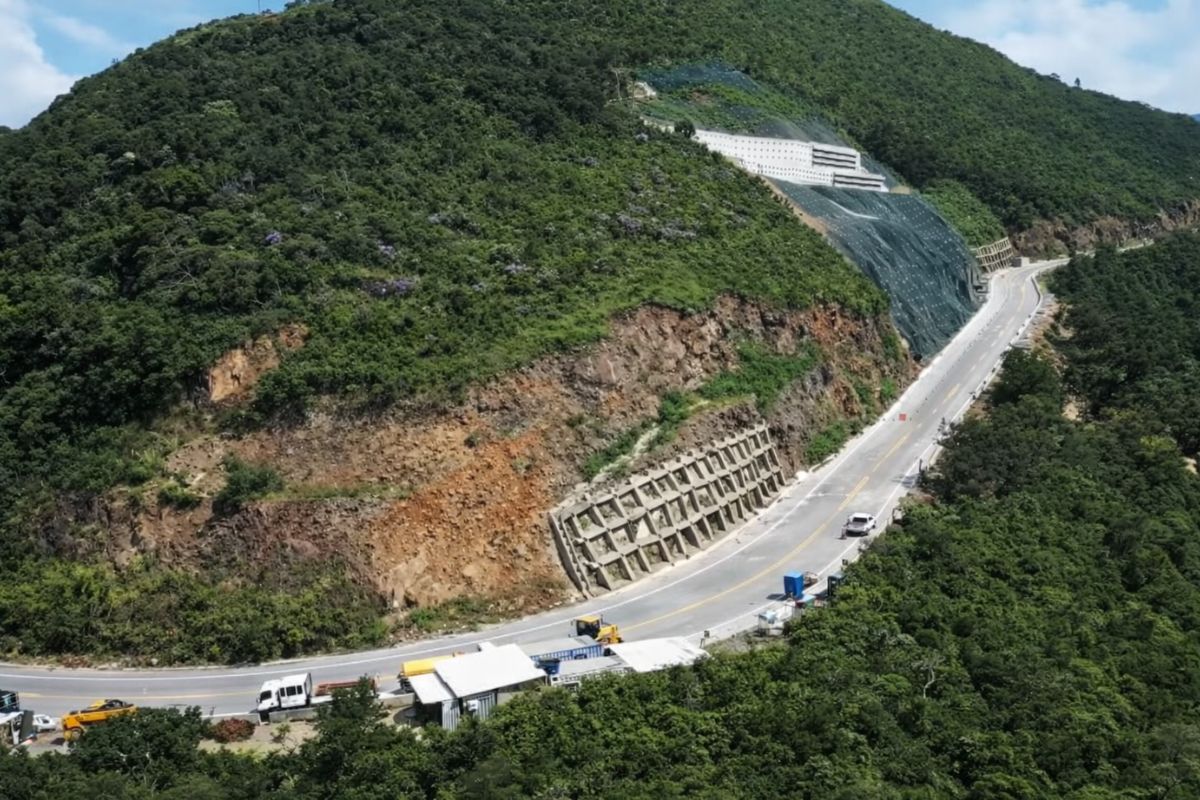
The section of Serra da Rocinha on BR-285 is now open in Timbé do Sul: 50 m tensioned curtains and top-down technique stabilize the slope, with a stairway duct controlling the water.
-
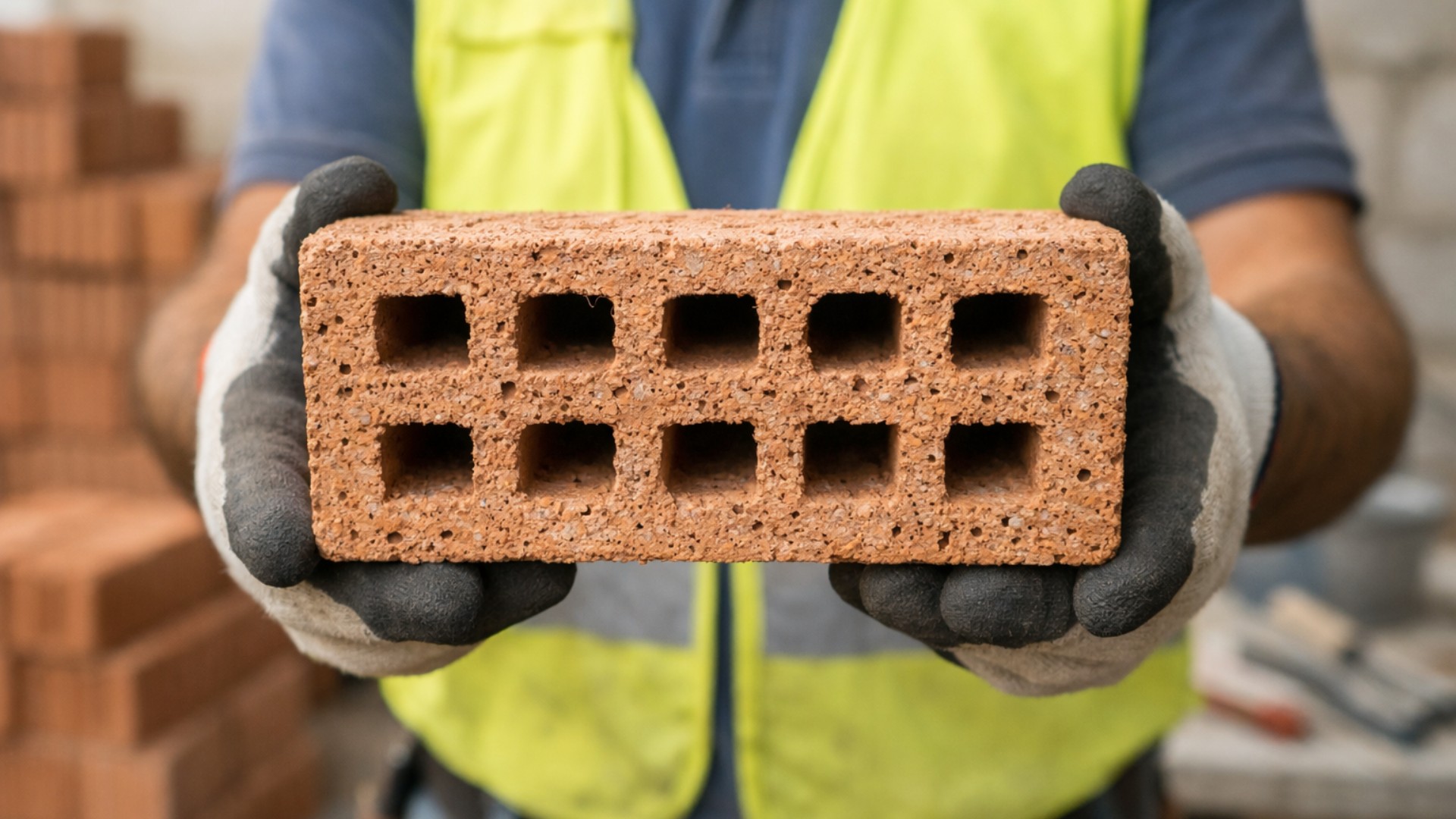
Scientists use sawdust mixed with clay to create a lighter brick, promising efficient thermal insulation and impressing by transforming waste into a solution for construction.
-
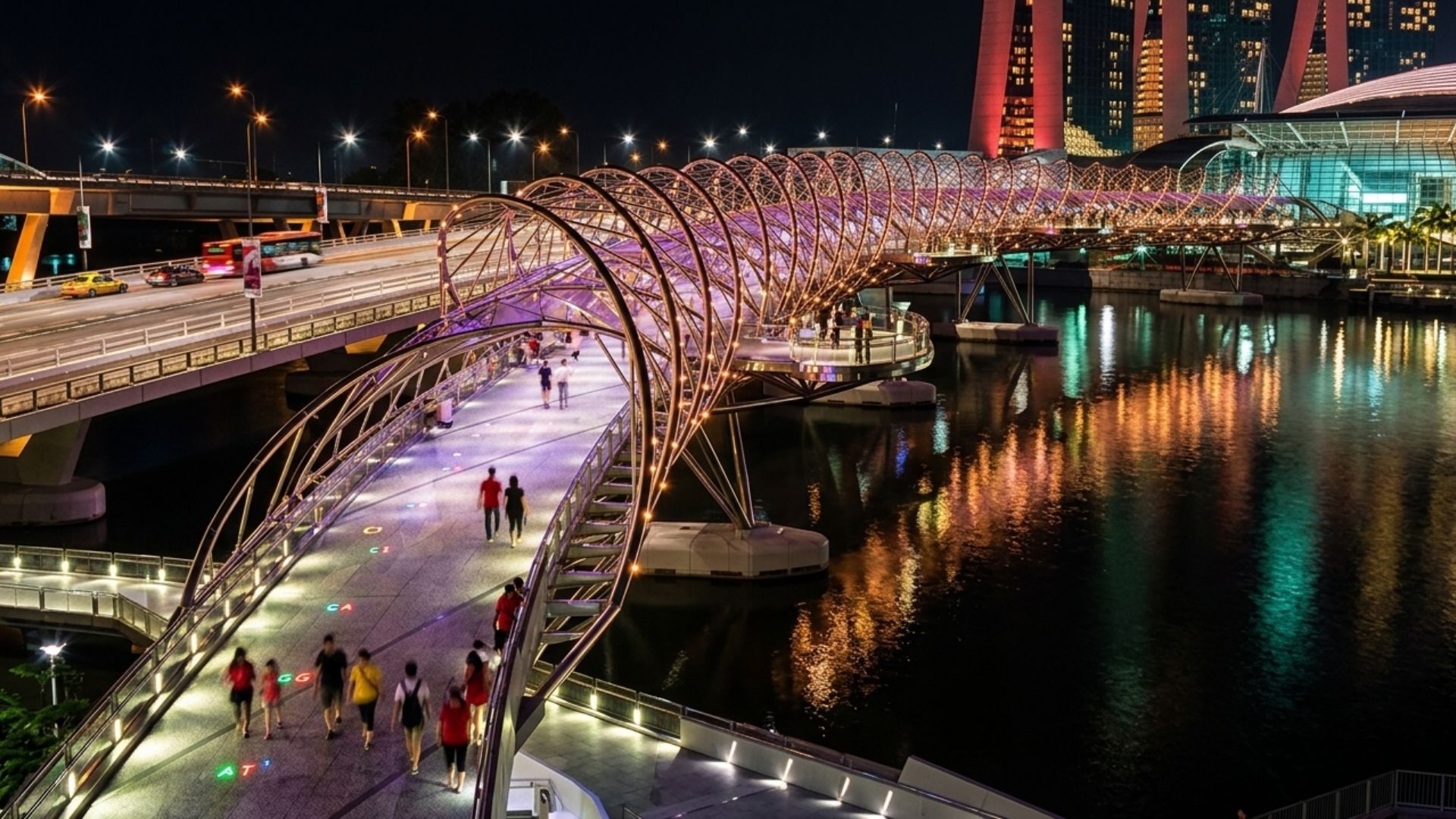
With a DNA shape, this bridge in Singapore draws attention in modern architecture and surprises tourists by transforming a simple crossing into an unforgettable visual experience in the urban heart.
-
Giant underwater pipeline begins to take shape with a R$ 134.7 million project at the Port of Santos: the 1.7 km structure uses 12-meter and 700 mm pipes to supply water to 450,000 people in Guarujá.

Things only started to move forward in the 1960s, during the military regime. In 1968, then President Costa e Silva authorized the construction of the bridge. There was even a ceremony attended by Queen Elizabeth II of England during her historic visit to Brazil. Despite the pomp, construction only really began in January 1969.
A Bridge That Broke Records
With more than 13 kilometers in length, nearly 9 of which are over the sea, the Rio-Niterói Bridge became the largest in the Southern Hemisphere. The central span is 300 meters long and 72 meters high, high enough to allow giant ships to pass without issue.
At the time of construction, many things were done in a groundbreaking way in Brazil. The pieces were pre-cast, like giant blocks that were fitted together in the right place. It was cutting-edge technology at the time and revolutionized bridge engineering here.
Despite all the innovation, the work was incredibly heavy. There were excavations at the bottom of the sea, transportation of materials by barges, and all sorts of challenges that a project of this scale typically faces. And all of this during a time without the modern equipment we have today.
Forgotten Tragedies: The Human Sacrifices Behind the Rio-Niterói Bridge
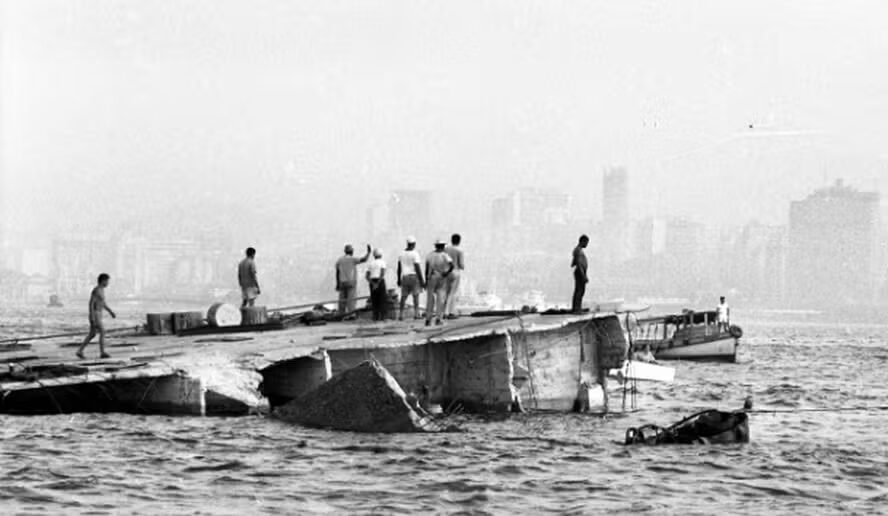
Behind the grandeur of the Rio-Niterói Bridge, which connects Rio de Janeiro to Niterói, lies a story marked by tragedies and human sacrifices. Officially, 33 workers lost their lives during the more than five years of construction of the bridge. However, unofficial estimates suggest that the actual number of deaths may have reached 400, including laborers and engineers.
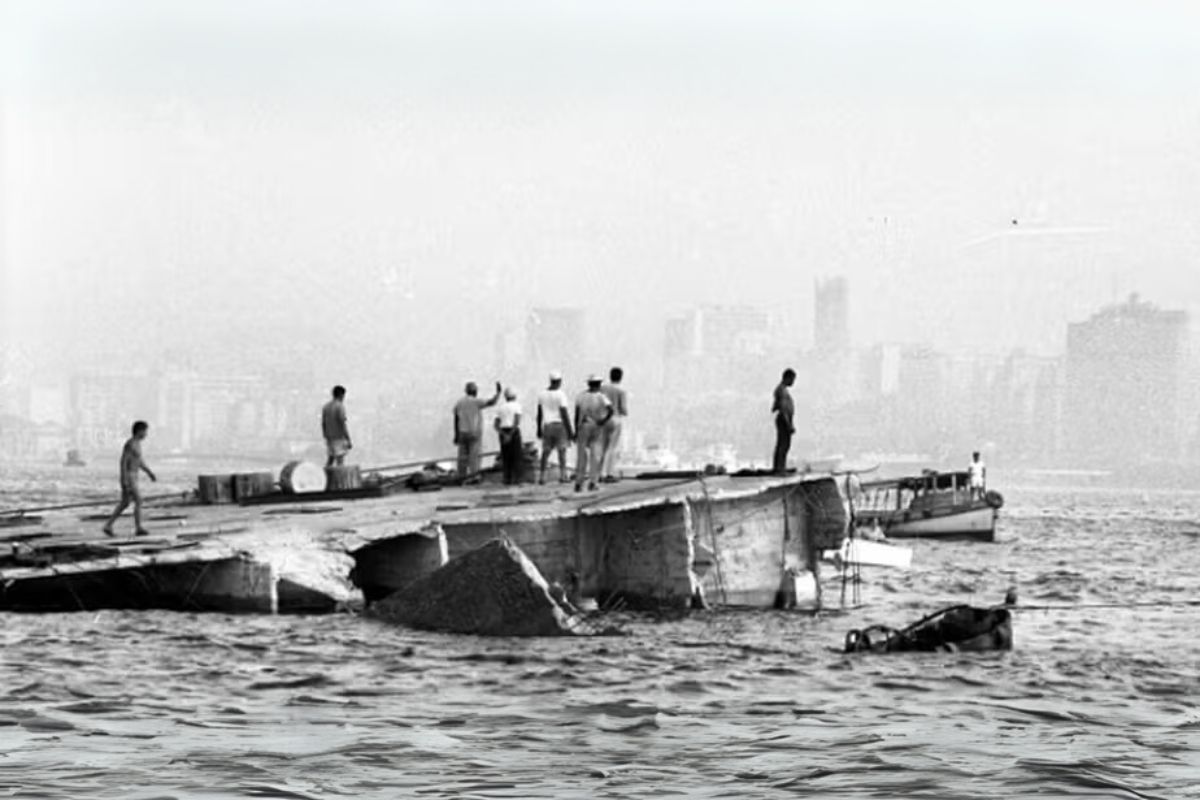
Working conditions were precarious: workers often labored without protective equipment, wearing rubber sandals, shorts, and without helmets. Safety was neglected, and accidents were common. On March 24, 1970, one of the most severe tragedies occurred when a floating platform collapsed, killing eight people, including three engineers.
Another fatal accident took place on January 4, 1974, just two months before the bridge’s inauguration, when a walkway collapsed from 32 meters above, killing six workers who were finishing the 21st pillar.
There are reports that some bodies were never recovered, fueling legends that they were swallowed by the bridge’s foundations. Although these stories have not been proven, they reflect the disregard for workers’ lives at the time. During the military dictatorship, many of these accidents were covered up by censorship, and the deaths treated as inconvenient statistics.
The Rio-Niterói Bridge is undoubtedly one of the greatest achievements of Brazilian engineering, but its construction was marked by a high human cost that cannot be forgotten.
From Dream to Routine
Before the bridge, traveling from Rio to Niterói could take two hours or more. Today, when traffic cooperates, this time drops to about 15 minutes. But of course, over time, vehicle flow has increased significantly. The bridge, which was designed to handle up to 50,000 vehicles per day, now sees over 150,000 pass by.
To handle all of this, several improvements have been made: new lanes, access ramps, monitoring systems with cameras, radars, emergency bays… All to try to keep traffic flowing and ensure safety.
A Bridge That Became Part of the City
Nearly 50 years after its inauguration, the Rio-Niterói Bridge remains steadfast, being pointed out by experts as one of the safest in the country. And even for those who have grown accustomed to it, it’s hard not to be impressed by the size and importance of this structure.
It has changed the way people move, facilitated trade, brought families closer, and shortened distances. Much more than concrete and steel, this bridge carries a story of transformation—and shows how engineering can indeed be a tool for progress.









Meu pai era encarregado de uma das construtoras. E de férias em Niterói, com meus 5 aninhos, ia nos caminhões basculantes levar as pedras pro aterro. Atravessamos a baía na balsa. Meu pai trabalhava com os explosivos da pedreira e a gente se escondia debaixo da mesa qdo tinha que explodir a pedreira. Foram férias inesquecíveis.
Meu pai Nelso Buarque Cavalcanti era responsável pela Câmara de Descompressão dessa obra. Ele contou algumas histórias assustadoras. Ele trouxe uma amostra da cola que uniu o vão central. O filho da minha professora de matemática do Colégio Pedro II , Lea Bustamante morreu num acidente em que a plataforma, em que ele estava, virou. Ele era engenheiro. São vários acontecimentos que se perderam. Nem tudo podia ser dito.
33 diz a **** eu acredito em330 ou 3300