





 Portuguese
  English
  Spanish
  4 min of reading
  7 comments


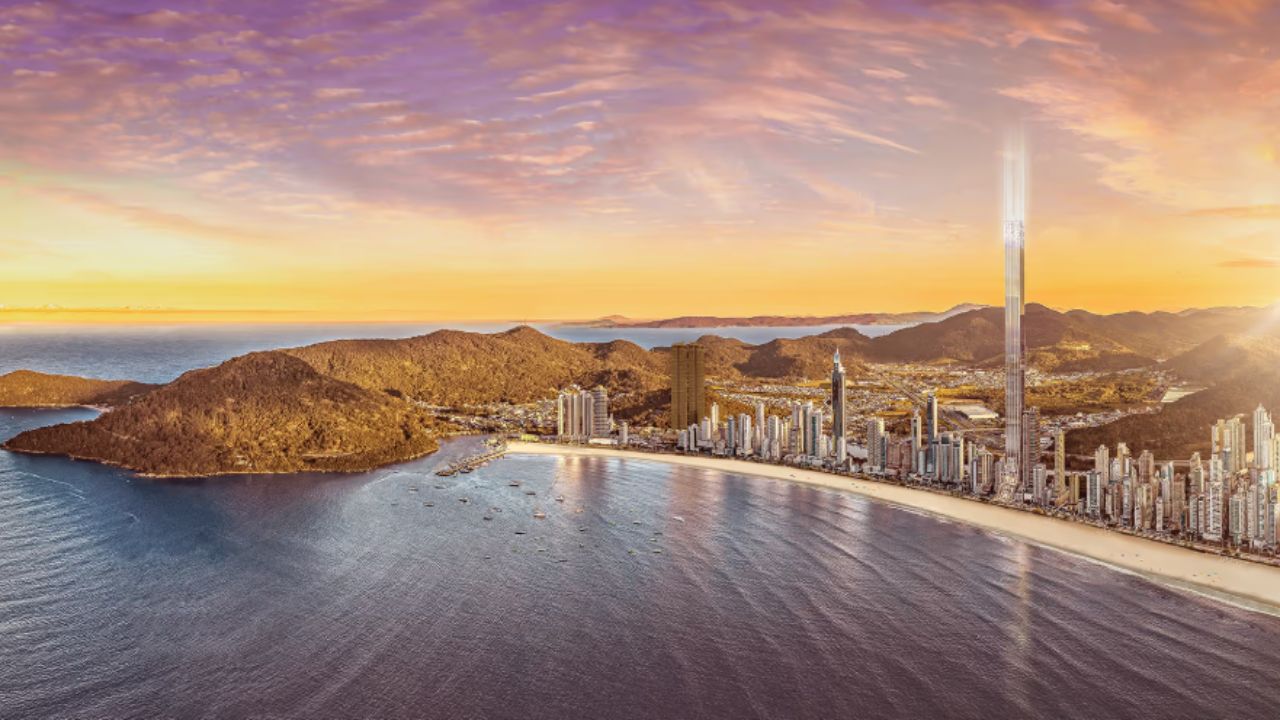


With Over 500 Meters in Height and an Investment of R$ 3 Billion, the Construction of the Senna Tower in Balneário Camboriú Challenges the Limits of Engineering with Unprecedented Technology to Erect the World’s Tallest Residential Building, a Tribute to Ayrton Senna That Promises to Make History!
Building a skyscraper is already quite a challenge. But erecting the tallest residential building on the planet, by the seaside, facing rocky soil and intense winds, is a feat only a few companies in the world could tackle. This is the bold plan of FG Empreendimentos, in partnership with Havan, which aims to raise the Senna Tower in Balneário Camboriú (SC).
With over 500 meters in height, this super skyscraper will not only be an impressive engineering work but also a tribute to the legendary driver Ayrton Senna. However, before thinking about the luxury of the units and the stunning views, the company needs to solve a crucial problem: how to ensure that a building of such magnitude remains firm and safe?
The Challenge of Building a Super Skyscraper in Balneário Camboriú

The Brazilian coast is not a common place for such tall skyscrapers. Balneário Camboriú already boasts some of the tallest buildings in Brazil, but the Senna Tower will be a global landmark. To give you an idea, it will be taller than the Empire State Building (381m) and the Eiffel Tower (330m). This ambition puts the city on the radar of global engineering.
-
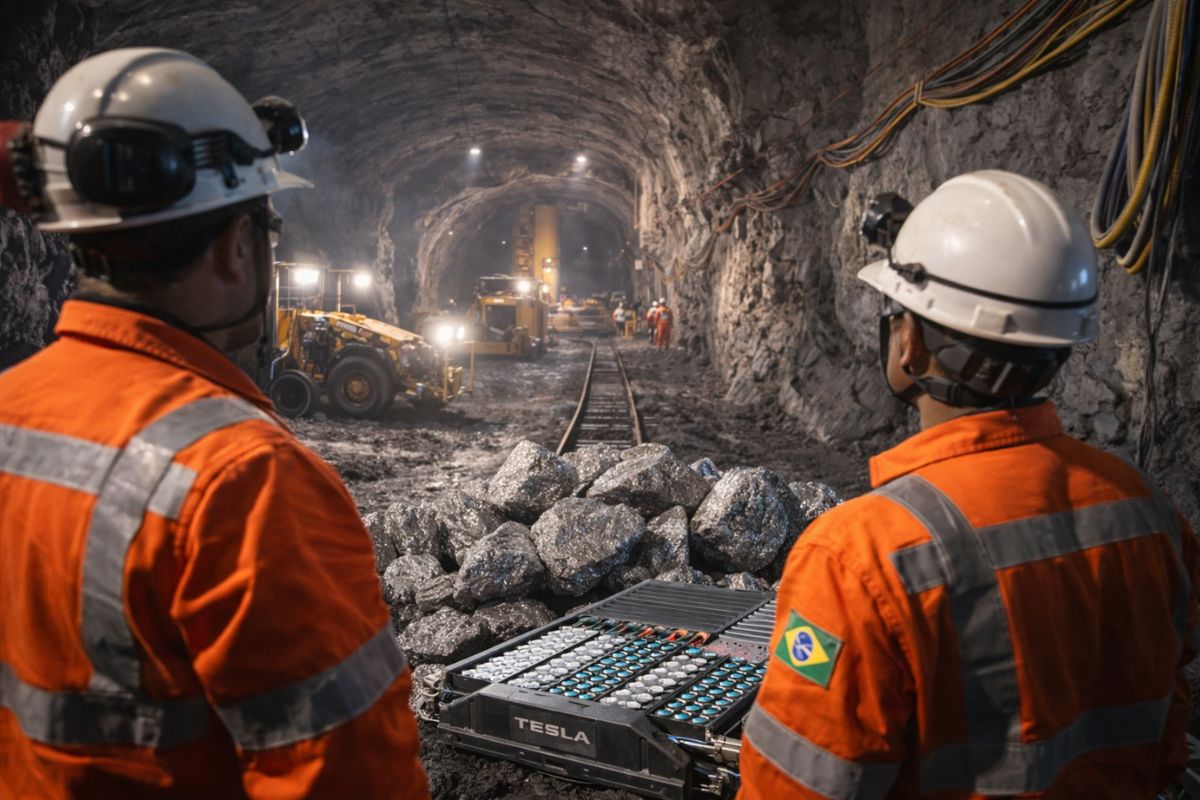
The Brazilian state enters the center of the global race for critical minerals by starting the construction of the largest underground nickel mine in Latin America, a mineral essential for electric car batteries that the entire world is competing for at this moment.
-
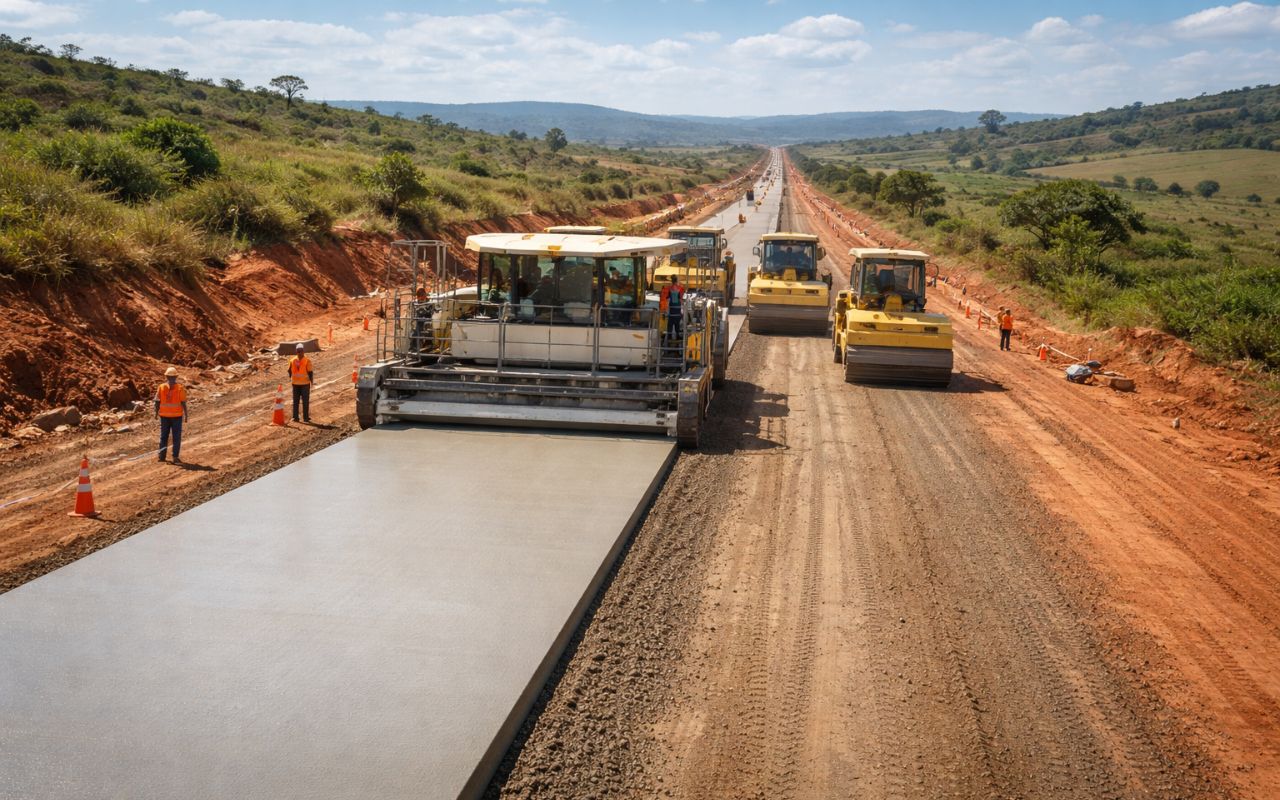
New CCR concrete paving technology promises roads up to 3x more durable, less maintenance, and cost reduction in Brazil.
-
Made from recycled plastic, plastic wood is gaining space in the construction industry because it does not rot, resists moisture, and reduces maintenance costs over the years.

-
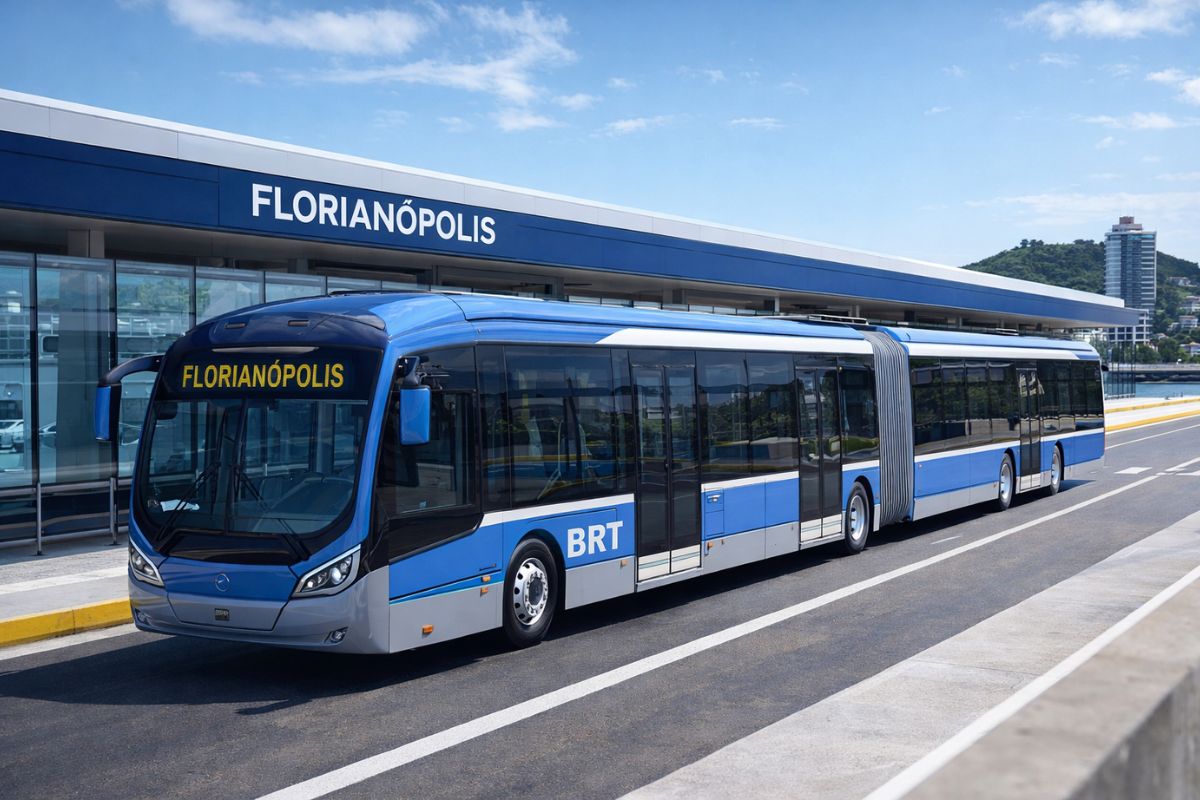
Florianópolis will receive a million-dollar BRT that will begin construction in 2026 with nearly 400 million in funding from the federal government and the Inter-American Development Bank, and the map already shows the routes for the exclusive bus corridors.

According to Exame, the biggest challenge for a skyscraper of this size in Balneário Camboriú lies in the soil and the winds. The terrain has rocky characteristics, which makes deep foundation drilling difficult. Coastal winds can cause oscillations in the structure. The solution? An innovative foundation and a state-of-the-art monitoring system.
The Engineering Behind the Senna Tower
In the world of engineering, skyscrapers are categorized by height.
- Super Tall: above 300 meters.
- Mega Tall: above 600 meters (a category that includes only three buildings in the world).
The construction of the Senna Tower will be a Super Tall, with over 500 meters, ensuring the title of the tallest residential building ever planned.
To avoid any risk of instability, FG Empreendimentos adopted a system never before used in buildings over 300 meters: Auger Cast piles. This method provides a crucial advantage: all piles are fully reinforced from top to bottom.
Typically, in tall buildings, only the upper parts of the piles receive reinforcement with steel, while the lower part relies on concrete and soil for support. In the Senna Tower, each pile has full reinforcement, ensuring an extremely secure base.
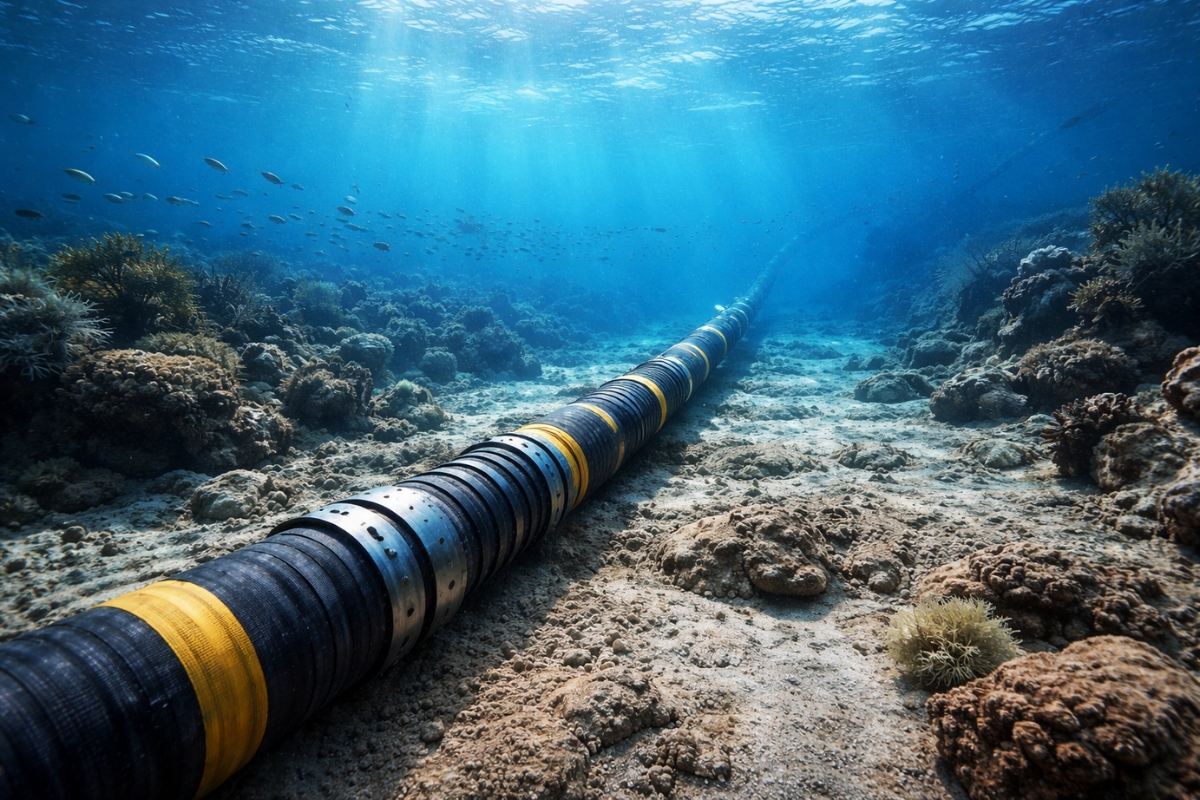
Another innovation in the project is the use of sensors and fiber optics for real-time monitoring. This system tracks any movement in the structure, from the beginning of construction to the occupancy of residents. If something deviates from expectations, engineers can make preventive adjustments and avoid structural issues.
From Project to Construction: The First Steps
Before starting the construction of the building, the team at FG Empreendimentos has already taken a crucial step: foundation tests at the site. These tests are essential to ensure that the chosen technology can truly support the structure.
To ensure everything goes according to plan, the company sought heavyweight specialists. One of the project’s consultants is Harry Poulos, an engineer who worked on the Burj Khalifa (the tallest building in the world, at 828m). The foundation of the Senna Tower will be a topic at the World Congress of Geotechnics in Austria, reinforcing its innovative character.
If everything goes well, the Senna Tower will not only be one of the greatest challenges in national engineering but also a new model for skyscraper construction. This project positions Brazil at the forefront of mega constructions and attracts the world’s attention to Balneário Camboriú.
When Will the Senna Tower Become a Reality?
The construction of the Senna Tower requires an investment of R$ 3 billion, an amount worthy of the largest projects in the world. There is still no official date for its completion, but work is expected to progress after the approval of the foundation tests.
This building will not only be a tourist attraction or a new icon of luxury. It represents an advancement in national engineering and may inspire new techniques for future mega projects. If successful, Brazil could establish itself as a hub of innovation in skyscraper construction.
Now, the big question is: when will the first residents be able to say they live in the world’s tallest residential building? Time will tell. But one thing is certain: the Senna Tower has already made its mark in engineering history.




O Alan Prost que não gosta muito dessas coisas kkkkkk
É simplesmente um absurdo, moro em Joinville e conheço bem a infraestrutura falida das avenidas e ruas de BC, ao invés de construir isso, eles deveriam pensar em como desafogar aquele trânsito insuportável em qualquer época, e a questão do saneamento na alta temporada, BC é ao mesmo tempo uma tentativa de inovação e um fracasso total em muitos quesitos
É uma enorme questão que fica em aberto.
Um desafio para poucos e um mérito para muitos.