





 Portuguese
  English
  Spanish
  3 min of reading
  6 comments


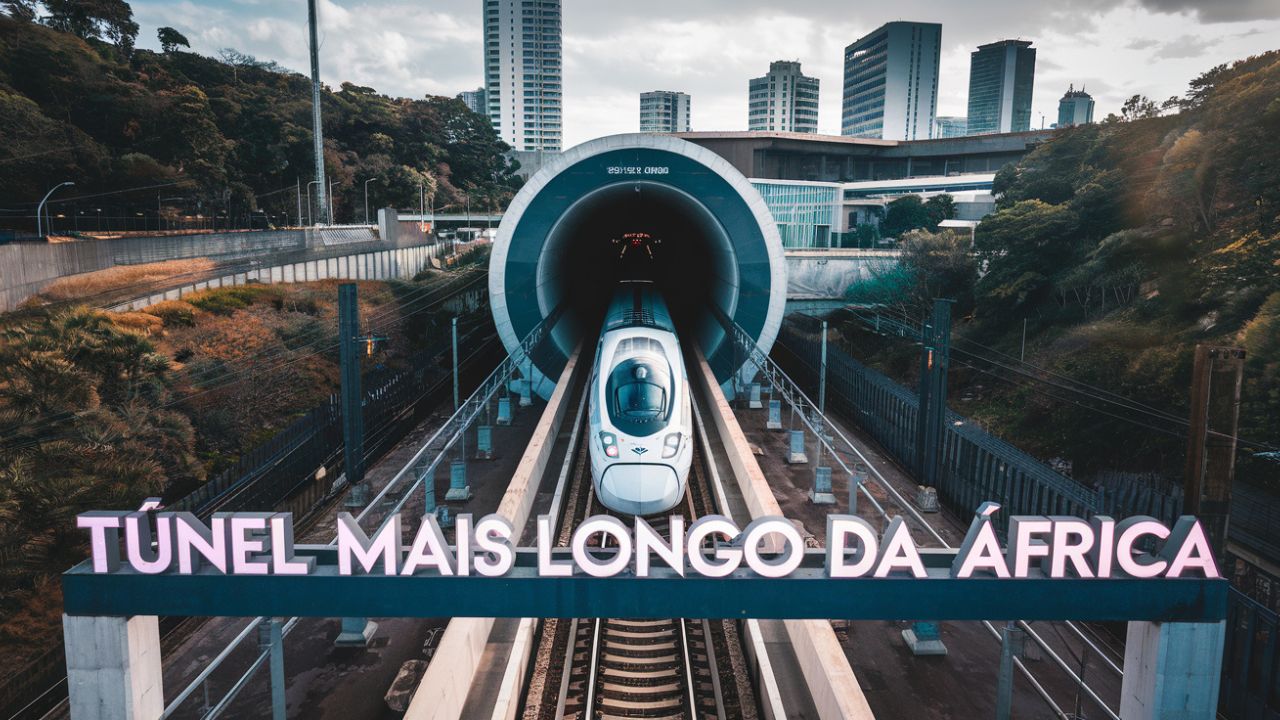


With 15.4 km in length, three underground stations, and cutting-edge technology, the construction of the largest underground tunnel in Africa connects Gauteng at speeds of up to 160 km/h, revolutionizing mobility in the region.
The largest underground tunnel in Africa, built as part of the Gautrain project, connects strategic areas of Gauteng province in South Africa. With a length of 15.4 kilometers and an estimated cost of US$ 3.6 billion, this construction is a milestone in the history of the continent’s infrastructure.
In addition to its impressive dimensions, the tunnel features three underground stations: Johannesburg Park, Rosebank, and Sandton. More than an engineering feat, the project symbolizes progress and innovation, improving the lives of thousands of people daily.
The Construction of the Tunnel That Connects and Transforms Gauteng
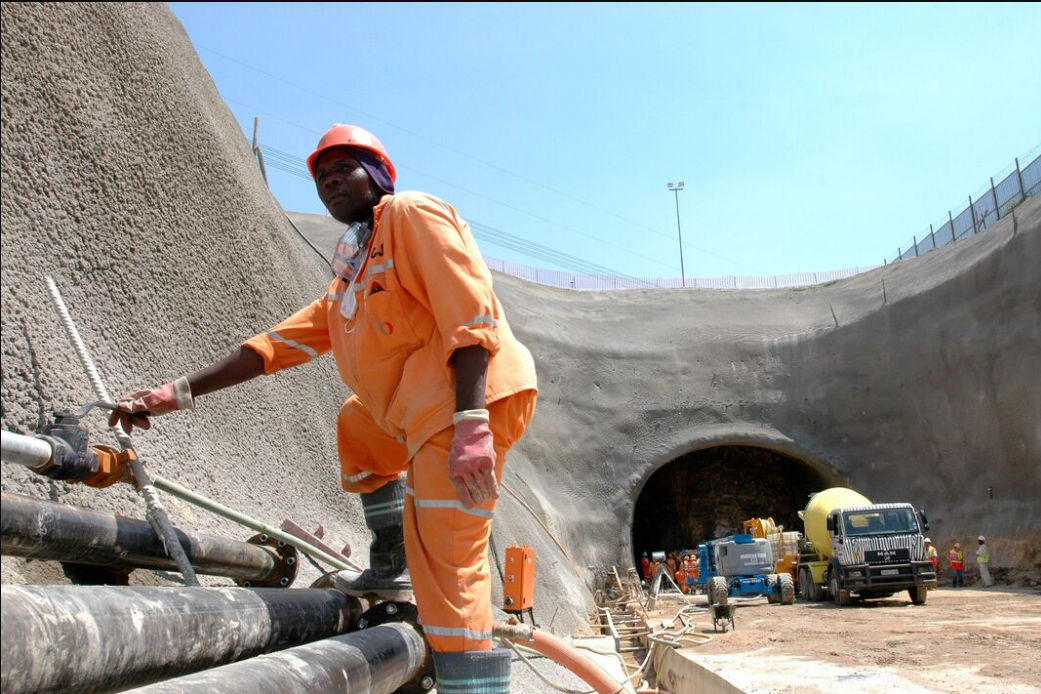
The underground tunnel is part of a larger 80-kilometer route created to integrate Johannesburg, Sandton, Pretoria, and OR Tambo International Airport. The underground stations provide accessibility and connectivity, bringing people closer to important opportunities and destinations.
-
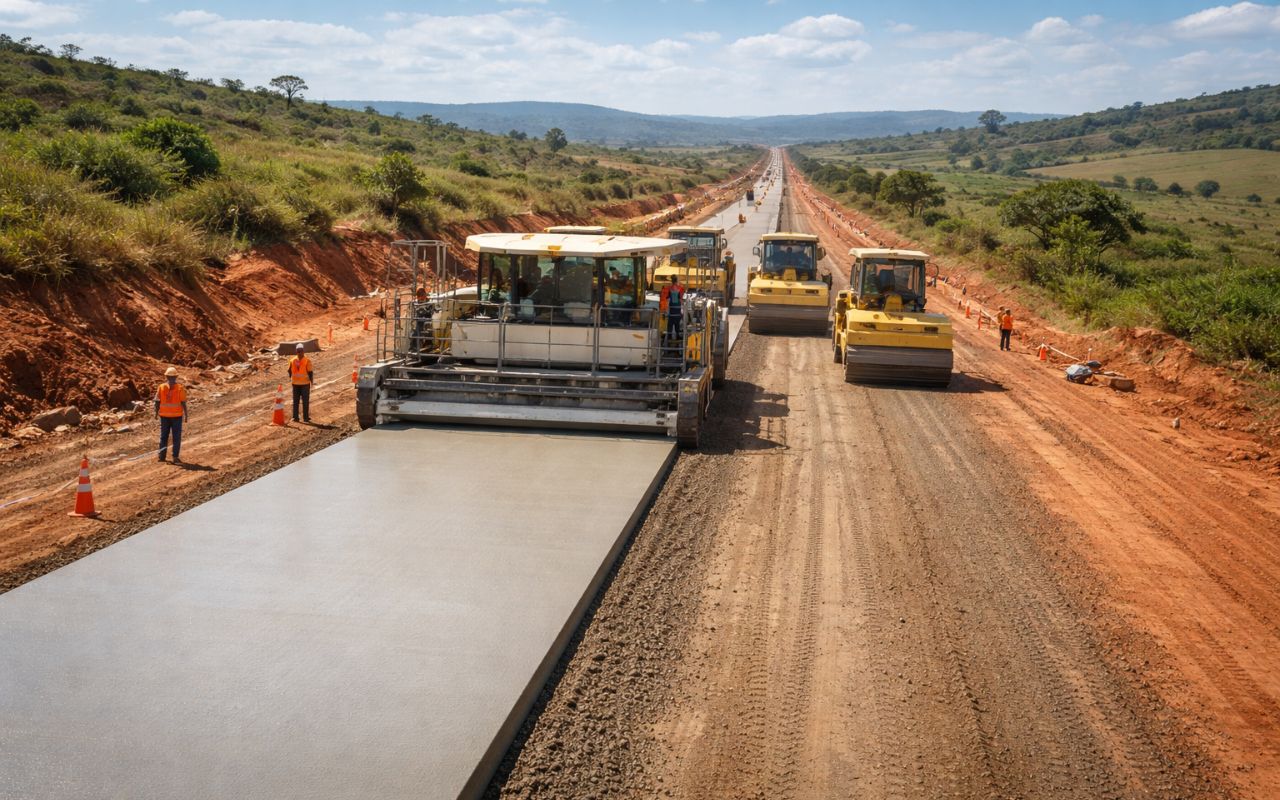
New CCR concrete paving technology promises roads up to 3x more durable, less maintenance, and cost reduction in Brazil.
-
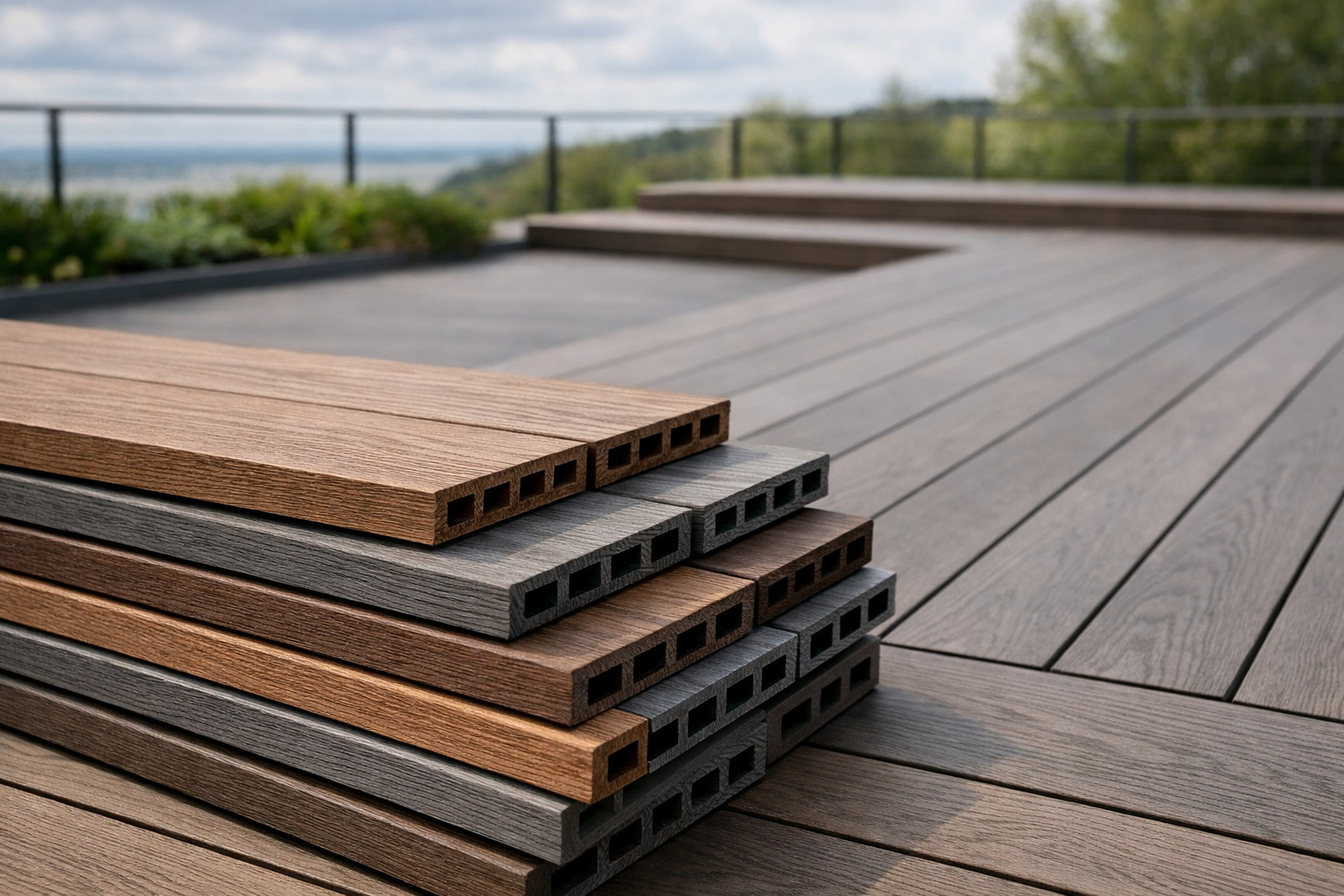
Made from recycled plastic, plastic wood is gaining space in the construction industry because it does not rot, resists moisture, and reduces maintenance costs over the years.
-
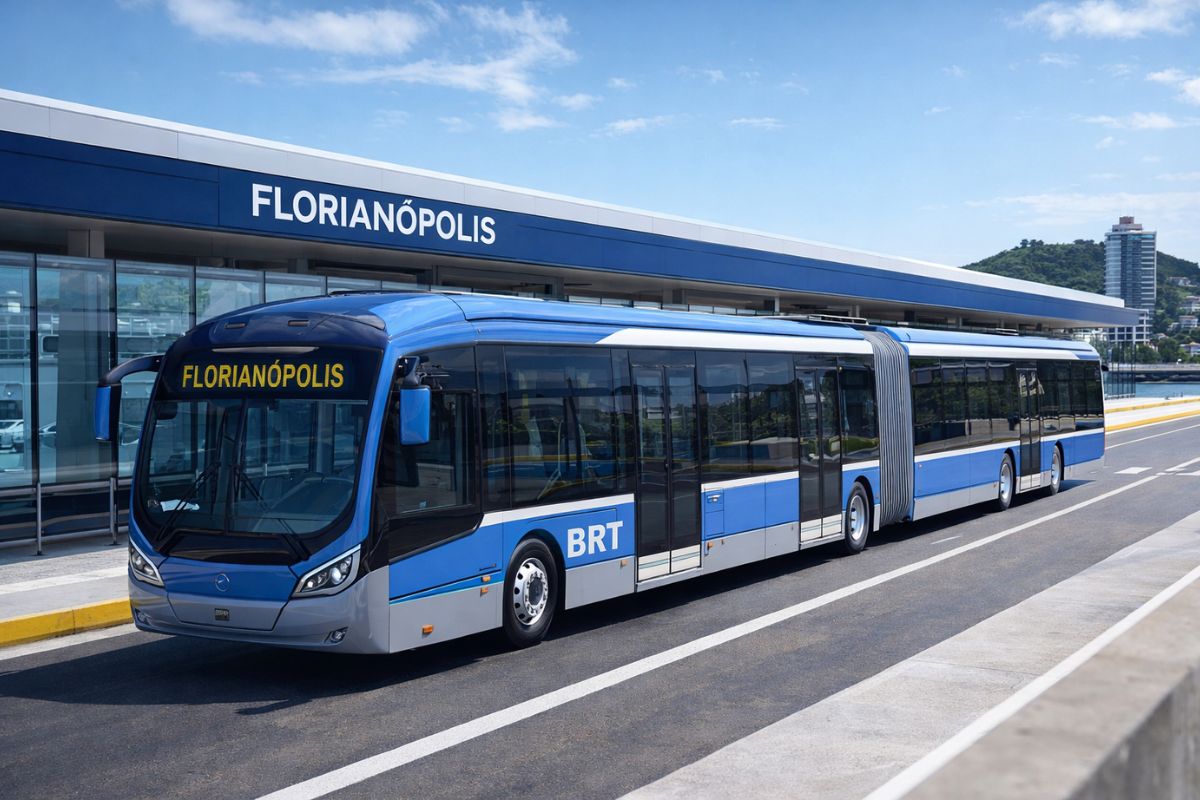
Florianópolis will receive a million-dollar BRT that will begin construction in 2026 with nearly 400 million in funding from the federal government and the Inter-American Development Bank, and the map already shows the routes for the exclusive bus corridors.
-
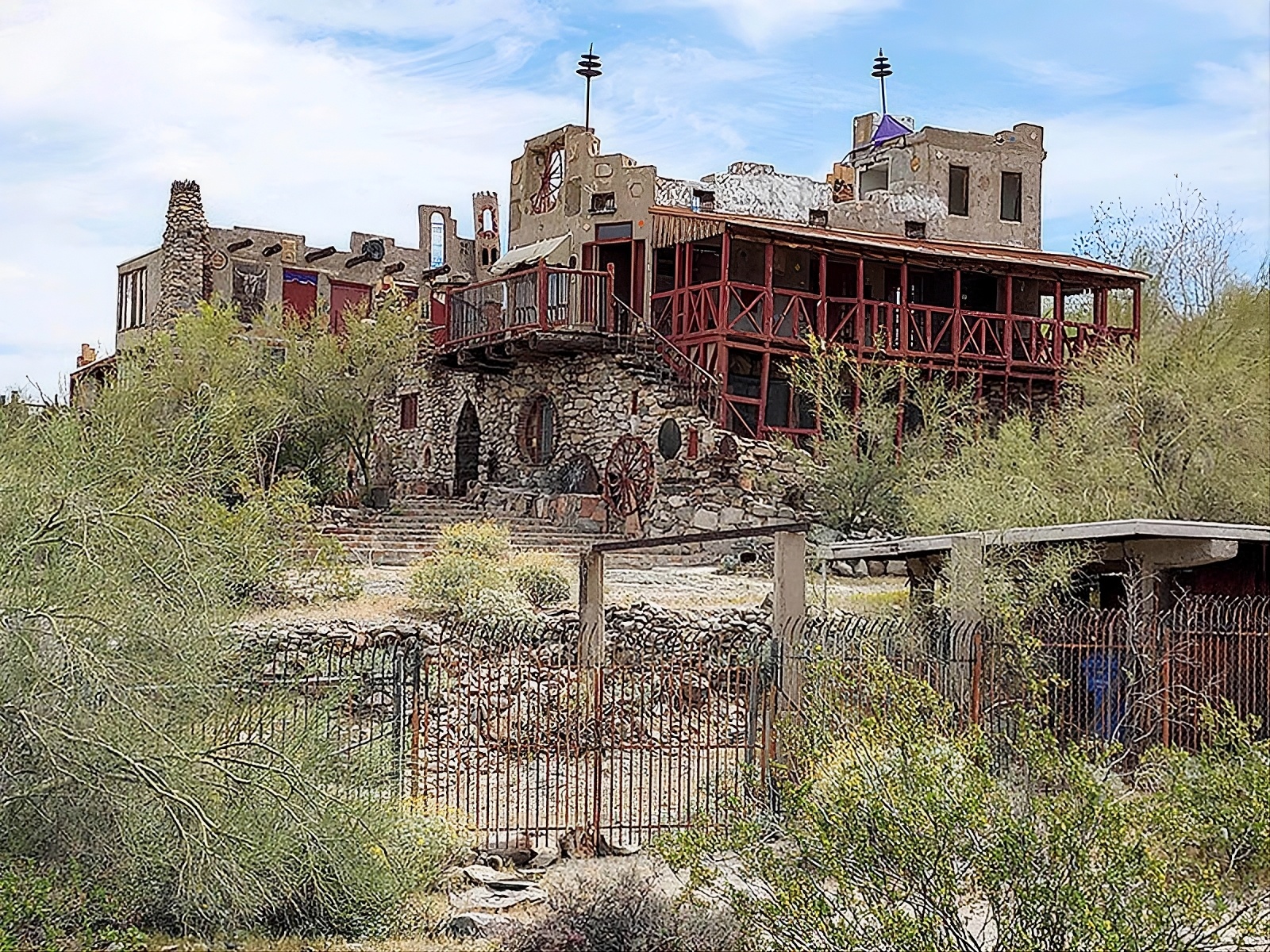
Without a blueprint, without an engineer, and using scrap from the dump, a father spends 15 years building an 18-room castle for his daughter, featuring tram tracks, 13 fireplaces, and over 700 m², which may now be demolished.

With an operational speed of up to 160 km/h, the Gautrain offers a modern alternative to the region’s congested traffic. It not only reduces commuting time but also promotes more sustainable transport, decreasing dependence on private vehicles.
The Engineering Behind the Construction of the Underground Tunnel
Building a tunnel of this size required the use of tunnel boring machines (TBMs) and conventional drilling and blasting techniques. Precision was essential, as any deviation could compromise the structure and functionality of the project.
The lack of magnetic fields and the impossibility of using GPS underground posed significant challenges. Engineers used cutting-edge technology and advanced alignment methods to ensure precision, making the project a global example of engineering excellence.
The Role of Safety and Technology in the Gautrain Project
The tunnel’s infrastructure was designed to prioritize safety. Seven emergency access shafts and safe refuges ensure protection in critical situations. These measures are complemented by continuous monitoring systems.
State-of-the-art equipment in construction ensures that the Gautrain operates flawlessly. The geometry of the tracks and monitoring sensors contribute to a reliable and efficient travel experience.
Relief from Road Congestion in Gauteng
By providing a viable alternative to road transport, the Gautrain significantly reduces traffic jams, saving time and fuel for thousands of people daily.
The tunnel is not just a transport solution; it boosts the local economy, creating jobs and fostering investment in areas near the stations. This impact translates into a higher quality of life for Gauteng residents.
The construction of the largest underground tunnel in Africa goes beyond its impressive dimensions or billion-dollar cost. It represents a leap into the future, where mobility, innovation, and sustainability go hand in hand. Projects like Gautrain show how engineering can transform lives and shape the development of a region. What other wonders does the future hold for us?










Moçambique devia estar neste nível. O nossos irmãos angolanos, unidos pelo passado comum, estão noutro nível. E o que dizer da África do Sul. Sou moçambicano, assíduo no programa Ecos &Factos dos apresentadores Lucas Safeca e o Mário, da TPA. Vejo com inveja, no sentido positivo, das infraestruturas de angola, incluindo o trem recentemente introduzido. Lindo.
Como não ter inveja irmão, aqui esses projectos são para o bolso e nunca para facilitar a vida do povo
Este túnel será só mas um outro caminho pra sacar os Mineiros dos africanos
Embora de forma embrionária, na resposta as necessidades básicas, + vale sempre começar.