





 Portuguese
  English
  Spanish
  3 min of reading
  7 comments


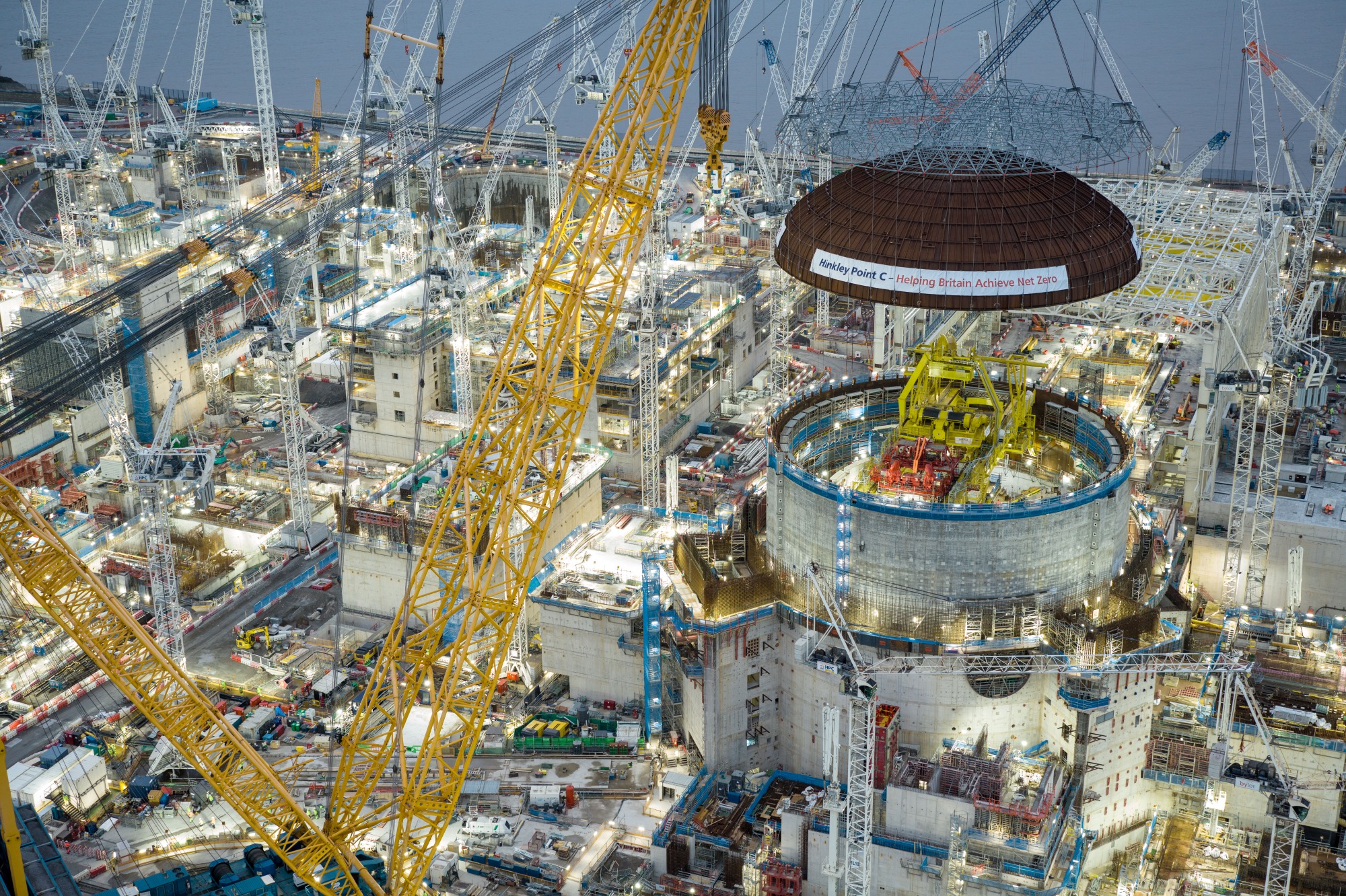


Hinkley Point C consumed 1.2 million m³ of concrete and 230 thousand tons of steel, becoming the largest energy megaproject in Europe.
On the Somerset coast in the UK, Hinkley Point C advances, the megaproject that concentrates the largest amount of materials ever used in an energy construction in recent European history.
According to EDF Energy, responsible for the construction, the following have been used so far:
- 1.2 million m³ of structural concrete
- 230 thousand tons of steel

A volume capable of building a whole medium-sized city or dozens of skyscrapers — dedicated to a single undertaking intended to supply more than 6 million Britons when fully operational.
The Foundation of Hinkley Point C Is One of the Largest Concrete Structures on the Continent
The main foundation of the plant consumed such a large volume of concrete that it required:
-
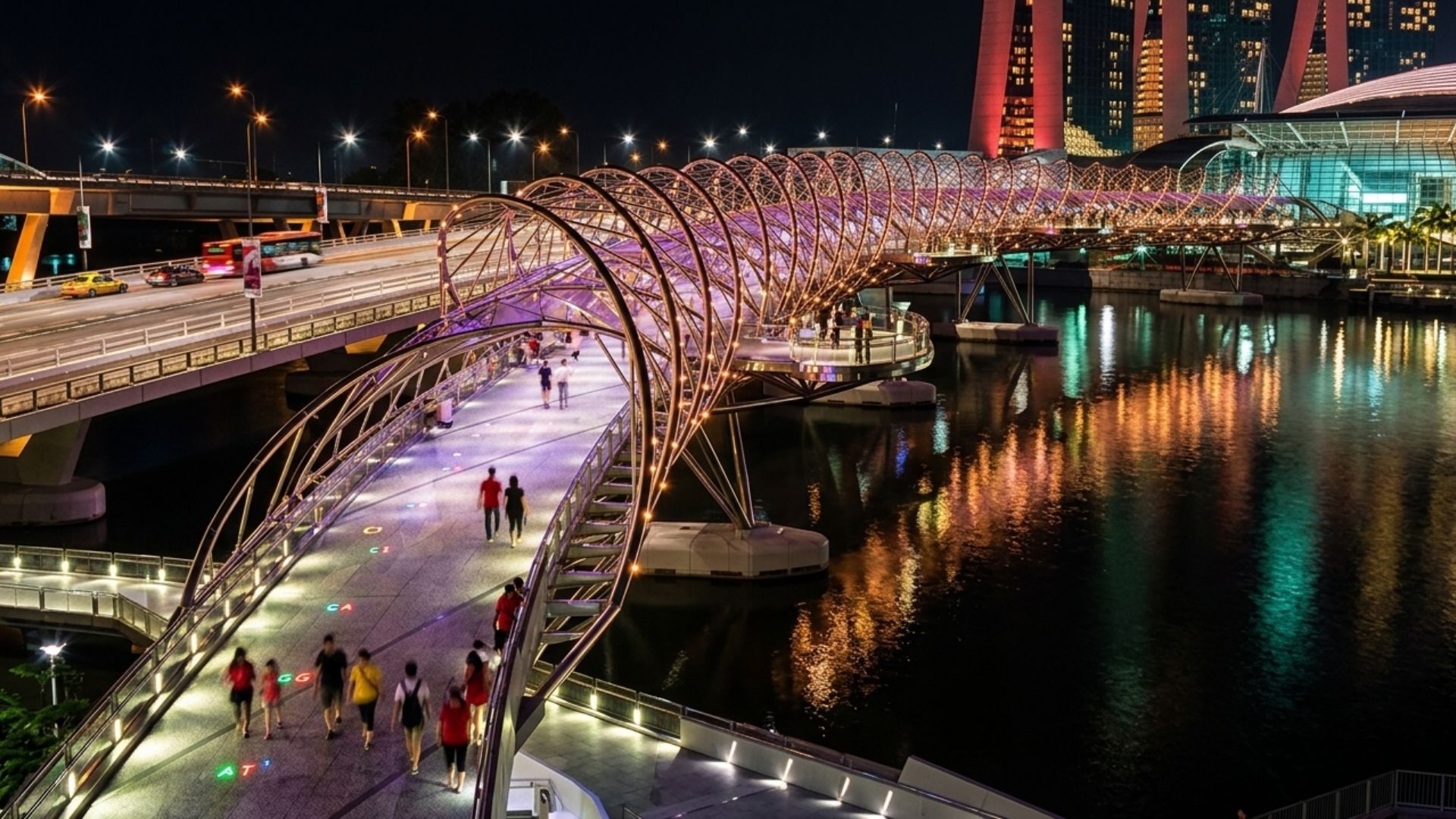
With a DNA shape, this bridge in Singapore draws attention in modern architecture and surprises tourists by transforming a simple crossing into an unforgettable visual experience in the urban heart.
-
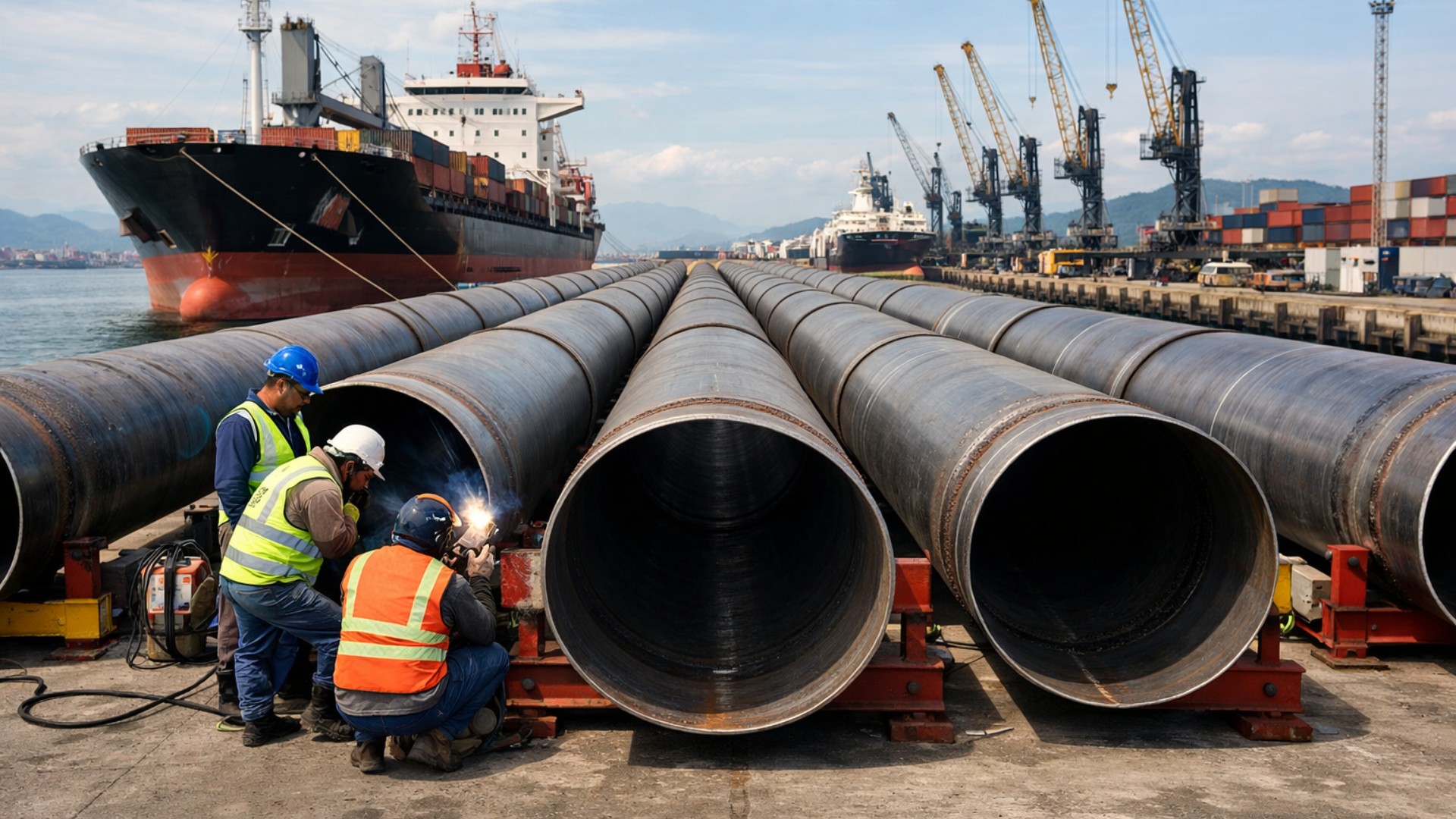
Giant underwater pipeline begins to take shape with a R$ 134.7 million project at the Port of Santos: the 1.7 km structure uses 12-meter and 700 mm pipes to supply water to 450,000 people in Guarujá.
-
A mason reveals a professional plastering technique that uses aligned guides and a 3-meter ruler to plaster an entire wall in up to 3 hours, without visible seams, with uniform thickness, perfect plumb, and a finish ready for painting without rework.

-
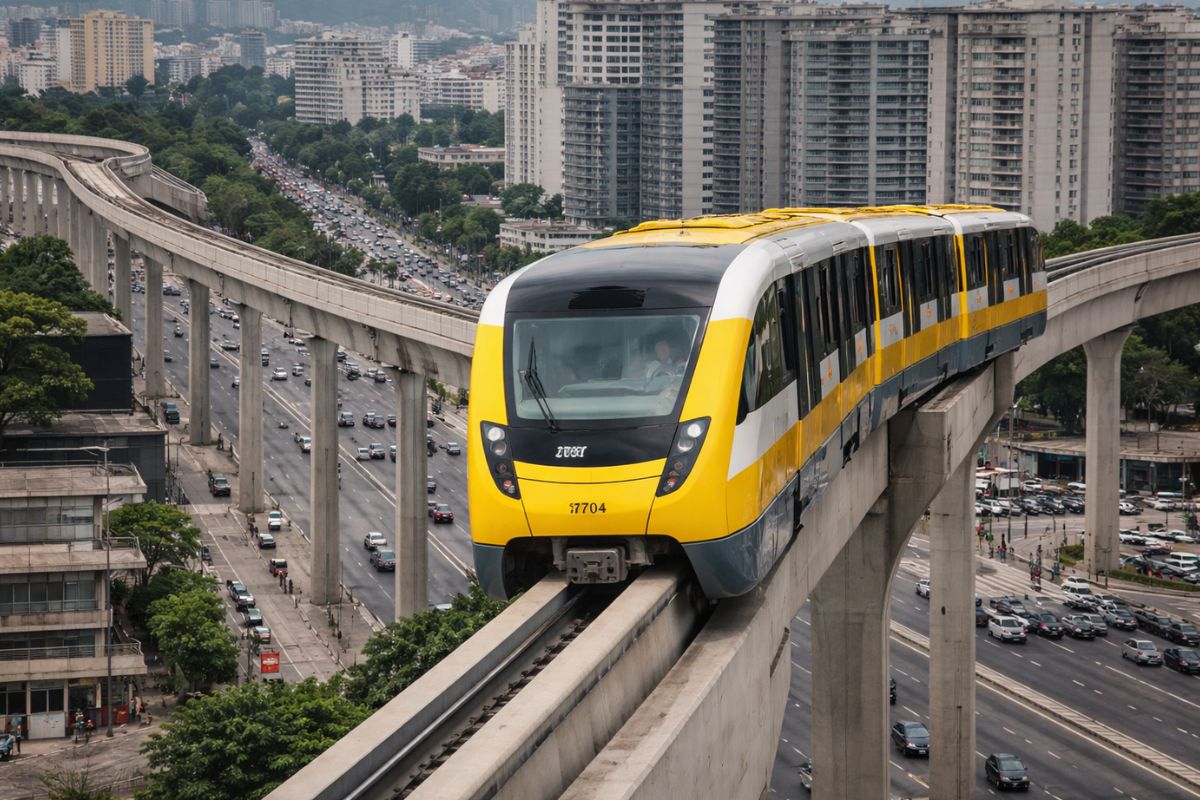
The project that was supposed to be ready for the 2014 World Cup in Brazil debuted with a 12-year delay and nearly R$ 6 billion invested: the Line 17-Gold of the São Paulo monorail opened with reduced hours and is only expected to operate fully in October.

- concrete plants on-site,
- a cooling system to prevent cracking,
- continuous logistics of trucks and high-flow pumps,
- 24-hour thermal control.
The 1.2 million m³ equates to what is necessary to build:
- 600 residential buildings of 10 stories, or
- 32 stadiums the size of Maracanã, considering structural volume.
It is literally one of the largest foundation “slabs” ever constructed in Europe.
Steel Sufficient to Raise Entire Icons of World Engineering
The 230 thousand tons of steel form the backbone of the megaproject. This volume corresponds to the weight of:
- 32 Eiffel Towers, or
- the entire metal structure of a medium-sized city constructed simultaneously.
The steel is distributed among:
- subterranean containment,
- protective rings,
- seismic barriers,
- internal structures of the reactor building,
- essential tunnels and technical galleries for the plant operation.
All assembled with millimeter tolerances, in one of the most audited engineering processes in the world.
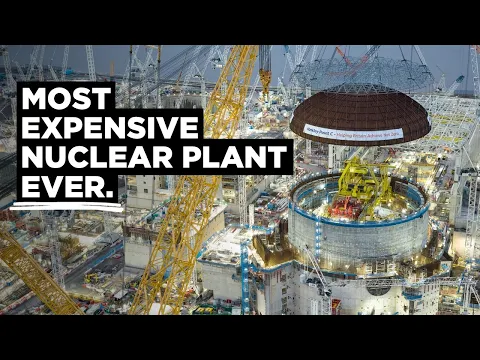

A Construction Site That Turned Into an Entire District
At the peak of the work, more than 8 thousand workers operated daily at Hinkley Point C. To manage such absurd volumes of materials, it was necessary to create:
- two dedicated concrete plants,
- cranes of 1,600 tons,
- a temporary port exclusively for receiving heavy loads,
- internal roads and a dedicated supply system.
No other active energy project in Europe operates with equivalent infrastructure.
Why Hinkley Point C Is Considered an Energy Colossus?
In addition to the colossal materials, the undertaking represents:
- The largest infrastructure investment in the UK in the 21st century
- A plant designed to operate for 60 years
- A central part of the British energy security strategy
- One of the most complex projects ever approved by the European Nuclear Agency
The work should prevent the emission of 9 million tons of CO₂ per year, replacing coal and gas thermal plants.
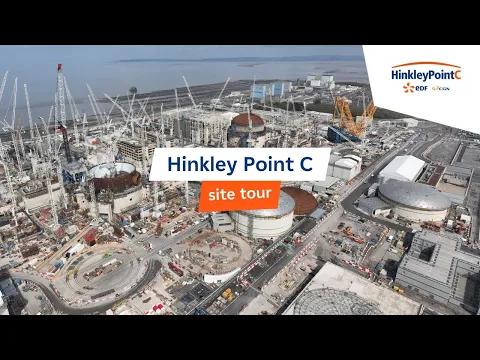
An Absolute Milestone in Global Engineering
Hinkley Point C has already entered history as one of the largest civil works of the century. The volume of materials used, 1.2 million m³ of concrete and 230 thousand tons of steel — places the project on par with megaprojects that defined eras in engineering, such as monumental dams and record-breaking skyscrapers.
It is the type of project that shows, in numbers, how contemporary engineering is still capable of achieving what seems impossible and how each cubic meter of concrete and each ton of steel is part of a gigantic structure that will supply an entire country.









É uma fantástica obra de Engenharia mas é mais um lixo de usina nuclear, 10 vezes pior que termoelétricas a lenha ou carvão. Gera o pior lixo tóxico do mundo
Agora coloquem uma boa reportagem sobre Itaipu, que bate TODOS os números desta aqui!
FANTÀSTICO…