





 Portuguese
  English
  Spanish
  3 min of reading
  87 comments


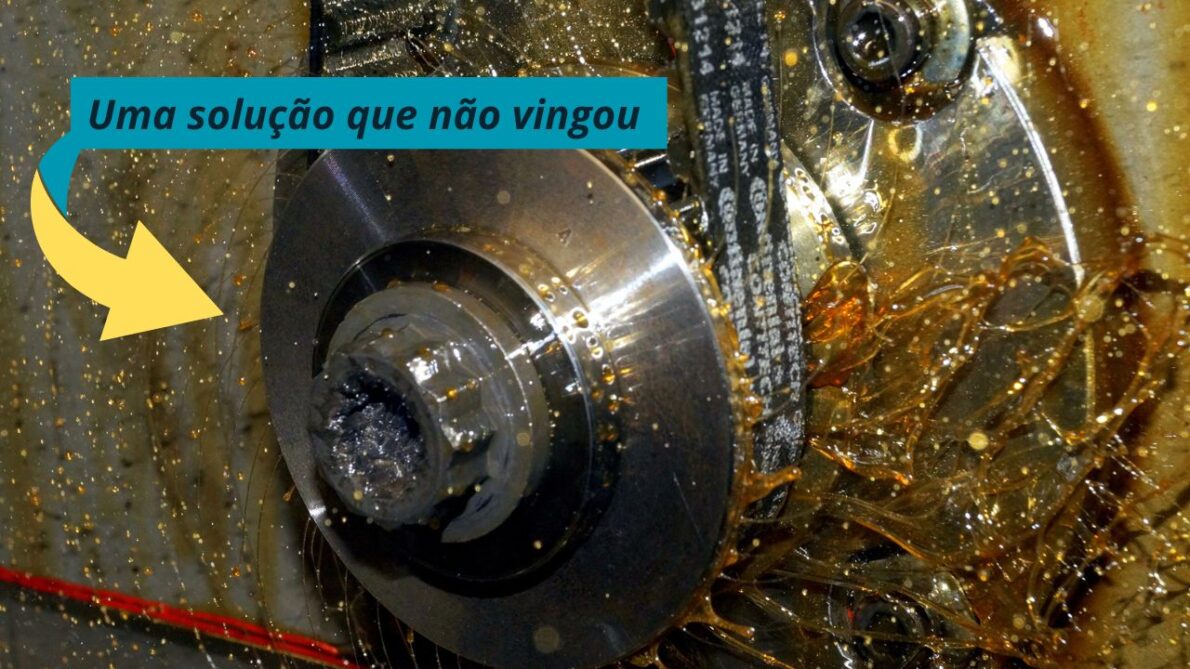


Imagine a bright idea that promises to revolutionize the automotive industry, but in practice, turns into a nightmare for those who use it. The famous oil-fed belt emerged in the 2000s as a miraculous solution for engine operation, with promises of greater durability and efficiency. However, as many vehicle owners discovered, the dream turned into a mechanical horror movie with alert lights flashing and costly repairs.
How did the oil-fed belt come about? The timing belt had been well known since the 1960s, when it began to be used in engines for its ability to efficiently operate the valve timing. In the 2000s, a new version was introduced: the oil-fed belt. In theory, it seemed perfect: the lubrication promised to reduce friction, increase lifespan, and improve performance. Ford was a pioneer in this innovation with the Dual Torque 1.8 TDCI engine, used in various models in Europe.
The main advantage would be the reduction of wear, allowing the belt to last up to 240,000 km, or 10 years, much more than conventional belts, which last on average 160,000 km. However, in practice, this solution began to present serious problems, with reports of premature wear, debris in the oil, and severe engine damage.
Why the Oil-Fed Belt Didn’t Work?
Although the idea seemed brilliant, in practice, the oil-fed belt began to generate a series of headaches for owners. The main problem is that, contrary to expectations, the constant contact of the belt with the lubricating oil caused accelerated wear of the part. Over time, the belt released debris that accumulated in the oil sump, hindering the circulation of the oil and obstructing the engine’s lubrication system.
-
A 250cc motorcycle that can reach 560 km with a 14-liter tank, features disc brakes on both wheels and is among the most well-known in Brazil.
-
Man finds over 200 rare cars abandoned on a lot and tries to do the impossible in 8 hours with a surprise at the end.
-
An irregular parking case gains attention after a Mercedes Classe A was removed in such a strange way that it even raised doubts about damage to the car.

-
Costing R$ 16,000, the new Yamaha features a 125 cc hybrid engine with electric assistance, delivers 8.3 hp, includes ABS, optimized fuel consumption, Y-Connect connectivity, 25 liters of storage space, and a surprising 4-year warranty in the urban segment.

The engine’s operation with this belt suffered from temperature issues. The oil reached between 185°F and 194°F under normal conditions, which, coupled with the constant pressure from turbines in some engines, like three-cylinder ones, further accelerated the belt’s wear.
The Risks and Costs of Using This Technology
When the oil-fed belt wears out, the risk isn’t limited to a simple parts replacement. If the belt fails, the engine’s synchronization is lost, which can lead to the valves colliding with the pistons, causing severe damage. Obstructions in the lubrication system can result in a drop in oil pressure, causing the engine to enter emergency mode or even stop completely.
And the problem doesn’t stop there: repairs are expensive and complex. Replacing the belt in an engine with this technology requires taking apart several parts of the car, and maintenance costs skyrocket. There are reports that in vehicles like the Ford Ka, Chevrolet Onix, and Tracker, popular models in Brazil, owners face difficulties keeping the mechanics in order.
A Solution That Didn’t Take Off


Despite the initial promises, the oil-fed belt proved to be a more problematic solution than efficient. With complaints coming from various parts of the world, including Brazil, the technology was progressively abandoned by automakers, who went back to investing in simpler and more reliable systems.
For those who own vehicles with this mechanics, the recommendation is clear: double the maintenance care, always use the oil recommended by the manufacturer, and replace the belt before the specified deadline to avoid unpleasant surprises.
What seemed to be a revolutionary innovation turned into a mechanical nightmare, leaving many drivers frustrated and automakers with their reputation tarnished. Who would have thought that a simple belt could cause so much trouble?









Onix correia banhada a óleo dá problema, GM diz que tem que usar óleo específico, Se o proprietário usar o Mobil 5w30 API SP Dexos 1 gen 3 (um padrão da GM) ela afirma que tem que ser o AcDelco com mesmo padrão, se usar a marca recomendada e ainda assim der problema a GM diz que as trocas não foram feitas de forma correta. Ou seja a culpa nunca é dela.
Entre os fatores que causam a degradação precoce desse tipo de correias, está além de não utilizar o lubrificante recomendado pelo fabricante, bem como reconhecer que o uso do veículo é severo ou não, o que reduz pela metade o intervalo de trocas do lubrificante. Lubrificante esse que além de degradar pelo desgaste das peças móveis, degrada também pela contaminação que sofre pelo combustível, que trazem impurezas como o enxofre entre outros que causam a degradação precoce das correias embebidas em óleo lubrificante. Tiro no pé das montadoras que quiseram reduzir os custos de produção, e repassando esse ônus ao proprietário do veículo com esses motores. A GM amarga altos estoques de modelos com esse motor, e insistiu em lançar a Montana com o mesmo motor.
Fiquei chateado com essa modernidade de motores. Gostei muito do Onix, principalmente do RS, já no pensamento de aquisição do veículo, mas infelizmente com esses vários problemas relatados com essa tal de correia banhada a óleo. Desistir. Creio que os amantes do RS perderam, como a GM com certeza perdeu também