





 Portuguese
  English
  Spanish
  4 min of reading
  9 comments


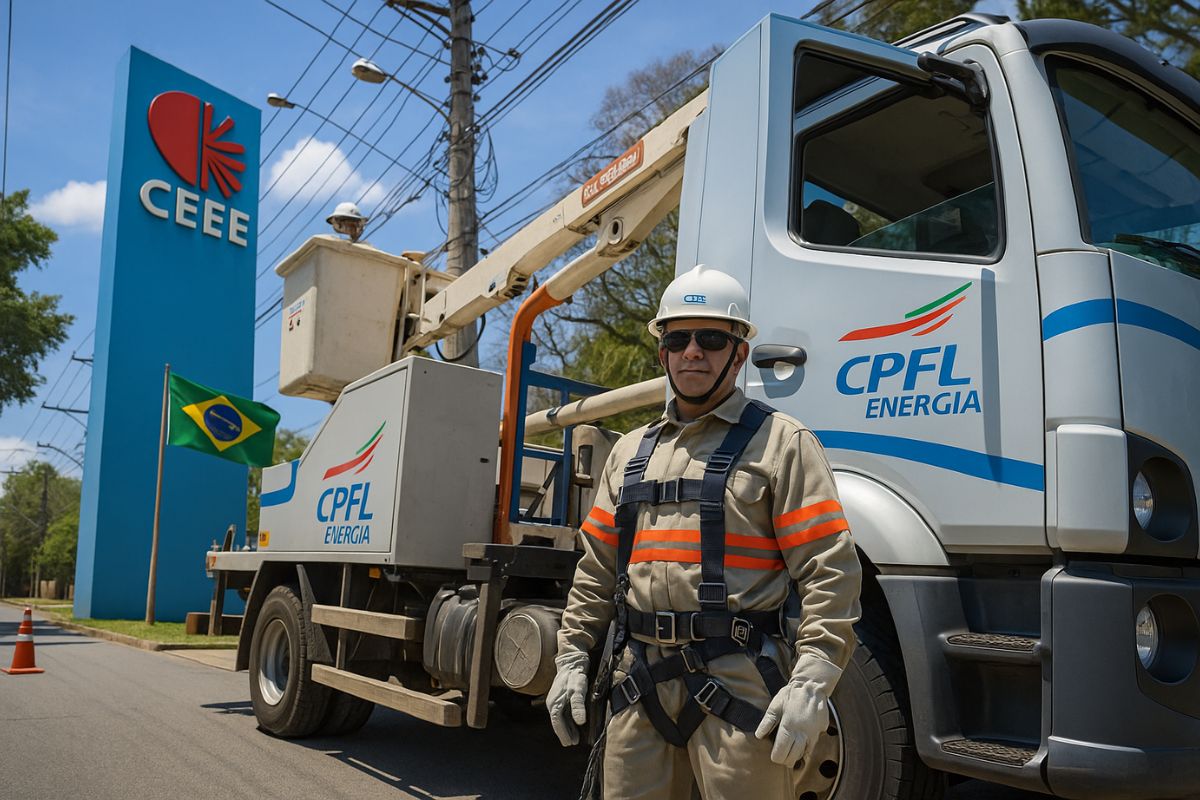


While CPFL, Acquired by the Chinese State Grid, Became One of the Best Distributors in the Country, CEEE, Privatized to Equatorial, Suffered the Lowest Position in Quality Rankings, Revealing Two Opposing Realities.
In the electric sector of Southern Brazil, a silent “war” is being waged. On one side, CPFL, which serves parts of Rio Grande do Sul and São Paulo, has become a model of efficiency and high performance after being bought by the giant Chinese State Grid. On the other, the gaucho CEEE, which passed into the hands of Equatorial Energia, plunged into an operational crisis, being classified as the worst distributor in the country.
The story of these two companies, which were once state-owned, is a case study on the different outcomes of privatization in Brazil. It shows how the success of a sale does not depend only on who buys but, mainly, on the conditions in which the asset is sold, creating a quality gap that directly affects the lives of millions of Brazilians.
The Privatization Scenario: Two Waves That Changed the Energy Map in the South
The process of privatization in the Brazilian electric sector occurred in two major waves. The first, in the 1990s, was marked by the sale of healthy assets. It was during this period, in November 1997, that CPFL was privatized by the São Paulo government, being auctioned off in a competitive bidding process by a consortium of major Brazilian groups.
-
Spain surprises the world by erecting 62 artificial dunes, mixing sand with natural remains of posidonia, and causing the structure to lose only 1.4% of its volume in 1 year.

-
With 16 Bulava missiles, improvements in acoustic stealth, and a design focused on silent patrols, Russia’s nuclear submarine was born to ensure Moscow’s invisible retaliation and has become one of the pillars of its maritime strength.

-
‘Populous’ city in Rio among the worst in Brazil in national ranking and exposes silent development crisis.
-
Couple buys house in the South Zone of São Paulo, opens a hidden door in the garage, and finds a secret wine cellar with dozens of old wines forgotten since the 1970s.

The second wave, more recent, in the 2020s, had a different character. It focused on the transfer of state-owned companies that had become a financial burden for their governments, as was the case with CEEE in Rio Grande do Sul.
The Case of CEEE: The Sale of a Debt-Ridden State Company for R$ 100 Thousand
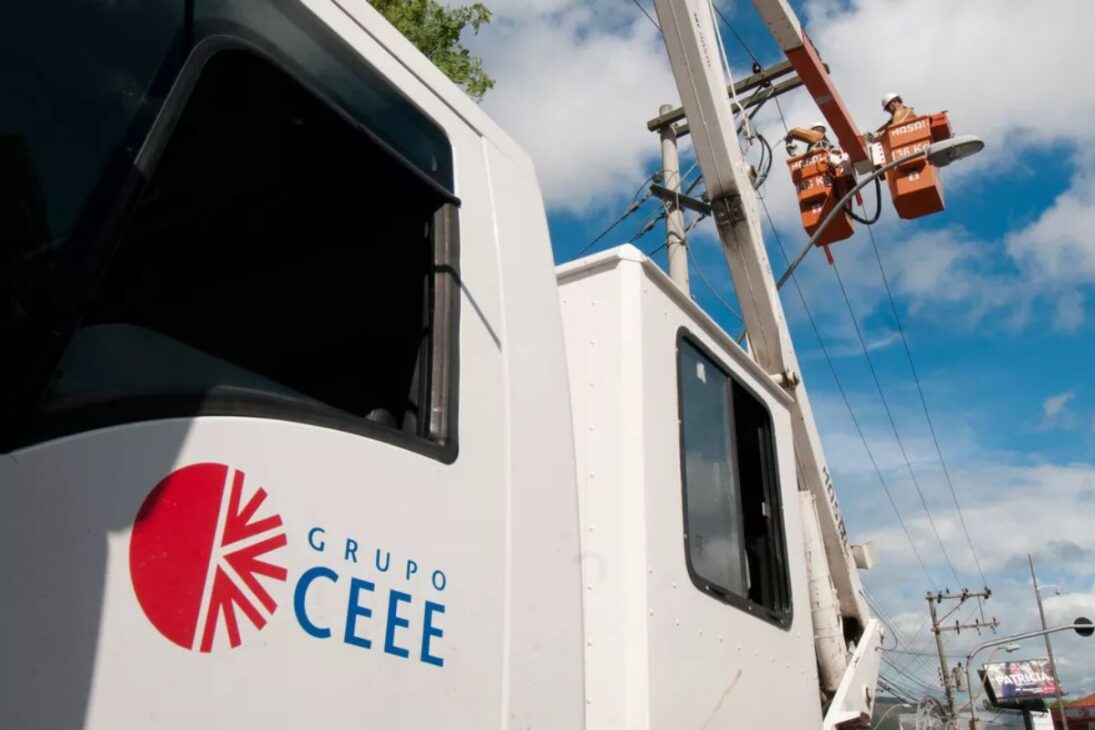
Founded in 1943, CEEE was for decades a pillar of gaucho development. However, in recent decades, the company entered a downward spiral. With a debt of nearly R$ 7 billion and no capacity for investment, the company could no longer meet the quality targets required by ANEEL.
Privatization became a necessity to avoid the collapse of service. On March 31, 2021, CEEE-D (distribution) was auctioned. Equatorial Energia was the only interested party and acquired the company for the symbolic value of R$ 100,000. The true cost, however, was taking on the billion-dollar liability and the mission to recover a dilapidated network.
The Case of CPFL: The Billion-Dollar Arrival of the Chinese State Grid and the Efficiency Model
CPFL’s trajectory was the opposite. Privatized in 1997, it became one of the largest and most efficient private energy groups in Brazil. In 2016, the giant Chinese State Grid, the world’s largest energy company, began a movement to acquire its control.
In January 2017, State Grid completed the purchase of 54.64% of CPFL in a transaction of R$ 14.19 billion. The Chinese company did not buy a problem, but one of the gems of the Brazilian electric sector, with a strategy to inject even more capital for modernization and growth.
The ANEEL Verdict: CPFL at the Top and CEEE Equatorial at the Bottom of the Well in 2024
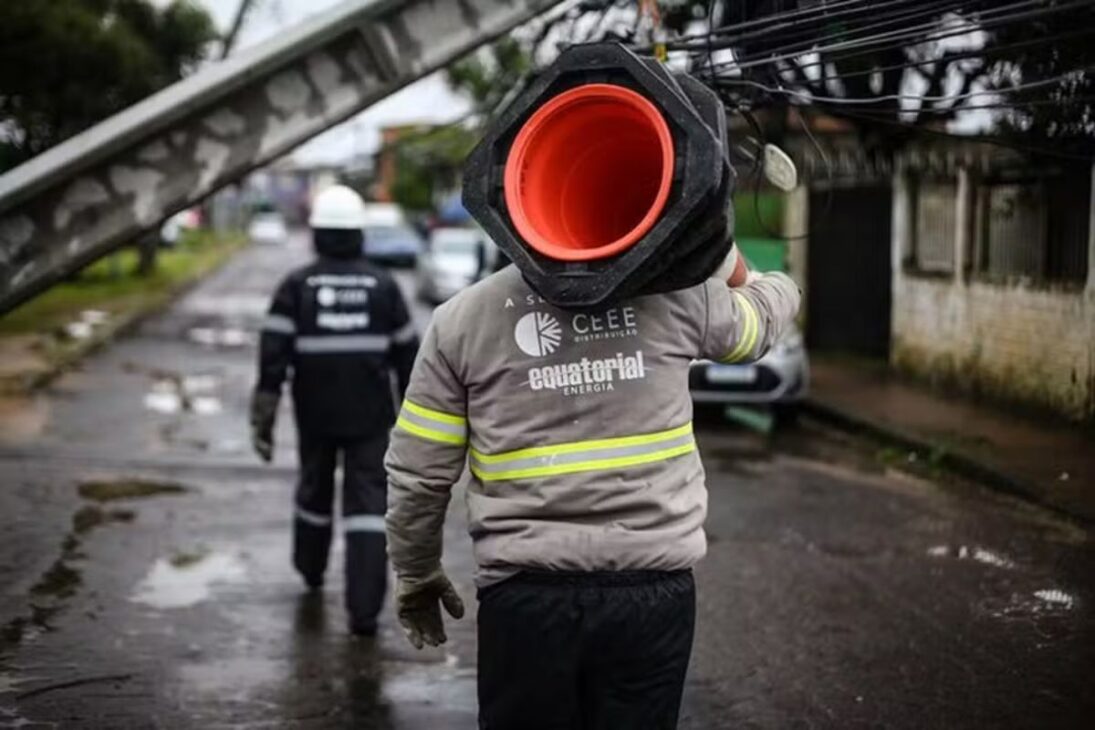
The difference between the two companies is evident in the official data from the National Electric Energy Agency (ANEEL). In the 2024 quality ranking, which measures the duration and frequency of power outages, the result was a chasm:
CPFL: its distributors dominated the top of the ranking. CPFL Santa Cruz ranked 1st as the best in Brazil, and CPFL Paulista ranked 6th.
CEEE Equatorial: suffered in the 31st and last position among the major distributors in the country, with the worst quality index in its history.
Why the Privatization Model is Not a Magical Formula
The case of the “Energy War” in the South shows that the success of a privatization is not an ideological issue, but a consequence of concrete factors. CPFL was already a healthy company when it was acquired by the Chinese State Grid, which arrived with a massive investment strategy to optimize what was already good.
CEEE, on the other hand, was sold as a bankrupt company. Equatorial took on the difficult mission of reversing decades of underinvestment, a complex and time-consuming task. The lesson to be learned is that the model and conditions of privatization matter much more than the simple transfer of control from public to private.








Aqui no Rio Grande do Sul, a CEEE ficou pior ainda e mais caro.
Deveria se proibido privatizar recursos estratégicos , foi na gestão do Doria me parece que isso aconteceu
Eu gostaria muito que outros assuntos de interesse do povo fossem publicados. De minha parte, caso isto aconteça, preparem-se para ler umas sinceridades bem recheadas…