





 Portuguese
  English
  Spanish
  4 min of reading
  10 comments





Brazilian Construction Sector Faces Unusual Challenge: As the Number of Projects Increases, the Shortage of Qualified Labor Threatens to Paralyze Projects and Raise Operational Costs.
The construction sector in Brazil is living an unsettling paradox: while sales and hiring numbers rise, the lack of qualified labor threatens to stifle growth.
The situation is more complex than it seems and involves high costs, movements between regions, and even a change in the profile of workers.
The numbers are concerning and reveal the magnitude of the challenge, affecting everything from small residential projects to large infrastructure undertakings.
-
A new Brazilian shopping center worth R$ 400 million will be built in an area equivalent to more than 4 football fields, featuring 90 stores, 5 cinemas, a supermarket, a college, and parking for 1,700 cars, potentially generating 3,000 jobs.

-
Larger than entire cities in Brazil: BYD is building a 4.6 km² complex in Bahia with a capacity for 600,000 vehicles per year, but the discovery of 163 workers in conditions analogous to slavery has shaken the entire project.

-
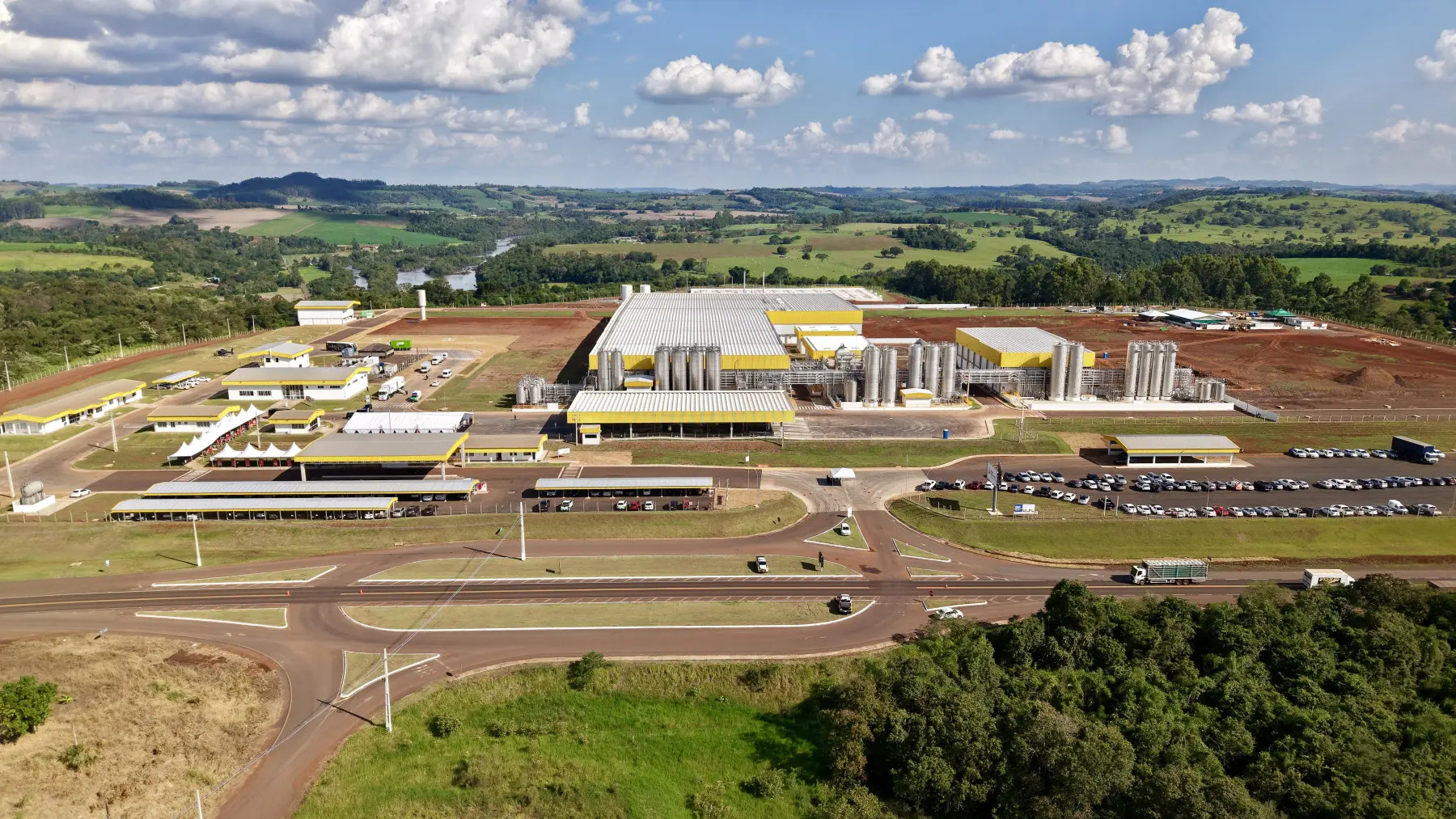
With an investment of R$ 612 million, a capacity to process 1.2 million liters of milk per day, Piracanjuba inaugurates a mega cheese factory that increases national production, reduces dependence on imports, and repositions Brazil on the global dairy map.
-
Brazilian city gains industrial hub for 85 companies that is equivalent to 55 football fields.


According to the Construction Survey by FGV IBRE, the lack of qualified labor has become the main complaint among companies in the sector, even surpassing the lack of demand for projects.
In the last three years, the number of companies facing difficulties in hiring qualified workers jumped from 10.7% to an impressive 71.2%.
In Ceará, one of the most affected states, the deficit is so severe that heavy construction companies are being forced to import labor from other cities and even from other states.
According to a report published on Wednesday (06) by the newspaper Diário do Nordeste, this movement generates additional costs for accommodating and transporting workers who are away from their homes for up to 30 days, as explained by Eduardo Aguiar Benevides, vice-president of finance at Sinconpe-CE (Ceará Heavy Construction Industry Union).
Training and Development as an Emergency Solution
To try to address the lack of qualified workers, Sinconpe-CE has invested in training programs, especially for machine operators, one of the most in-demand roles.
Patriolino Dias, president of the Ceará Civil Construction Industry Union (Sinduscon-CE), pointed out that companies themselves have been offering training to attract more professionals, especially young people, to the sector.
Dias warns that the average age of workers in construction has significantly increased, rising from around 25 to 28 years to over 40 years.
This aging workforce is concerning, especially due to the lack of young people entering the field, which may compromise the sector’s renewal and dynamism in the future.
The Impact of the Minha Casa, Minha Vida Program
The high demand, driven by programs like Minha Casa, Minha Vida and the positive employment scenario, also exacerbates the labor crisis, as explained by Ana Maria Castelo, coordinator of Construction Projects at FGV Ibre.
With the need to maintain productivity to avoid halts, construction companies have sought to adopt new technologies and make the sector more attractive to underrepresented groups, including women.
Castelo states that the sector needs to modernize its techniques and increase the use of industrial processes.
“The construction industry is still predominantly artisanal and suffers from low industrialization”, she explained, emphasizing that this transformation is urgent to reduce the sector’s vulnerability to new crises.
Rising Costs and the National Construction Cost Index
To address the shortage of workers, many companies are raising salaries and investing in training and team relocation.
However, this movement comes at a price. The National Labor Cost Index (INCC) has recorded an increase of over 7%, surpassing inflation during the same period.
According to Ana Maria Castelo, this inflationary pressure is expected to persist, impacting the final cost of projects and the budgets of companies.
Despite the challenges, companies indicate that they will continue hiring more than they are laying off, which should keep the market vibrant.
However, the scenario requires adaptations to prevent rising costs from making projects unfeasible.
Demand for 360 Thousand Professionals from 2025 to 2027
Another important point is the projected demand for qualified labor in the coming years.
According to the Industrial Labor Map from the National Industry Observatory, the industrial sector of Ceará will need around 380,000 professionals between 2025 and 2027.
Of that total, 316,000 will need training and development to remain competitive, while only 64,000 will represent professionals with initial training.
The construction sector will have the second largest demand, needing over 40,000 professionals, especially those with training in development and training.
In other areas, such as logistics and transportation, as well as the leather and footwear sector, demand is also expected to grow significantly.
Changes in the Workforce Profile and Challenges for the Sector
Sônia Parente, professional education manager at Senai-CE, emphasized the importance of changing perceptions about civil construction.
“Working in civil construction is not just manual labor; there are opportunities for those who invest in qualification”, she stated.
She highlights that a worker may start as a mason, but by investing in training, they can advance to roles such as ceramic tiler, expanding their possibilities in the sector.
The prospect of new building methods requires increasingly specific skills, and the sector still carries a stigma of purely manual labor, which discourages many young people.
However, as Parente emphasizes, professionalization is essential to fill the positions that will continue to be generated.
Future of Civil Construction: A Crisis that Requires Action
The construction sector needs to rethink its strategies to tackle the worker shortage.
The current crisis demands a coordinated action among companies, unions, and educational institutions, focusing on training and technological updates.
The market’s momentum, driven by housing programs and increased demand for infrastructure, makes it clear that the sector’s transformation is not only necessary but urgent.
With so many opportunities and a vibrant market, the question remains: will the construction sector be able to overcome the shortage of qualified labor and prepare for the future?








Sindicato da contrução civil nunca prestou é verdadeira mente uma porqueira um lixo isso é fato real 👍
Pois eu trabalho na construção civil a mais de 20 anos de experiência pois é raro pra mim ter oportunidades de emprego como pedreiro azulejista carpinteiro encanador em falta no mercado pois o que falta mesmo pra mim é que as empresas ou construtoras,,saibam dar valor pra nós da mão de obra e pagar o salário que vale ,,pois isso pra mim é a verdade ,,e não dizer que falta mão de obra…
Se eu mesmo receber uma oferta de emprego e que os valores sejam justo aí sim tenho a capacidade de ir trabalhar em qualquer lugar do país que me chamarem,,,
Pois é isso a minha questão de opinião.
Obrigado a todos que leram essa Msg.
A maioria dos profissionais estão aposentados e quando construtoras recrutam esses profissionais querem pagar pouco porque recebem benefício,a maioria deles prefere trabalhar por conta própria ou até abrir seu próprio negócio e essa tendência é um caminho sem volta porque eles ganham o triplo do que ganhariam por regime de C.L.T eles estão de saco cheio de canteiro de obras.