





 Portuguese
  English
  Spanish
  5 min of reading
  0 comments


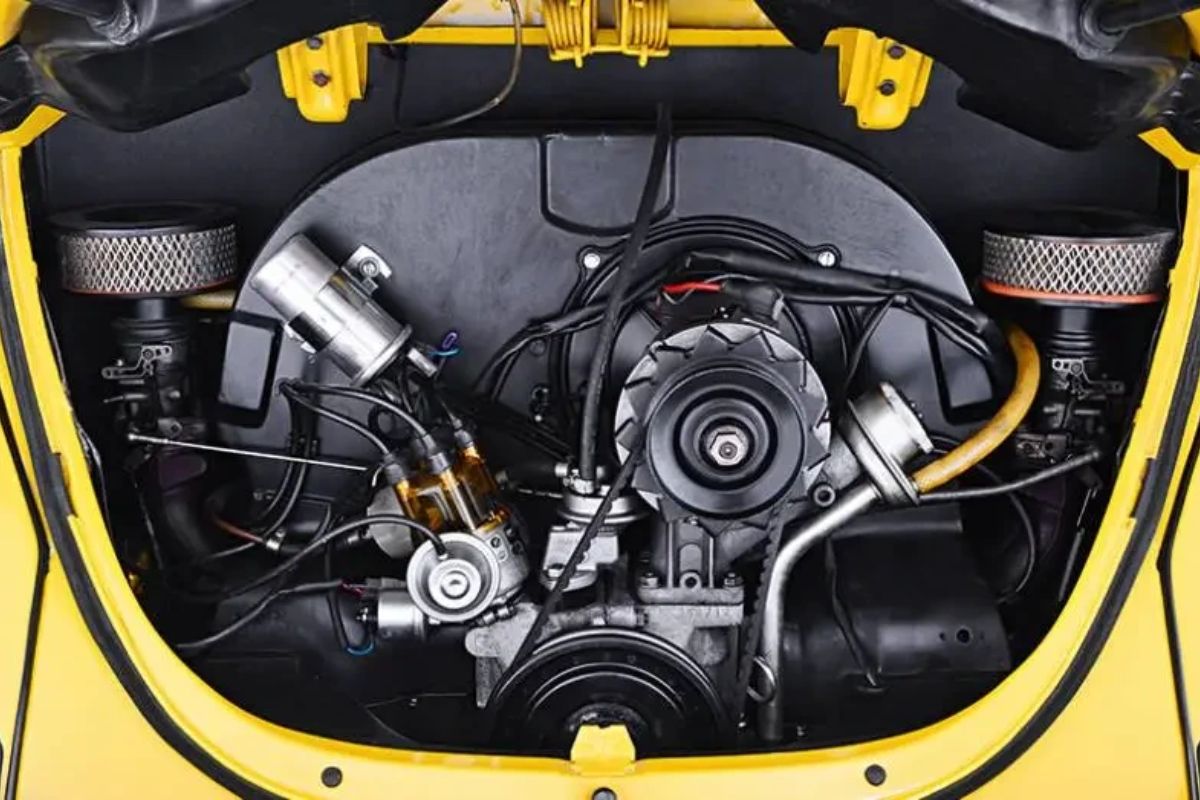
Understand How Dual Carburation Revolutionized Engines, Boosted the Performance of National Cars, and Became an Icon for Enthusiasts in Brazil.
Dual carburation represents a clever engineering solution. It consists of using two carburetors to optimize the air-fuel mixture in engines, aiming to enhance performance. In Brazil, this technology flourished during a period of limited options and import restrictions, becoming vital for tuners and manufacturers.
More than a mechanical trick, it became a symbol of sportiness. It marked an era of national automotive engineering, where creativity shaped iconic cars. This article details the journey of dual carburation in the country, its technical aspects, and its lasting legacy.
What Is Dual Carburation and How Does It Work for More Power?
The implementation of two carburetors aims to increase the intake capacity of the air-fuel mixture. This allows for a more efficient “filling” of the cylinders, especially at high RPMs. The result is more power and torque for the engine.
-
A forgotten cord on the floor of a basement in Vienna leads a plumber to a box containing 30 kilograms of gold with Mozart’s face, hidden before World War II. The treasure, worth 2.3 million euros, was just centimeters away from a worker who ignored the sign a day earlier.

-
A couple buys an old chalet, breaks the kitchen floor for renovation, and finds over a thousand coins of gold and silver hidden since the English Civil War over 4 centuries ago.

-
Rigid bags with their days numbered: new trend prioritizes comfort in 2026.

-
YouTuber creates an excavator equipped with a giant 4.5-meter sword to challenge his brother to a rematch, and the invention quickly goes viral on social media.

The advantages are notable. The main benefit is the increase in power and torque. The Volkswagen Brasília, with a 1600 engine and dual carburation, gained 5 hp. Furthermore, it provides better throttle response and superior performance at high RPMs. Some reports indicate smoother and more efficient operation.
However, there are disadvantages. The higher fuel consumption is a common consequence. Interestingly, a well-tuned system can, under certain conditions, be more efficient than a poorly adjusted single carburetor. The main disadvantage is the complexity of tuning and synchronization, requiring technical knowledge and potentially increasing maintenance costs. The pursuit of performance, even with these complexities, drove its popularity.
Its Peak in the Brazilian Automotive Scene
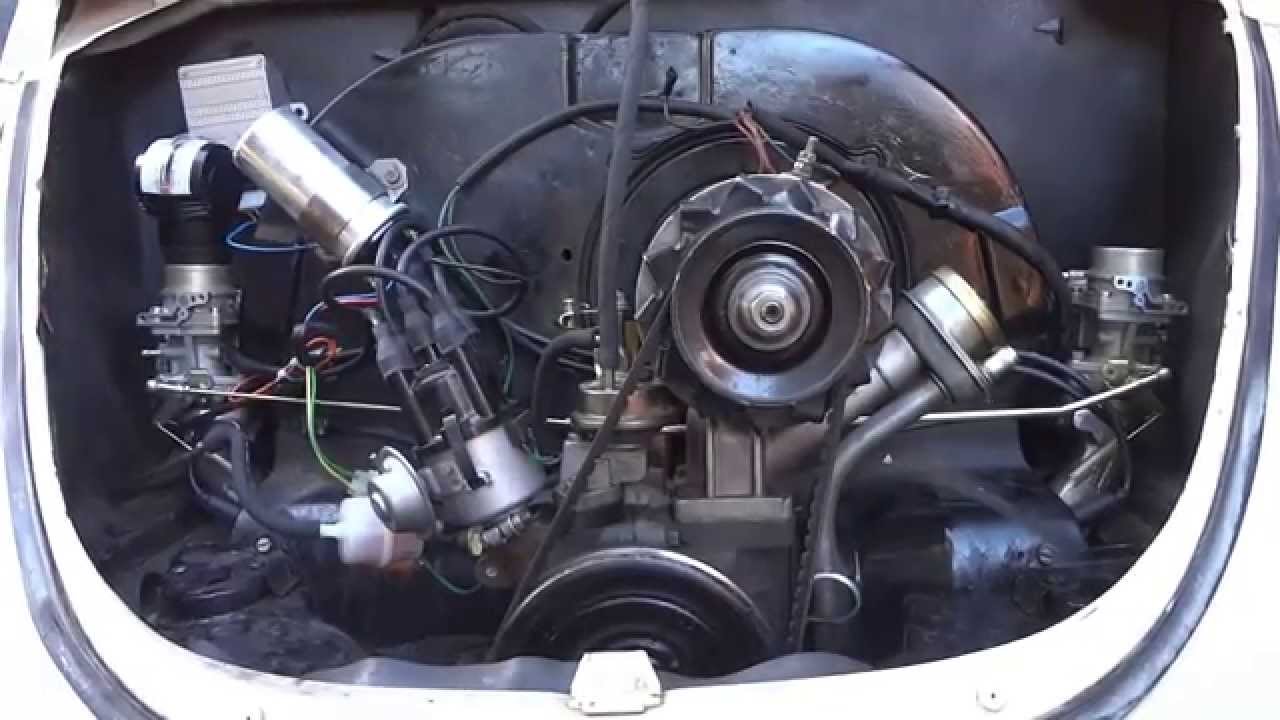
The dual carburation reached its peak in Brazil during the 1970s and 1980s. A landmark was the VW Brasília with a 1600 engine and dual carburation in 1975. The VW Fusca 1600S, or “Super Fuscão,” launched in 1974, also adopted this configuration. Even the VW Fusca “Itamar” (1993-1996) maintained the engineering.
The pursuit of performance was the main motivation. Competition and the image of sportiness were also crucial. The culture of tuning, influenced by motorsports, spread dual carburation as a desirable upgrade. Volkswagen used engineering to give more vigor to its air-cooled engines as a way to prolong their relevance. The oil crisis of the 1970s paradoxically may have encouraged solutions that, when well-tuned, promised better efficiency.
Brazilian Cars with Factory Dual Carburation
Several national models came off the assembly line with dual carburation. Volkswagen was one of the main adopters.
Volkswagen Brasília: It began offering dual carburation as an option in 1974, becoming standard in the 1976 lineup (1600 gasoline engine), raising power to 65 hp. A 1.3 alcohol version was unsuccessful due to low performance.
Volkswagen Fusca: The 1600S (“Super Fuscão”) of 1974 developed 65 hp with dual carburation. The Fusca “Itamar” (1993-1996) also utilized this configuration in its recalibrated 1600 engine.
Chevrolet also employed dual carburation.
Chevrolet Opala: The 151-S engine (2.5L, 4 cylinders) used a dual-body Weber 446 carburetor. The powerful 250-S engine (4.1L, 6 cylinders) also came with a dual-body carburetor. An Envemo kit for the 4.1L sometimes used three DFV 446 carburetors.
Other notable examples included the prototype Democrata and sports cars like Puma GTE 1600 (VW-prepared engine with dual carburation) and Puma GTB and Santa Matilde SM 4.1 (both with Opala 250-S engine, inheriting its dual carburation). The adoption of dual carburation was a strategy to create “spiced-up” versions economically.
The Most Used Carburetors in National Dual Carburation
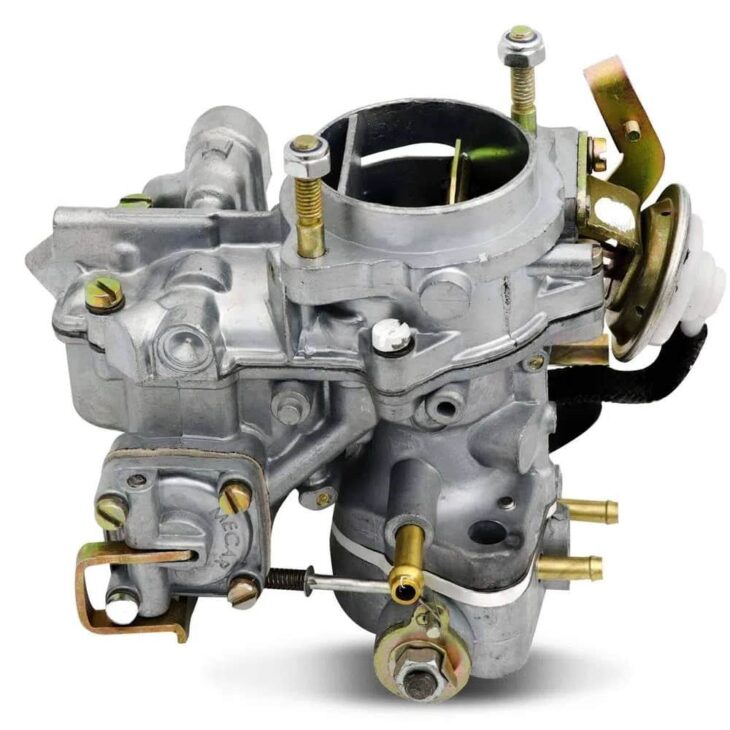
The choice of carburetor was crucial for dual carburation.
- Solex: Common in Volkswagen engines, such as the H32/34 PDSI in the 1600 Fusca. They were often sold in pairs (left and right).
- Weber: Synonymous with performance. The Weber 40 IDF was popular for VW, Opala, and Maverick engines. It provided an excellent mixture and good cost-benefit for performance. The Weber 446 equipped the Opala 151-S. The Weber 48 IDA was used in extreme settings, such as in the competition Maverick Berta.
- Brosol: Manufactured Solex under license, being widely used.
- DFV: The 446 model was used in the Envemo kit for Opala and in the Dodge Charger R/T V8.
- Motorcraft: The bijet was original in the Maverick V8 302. Kits with quadrijet were offered for more performance.
The predominance of Weber and Solex/Brosol was evident. Weber was preferred for high performance, while Solex/Brosol was an affordable option for upgrades. The existence of replicas (like FAJS for Weber) and kits demonstrated the creativity of the Brazilian market.
Experts’ Opinions
The effectiveness of dual carburation critically depends on precision in tuning and synchronization. This task requires in-depth technical knowledge. Adjusting a Fusca Itamar with dual carburation, for example, involved checking ignition, grounding, valves, and belts before touching the carburetors.
The tuning of carburetors like the Weber 40 IDF has “various secrets.” The synchronization between the two carburetors is vital. Over time, periodic readjustments are necessary. Maintenance is also doubled, requiring cleaning and checking all components of the two carburetors.
The complexity elevated the status of mechanics who mastered this art. They were true “artisans,” capable of extracting the most out of the engine with precise adjustments. Today, maintenance is a greater challenge, but a niche market for parts and specialized services, such as the work of Yutaka Fukuda, “the carburetor charmer,” still persists.
Beyond the Factories
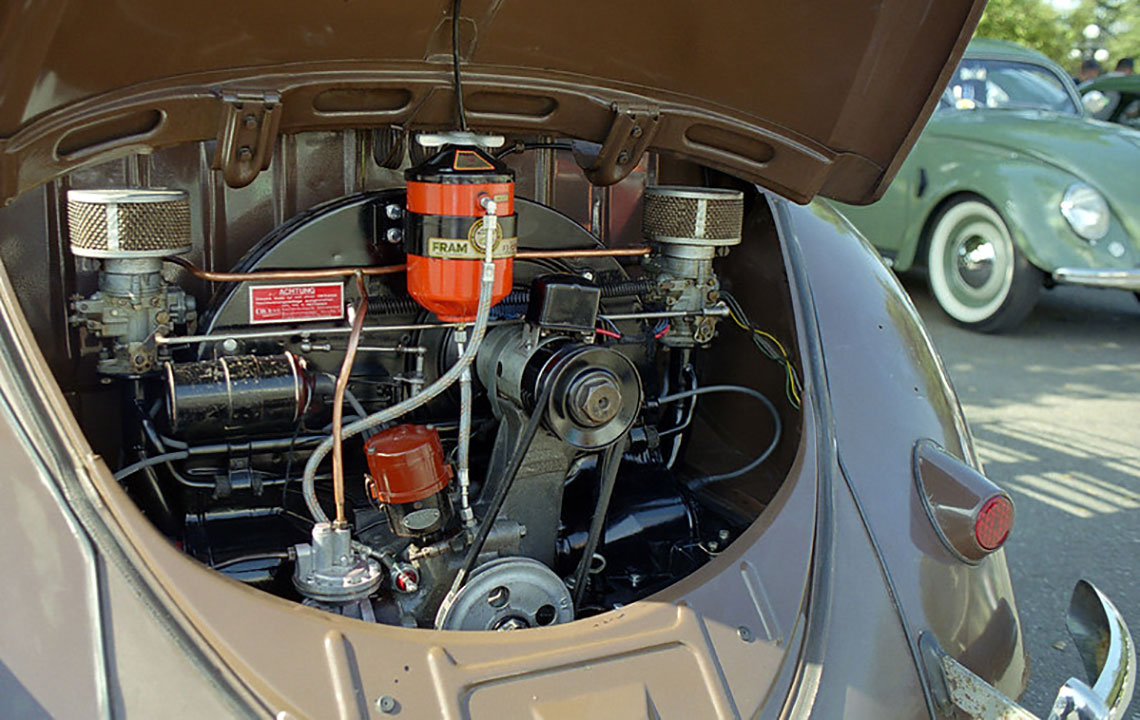
The dual carburation became a popular modification among enthusiasts. The desire for more power fueled a culture of “upgrades.” The influence of motorsports was fundamental. Solutions tested on the tracks migrated to street cars. Import restrictions fostered local creativity.
The VW Fusca and its derivatives were natural candidates for this modification. Models like Opala and Maverick were also frequent targets. Dual carburation became central in the “Old School Brazilian” tuning, valuing traditional mechanical solutions. This generated a parallel market for parts, like imported Weber carburetors and special intakes.
From Dual Carburation to Fuel Injection
The era of dual carburation began to decline with electronic fuel injection. This new technology offered precise dosage of the air-fuel mixture. The result was better performance, lower consumption, and a drastic reduction in emissions. The VW Gol GTi, in 1989, was the first national car with electronic fuel injection.
The main catalyst for the replacement was the pressure for environmental control. PROCONVE, since 1986, established strict emission limits. Dual carburation systems could not meet these standards. The adoption of electronic fuel injection and the catalytic converter became mandatory in the mid-1990s. The trajectory of the VW Gol illustrates this evolution well, from simple carburetors to electronic fuel injection, with performance leaps.







-

-

2 pessoas reagiram a isso.