





 Portuguese
  English
  Spanish
  5 min of reading
  0 comments


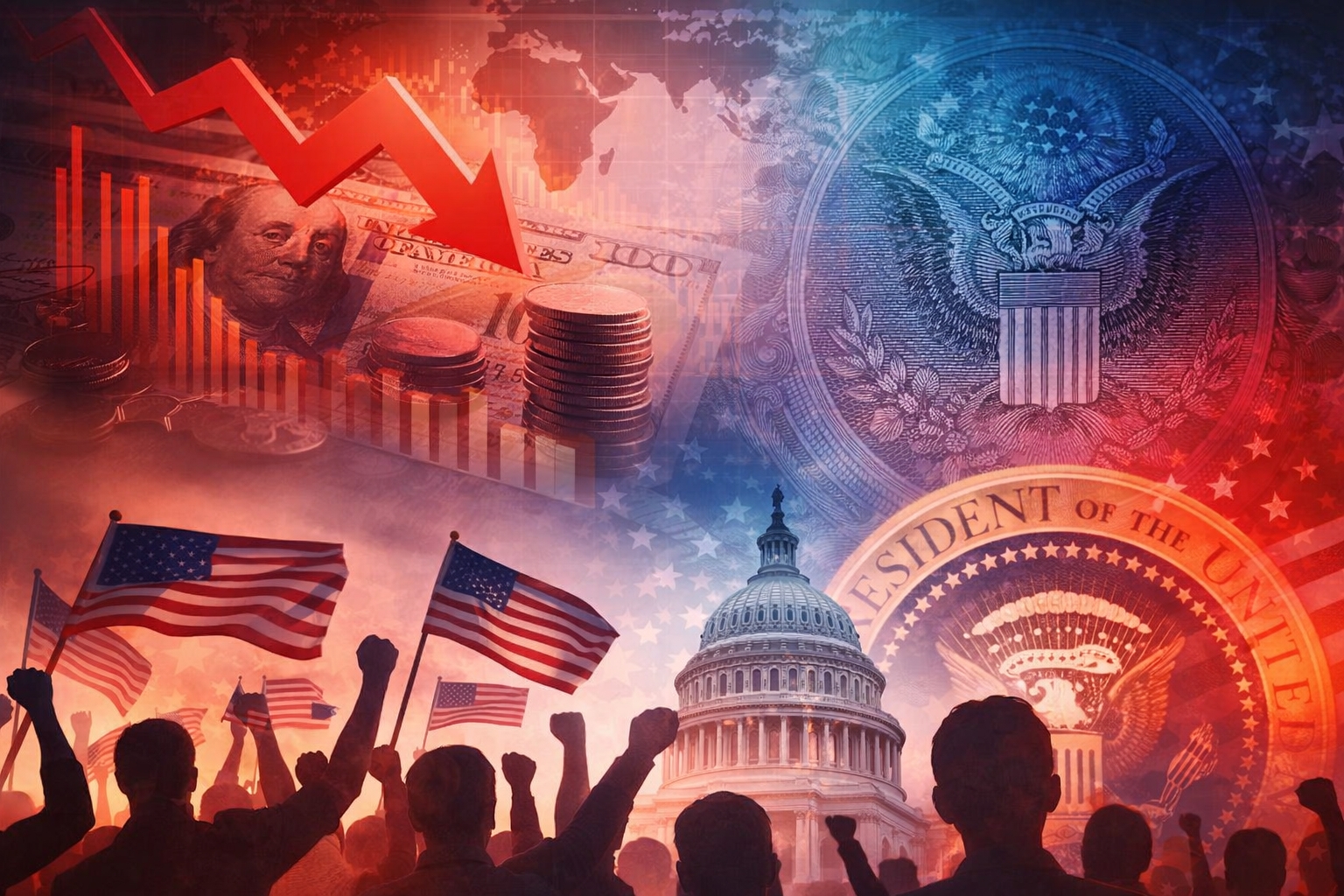
A Simple Question, Asked The Same Way In Dozens Of Places, Reveals A Predictable Global Pattern And A Loud Exception: For Almost Everyone The Drama Is The Wallet, But For The US The Drama Is The Board.
It all starts with a question that could fit at a bar table, without graphs, without experts, without technical jargon. In your opinion, what is the most important problem your country is facing right now? The whole world points to the economy as the number one problem, but the United States shifts the conversation to politics and sends an uncomfortable message about what has become a priority.
Instead of asking the person to choose from a prepared list, the method gives freedom to respond in their own words. That’s where the magic happens, and also the uncomfortable part: when many people answer the same question, in many countries, the result turns into an emotional map of the world.
And this map usually points to the same place. Economy.
-
The government requests the Federal Revenue Service for a new system to automate the income tax declaration, reducing errors, time, and bureaucracy for millions of Brazilians.

-
Pix in installments, international Pix, and contactless payment without internet: the Central Bank revealed the new features coming to the tool that is already used by almost every adult in Brazil.

-
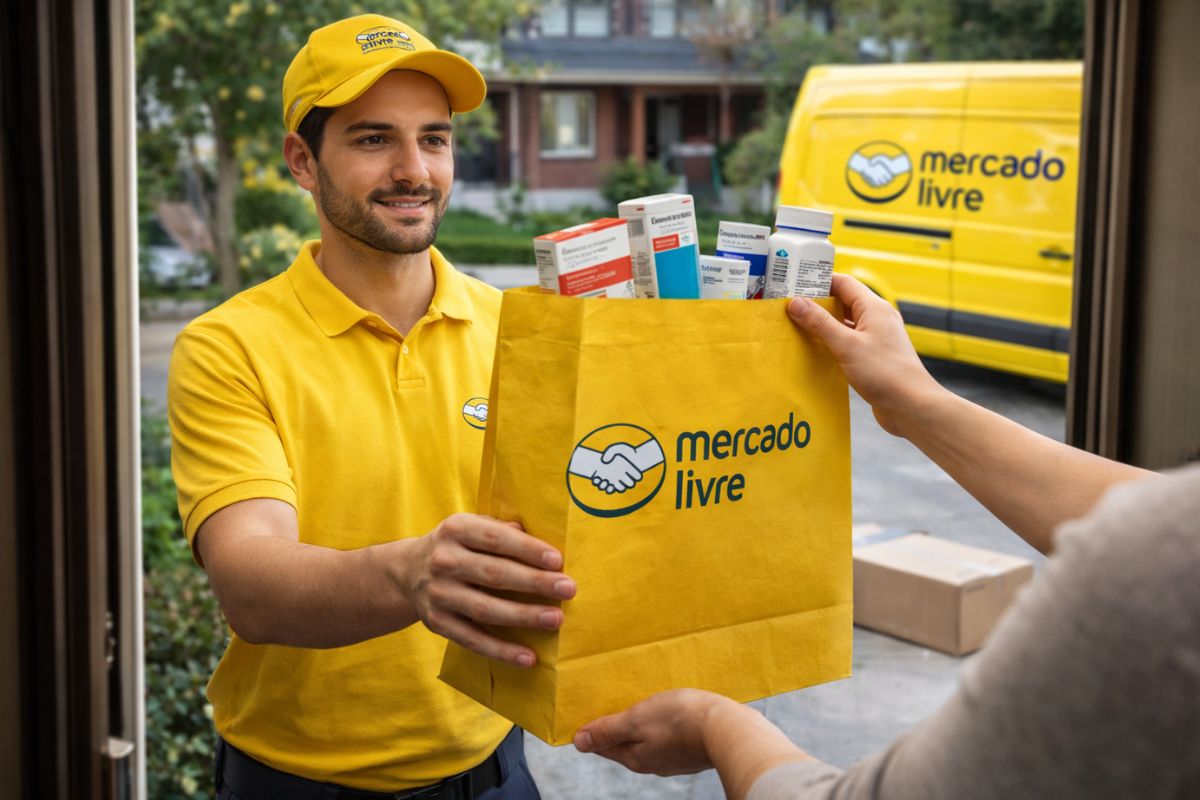
Mercado Livre has just started selling medications with delivery in up to three hours to your door, and this move could completely change the way Brazilians buy medicines on a daily basis.
-
In Dubai, rising tensions from the war in the Middle East are causing super-rich individuals to leave the Gulf and direct their fortunes to a new financial refuge in Asia.

There’s no need to romanticize. When someone says economy, they are almost always talking about the cost of living, about salaries that are not keeping up, about rent that has become shocking, about markets that turn into guessing games, about futures that are getting shorter. It’s the most direct way to say: the basics are expensive and the rest becomes luxury.
The striking fact is the consistency. In different countries, different cultures, different realities, the economy appears as the most cited concern, significantly ahead of other issues. It’s as if the whole world is repeating the same phrase with different accents.
The Detail That Becomes The Story: Why The US Escapes The Script
Then the script breaks. And it breaks beautifully.
In the United States, the response that rises to the top is not the economy. It’s politics.
This is the kind of thing that seems small until you think about what’s behind it. If the world is saying “you can’t live like this,” and the most powerful country on the planet is saying “you can’t coexist like this,” the difference is not just thematic. It’s a type of anxiety.
Economy is often a fear of everyday survival. Politics, in this context, becomes a fear of functioning. Fear of institutions. Fear of who is in charge. Fear of who will be in charge tomorrow. Fear that no one will accept the results when the game is over. When politics becomes the main pain, the problem isn’t just the price of things. It’s the trust in one’s own country.
This also explains why the response “politics” is not common. Most people, in most places, criticize the government, curse, complain, but still prioritize practical life. In the US, the feeling is that the fight has become the environment. It’s not a topic within the country. It’s the air that the country breathes.
The Moment When The Research Delivers What Nobody Says Softly
In the middle of the survey, there’s a comparison that delivers a silent punch. Among many countries, very few placed politics as the main problem. And there’s one case where politics appears even stronger due to a very specific geopolitical pressure.
When this happens, it becomes difficult to treat it as mere social media fuss or commentator exaggeration. The takeaway is more direct: American polarization has ceased to be noise and has become a category.
Gallup surveyed nationally representative samples in 107 countries throughout 2025 and compiled the responses into categories to compare concerns among very different populations.
This matters because it’s not a snapshot of a single place. It’s not a thermometer of a bubble. It’s a broad portrait, the kind that shows trends, not just headlines.
What Changes When Politics Becomes The Main Problem
When the economy is the main problem, the demands are more predictable. People want jobs, income, stability, and perspective. They want to feel that working pays the bills and still leaves a piece of the future.
When politics becomes the main problem, everything becomes more volatile. Because politics is not just a theme. It’s a lens. It changes how each piece of news is interpreted. It transforms data into a weapon. It turns any issue into a side dispute, even when the topic should just be reality.
In this scenario, the economy continues to exist, of course. But it starts to be used as ammunition, not as a common priority. Security becomes an argument. Health becomes an argument. Education becomes an argument. Relationships with other countries become an argument. And the practical effect is a kind of collective emotional paralysis, where the population cannot agree even on which fire to put out first.
There’s a generational detail that intensifies this story. Younger people tend to feel the economic failure more because they are building their lives now. But when politics dominates the forefront, youth also inherits a country with less institutional predictability and more social tension. It’s like running a marathon with the ground shifting underneath.
The World Discusses Price, The US Discusses Trust
In the end, the contrast is almost cinematic.
On one side, a line of countries saying the economy is tightening and that this has become the greatest collective pain. On the other side, the United States saying that politics has become the big problem, as if the country has entered a phase where debate has become structure and structure has become confrontation.
This sends an uncomfortable message for any reading of the future: when a country swaps “what is expensive” for “who can I believe,” it is not just in a cost crisis. It is in a trust crisis.
And a trust crisis is the kind of thing that cannot be resolved just with good numbers on a spreadsheet. It resolves with a sense of stability, with functioning institutions, with rules respected, with less suspicion that everything is a plot from the other side.
The world wants to breathe in the wallet. The US seems to want to breathe in the very system.









Seja o primeiro a reagir!