





 Portuguese
  English
  Spanish
 3 min of reading


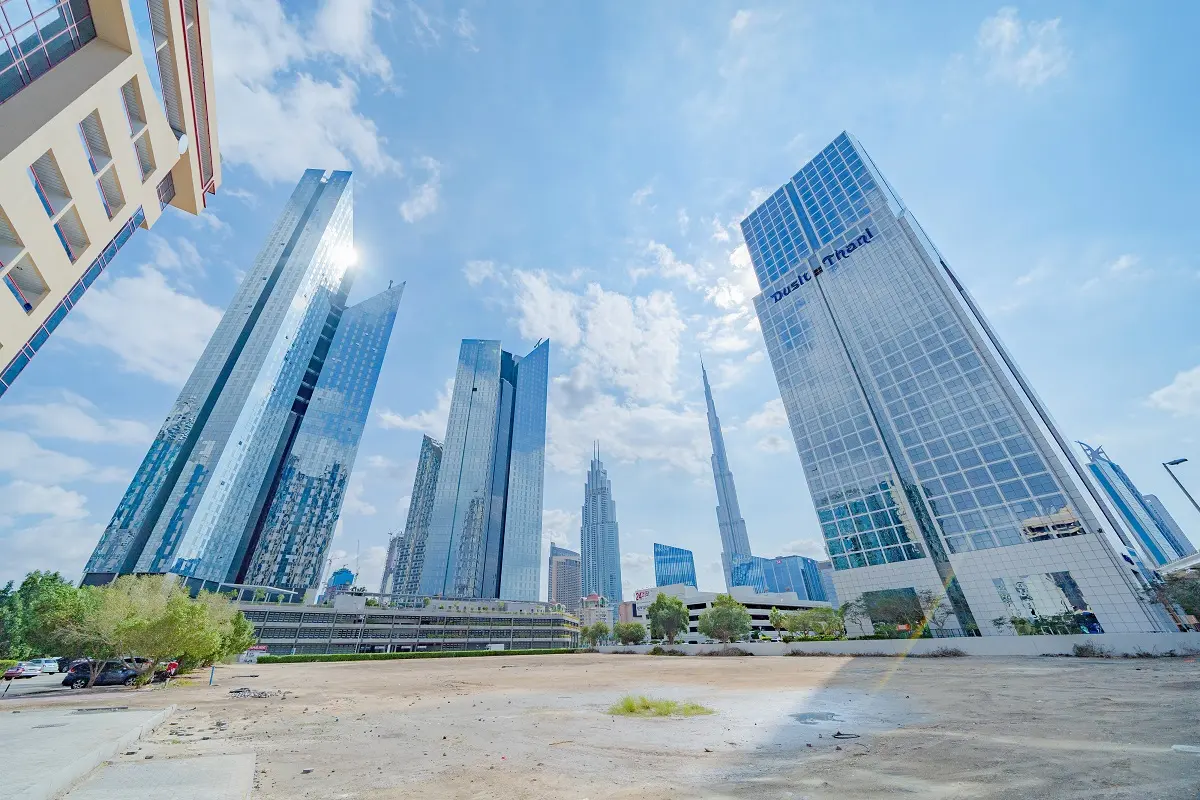
Amidst the Reduction in the Volume of Financing Granted by Banks for the Development of Real Estate Projects, Investment Managers Are Showing Their Incorporation Segments with Attention, Even Seeing Opportunities to Fill the Gaps Being Left by Large Institutions.
One of the firms that is keeping this in mind and working towards it is Kinea, the alternative investment arm of Itaú Unibanco. With its brief experience financing some residential projects, granting about R$ 1.25 billion in credit for over 70 projects in the last two years, this manager is already fully prepared to expand its operations.
“Banks have always been the largest providers of funding for incorporation, but with the development of the capital markets, part of the financing has migrated from banks to investors, opening opportunities,” commented Flávio Cagno, manager of real estate receivables funds at Kinea, to NeoFeed. “Our intention is to expand throughout Brazil.”
According to Cagno, there are a number of opportunities in mid to high-income projects being developed by the country and by family-run businesses, which are still heavily reliant on banks to proceed with their projects.
-
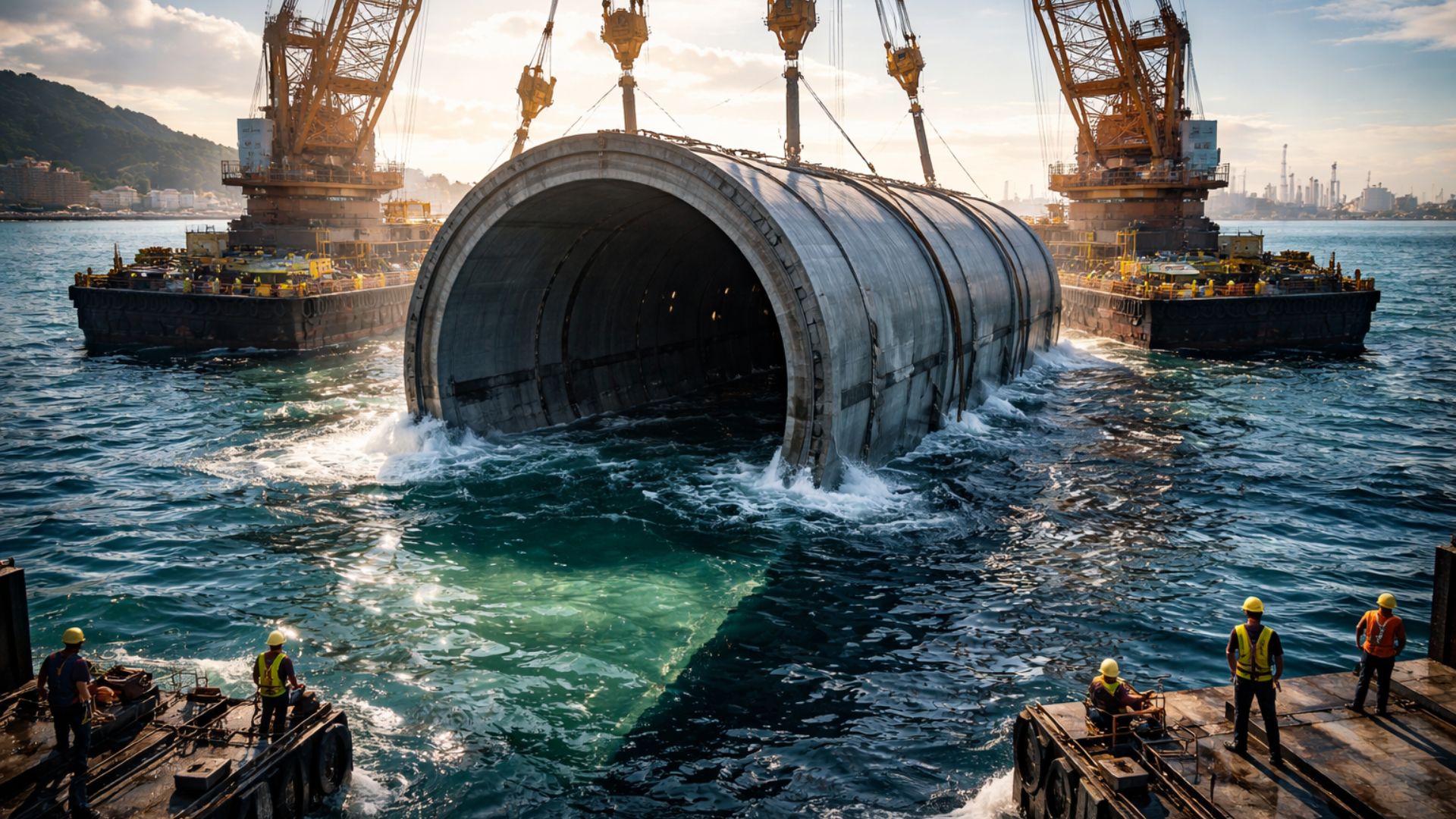
The government opens the vault and deposits R$ 2.6 billion for the construction of Brazil’s first underwater tunnel, with a length of 1.5 km, 870 m under the sea, a total project cost of R$ 6.8 billion, and a 30-year concession.
-
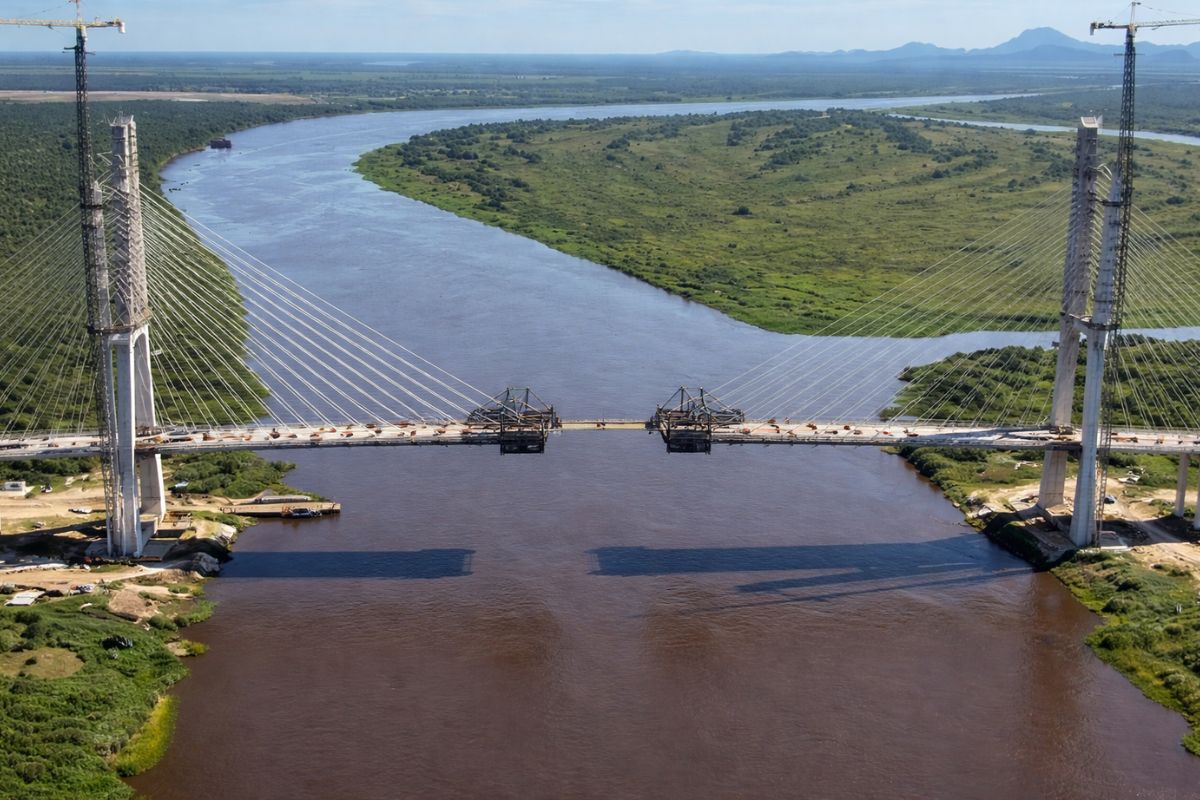
Only 46 meters remain for Brazil and Paraguay to connect via the Bioceanic Route bridge, the project that will link the Atlantic to the Pacific by land and change the logistical map of four countries in South America.
-
The bridge that holds the largest stone railway arch in the world: built over 100 years ago, destroyed in the war, and rebuilt to continue operating to this day, it still carries trains over the Soča River in Slovenia.

-
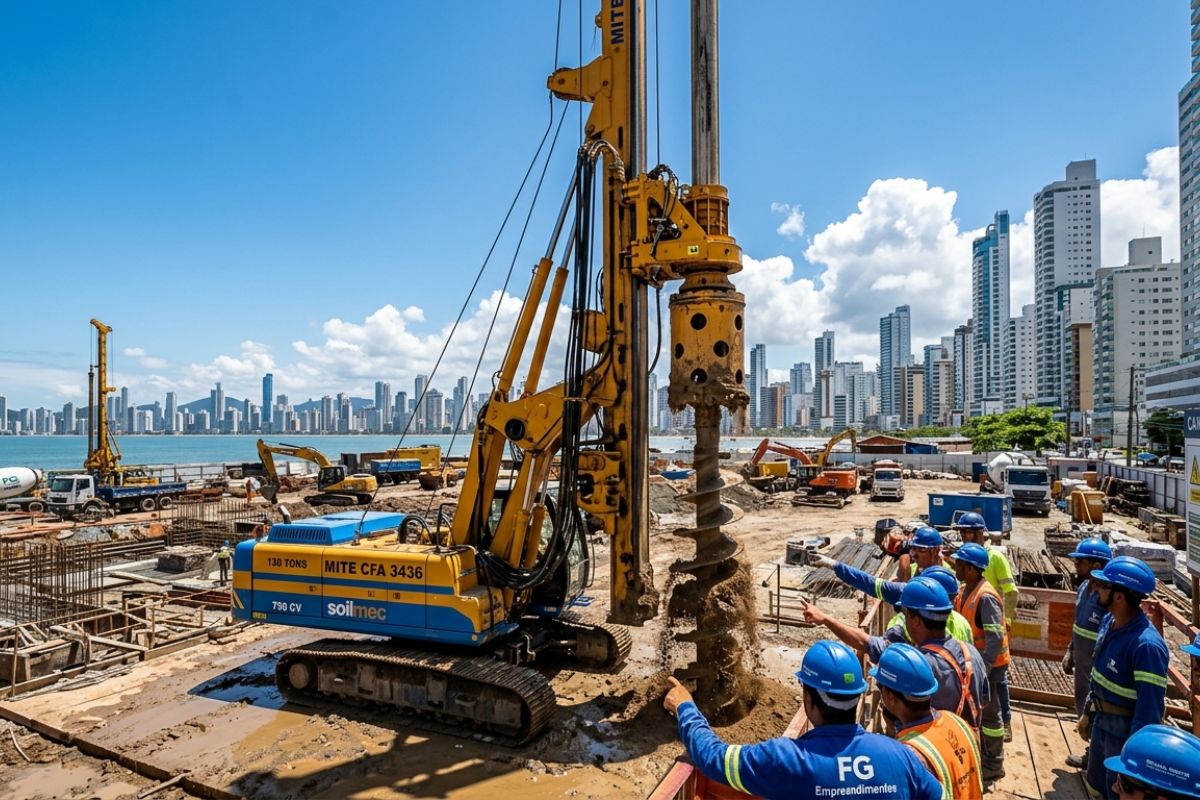
Italian giant of 130 tons arrives at the Senna Tower construction site and accelerates foundations: Mite CFA 3436 drills up to 50 m, 750 hp engine, investment of R$ 20 million, unique in Latin America.
“We have never restricted ourselves to other regions, although there tends to be a greater concentration in areas with higher GDP,” Cagno stated. “Brazil has an enormous diversity of regions, many of which are quite vibrant; it’s not just in the Southeast that there are opportunities.”
In the case of construction companies, Mello says that CRI is the best and quickest way to raise funds compared to going to banks, which will still require factors such as a high percentage of sold units and having projects under construction. On top of that, there are also lower costs. “Since CRI has tax exemptions, companies can negotiate funds at lower rates,” Mello says.
In addition to Kinea, other managers are also seeking to meet the demand from some developers for funding. RBR Asset is one of them, for example. Of the more than R$ 3 billion they hold in real estate credits, with a total of R$ 7.5 billion in assets under management, about R$ 900 million is invested in CRI operations for residential projects.
However, despite the economic slowdown, high-interest rates for companies, and various launches throughout the economic process potentially harming the sector in some way, Cagno believes that the outlook is positive for Kinea’s plans to succeed.
“People continue to want to live well and have the desire to own their residence. And it is in the most difficult cycles that developers can acquire good land at good prices,” he says. “Despite the greater unpredictability, you see the formation of very good projects, and it is rare to see a very good project that has failed,” he concludes.









Seja o primeiro a reagir!