





 Portuguese
  English
  Spanish
  4 min of reading
  2 comments


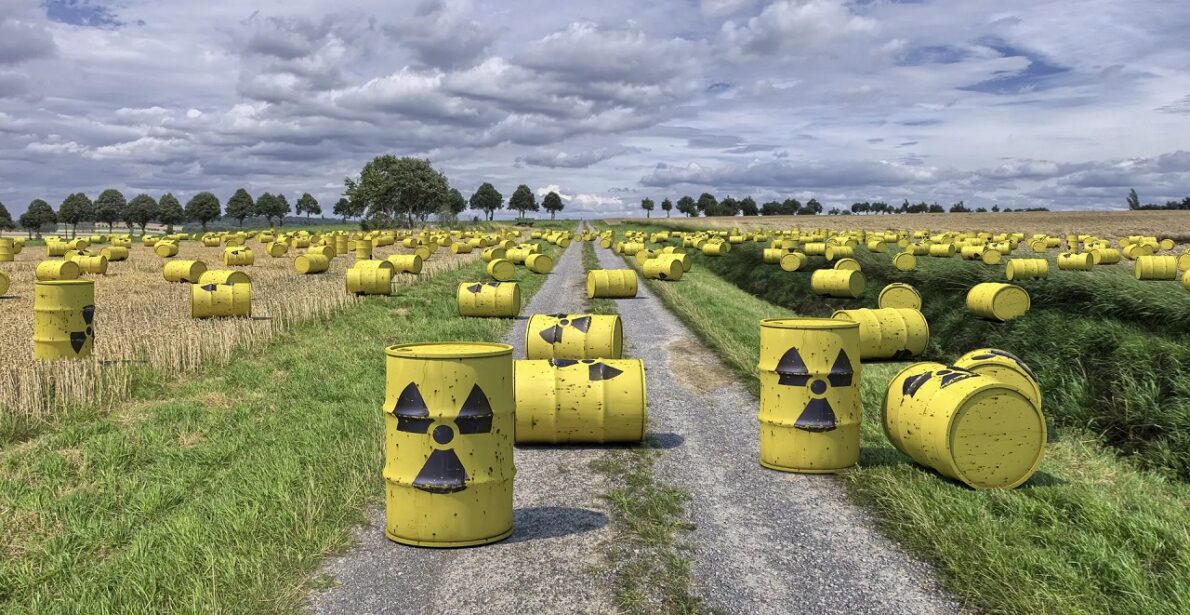

Nuclear Energy Is Efficient, but Nuclear Waste Is a Challenge. Learn About Strategies Like Cooling Ponds and Dry Storage Containers
The issue of nuclear waste continues to be one of the greatest environmental and public health challenges in the world. With the growing demand for energy and the ongoing use of nuclear technology, the generation of radioactive waste is becoming an increasingly urgent problem to solve.
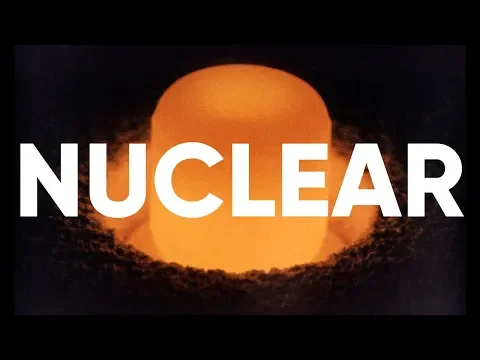

The Efficiency of Nuclear Power Plants
Nuclear power plants are undoubtedly one of the most efficient forms of energy generation we know. One kilogram of uranium releases 3 million times more energy than burning a kilogram of coal. This efficiency is reflected in the fact that the Angra 1 and Angra 2 nuclear plants in Rio de Janeiro are responsible for about 3% of the electricity consumed in Brazil and over 30% of the electricity consumed in the state of Rio de Janeiro (Eletronuclear) (Wikipedia).
Moreover, nuclear power plants can be considered cleaner than other energy sources, such as hydroelectric, wind, and solar power, as they emit less carbon throughout the entire construction and operation process. This makes them an attractive alternative for low-carbon energy generation in the short term.
-
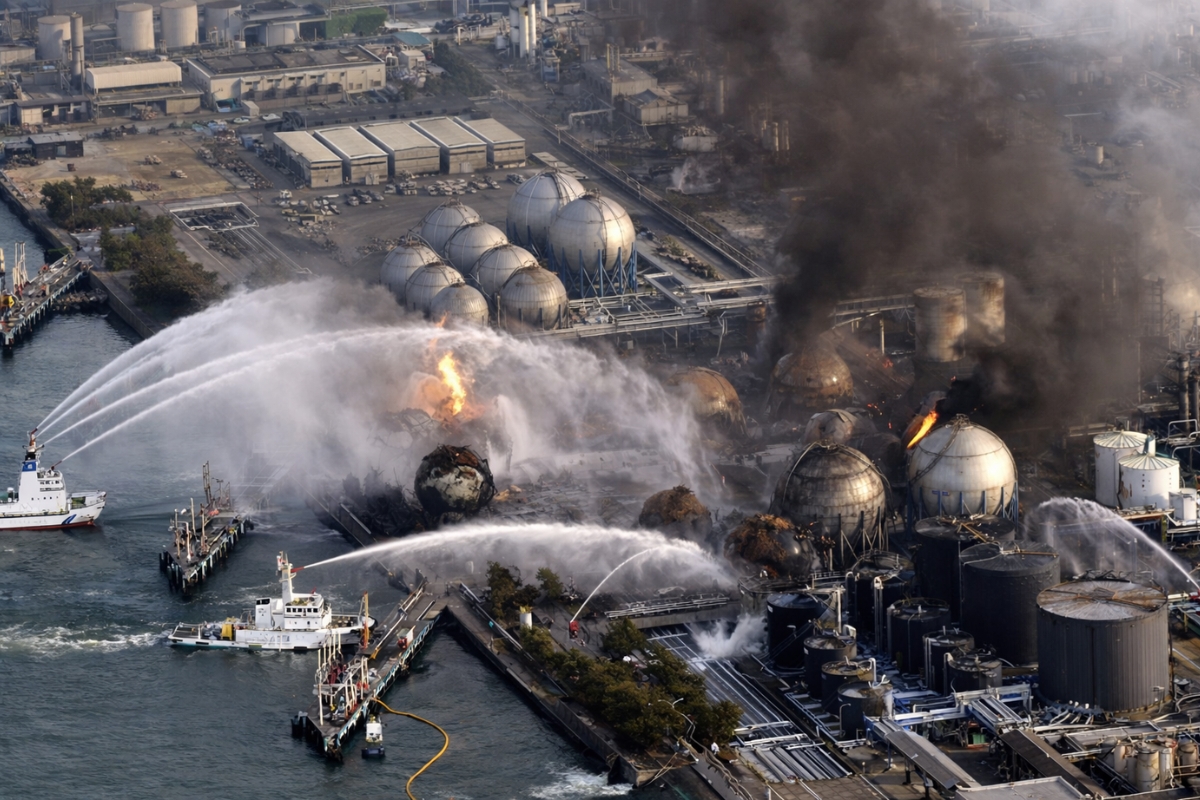
Fukushima Marks A Turning Point In Japan’s Energy Policy: After The Disaster, The Country Shut Down Its 54 Nuclear Reactors And, 15 Years Later, Only A Small Portion Have Returned To Operation
-
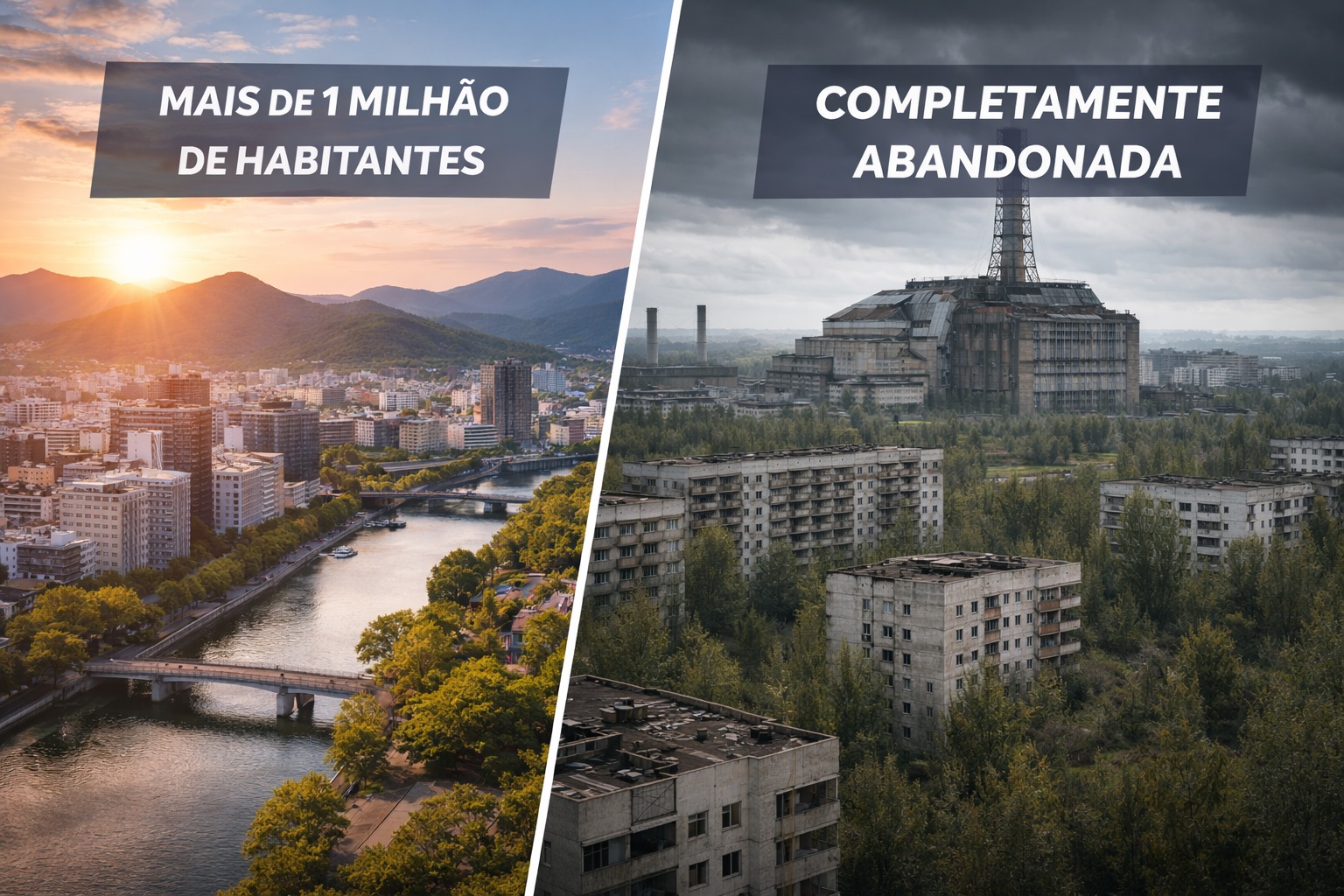
How Japan Overcame The Nuclear Bomb And Now Houses Millions In Hiroshima, While Ukraine Lost Chernobyl?
-
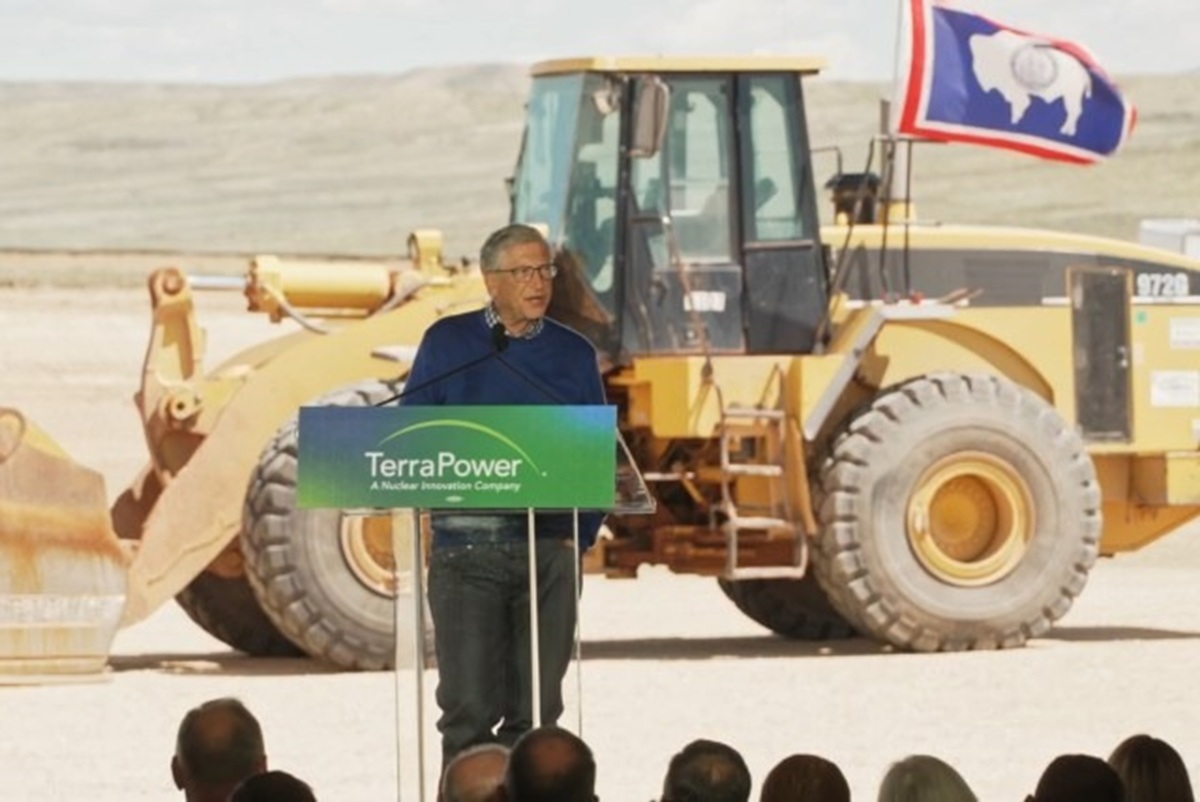
Bill Gates Receives Historic Approval to Build Giant 345 MW Nuclear Plant in the U.S. and Promises to Generate Up to 500 MW of Energy with Innovative Technology
-
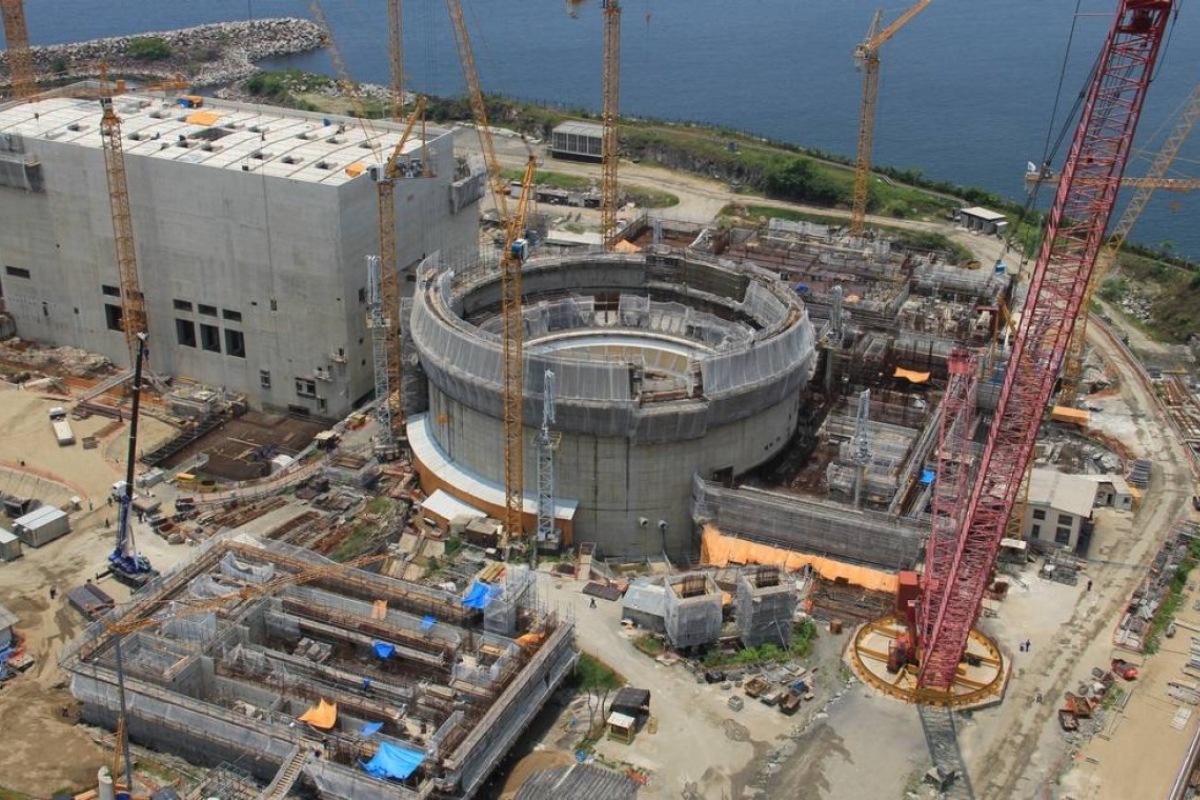
India Opens Nuclear Energy to Private Capital to Accelerate Projects and Attract Billions, While Brazil Remains Stalled at Angra 3 and Discusses Who Will Foot the Bill for Completion

The Challenge of Nuclear Waste
However, this energy efficiency comes at a cost: the generation of nuclear waste. After about 8 years, the uranium rods used in reactors need to be replaced, as the uranium can no longer generate enough heat to keep the reactor running. The problem is that uranium and its decay products, such as cesium, strontium, and plutonium, remain radioactive for thousands, if not millions, of years.
This means that, when designing the storage for this nuclear waste, it is necessary to build something that can last for millennia. Surprisingly, no country has created a permanent solution to this problem to date. What we have are temporary solutions, such as storage in water pools and in stainless steel containers lined with concrete.
Storage Methods
Safe storage of nuclear waste is one of the main concerns of experts. Currently, there are various strategies being used and developed to ensure that these wastes do not harm the environment or human health.
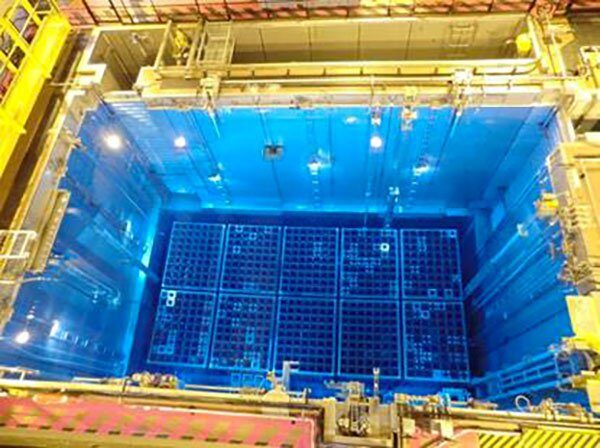
- Temporary Storage: Most nuclear waste is initially stored in temporary facilities, such as cooling pools. In these pools, the waste is submerged in water, which helps dissipate the heat generated by radioactivity and provides a barrier against radiation.
- Dry Storage: After a few years in cooling pools, the waste can be transferred to dry storage containers, made of materials like concrete and steel. These containers are designed to contain radiation and withstand events such as earthquakes and floods.
- Deep Geological Repositories: In the long term, the safest solution for storing high-activity waste is to deposit it in deep geological formations. These repositories are excavated in geologically stable locations, hundreds of meters below the surface, where the waste can be isolated from the environment for thousands of years.
The Search for a Permanent Solution for Nuclear Energy Generation
To find a permanent solution, we need two things: a stable geological structure and facilities that do not rely on humans to function. The first is more difficult to achieve, as the Earth is always changing, such as the formation of the Himalayas 50 million years ago.
However, Finland seems to be handling the situation adequately. They are building a nuclear fuel repository 420 meters deep, in an extremely rigid rock base, which virtually prevents water contamination. Moreover, the site was chosen with the long term in mind, even considering the next ice age.
Nuclear Waste Recycling
In addition to storage, recycling nuclear waste is a growing research area, with the potential to significantly reduce the amount of radioactive waste and extract useful materials.
- Nuclear Fuel Recycling: One of the most promising approaches is recycling used nuclear fuel. In this process, the used fuel is reprocessed to extract uranium and plutonium that can be reused as fuel in nuclear reactors. This not only reduces the amount of high-activity waste but also makes better use of nuclear resources.
- Nuclear Transmutation: Another emerging technology is nuclear transmutation, where radioactive waste is transformed into less dangerous materials through nuclear reactions. Although this technology is still experimental, it offers a possible solution for long-term waste management.
The Challenge of Nuclear Waste
The challenge of nuclear waste is a serious issue that we need to address. Nuclear power plants are an efficient and clean alternative for energy generation, but the question of safe and permanent storage for nuclear waste still needs to be solved.
Finland seems to be on the right track, with the construction of a deep and secure underground repository. Additionally, chemistry can help us better manage all types of waste, drastically reducing our impact on the environment. The management of nuclear waste is a complex challenge that requires integrated and innovative solutions. From safe storage to recycling radioactive materials, each step is crucial to minimizing risks and protecting the environment and public health. As technology advances, it is essential that we continue to develop and implement effective strategies to deal with this waste, ensuring a safer and more sustainable future for all.





Lixo se recicla…esse é o passo que falta.Saber em que esse “lixo” pode utilizado.
O reator de fissão de quarta geração consegue reaproveitar o que os de segunda e terceira gerou de resíduos.
E sobre as hidroelétricas não são tão 100% ecológicas