





 English
  Francês
  Alemão
  Italiano
  Japonês
  Norueguês
  Portuguese
  Spanish
  3 min of reading


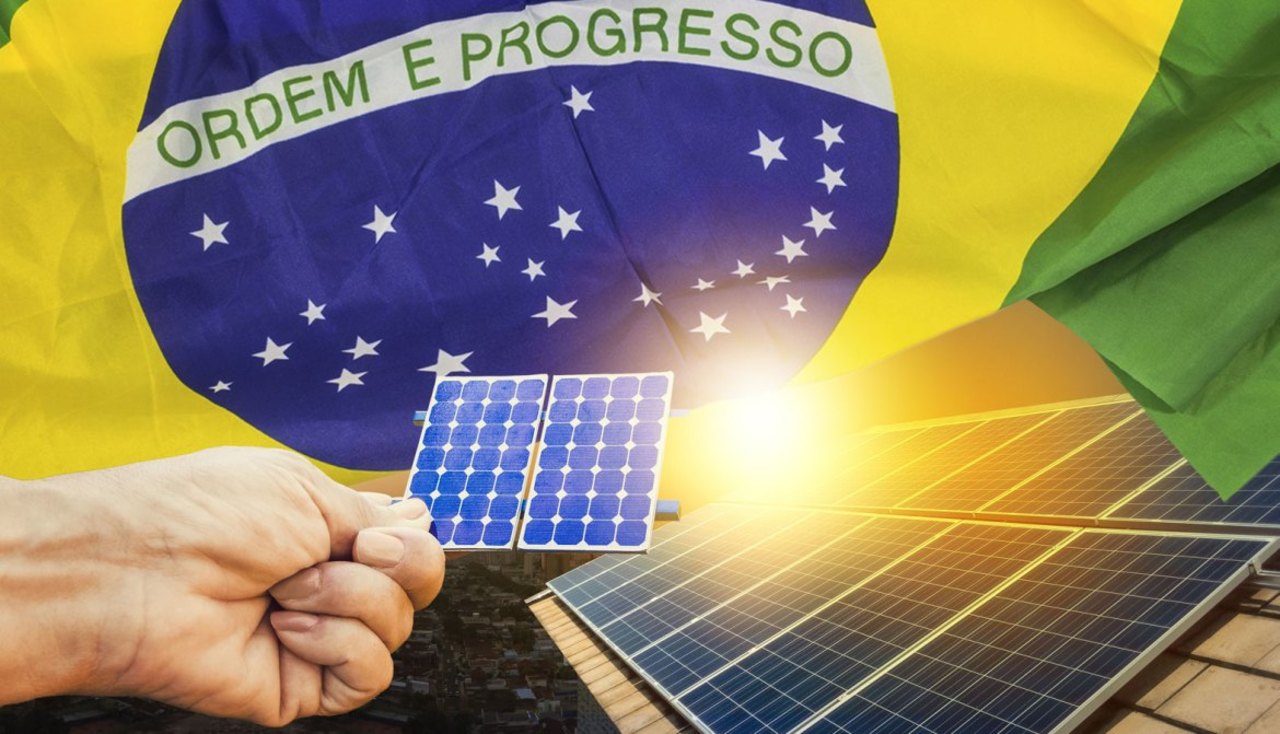
The Choice of a Solar Energy System Together with Photovoltaic Panels Is a Renewable Alternative to Reduce Energy Consumption, in Times When the Population Is at Home, Reaching Up to 95%
Initially considered something “extravagant,” solar energy and its photovoltaic panels have been growing considerably in the Brazilian renewable energy market. In the first half of 2019 alone, there was an increase of 86.6% in large solar power plants compared to the same period in 2018. The numbers indicate that, despite the crises and the lack of strategic planning at the national level, the sector is advancing rapidly. See in this text why investing in solar energy in 2020 is an excellent business.
Read Also
Renewable Market: Investments in Solar Energy and Photovoltaic Panels Exceed R$ 15 Billion in Brazil
Brazil has already invested over R$ 15 billion in the renewable energy market, mainly in photovoltaic systems. At the end of 2016, photovoltaic energy accounted for just over 80 MW (about 0.1% of the energy matrix), in 2019 Brazil reached 3,000 MW in installed capacity.
The majority of the investment, around R$ 10 billion, was for centralized generation. Distributed generation, despite the smaller share of investment, already has over 128 thousand consumer units in Brazil.
-
Chinese giant worth nearly R$ 4 billion that manufactures cables for electric cars, solar energy, and robotics wants to open a factory in SC.
-
Many employers do not know, but the law guarantees domestic workers a 25% increase in salary during trips, 50% for overtime, 20% for night shifts, and 17 additional benefits that can lead to labor lawsuits if not paid.

-
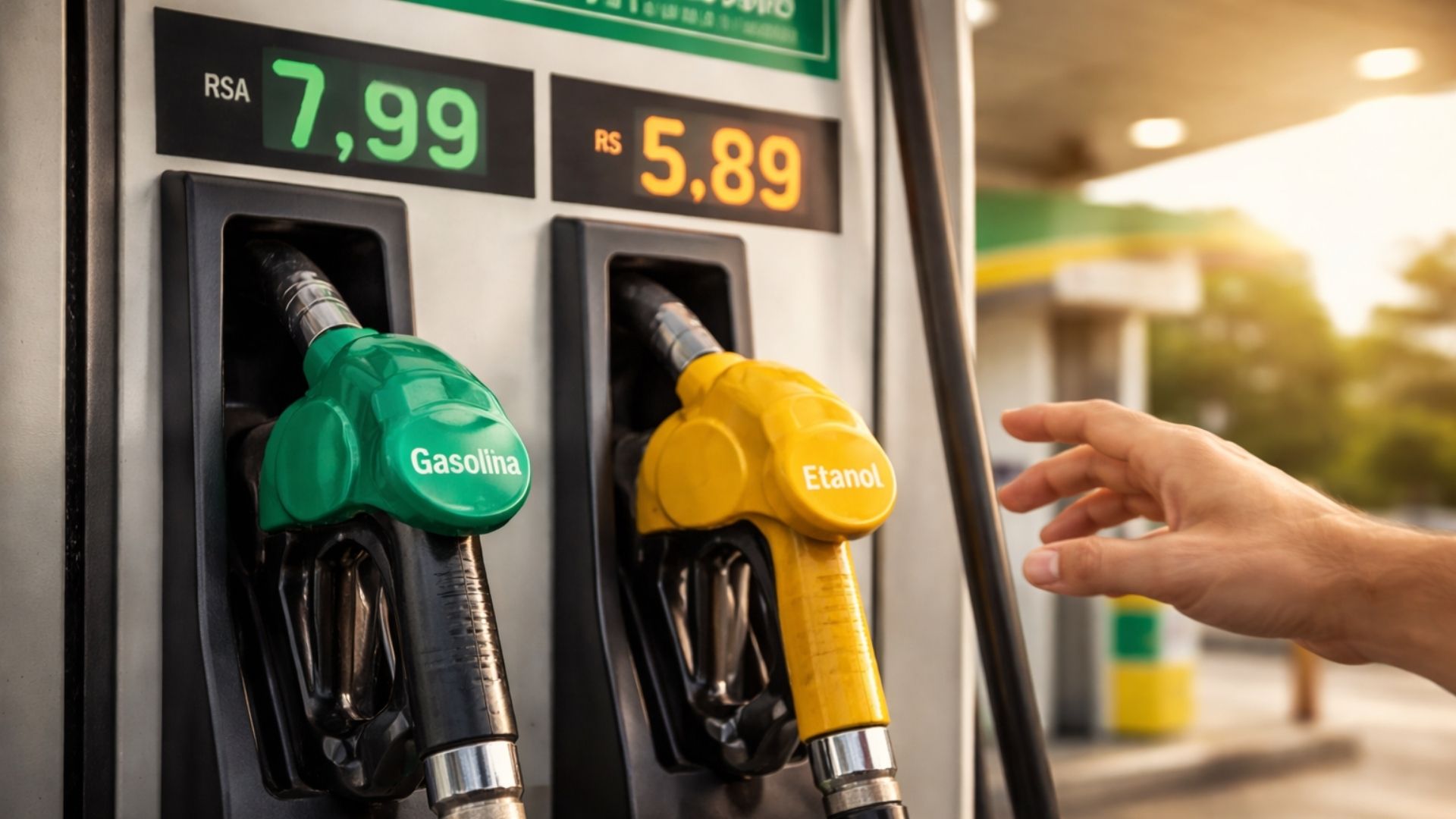
Gasoline prices soar and the question arises: is ethanol more advantageous? The 70% rule reveals the limit with gasoline.
-
The government has made a decision and is starting a test with more ethanol in gasoline, anticipating a mixture of up to 35%, diesel with 25% biodiesel, and a study to assess the impacts on engines.
Economy x Autonomy with the Use of Solar Energy


When most people think about investing in renewable energy, the first thing that comes to mind is reducing or even eliminating their electricity bill. And it’s true that, in some cases, you can almost eliminate your dependence on traditional energy.
However, in most cases, the money you save on electricity bills is offset by the cost of financing your solar energy system. Where you really start to make money with an investment in solar energy is in the long-term value it adds to your home.
The photovoltaic panels generate not only the energy consumed during the day in the house, as the surplus injected into the grid is converted into energy credits.
It is these credits that allow consumers to save on their energy bills, an action created by ANEEL’s Renewable Normative Resolution 482, reaching up to 95% savings. According to current rules of ANEEL’s distributed generation segment, these credits are still valid for use for five years after they are generated.
How Much Does It Cost to Install Solar Energy Currently?
Based on the average values presented, a small residential system capable of meeting a consumption of up to 300 kilowatt-hours/month costs today in Brazil about R$ 16.5 thousand to R$ 18 thousand. The price is half the current cost of the cheapest popular car in the country and one of the reasons explaining the rapid popularization of this technology, which has a lifespan of 25 years.
With savings of up to 95% generated on the electricity bill, consumers can also get a return on this investment in the renewable market in a short time, around 3 to 6 years. And it is precisely the savings on the bills that Brazilians want, as it is the main motivation for purchasing the technology pointed out by 92.7% of companies that adopt photovoltaic systems.
Main Advantages
- Solar energy does not pollute, it is renewable, clean, and sustainable;
- Alternative energy to oil;
- Solar energy is silent;
- It is a free energy source;
- Photovoltaic solar energy is the cheapest self-generation system;
- Minimum maintenance required;
- Easy to install and cheap to maintain;
- Lifetime of over 25 years, paying off in up to 7 years;
- Savings of up to 90% on the electricity bill;
- Decreased prices due to technological advances;
- Occupies little space and increases property value;
- Solar panels are weather-resistant;
- Can be used in areas isolated from the electrical grid;
- Photovoltaic equipment can be recycled.








Seja o primeiro a reagir!