





 Portuguese
  English
  Spanish
 4 min of reading
  0 comments


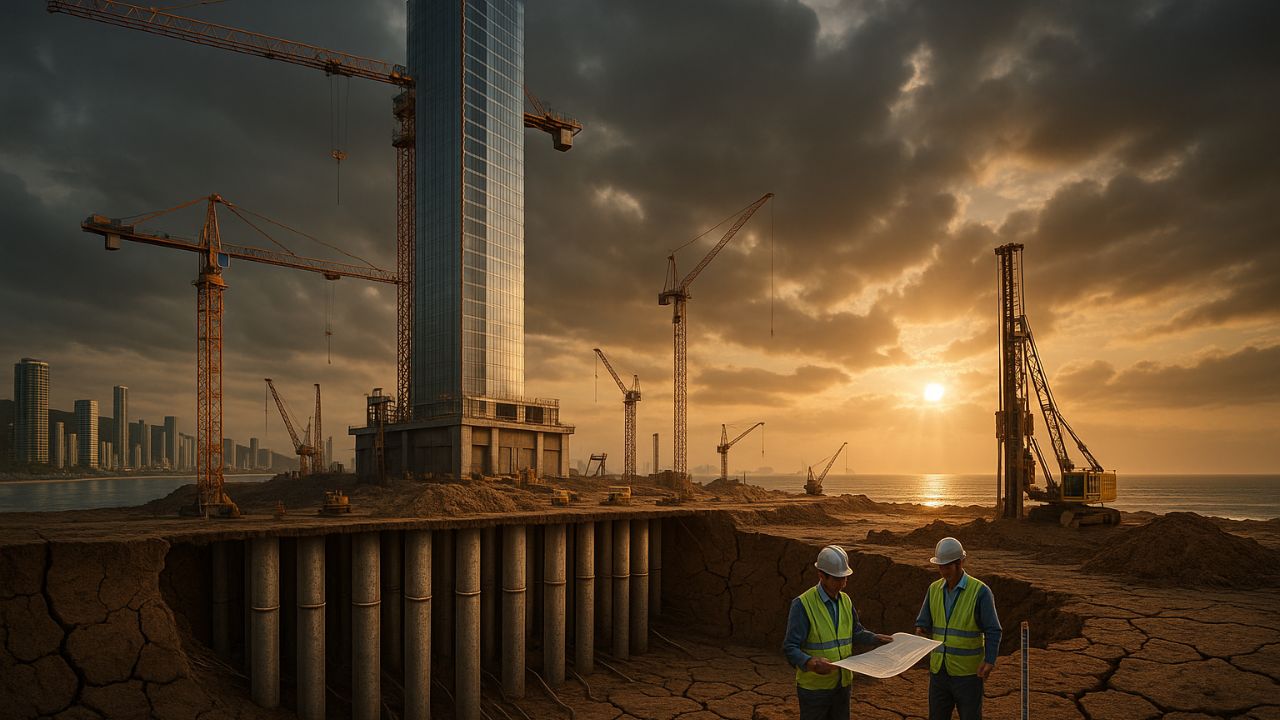
Discover How Monumental Foundations, the Height of 20-Story Buildings, Allow for the Construction of the Tallest Buildings on the Continent on the Sandy and Unstable Soil of Santa Catarina.
On a narrow strip of land along the coast of Brazil, a silent engineering revolution is taking place. Balneário Camboriú, in Santa Catarina, has become home to the tallest skyscrapers in Latin America. This is only possible thanks to an invisible and sophisticated engineering that designs gigantic foundations to bypass a superficially unstable soil and anchor the buildings to deep and solid rock.
The Unexpected Epicenter of Vertical Construction in Latin America
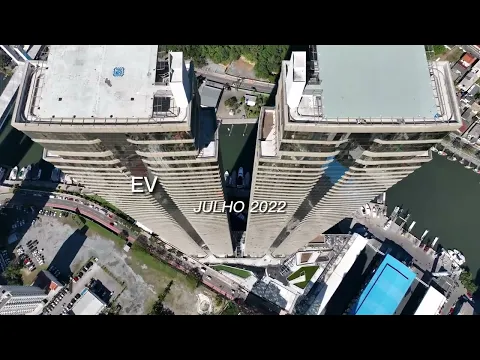

Brazil has established itself as the continental leader in skyscrapers. The focal point of this transformation is Balneário Camboriú. The city is home to the tallest buildings in the country, such as the twin towers of the Yachthouse Residence Club, standing at 294 meters.
This intense verticalization is the product of three main factors. First, the scarcity of land. The city is squeezed between the sea and the mountains, driving up land prices and making vertical projects the only viable option.
-
Mr. Mário reveals the technique of the caipira papaya: he cuts the fruit in half, discards the seeds from the tip, and plants the ones from the back to increase the chance of a productive female tree.

-
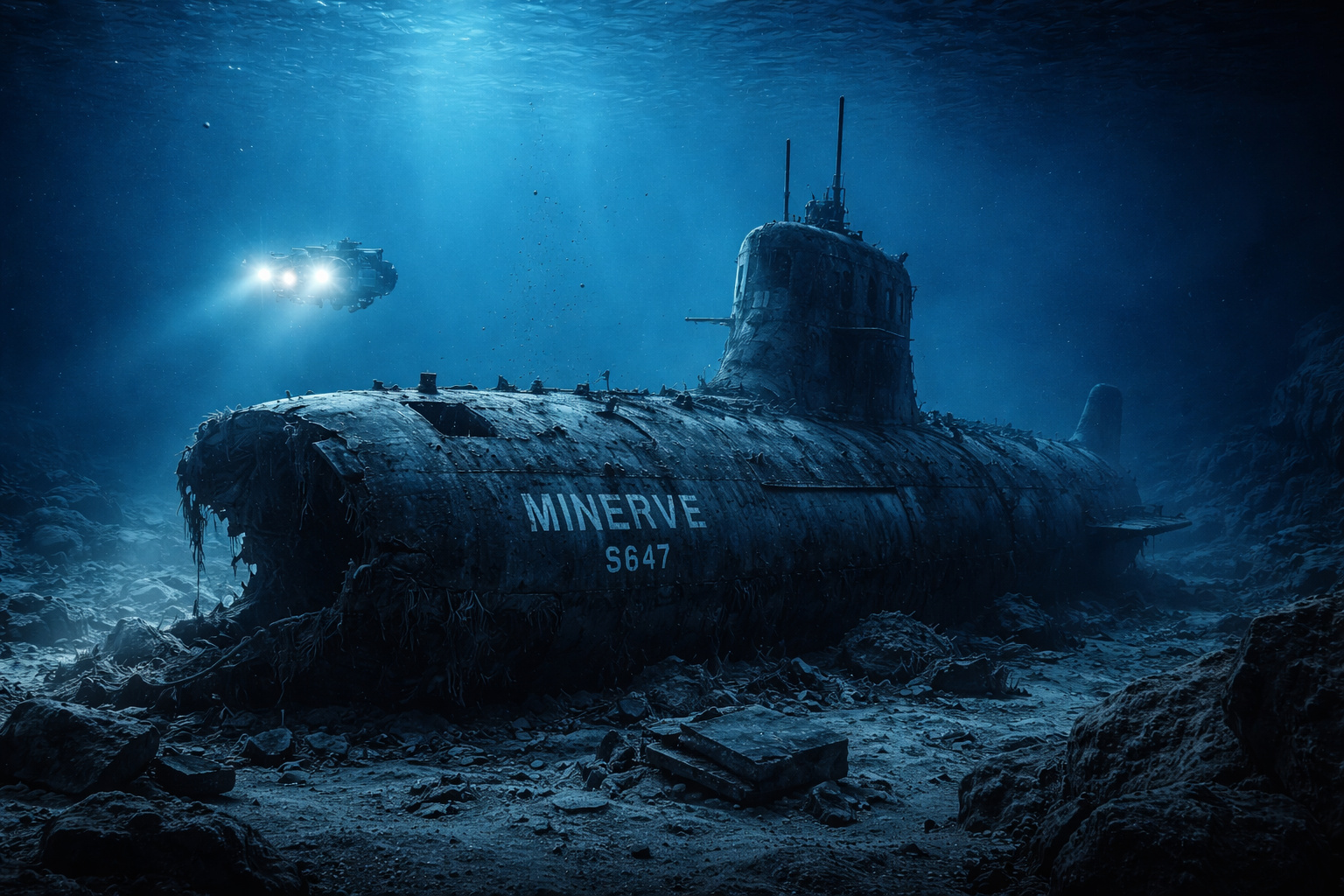
Few remember, but the submarine that disappeared in 1968 with 52 crew members was found after 51 years at the bottom of the sea at more than 2,000 meters, intriguing the entire world.
-
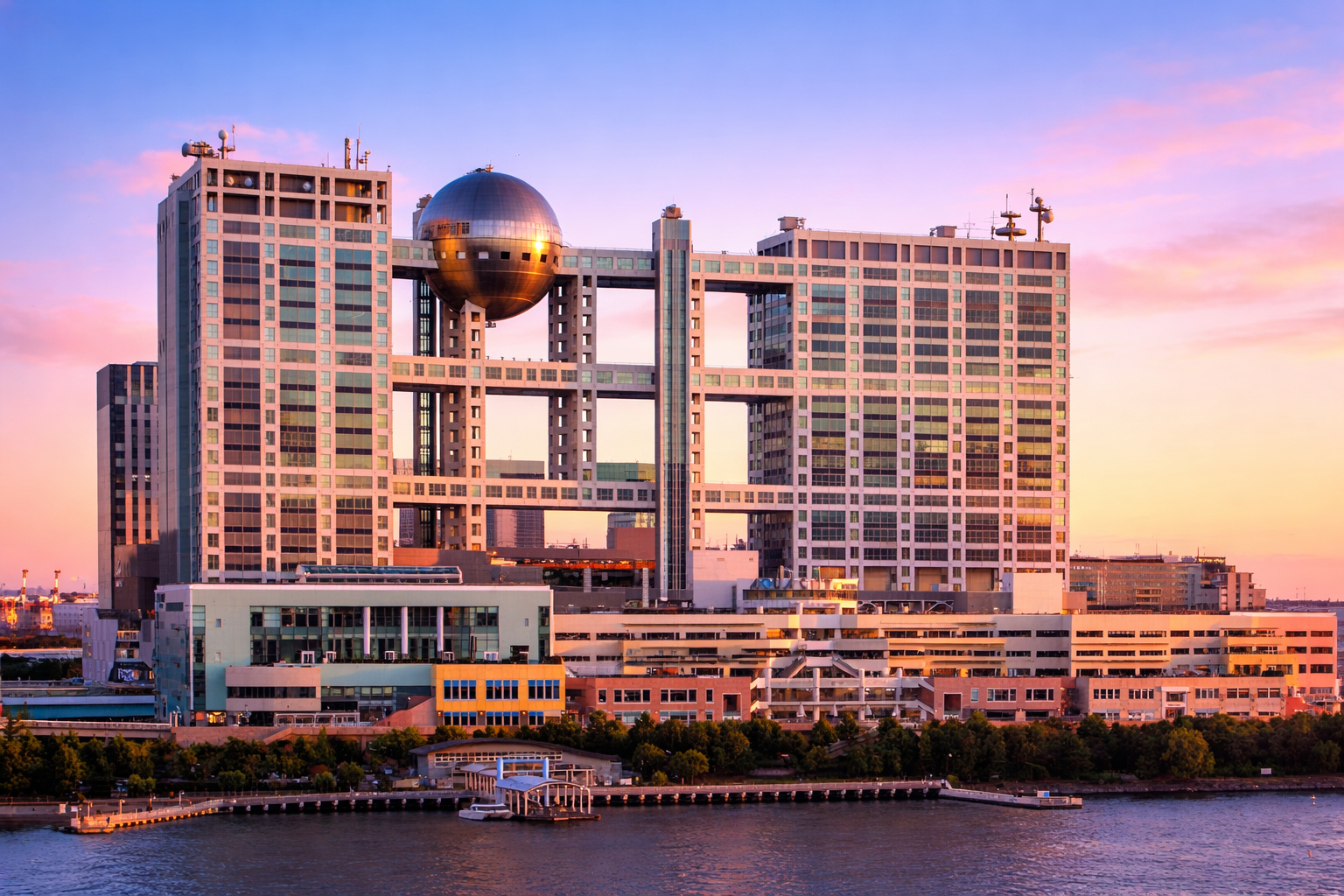
With 1,200 tons suspended, the Japan mega-structure in a grid shape with a floating sphere from Fuji TV features two 25-story towers connected by elevated walkways, titanium panels, and impresses the world with its ability to reduce wind impact.
-
The village where two rivers run side by side without mixing in Santarém and Alter do Chão reveals some of the most beautiful freshwater beaches on the planet.

Secondly, a historically permissive legislation, with instruments like the “Outorga Onerosa do Direito de Construir” (the right to build), has allowed entrepreneurs to construct beyond basic limits. Finally, the luxury market has attracted high-net-worth investors, fueling the demand for sophisticated apartments in superstructures.
This combination has turned the city into a laboratory for high-rise engineering, driving innovation and attracting the top talents in worldwide engineering.
Building Skyscrapers on Beach Sand
The feasibility of erecting skyscrapers on the coast depends on what lies beneath the surface. The soil in Balneário Camboriú is a paradox. The sand that forms the beaches is superficially unstable for large constructions. The upper layers consist of soft, sandy sediments with low bearing capacity.
Building directly on this soil would cause sinking, as occurred with the famous “leaning” buildings in Santos (SP). The solution lies at great depth. Beneath the sediments, there is an extremely rigid rock mass, formed by granites and gneisses from the Precambrian. Engineering does not try to fix the unstable soil but rather to penetrate it. The building loads are transferred through the soft layers and firmly anchored in this solid rock.
Therefore, the most crucial step of any project is a thorough geotechnical investigation. Tests such as Standard Penetration Testing (SPT) map the subsurface, identify the depth of the rock, and ensure the safety of the structure even before construction begins.
The Hidden Technology Beneath the Skyscraper Foundations
The foundation of a skyscraper acts as a bridge between the building and the resistant rock. To achieve this, deep foundation technologies are employed, such as drilled piles and monitored continuous flight auger piles. The goal is to transfer the monumental weight of the structure through two mechanisms: lateral friction with the soil and end bearing, supported directly on the rock.
A notable example is the Yachthouse Residence Club. Its foundation comprises 925 reinforced concrete piles, reaching depths of 28 meters. Atop them, a gigantic foundation block of concrete and steel, 3.5 meters high, distributes the weight of the towers. The pouring of this block was an unprecedented operation, requiring 9,000 m³ of concrete.
The main technical challenge was controlling the heat generated by the chemical reaction of the concrete. To prevent cracks and ensure safety, the engineering team replaced part of the water with ice, reducing the temperature of the mixture. The entire process was monitored in real-time by sensors.
Controlling Wind and Optimizing the Weight of Skyscrapers
The invisible engineering continues in the structure above ground. In tall and slender skyscrapers, wind is a critical factor. The structures are designed to sway safely, but the movement must be imperceptible to avoid discomfort for the occupants. To control this swaying, engineers use mega-structure stiffening systems, such as the outriggers found on the 30th and 53rd floors of the Yachthouse.
Another crucial factor is optimizing the weight of the building. The use of High-Strength Concrete (HSC), with over 50 MPa, allows for the design of columns and beams with smaller sections. This reduces the total weight of the structure, which, in turn, alleviates the load on the foundations. Additionally, this type of concrete is denser and more durable, essential for the aggressive marine environment.
Continuous Innovation and Urban Challenges
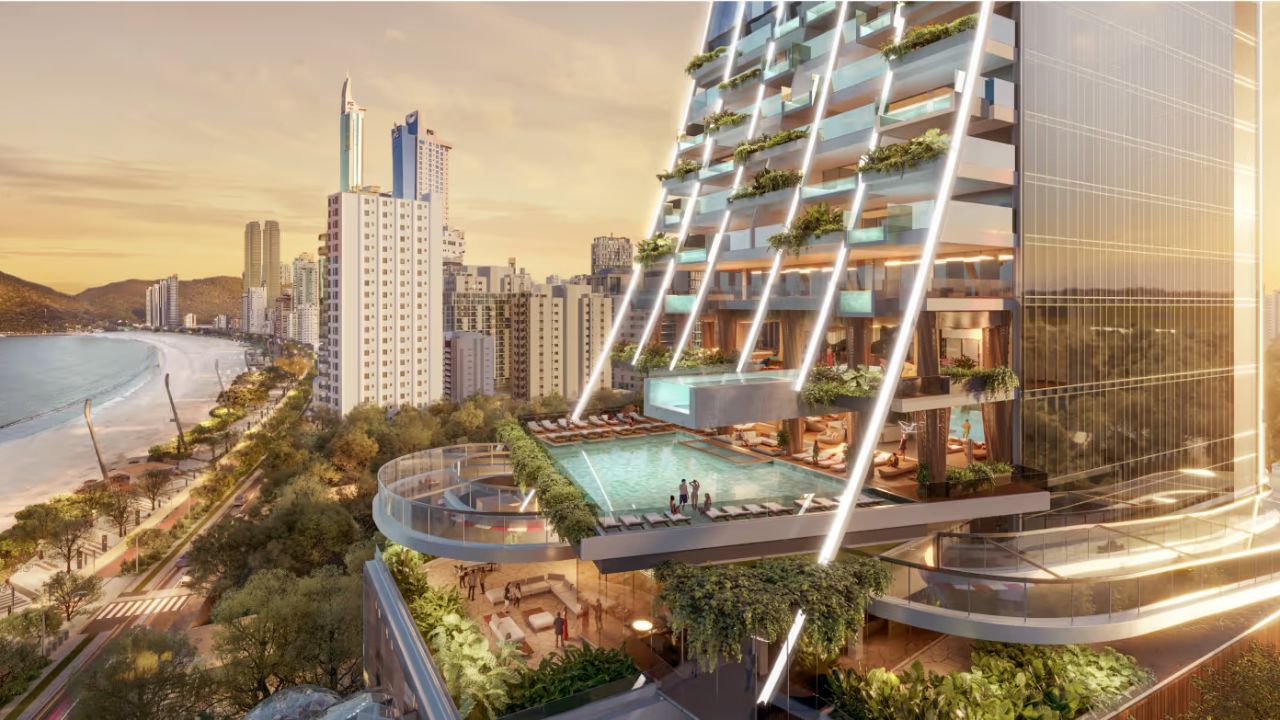
The project for the skyscraper Senna Tower, over 500 meters tall, represents the next frontier. Its engineering introduces a pioneering technology, the Auger Caster pile, which will be embedded directly into the rock, creating a monolithic connection. The project features a global team of specialists, including consultants who worked on the Burj Khalifa.
Despite its success, the model of Balneário Camboriú faces challenges related to urban and environmental sustainability. Rapid densification pressures the infrastructure, and impacts like beach shading generate debates. The city is also vulnerable to climate change.
The future of engineering points towards even smarter buildings, with real-time monitoring, such as the planned fiber optic system for the Senna Tower. The Balneário Camboriú model is already expanding to neighboring cities like Itapema, consolidating the Santa Catarina coast as a global hub for tall construction.





-

-

-

-

16 pessoas reagiram a isso.