





 Portuguese
  English
  Spanish
  4 min of reading
  10 comments


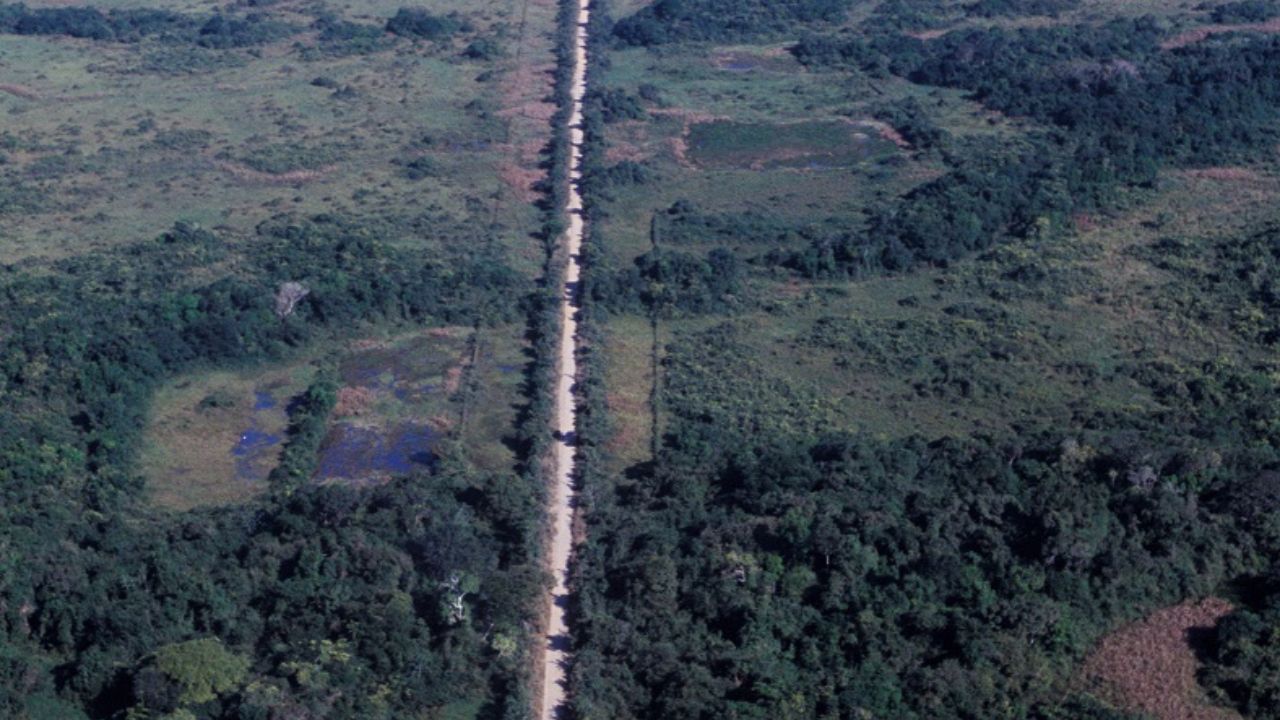


Discover the Land Route That Cuts Through the Pantanal, Where Nature Sets the Rhythm, the Maximum Speed Is a Detail, and the Largest Feline in the Americas Is the Main Star.
In the heart of Brazil, there is a road that is more than just a path: it is a destination. Known as the most beautiful park road in the country, the Transpantaneira is an invitation to immerse yourself in wildlife. Here, jaguars cross the track, and the journey is dictated by nature. However, contrary to what many imagine, its charm does not lie in the asphalt, but rather in its earthen essence and its unique history of an unfinished project that became one of the largest ecological sanctuaries on the planet.
An Earth Icon in the Heart of the Pantanal
The road is officially the MT-060 Highway. However, it is globally famous by the name Transpantaneira. The formal title of “Park Road Transpantaneira” only came in 1996, recognizing its vocation for tourism and conservation. It is crucial to clarify two points.
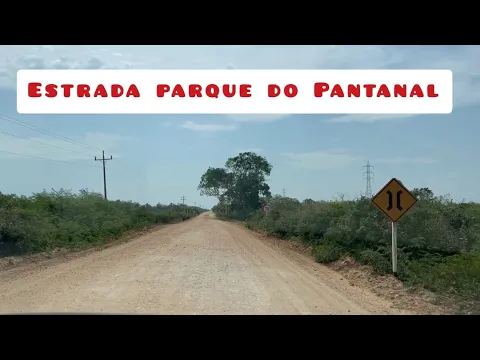
First, the Transpantaneira is not paved. The paved section ends in Poconé (MT). From there, the true adventure begins on an elevated road made of dirt and gravel.
-
The Argentine government celebrates the lowest poverty rate in 7 years, but experts warn that the methodology has changed, real wages have fallen, unemployment has risen, and the number of people on the streets of Buenos Aires has increased by 57% since Milei took office.

-
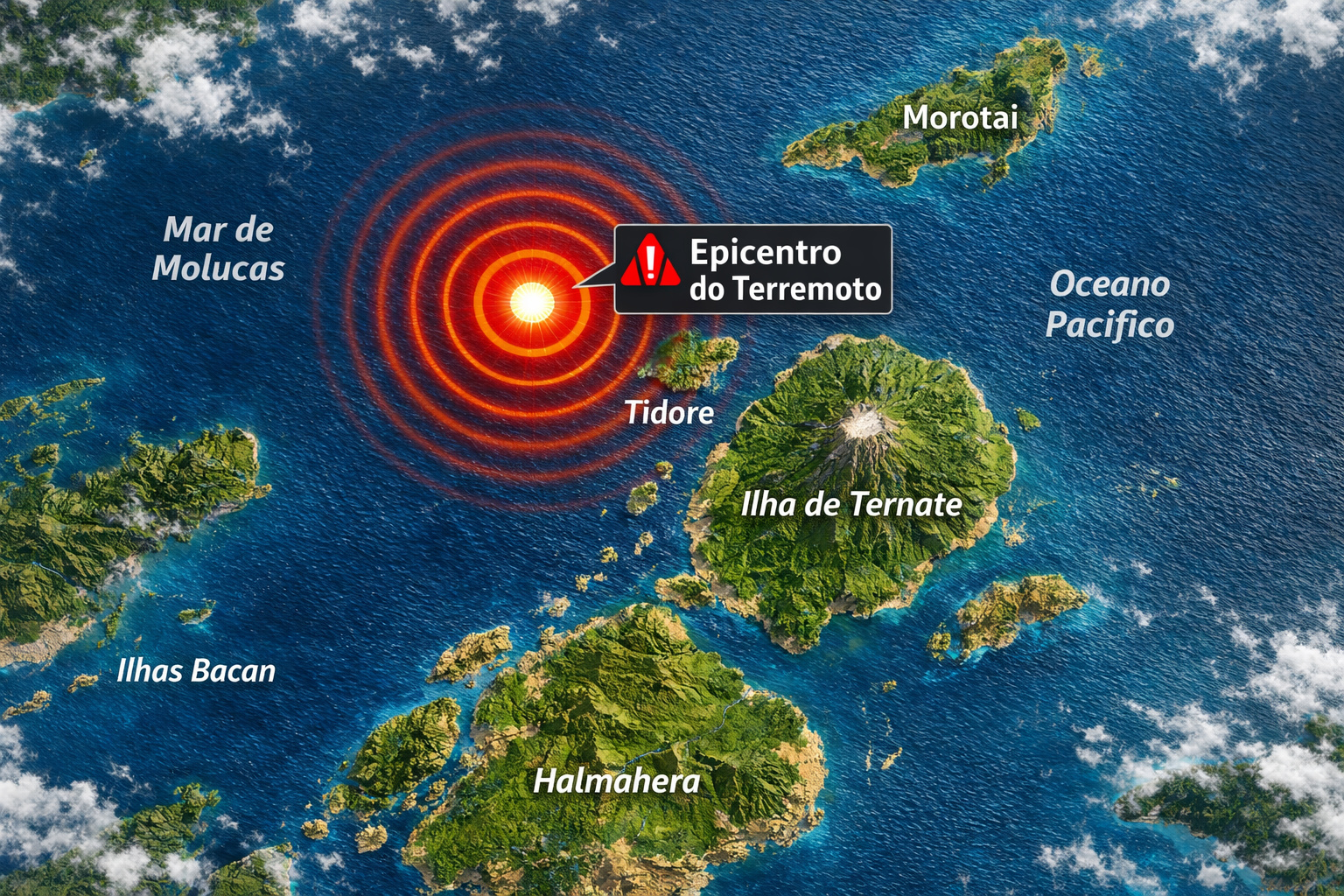
7.8 magnitude earthquake in Indonesia frightens the population, triggers tsunami alert, and hits an island with over 200,000 inhabitants this Thursday.
-
Google will finally let you change that embarrassing Gmail address you created in your teenage years without losing any accounts, logins, or old emails: the feature is already available in the United States.

-
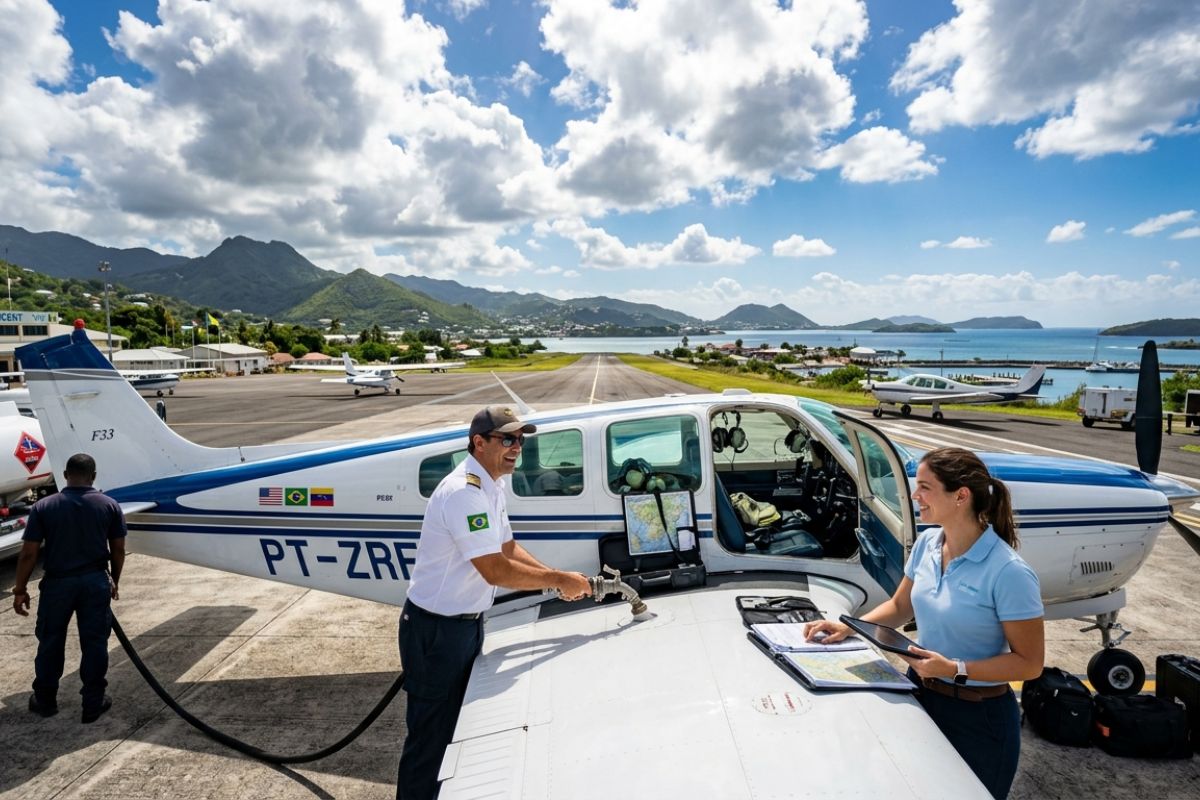
Heading to Brazil in a Bonanza F33 single-engine aircraft: a couple departs from Florida on a visual flight, makes technical stops in the Caribbean to refuel and organize paperwork, and begins the staged crossing until they reach the country.

Secondly, the Transpantaneira, in the Northern Pantanal (Mato Grosso), is different from its counterpart in the south, the Pantanal Park Road (MS-228), in Mato Grosso do Sul. While the southern route follows an old cattle trail, the Northern Transpantaneira is a “safari on wheels“, famous for its incredible concentration of wildlife.
The History of the Park Road
The history of the Transpantaneira is a paradox. Started in the 1970s, the highway was planned to connect Poconé (MT) to Corumbá (MS). The goal was to integrate the region and facilitate the cattle production. However, the challenges posed by the flood and drought cycles of the Pantanal were immense. After constructing 147 kilometers, the project was abandoned in Porto Jofre, on the banks of the Cuiabá River.
What seemed like an engineering failure turned out to be a triumph for nature. The road, built as a causeway, altered the flow of waters. The side ditches, from where the earth was removed, became water refuges during the dry season. This concentrates wildlife spectacularly, transforming the road into a unique observation platform in the world.
The Wildlife of the Transpantaneira
Traveling the Transpantaneira is a continuous immersion in an open-air zoo. The 147 km journey between Poconé and Porto Jofre is marked by more than 120 wooden bridges. Many of them are narrow and require attention, forcing a slow and contemplative pace.
Currently, a government project in Mato Grosso is replacing these structures with concrete bridges to increase safety and reduce maintenance costs. Shortly after entering, the fauna reveals itself. Thousands of caimans line the banks.
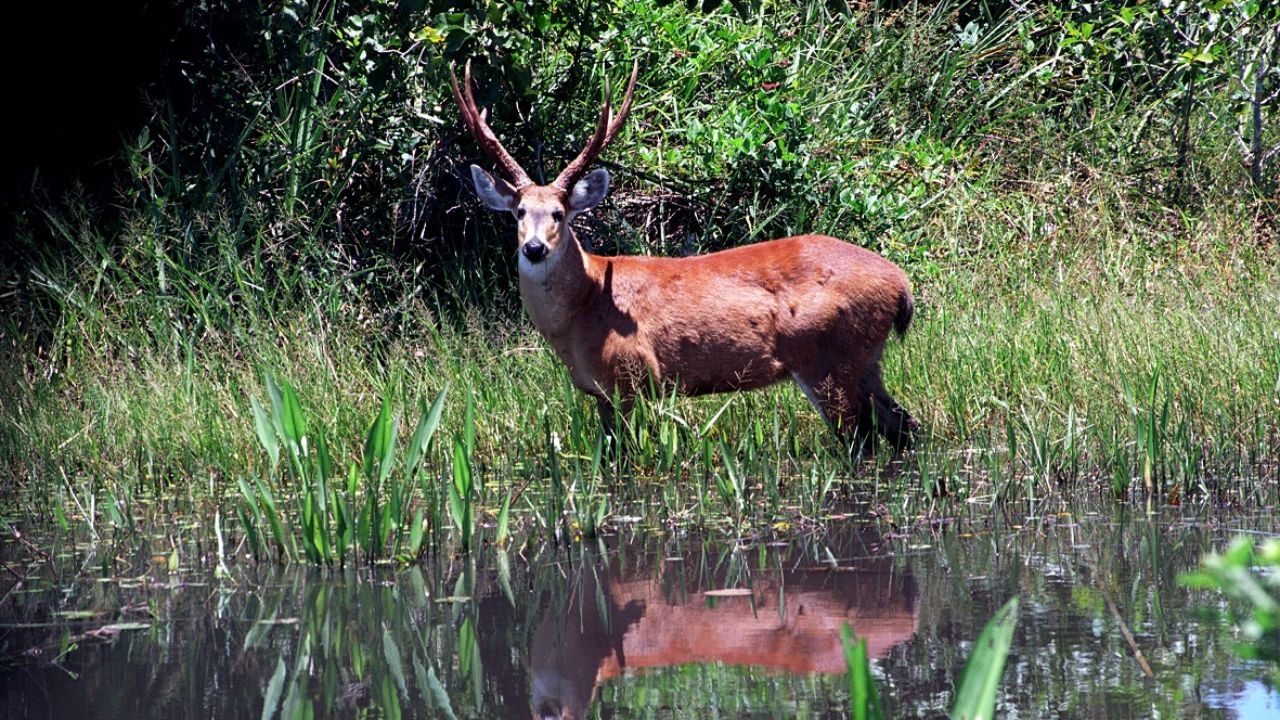
Families of capybaras, the largest rodents in the world, stroll along the track. The Tuiuiú, symbol bird of the Pantanal, is a constant presence. Though the maximum speed is 60 km/h, the real pace is much lower. The journey becomes a succession of stops to admire and photograph wildlife.
The Realm of the Jaguar

If the Transpantaneira is a safari, its end, in the Porto Jofre region, is the main stage. This area, which encompasses the Encontro das Águas State Park, is home to the largest concentration of jaguars in the world. Encountering the largest feline in the Americas is a real possibility and attracts tourists from all continents.
The jaguar has transformed the local economy. Once seen as a threat to cattle ranching, today it is the backbone of an ecotourism industry that generates millions of dollars annually. This proves that a live jaguar is worth much more to the local economy than the losses it could cause. The animal’s tourist value encourages the protection of its entire habitat, from riparian forests to its prey.
Planning Your Trip Along the Pantanal Park Road
Planning the trip is essential. The choice of season is the most important decision. The dry season, from June to October, is the best time. The waters recede, the animals concentrate near water points, and the road becomes more accessible. This is also the best time to spot jaguars.
In the rainy season, from November to March, the landscape becomes lush, but the road may have flooded and impassable sections, requiring a 4×4 vehicle. For the trip, leave Poconé with a full tank, as there are no gas stations along the way. Bring water and snacks. Drive slowly, respect the fauna, and never get too close to the animals. The inns and farms along the route offer accommodation and guided tours, such as horseback riding and boat safaris, that enrich the experience.








Discordo.
A estrada parque entre que passa por itu, Cabreúva e Pirapora é mais .
Boa noite…
Eu e minha esposa nas férias de final de ano de 2023, fizemos toda a Transpantaneira e o circuito de Bonito.
Realmente é excepcional o passeio.
Mas é bom se precaver com relação a ter mesmo na seca, pontos lamacentos.
Passamos por uns três pontos.
Foi tenso.
Mas valeu a pena. É um passeio único.
A onça pintada vale muito pelo que ela é e representa na natureza. Quanto aos fazendeiros que se sentem ou se sentiram prejudicados pelos ataques precatórios da onça pintada, esses deveriam ter a consciência de que o território é da onça e não deles. Eles são os invasores! Portanto, no mínimo deveriam criar projetos de proteção a esse **** incrível e extremamente necessário para o eco sistema! Ela vale mais do que milhões ela é parte da vida como um todo!