





 English
  Francês
  Alemão
  Italiano
  Japonês
  Norueguês
  Portuguese
  Spanish
  5 min of reading
  0 comments


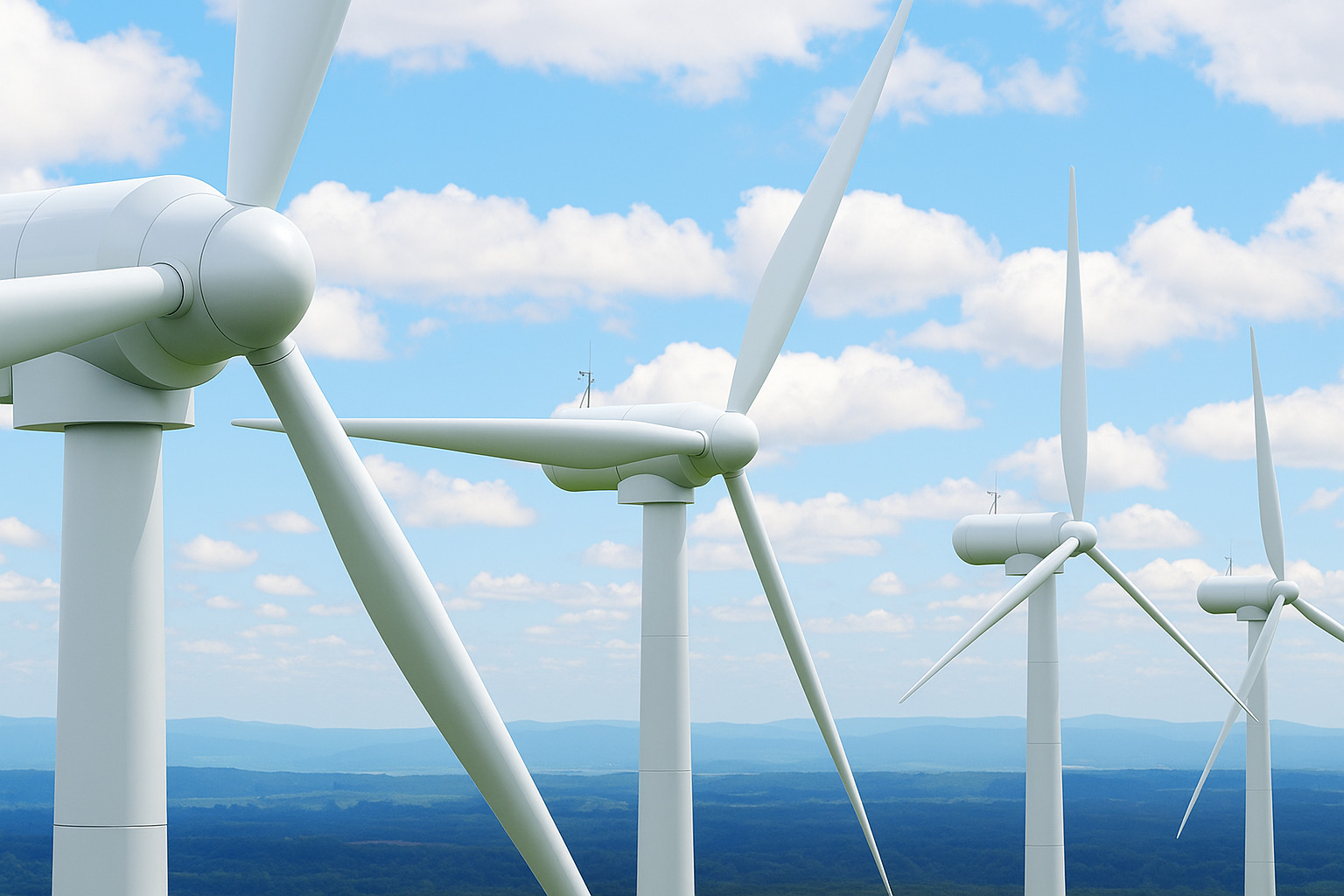
Discover How the Urban Wind Strategy Transforms Cities by Harnessing the Wind to Generate Clean, Sustainable Energy and Reduce Energy Costs.
As urbanization grows rapidly, cities face significant challenges in managing their energy. Additionally, with the expansion of metropolises, the demand for electricity increases exponentially. Therefore, it becomes essential to seek sustainable and efficient solutions.
In this context, the urban wind strategy emerges as a promising alternative, as it allows wind, an abundant natural resource, to generate clean energy and reduce dependence on fossil fuels.
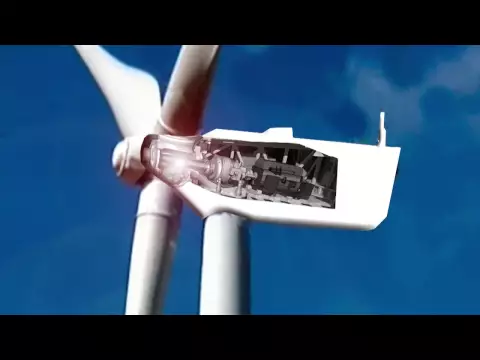
Historically, humanity utilized wind to power mills and ships, from the Middle Ages in Europe to coastal areas of Asia and the Middle East. Over time, these uses evolved into more advanced technologies, such as modern wind turbines, which generate electricity continuously and reliably.
-
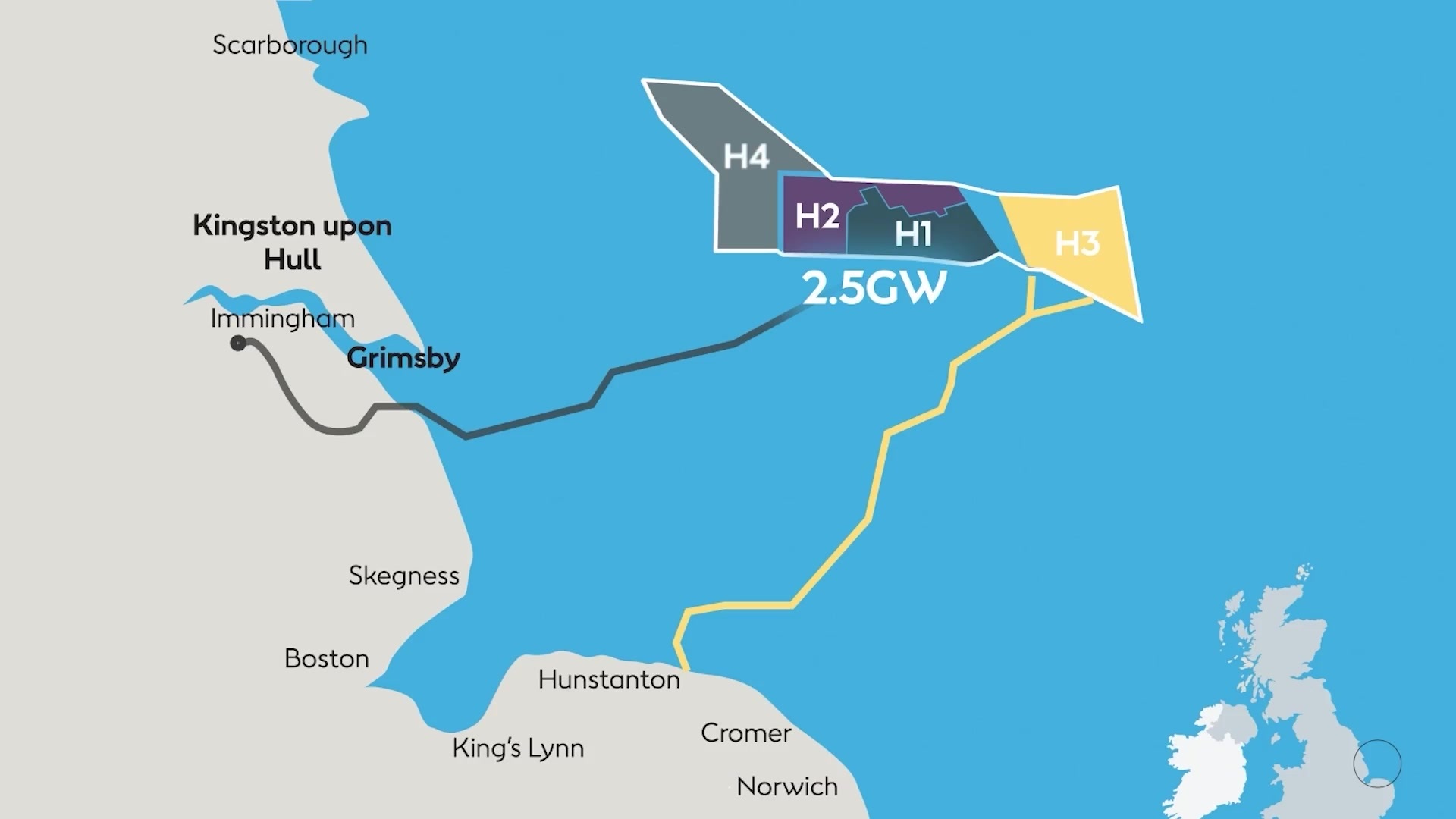
231 turbines of 260 meters at 160 km from the coast, monopiles weighing as much as nine blue whales embedded in the North Sea, and a crane ship taller than the Eiffel Tower: Hornsea 3 will be the largest offshore wind farm on the planet by 2027, and its first components have already arrived in England.
-
International Certification Puts Senai Norte on the Renewable Energy Map and Expands Access to Essential Training for Qualified Wind Power Professionals

-
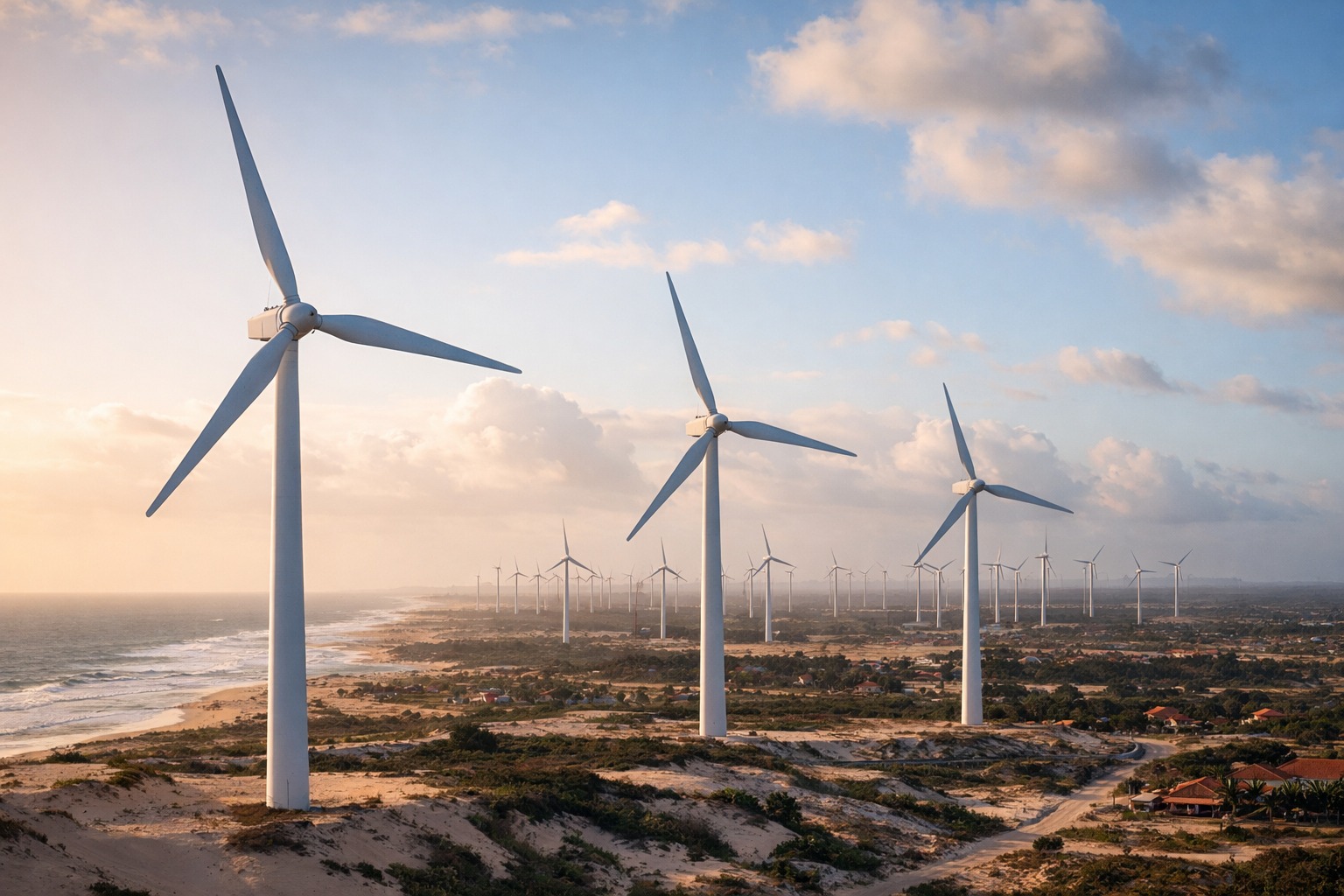
The Winds of the Northeast Are in Foreign Hands: Nearly 70% of the Region’s Wind Farms Are Owned by International Companies, with France, China, and Italy Leading Investments in Wind Energy in Brazil
-
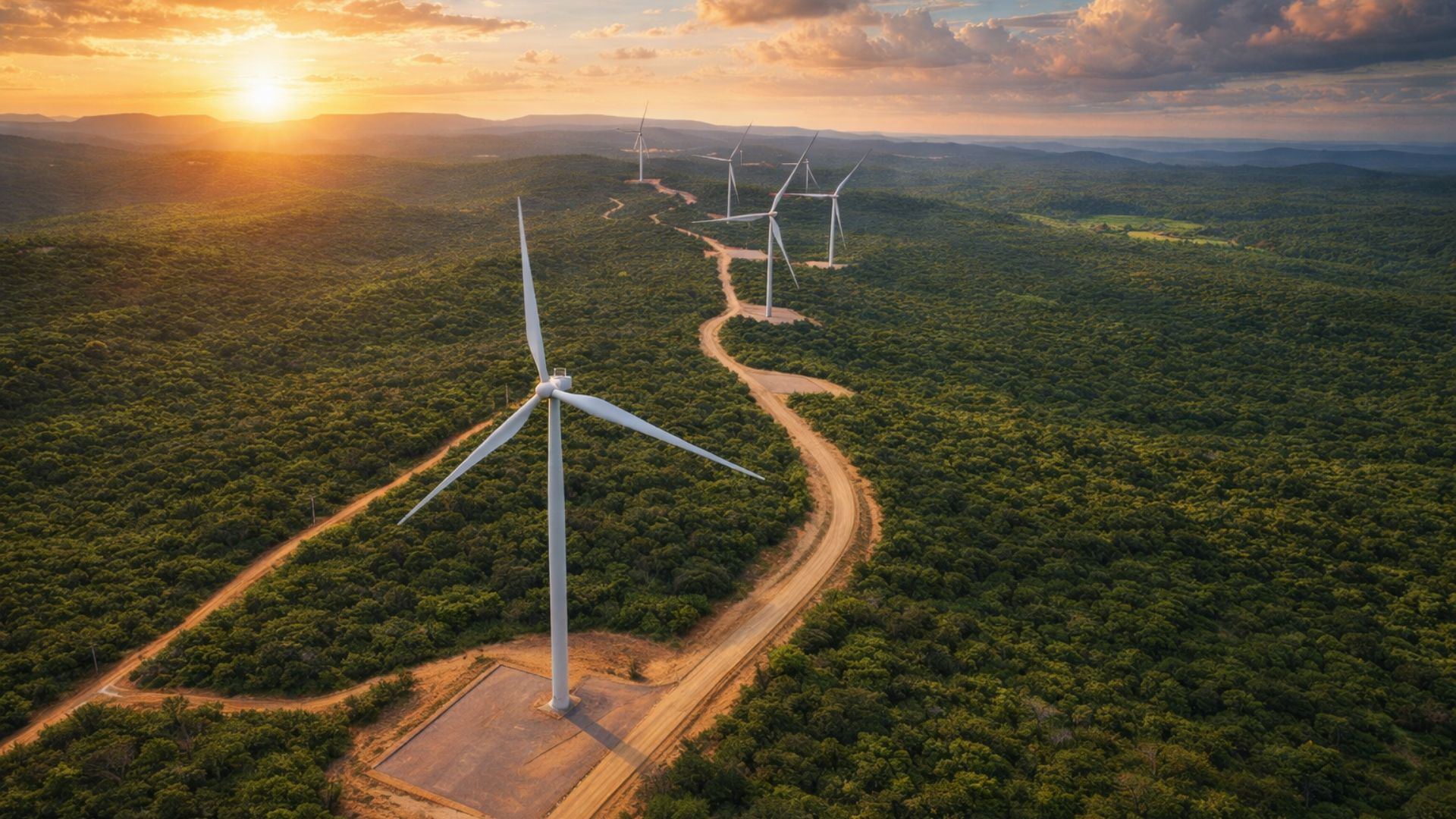
Echoenergia’s Wind Farms Receive Diamond and Platinum Seals and Boost Carbon Credits with Projects that Prevent Large Volumes of Annual Emissions

However, transitioning to urban environments presents unique challenges, as building density, narrow streets, and complex airflow demand innovative solutions.
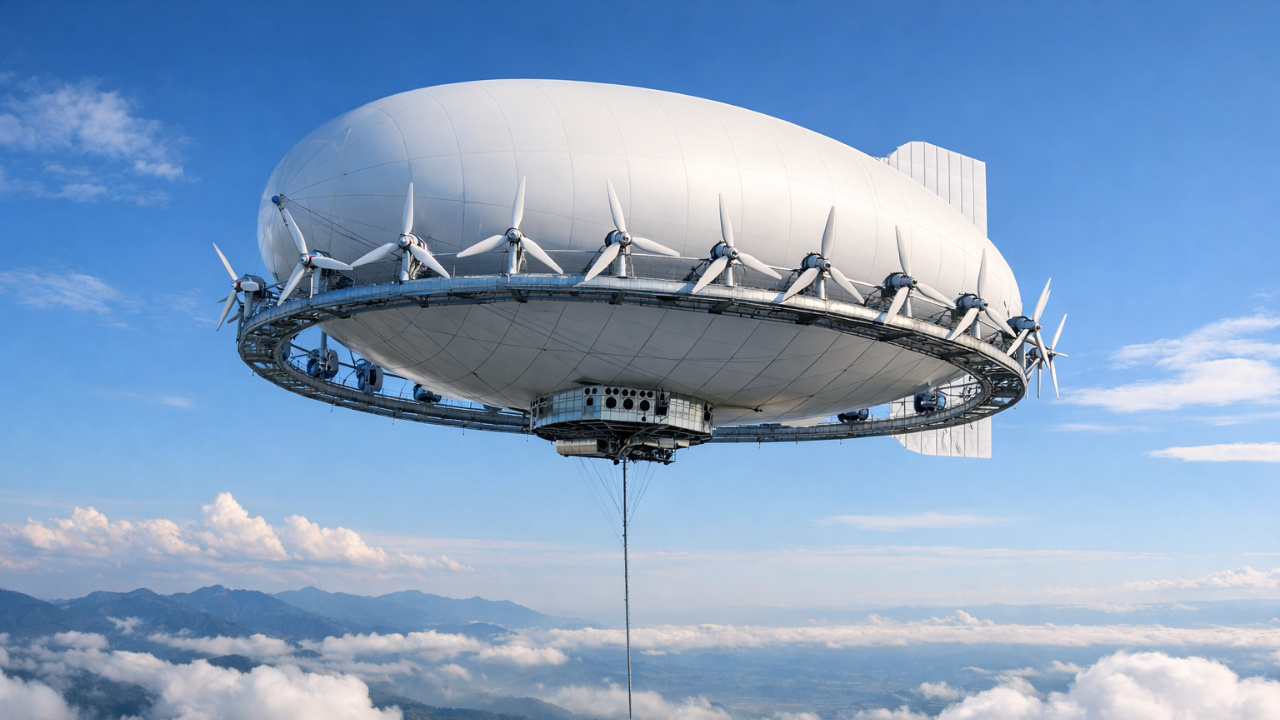
Thus, the urban wind strategy involves understanding how wind behaves in densely built areas and how buildings can enhance energy generation. For example, in metropolises like São Paulo, recent research shows that air currents between skyscrapers can direct small turbines installed in strategic locations. These locations include roofs, façades, and walkways.
Therefore, this intelligent utilization of wind transforms the city’s architecture into an ally of sustainability, creating a positive cycle of clean energy and innovation.
Moreover, the study of urban wind considers seasonal climate factors, pollution patterns, and microclimates generated by the city itself. These elements, therefore, help to determine the best locations to install turbines and optimize their efficiency throughout the year.
Consequently, the integration of sensors and real-time monitoring technology allows for dynamic adjustments, ensuring that the generated energy is maximized even under adverse weather conditions.
Public Policies and International Examples
In addition to the technical aspect, implementing wind energy in cities heavily relies on public policies and urban planning. For example, pioneering cities such as Aarhus, Denmark, have demonstrated that it is possible to operate almost exclusively on renewable sources when government, private sector, and society work together.
Therefore, the experience of Aarhus, which began with investments in turbines in strategic areas, served as a model for other European cities. It shows that the urban wind strategy involves not only technology but also social and economic issues.
Furthermore, technology plays a central role in this process. Modern urban turbines operate in lower winds and with frequent variations, common characteristics in dense cities. Additionally, designs reduce visual impact and noise, ensuring that turbines integrate harmoniously into the urban landscape.
Thus, advanced materials increase durability and efficiency, while monitoring systems allow for real-time adjustments to optimize energy production.
From an economic perspective, investing in urban wind strategy offers multiple benefits. By diversifying the energy matrix and reducing dependence on fossil fuels, cities can protect themselves from price volatility and lower electricity costs.
Consequently, this positive impact directly reflects in public coffers and in the household budgets of citizens. Furthermore, the installation and maintenance of turbines generate local jobs, fostering economic growth and providing opportunities for professionals in engineering, environmental education, and other fields.
Moreover, international experience shows that the urban wind strategy also integrates into hybrid energy systems. Many cities combine solar and wind energy, creating smart grids that balance production according to demand and weather conditions.
As a result, this model offers greater energy security and reduces the risk of blackouts, while encouraging the development of energy storage and distribution technologies.
Social Benefits and Community Engagement
Projects for urban wind energy promote environmental awareness, encourage sustainable habits, and strengthen community engagement. When citizens realize that the energy they consume is clean and local, there is a growing appreciation for environmental initiatives and an understanding that each individual action contributes to collective sustainability.
Thus, the urban wind strategy becomes an educational and transformative tool.
However, despite the advantages, implementing wind energy in cities faces relevant challenges. The need for adequate infrastructure, initial costs, and the complexity of urban regulation can hinder the expansion of projects.
Therefore, incentive policies, public-private partnerships, and strategic planning are essential. Additionally, tax incentives, credit lines, and research support programs facilitate the expansion of wind energy in urban centers.
Another relevant social aspect is the inclusion of local communities in wind energy projects. For instance, in some cities, educational programs teach children and youth about the importance of renewable energy. They encourage participation in monitoring and maintaining turbines. Consequently, these programs create a sustainability culture from an early age.
Brazilian Experiences and Urban Sustainability
Brazil presents a promising path in the development of wind energy. States like Rio Grande do Norte and Bahia lead electricity production from wind, primarily in coastal areas. These pioneering projects, even in less urbanized regions, provide valuable knowledge that can be adapted to metropolises.
Therefore, applying the urban wind strategy in Brazilian cities combines technical experience with innovative solutions that respect the complexity of the urban environment.
Additionally, integrating wind energy into cities requires a broad vision of urban sustainability. The efficient management of natural resources, the reduction of greenhouse gas emissions, and the creation of more resilient cities go hand in hand with the installation of wind turbines.
Thus, the urban wind strategy is not limited to energy generation but transforms the entire urban structure, making it smarter, more efficient, and environmentally responsible.
The analysis of urban and climatic data, coupled with artificial intelligence, identifies new opportunities to install turbines, leveraging previously underestimated wind corridors. Therefore, this technological advancement reinforces that the urban wind strategy is adaptable and evolves along with the city, ensuring consistent and sustainable results over time.
Research, Innovation, and the Future of Urban Energy
Universities and research centers around the world study ways to optimize the installation of turbines in cities, analyzing wind patterns, architectural impact, and energy efficiency. These studies increase the technical viability of projects. Furthermore, they provide data for public policies and urban planning, consolidating wind energy as an essential component of the future energy matrix.
In summary, the urban wind strategy represents a sustainable, economic, and socially relevant solution for the energy challenges of metropolises. By combining history, technology, and planning, cities can transform wind into a reliable source of electricity, making the most of natural resources and promoting greener urban environments.
Thus, the experience of pioneering cities, along with local innovation, demonstrates that this strategy is not only viable but essential for building a sustainable and resilient urban future.
Wind, historically exploited in simple ways, now becomes the protagonist in electricity generation within cities. Therefore, with effective public policies, adapted technologies, and societal engagement, the urban wind strategy can establish itself as one of the pillars of modern metropolises, ensuring clean energy, reduced environmental impacts, and lasting economic benefits.









Seja o primeiro a reagir!