Portuguese
  Spanish


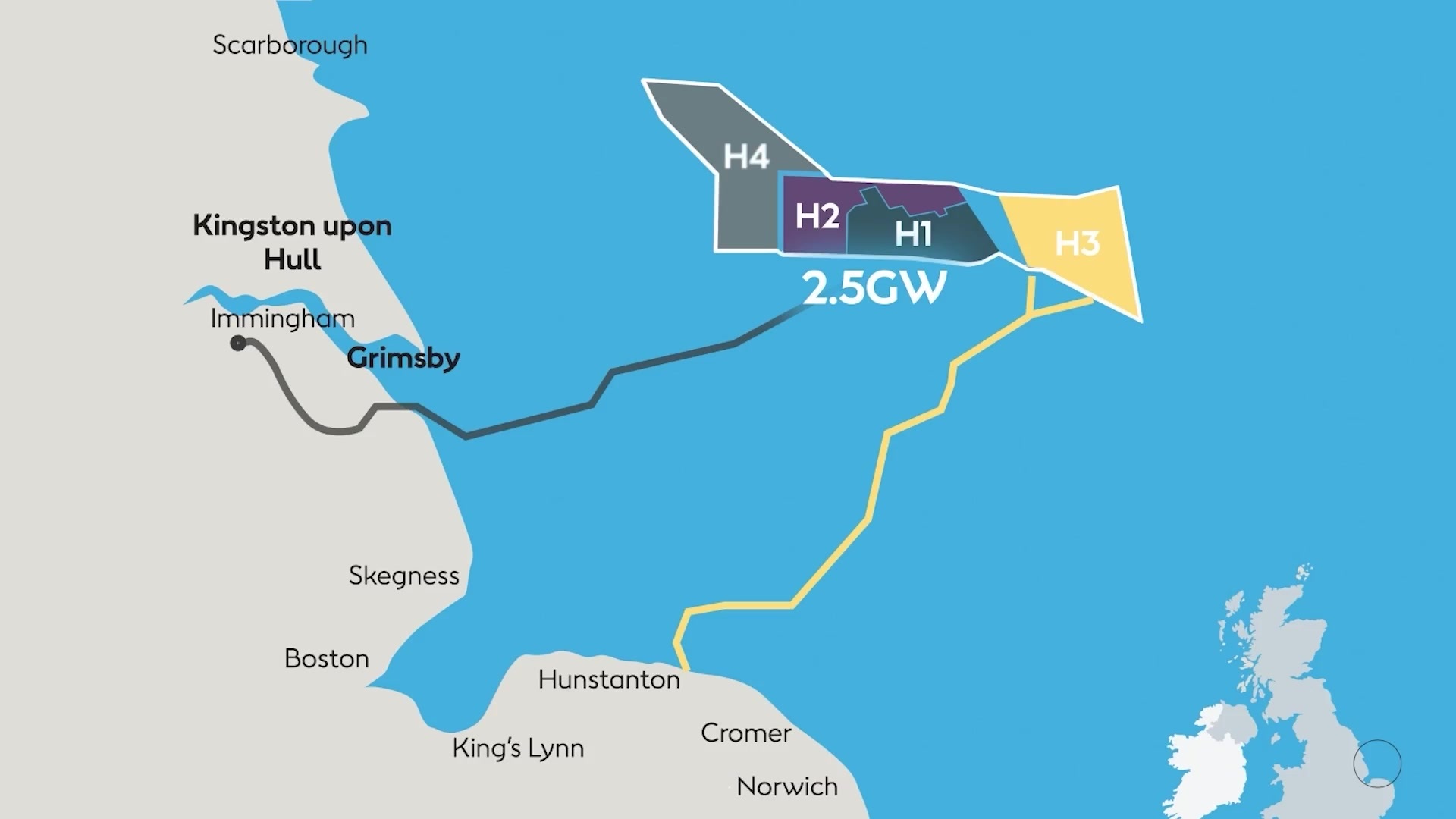

Hornsea 3 will have 231 turbines of 260 m in the North Sea, 2.9 GW of power and a giant structure that redefines global offshore wind energy
Giant of the seas begins to take shape with the arrival of the first pieces, promising to redefine the limits of clean energy and inaugurate a new level of offshore wind engineering by 2027. On February 11, 2026, two heavy cargo ships docked at Teesworks port in northeast England, carrying the first six structures of an unparalleled project in the history of offshore wind energy. Each unit weighed 1,670 metric tons, measured 90 meters in length, and had a diameter ranging from 8 to 11 meters. The structures traveled about 960 nautical miles from Bilbao, Spain, where they were manufactured by Haizea Wind Group.
These pieces represent the first of a total of 197 monopiles that will support the turbines of Hornsea 3, the largest offshore wind farm ever planned in the world. The arrival marks the effective start of the offshore phase of the work, which is expected to be completed in 2027.
Giant monopiles of Hornsea 3 support offshore wind turbines in the North Sea
The monopiles are the structural base of the entire offshore wind farm. In the case of Hornsea 3, each unit has extreme dimensions and weight, designed to support turbines over 260 meters tall in the severe conditions of the North Sea.
-
Billion-Dollar Winds Propel Wind Energy Growth in Brazil, Boosting Unprecedented Technical Workforce Development

-
Brazil filled the Northeast with wind turbines but now faces the side effect of 705 giant blades reaching the end of their lifespan by 2032 just in Rio Grande do Norte, while the world projects 43 million tons of waste by 2050.
-
Brazil has filled the Northeast with wind turbines, but now it faces the side effect of 705 giant blades reaching the end of their useful life by 2032 just in Rio Grande do Norte, while the world projects 43 million tons of waste by 2050.
-
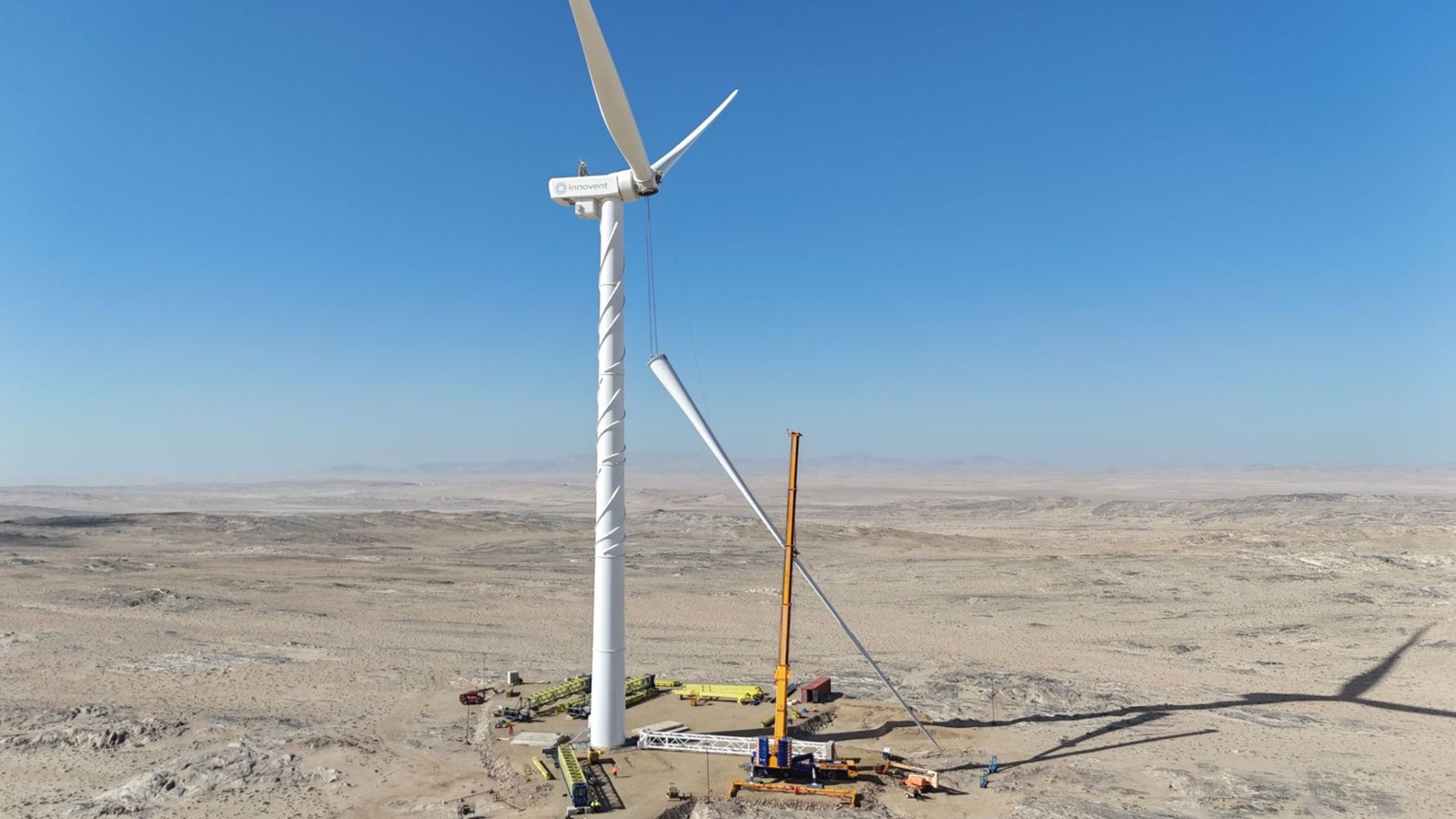
Wind farm in Namibia will have wind turbines assembled without giant cranes and is expected to avoid 200,000 tons of carbon dioxide per year when it becomes operational.



Each monopile weighs about 1,670 tons, equivalent to the combined weight of nine adult blue whales. With 90 meters in length and up to 11 meters in diameter at the base, these structures are driven into the seabed using high-powered hydraulic hammers.
The complete project will use 197 monopiles, totaling approximately 330,000 tons of steel. This structural volume alone is equivalent to dozens of large world-renowned metal structures, highlighting the industrial scale of the endeavor.
Offshore logistics transport giant structures from Spain to the UK
The transport of these structures involves a highly specialized logistics chain. The first monopiles were loaded onto heavy cargo ships like the CY Interocean II, operated by BigLift Shipping, and transported from Spain to England.
The offshore installation operation is conducted by Cadeler, a company specialized in offshore wind foundations. The company mobilized multiple vessels, including the Wind Ally ship, specifically designed for handling large monopiles.
The production of the structures takes place in Bilbao, under a contract signed in 2022, considered one of the largest ever signed in the sector. A second supplier, Dajin Heavy Industry, will also participate in the supply starting in 2026.
260-meter turbines and 236-meter rotors redefine the scale of wind energy
Hornsea 3 will be equipped with up to 231 Siemens Gamesa SG 14-236 DD turbines, each with a capacity of 14 MW. The number 236 refers to the rotor diameter, which reaches 236 meters from tip to tip.
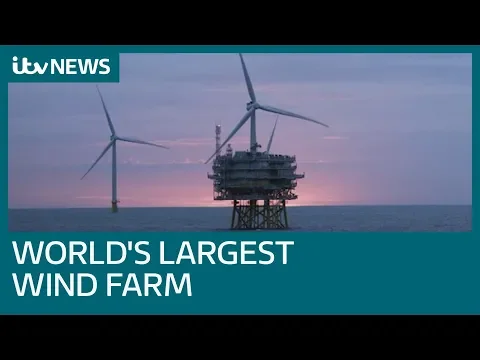
Each turbine covers a sweep area of approximately 43,500 m², equivalent to about six football fields. The total height exceeds 260 meters, positioning these structures among the largest ever installed in a marine environment.
A single turbine can generate enough energy to power about 10,000 homes under ideal conditions. The entire park will reach 2.9 GW of installed capacity.
Ship Voltaire leads the installation of turbines with record lifting capacity
The installation of offshore turbines requires engineering equipment that has only recently become available. The ship Voltaire, operated by the Belgian company Jan De Nul, is responsible for this stage.
With a lifting capacity of over 3,000 tons and an operational height of approximately 325 meters, the ship surpasses the Eiffel Tower when the boom is fully extended.
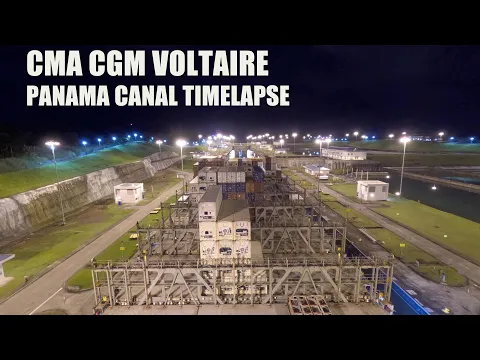
This type of vessel allows for the installation of components in open water with millimeter precision, even in adverse wind and wave conditions.
Giant of the seas begins to take shape with the arrival of the first pieces, promising to redefine the limits of clean energy and inaugurate a new level of offshore wind engineering by 2027.
On February 11, 2026, two heavy cargo ships docked at Teesworks port in northeast England, carrying the first six structures of an unparalleled project in the history of offshore wind energy.
Each unit weighed 1,670 metric tons, measured 90 meters in length, and had a diameter ranging from 8 to 11 meters. The structures traveled about 960 nautical miles from Bilbao, Spain, where they were manufactured by Haizea Wind Group.
These pieces represent the first of a total of 197 monopiles that will support the turbines of Hornsea 3, the largest offshore wind farm ever planned in the world. The arrival marks the effective start of the offshore phase of the work, which is expected to be completed in 2027.
Giant monopiles of Hornsea 3 support offshore wind turbines in the North Sea
The monopiles are the structural base of the entire offshore wind farm. In the case of Hornsea 3, each unit has extreme dimensions and weight, designed to support turbines over 260 meters tall in the severe conditions of the North Sea.
Each monopile weighs about 1,670 tons, equivalent to the combined weight of nine adult blue whales. With 90 meters in length and up to 11 meters in diameter at the base, these structures are driven into the seabed using high-powered hydraulic hammers.
The complete project will use 197 monopiles, totaling approximately 330,000 tons of steel. This structural volume alone is equivalent to dozens of large world-renowned metal structures, highlighting the industrial scale of the endeavor.
Offshore logistics transport giant structures from Spain to the UK
The transport of these structures involves a highly specialized logistics chain. The first monopiles were loaded onto heavy cargo ships like the CY Interocean II, operated by BigLift Shipping, and transported from Spain to England.
The offshore installation operation is conducted by Cadeler, a company specialized in offshore wind foundations. The company mobilized multiple vessels, including the Wind Ally ship, specifically designed for handling large monopiles.
The production of the structures takes place in Bilbao, under a contract signed in 2022, considered one of the largest ever signed in the sector. A second supplier, Dajin Heavy Industry, will also participate in the supply starting in 2026.
260-meter turbines and 236-meter rotors redefine the scale of wind energy
Hornsea 3 will be equipped with up to 231 Siemens Gamesa SG 14-236 DD turbines, each with a capacity of 14 MW. The number 236 refers to the rotor diameter, which reaches 236 meters from tip to tip.
Each turbine covers a sweep area of approximately 43,500 m², equivalent to about six football fields. The total height exceeds 260 meters, positioning these structures among the largest ever installed in a marine environment.
A single turbine can generate enough energy to power about 10,000 homes under ideal conditions. The entire park will reach 2.9 GW of installed capacity.
Ship Voltaire leads the installation of turbines with record lifting capacity
The installation of offshore turbines requires engineering equipment that has only recently become available. The ship Voltaire, operated by the Belgian company Jan De Nul, is responsible for this stage.
With a lifting capacity of over 3,000 tons and an operational height of approximately 325 meters, the ship surpasses the Eiffel Tower when the boom is fully extended.
This type of vessel allows for the installation of components in open water with millimeter precision, even in adverse wind and wave conditions.