





 English
  Francês
  Alemão
  Italiano
  Japonês
  Norueguês
  Portuguese
  Spanish
  3 min of reading
  18 comments


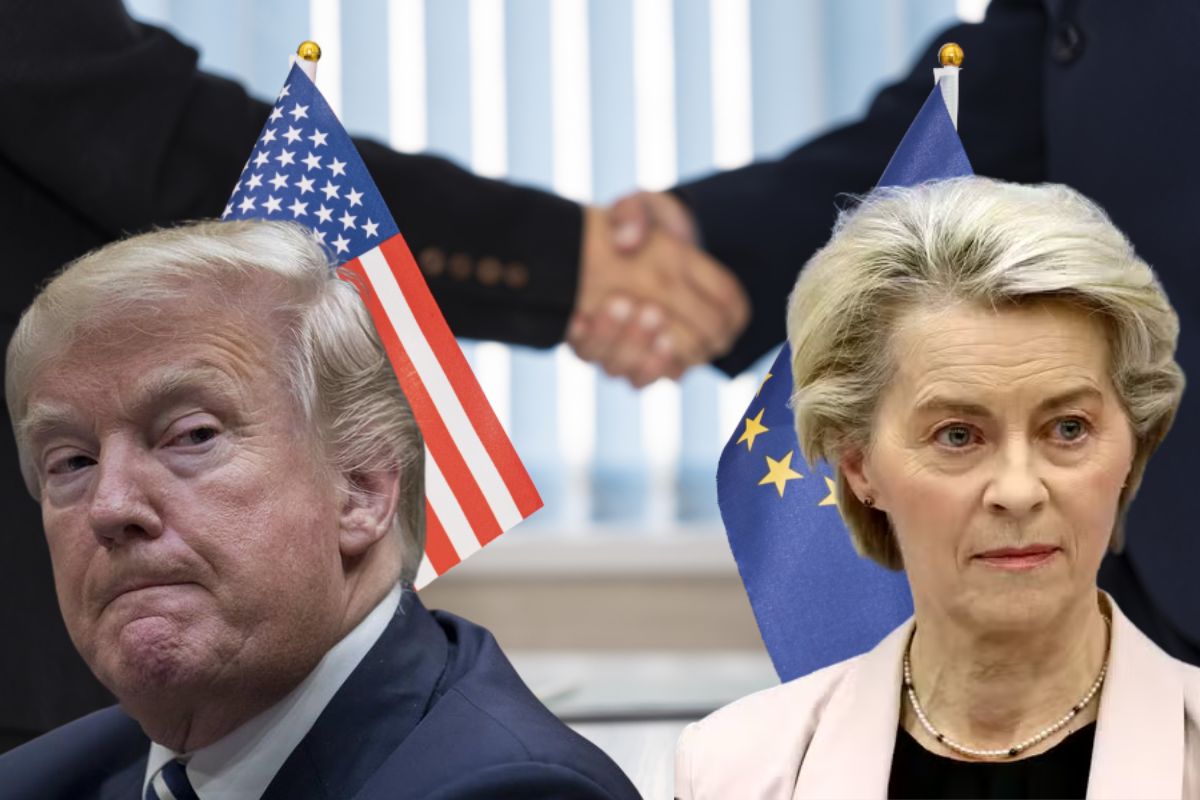


Draghi Report Indicates That Europe Needs to Invest €800 Billion Annually by 2030 to Avoid Economic Collapse and Regain Global Competitiveness.
The Europe is at a decisive moment in its economic trajectory. According to a report from DW Brazil, approximately €300 billion per year leave the continent and are invested in the United States, while the European Union (EU) needs to invest at least €800 billion annually in innovation, infrastructure, and technology to avoid collapse by the end of the decade.
The warning comes from the Draghi Report, a 400-page study prepared by former President of the European Central Bank, Mario Draghi, famous for having saved the euro in 2012.
The document reveals that Europe is not productive or innovative enough to compete with the U.S. and China and risks losing global relevance if it does not act quickly.
-
Unemployment rises again to 5.8% at the beginning of 2026, raising alarms about the end of temporary positions and its impact on the Brazilian job market.

-
Document organization can cut invisible costs in small businesses, a simple step that prevents waste, rework, and losses in daily operations.

-
Chinese giant worth nearly R$ 4 billion that manufactures cables for electric cars, solar energy, and robotics wants to open a factory in SC.
-
Many employers do not know, but the law guarantees domestic workers a 25% increase in salary during trips, 50% for overtime, 20% for night shifts, and 17 additional benefits that can lead to labor lawsuits if not paid.


Who Is Raising the Alarm and What Is at Stake
Mario Draghi, in an analysis highlighted by DW Brazil, states that Europe needs annual investments between €750 and €800 billion to recover its competitiveness.
The challenge goes beyond the economy: it also involves strategic security and political integration.
Twenty years ago, the European Union represented a quarter of global GDP; today, it accounts for just over 15%.
While the U.S. has regained ground and China has accelerated, Europe has shrunk, revealing a structural lag in innovation and technology.
How Much Money Is Leaving Europe


The problem is not a lack of savings.
The continent has approximately €1.4 trillion in internal reserves, but about €300 billion migrate annually to the United States, where the market is more integrated, efficient, and attractive.
According to DW Brazil, this imbalance is explained by the fragmentation of the 27 members of the European Union.
Excessive bureaucracy, lack of a real union of capital, and underdeveloped risk markets make startups and investors prefer the U.S.
Where the Bottlenecks Are
In the venture capital sector, the contrast is evident. Europe accounts for only 5% of the global venture capital market, while the United States holds 52% and China, 40%.
This difference undermines Europe’s ability to finance technology companies, artificial intelligence, and clean energy—all crucial areas for the future.
Moreover, the fragmented internal politics hinder decision-making.
France has faced four prime ministers in a year, Germany is living under a fragile coalition, and the far-right is growing in several countries, complicating strategic consensus.
Why the International Scenario Pressures Even More
The re-election of Donald Trump in 2024 increased distrust regarding the historical partnership with Washington.
The U.S. government accuses the European Union of being created to harm the U.S., which intensified debates on strategic autonomy in defense and economy.
In response, European countries have increased military spending and are discussing the creation of a “fifth freedom” in the common market: the free movement of research, innovation, and knowledge, an effort to transform Europe into a hub for advanced technology.
Is It Worth Investing in Capital Unification
According to the Draghi Report, the only solution is to mobilize internal savings and integrate them on a continental scale.
This means creating a robust capital market, reducing bureaucracy, and attracting investors for innovation projects.
Without this transformation, DW Brazil warns that Europe will continue to lose ground to the U.S. and China, risking becoming merely a geographic expression on the global economic map.
The challenge is clear: retain capital, invest in technology, and overcome political divisions. The future of the European Union depends on urgent decisions that go far beyond the economy, involving security and strategic identity.
And you, do you believe that Europe will be able to mobilize its €1.4 trillion in internal savings to avoid collapse, or will it continue to lose strength to the U.S. and China?
Leave your opinion in the comments — we want to hear your thoughts on the future of the continent.










Precisamos torcer para que a Europa volte a figurar entre os grandes da economia mundial, para que nós(sub-desenvolvidos e dependentes em tudo do mundo tecnológico) tenhamos mais uma opção, além de USA e China.
A turma do H@mas brazuca, são de frases de mote, “g@do”. Vão estudar bando de alienados e extremistas.
Pra “C o -mu -n- is -t-a,*, a culpa eh sempre dos outros.