





 Portuguese
  English
  Spanish
 5 min of reading
  12 comments


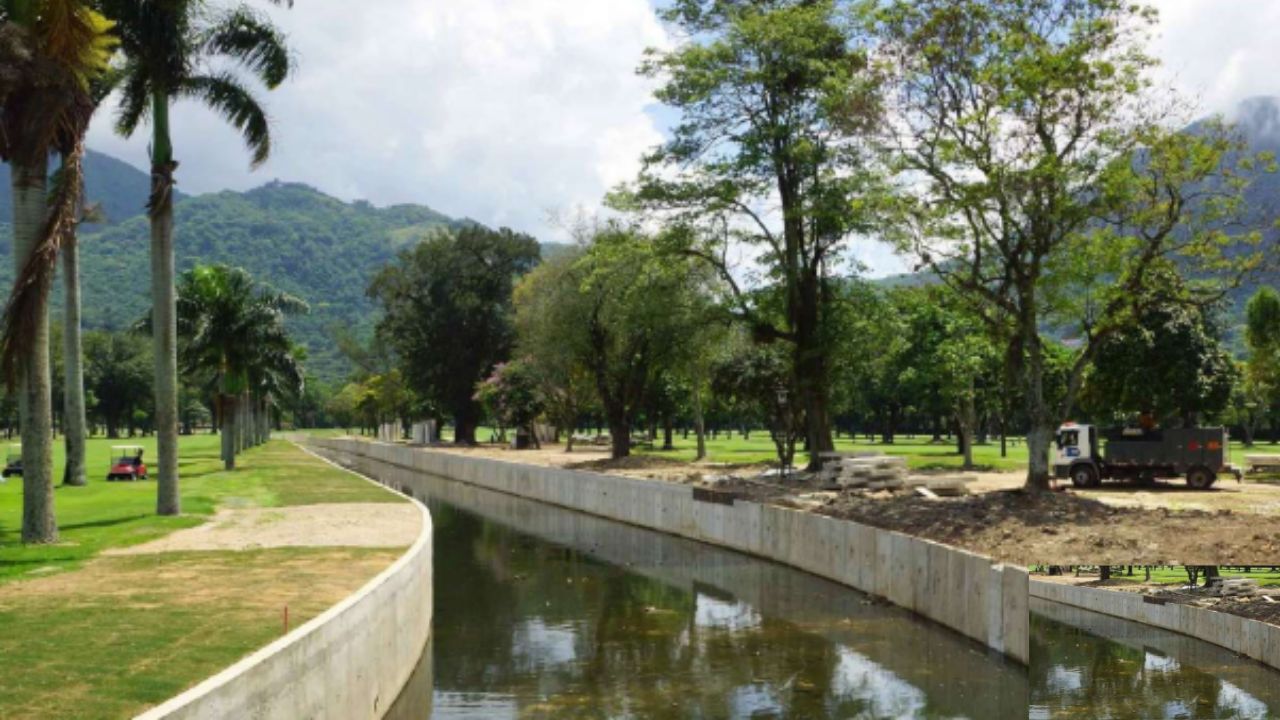

A Detailed Investigation Reveals The Vast Network Of Watercourses Flowing Invisibly Beneath The Carioca Metropolis, Shaping Its Past And Challenging Its Future.
Under the concrete of Rio de Janeiro’s urban landscape, there exists an extensive hydrographic network. These are the secret rivers of the city. Over the centuries, these watercourses have been channeled and largely buried. Unraveling these hidden murmurs is crucial to understanding Rio’s history and challenges such as flooding and pollution. The “Manual Rios de Janeiro” identifies 267 watercourses, but other sources cite over 200 invisible secret rivers beneath the metropolis.
The Forgotten Water Network
Rio de Janeiro’s relationship with its secret rivers is ancient. Initially, they were essential. They determined settlements, served for transportation, and provided drinking water. The Rio Carioca, for example, gave its name to the inhabitants and supplied the city for centuries. However, urban growth changed this perception. Rivers became obstacles or sources of disease, incompatible with a modern metropolis. The “secrecy” of these secret rivers is more a matter of public visibility. Experts and public institutions are aware of this subterranean hydrography. The challenge is the disconnection between technical knowledge and collective perception. Before the asphalt, Rio de Janeiro had a complex hydrographic network. The municipality has three main draining macroregions: Guanabara Bay Basin, Oceanic Basin, and Sepetiba Basin. In them, 267 rivers, streams, and channels were distributed.
Why Were The Carioca Rivers Covered?
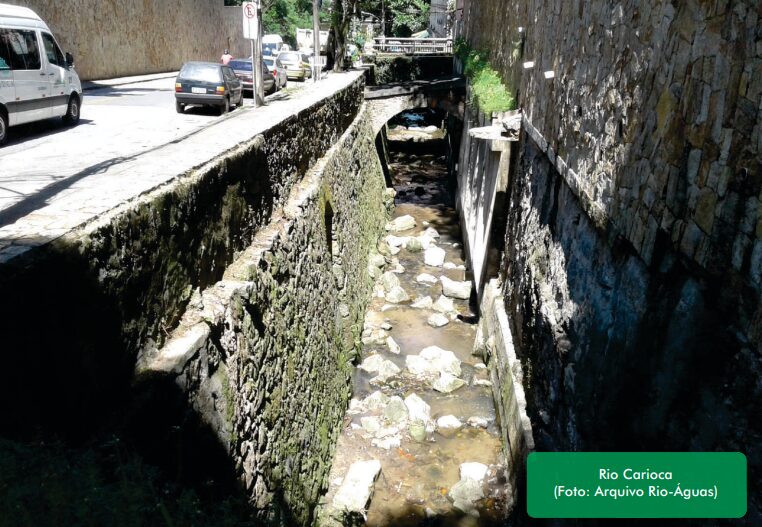
Several reasons led to the systematic covering of carioca secret rivers. The search for modernization and a new urban aesthetic was a driving force. In the late 19th and early 20th centuries, Rio aspired to be like the great European cities. Open and polluted rivers were seen as anachronistic. The canalization and covering symbolized progress. Sanitation and public health were also central. Hygienist theories identified stagnant waters and polluted streams as sources of disease. Covering was advocated as a sanitary measure. The reforms of Pereira Passos in the early 20th century exemplify this mindset, covering rivers like Berquó. Flood control justified interventions. The expansion over floodplains and soil impermeabilization aggravated flooding. Canalization and covering seemed like solutions. Urban expansion and real estate valuation exerted constant pressure. The need for space for streets and buildings led to landfill of mangroves and covering of secret rivers. The colonial and imperial periods saw the first alterations for water supply, such as the Aqueduct of Carioca. In the 19th century, central rivers began to be channeled. The reforms of Pereira Passos (1902-1906) were a crucial point, covering sections of the Rio Carioca in 1905. The process continued throughout the 20th century, expanding to the North and West Zones, altering many other secret rivers.
-
The Argentine government celebrates the lowest poverty rate in 7 years, but experts warn that the methodology has changed, real wages have fallen, unemployment has risen, and the number of people on the streets of Buenos Aires has increased by 57% since Milei took office.

-
7.8 magnitude earthquake in Indonesia frightens the population, triggers tsunami alert, and hits an island with over 200,000 inhabitants this Thursday.
-
Google will finally let you change that embarrassing Gmail address you created in your teenage years without losing any accounts, logins, or old emails: the feature is already available in the United States.

-
Heading to Brazil in a Bonanza F33 single-engine aircraft: a couple departs from Florida on a visual flight, makes technical stops in the Caribbean to refuel and organize paperwork, and begins the staged crossing until they reach the country.

Examples Of Secret Rivers And Their Stories
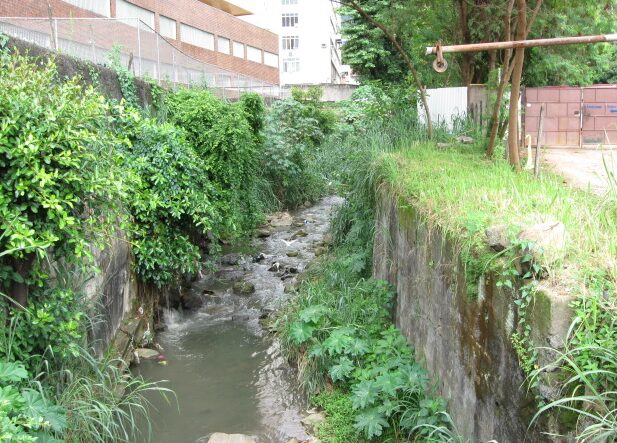
The Rio Carioca is emblematic among the secret rivers. It originates in Serra da Carioca and flows into Baía de Guanabara, passing through Cosme Velho, Laranjeiras, and Flamengo. Supplied the city through the Arcos da Lapa. In 1905, Pereira Passos covered most of its lower course. Today, it flows almost entirely invisible and polluted. The Rio Maracanã, namesake of the famous stadium, has also been profoundly transformed. It crosses neighborhoods like Tijuca and Maracanã, integrating the sub-basin of Canal do Mangue. It has been significantly channeled and, in sections, covered, contributing to flooding in Praça da Bandeira. Its history reflects the prioritization of infrastructure over the river landscape. In Grande Tijuca, the secret rivers Trapicheiros and Joana are notorious. The Trapicheiros, now almost entirely covered, flows into two branches that flank the Praça da Bandeira, a critical flooding area. The Rio Joana, formed by the rivers Jacó and Andaraí, also contributes to flooding in the region. Between 2012 and 2019, a partial diversion with a 3.4 km tunnel was built to carry some of its waters to Baía de Guanabara. In the South Zone, the Rio Berquó and the Rio Banana Podre are other examples of secret rivers, remnants of the Pereira Passos reforms. The Berquó, once important, now flows underground along Rua Álvaro Ramos, beneath the São João Batista Cemetery, where it receives contamination from necrochorume, and flows into Praia de Botafogo. The Rio Banana Podre, which springs from Corcovado, has also been channeled and flows in galleries, discharging next to the Berquó.
The Environmental And Social Impacts Of Covered Rivers
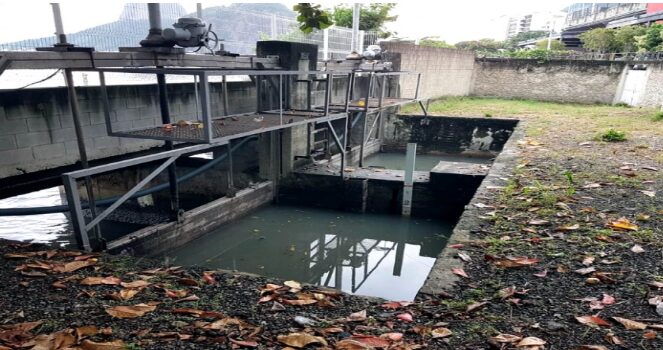
The covering of secret rivers has left deep scars. One of the most felt impacts is flooding. The canalization accelerates water flow and eliminates floodplains, which would absorb the excess. The impermeabilization of the soil increases runoff, overloading drainage systems. The Praça da Bandeira and Botafogo areas are examples. Pollution is another consequence. Many secret rivers have become conduits for sewage and garbage, contaminating Baía de Guanabara and posing a public health risk. The Rio Berquó, contaminated by necrochorume, is a severe case. The covering, justified by hygiene, obscured and worsened sanitation problems. There has also been a profound ecological loss. The destruction of aquatic habitats and riparian forests has led to a loss of biodiversity. Ecosystem services, such as microclimate regulation and water purification, have been disrupted. The water memory of the city has been erased. Invisible rivers have ceased to be part of the everyday experience, making it difficult to comprehend current problems and mobilize for sustainable solutions. Old underground galleries may deteriorate, causing collapses and damage to infrastructure.








O Rio de Janeiro é um cocozal cheio de favelado, a maioria nordestina.
Enfim, os caras, “geniais “, só fizeram ****!
Fiquem tranquilos, todos nós morreremos, única estatística 100% confiável, sem margens de erro para +/-