





 Portuguese
  English
  Spanish
  5 min of reading
  0 comments


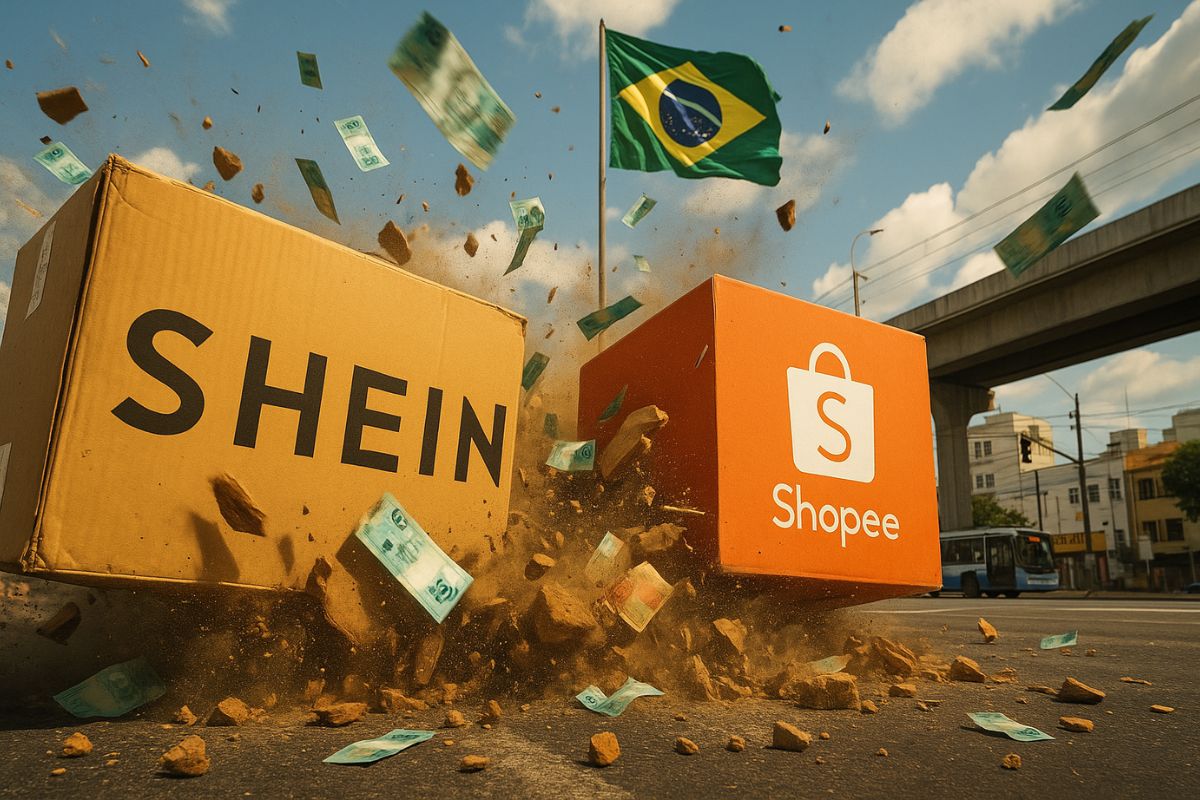
With Aggressive Prices and Enhanced Logistics, Shein and Shopee Created New Shopping Habits, Advanced Over the Local Market, and Intensified the Competition for Price, Time, and Experience.
The advance of Shein and Shopee in Brazil is no longer a trend: it is a reality with profound effects on the consumer’s wallet and the strategy of national stores. Asian platforms have turned mobile shopping into a daily reflex, with an almost infinite variety, coupons, games, and increasingly faster deliveries.
At the same time, competitive pressure is rising. To survive, Brazilian retailers are accelerating marketplaces, investing in logistics, and trying to balance price, service, and sustainability. The result is a transforming retail landscape, with new tax regulations, new players entering, and a more informed and demanding consumer.
What Changed in Shopping Behavior
The explosion of Shein and Shopee has consolidated a pattern of frequent, impulsive, and mobile-first shopping. The user opens the app, receives personalized offers, tests coupons, accumulates virtual coins, and completes the purchase in a few taps.
-
The largest food company on the planet, JBS, has just opened a 4,000 square meter laboratory in Florianópolis to develop customized proteins that modulate muscle mass gain, immune response, and metabolic performance.

-
After nearly 30 bids and competition among industry giants, a Spanish company purchases one of the largest airports in Brazil for almost R$ 3 billion and takes over the management of Galeão in a concession that will last until 2039.

-
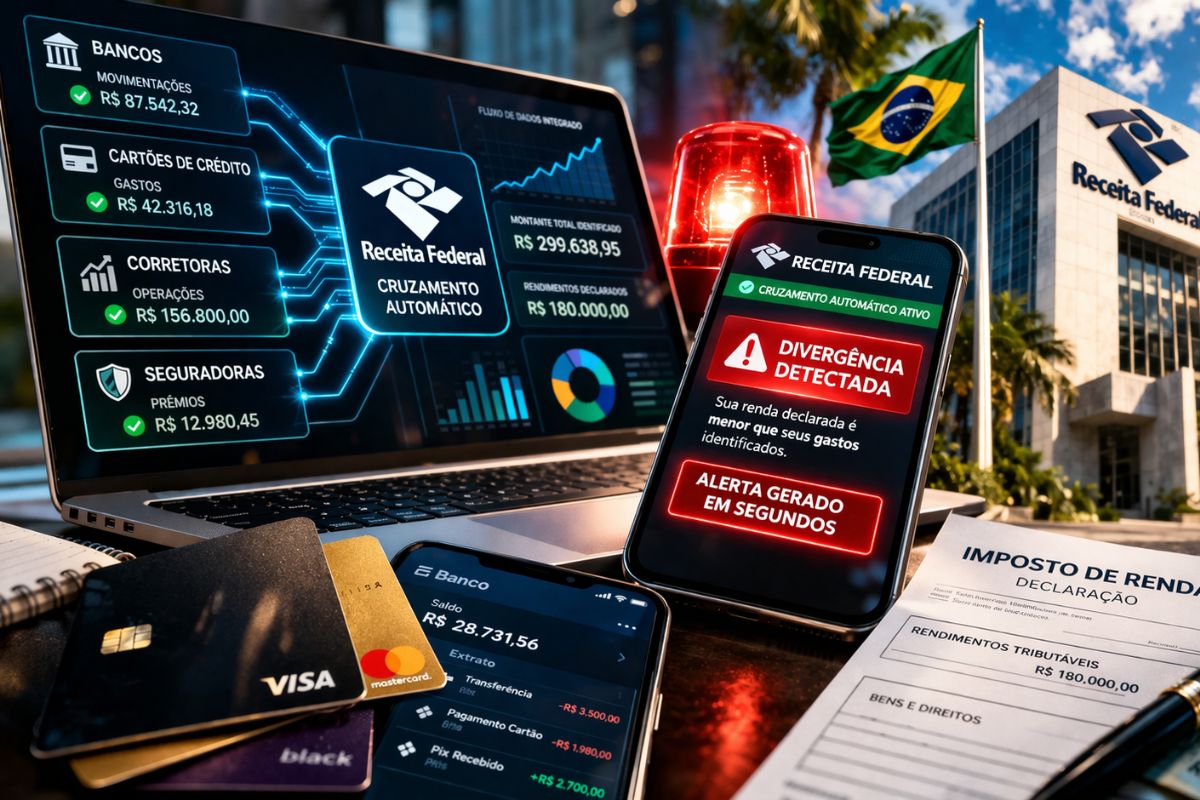
The Federal Revenue Service now automatically cross-references everything you declare with data from banks, credit cards, brokerage firms, and insurance companies, and any discrepancy between your income and your expenses triggers an alert in seconds.
-
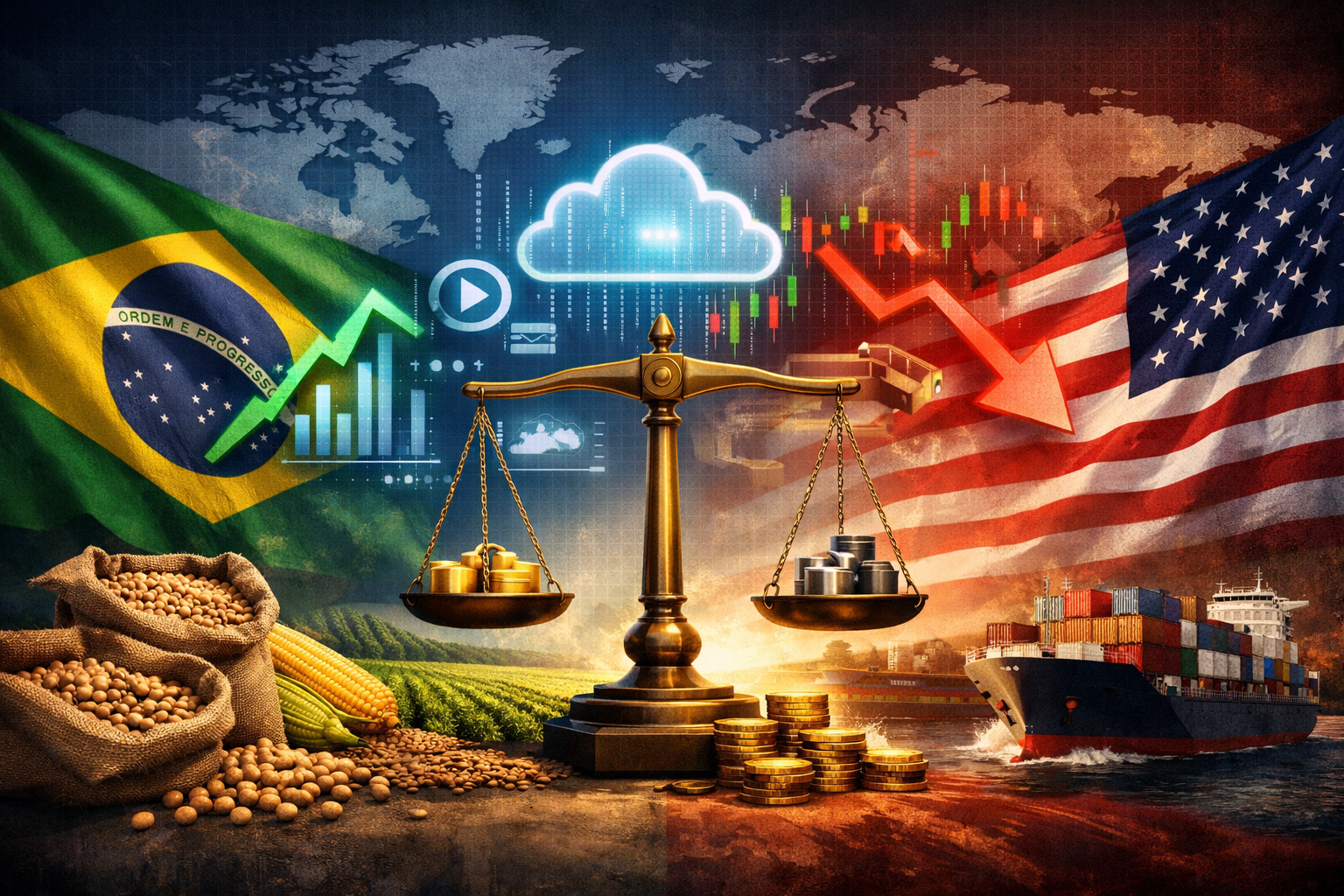
Amid global tensions, Brazil blocks the United States’ proposal at the WTO and paves the way for a trade crisis and possible retaliations.

“Gamification” has become a traffic and conversion driver, keeping the audience engaged for longer.
Another point is the massive variety. The marketplace model (as seen with Shopee) and data-driven fast fashion (as seen with Shein) enhance the feeling that “everything is available and cheap”.
This reduces search friction and pushes consumers toward digital shopping even for low-ticket items, which were previously dominated by local commerce.
Low Price as a Weapon and a Risk
The most visible differential is price. Production costs in Asia and global scale allowed for “impossible” pricing for local retail, especially in fashion and utilities.
At the same time, the Remessa Conforme program created a formal channel for low-value imports with advance taxation, which speeds up the clearance process and gives predictability to consumers.
By 2025, the environment became harsher: the ICMS rate increased to 20% on shipments (for companies adhering to the program), and the Import Tax for purchases up to US$ 50 was set at 20%.
Platforms announced price adjustments to pass on part of the cost. Still, the perception of “cheap” remains because the experience and the assortment continue to attract.
Direct Impact on the National Retail
For Brazilian brands, the shock is broad. On one side, pressure for price and delivery; on the other side, the need to differentiate by quality, curation, and service.
Many chains have transformed their websites into marketplaces, opening space for third-party sellers (including international ones) to expand the assortment and dilute stock risk.
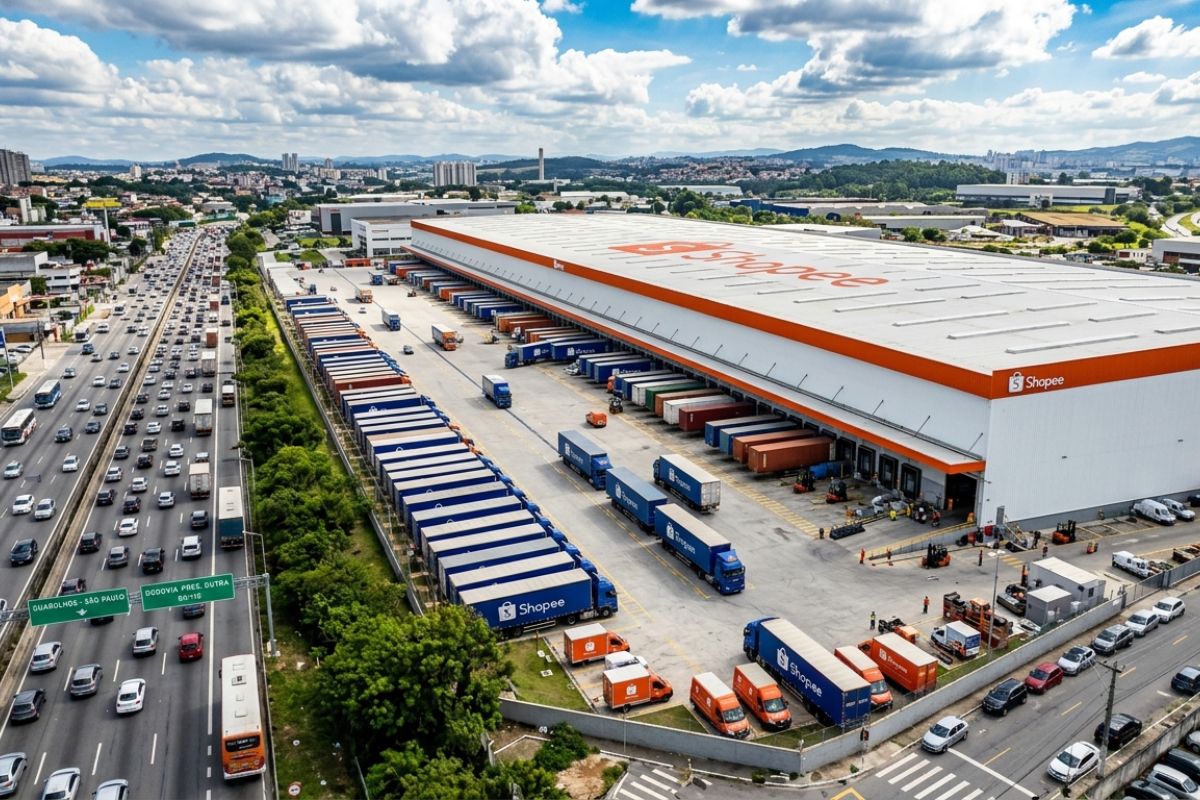
Logistics has become a battleground. Distribution centers, dedicated routes, and local partnerships shorten delivery times and reduce the “fear of waiting.”
In the national retail sector, dark stores and ship-from-store (shipping directly from the store) help to compete in the “D+1” timeframe, while service and after-sales become decisive factors for retaining customers outside the “coupon war.”
The Numbers That Explain the Dispute
Scale helps to understand the scenario. Shopee doubled its sales volume in Brazil in 2024, reaching around R$ 60 billion.
Meanwhile, Shein reported over R$ 15 billion in revenue in Brazil in 2023 and accelerated local production, with the goal of 85% of sales manufactured in the country already announced to be achieved by 2024.
By 2025, new players intensified the competition, such as Temu, which gained quick traction in access.
In parallel, Asian e-commerce platforms began to account for a relevant share of the audience and GMV in the country, increasing the pressure for efficiency and pricing in Brazilian networks.
Taxation and “Neutral Field”: The Dispute Continues
The most recurring criticism from the national retail sector is tax equality. With Remessa Conforme, Shein and Shopee have adhered to advance collection, reducing asymmetry and informality in low-value orders.
But the discussion is not over: sector entities advocate for adjustments to balance costs between imported low-value goods and domestic products.
Another concern is the monitoring of those who did not adhere to the program. Previously, practices such as under-invoicing and package fragmentation distorted competition.
Monitoring has become more efficient, but loopholes persist outside the system, keeping the issue at the center of regulatory debate.
Sustainability and Labor: The Cost That Doesn’t Show Up in the Price
In fast fashion, the environmental impact is part of the equation: waste, emissions, and microplastics increase with accelerated collection cycles.
Additionally, labor conditions in the supply chain occasionally become the subject of reports and independent audits.
Consumers are beginning to weigh price vs. impact, and local brands are trying to use supply chain transparency and product durability as a competitive advantage.
This is the frontier of “value beyond price”: those who convince the customer that conscious purchasing pays off will create opportunities for better margins and loyalty.
Strategies That Work in Brazil
Retailers that grow with profitability have focused on three areas:
- Curation and Private Label: less price wars, more perceived value.
- True Omnichannel: pick up in-store, easy exchanges, agile after-sales. Convenience retains.
- Community and Content: live commerce, influencers, and loyalty programs that reward recurrence, not just the first purchase.
On the Asian side, real tropicalization matters: local warehouses, partnerships with local sellers, customer service in Portuguese, D+X delivery times, and “Brazilian-style” payment options (Pix, installment payments) reduce friction and increase adoption.
And the Consumer, What Do They Gain and What Do They Lose?
They gain lower prices, variety, and competition. They also gain better delivery times and more payment options.
On the other hand, they face more decisions, quality risks, and distant after-sales in some international purchases.
Reading reviews, checking return policies, and being wary of “too good to be true” offers remains essential.
In the medium term, Brazil is likely to maintain a hybrid retail environment: global platforms competing with digitized local chains.
Those who deliver total value—price, delivery, product, and purpose will lead.
The competition between Shein and Shopee and national retail is redefining the reference price, service standards, and what it means to shop well.
For Brazilians, there has never been so muchoffer and so much responsibility in choice.
Now we want to hear from you: have you migrated a good part of your purchases to Asian platforms? What weighs most in your decision price, delivery, quality, or trust in after-sales? And Brazilian stores: what do they need to change to win you back? Share your story in the comments opinions from regular shoppers are invaluable in this conversation.








Seja o primeiro a reagir!