





 Portuguese
  English
  Spanish
  4 min of reading
  0 comments


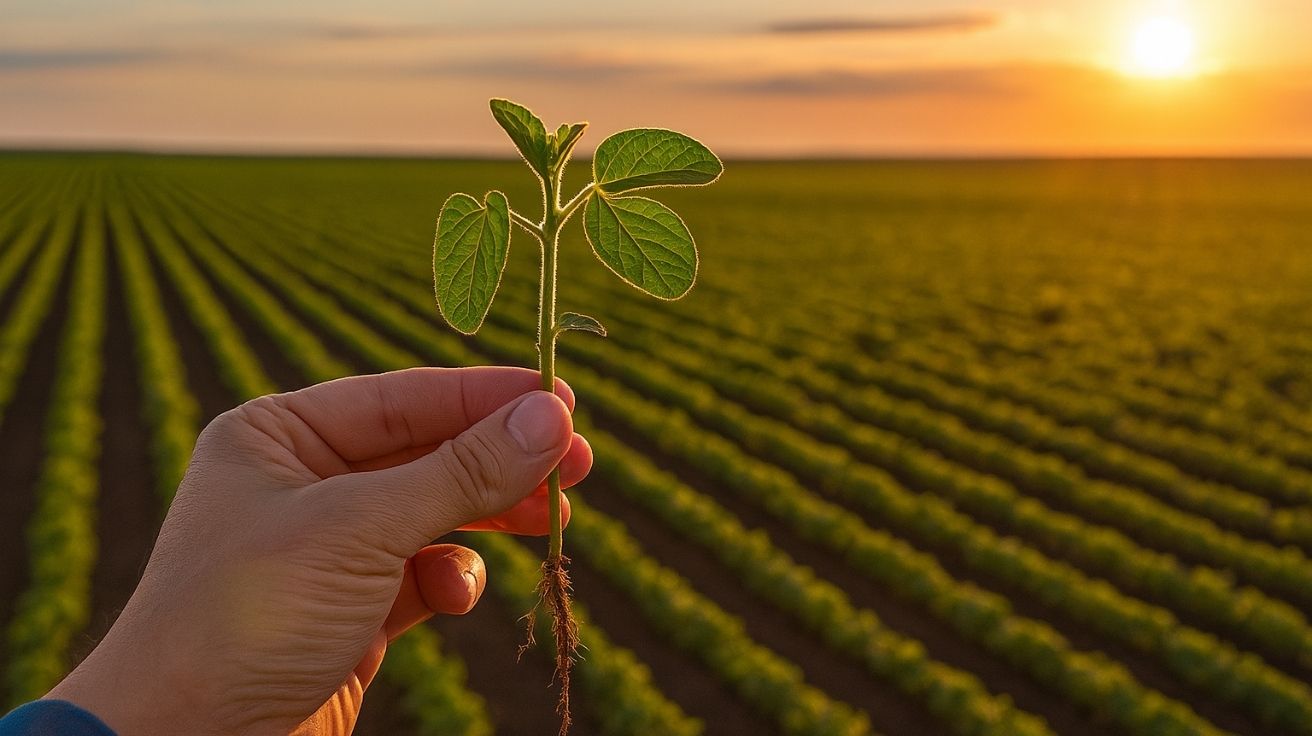
Farm Pombo, in Uberlândia, Adopts ADM Program and Exceeds State Average with 73 Bags per Hectare Even Under Extreme Heat, Signaling New Era in Agricultural Production
The Farm Pombo, located in Uberlândia (MG), adopted in November 2023 the program of Archer Daniels Midland (ADM) focused on regenerative agriculture, recording promising results. With 1,100 hectares of soy included in the project, the property achieved a productivity of 73 bags per hectare, even in the face of severe heat waves at the end of the year. The state average, according to Conab, was 57 bags per hectare, a decrease of 10.4% compared to the previous cycle.
The producer Júlio César Pereira Júnior, owner of the farm, reported that he did not need to significantly change his practices, as he has been working with no-till since 1993 and other sustainable techniques such as precision agriculture and use of bioinputs. The new model represented a “fine-tuning” in management, with visible gains in resilience in areas with more straw cover.
ARTICLE CONTINUES BELOWSee also
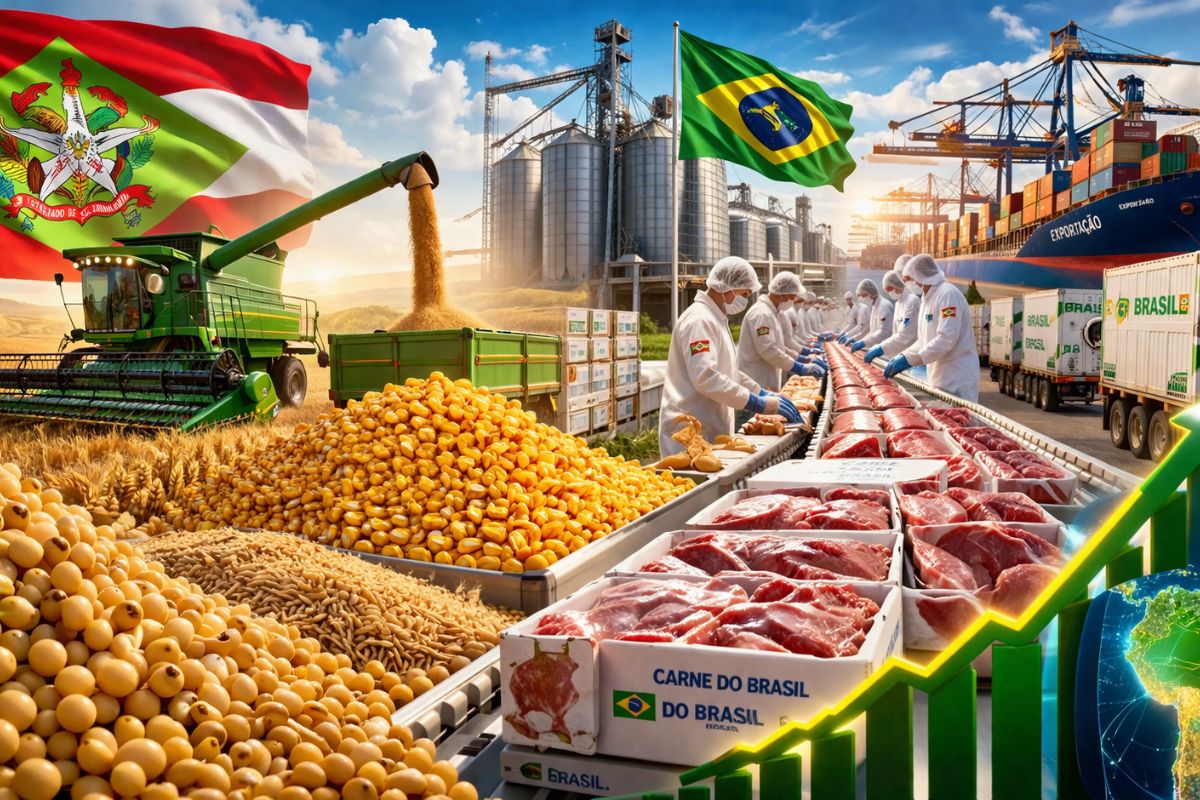
Santa Catarina harvested 7.85 million tons of grains and exported 2 million tons of meat in 2025: a growth of almost 6% in the food industry, which is four times higher than the national average and drives the entire Brazil.
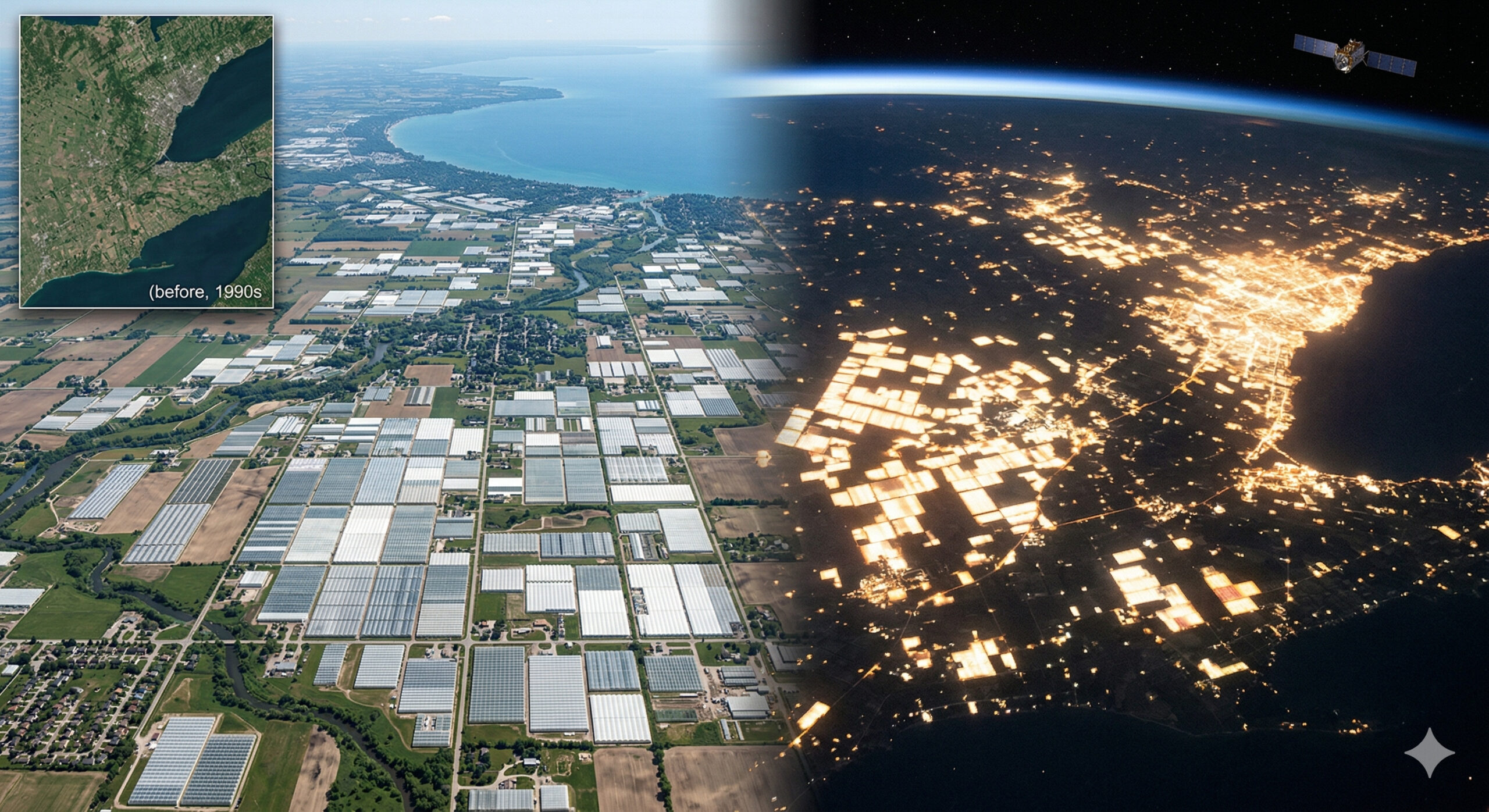
The expansion of greenhouses in southern Canada has become so intense that it has changed the appearance of the soil and even the nighttime glow of the region, transforming Ontario into one of the most visible agricultural hubs in North America from space.
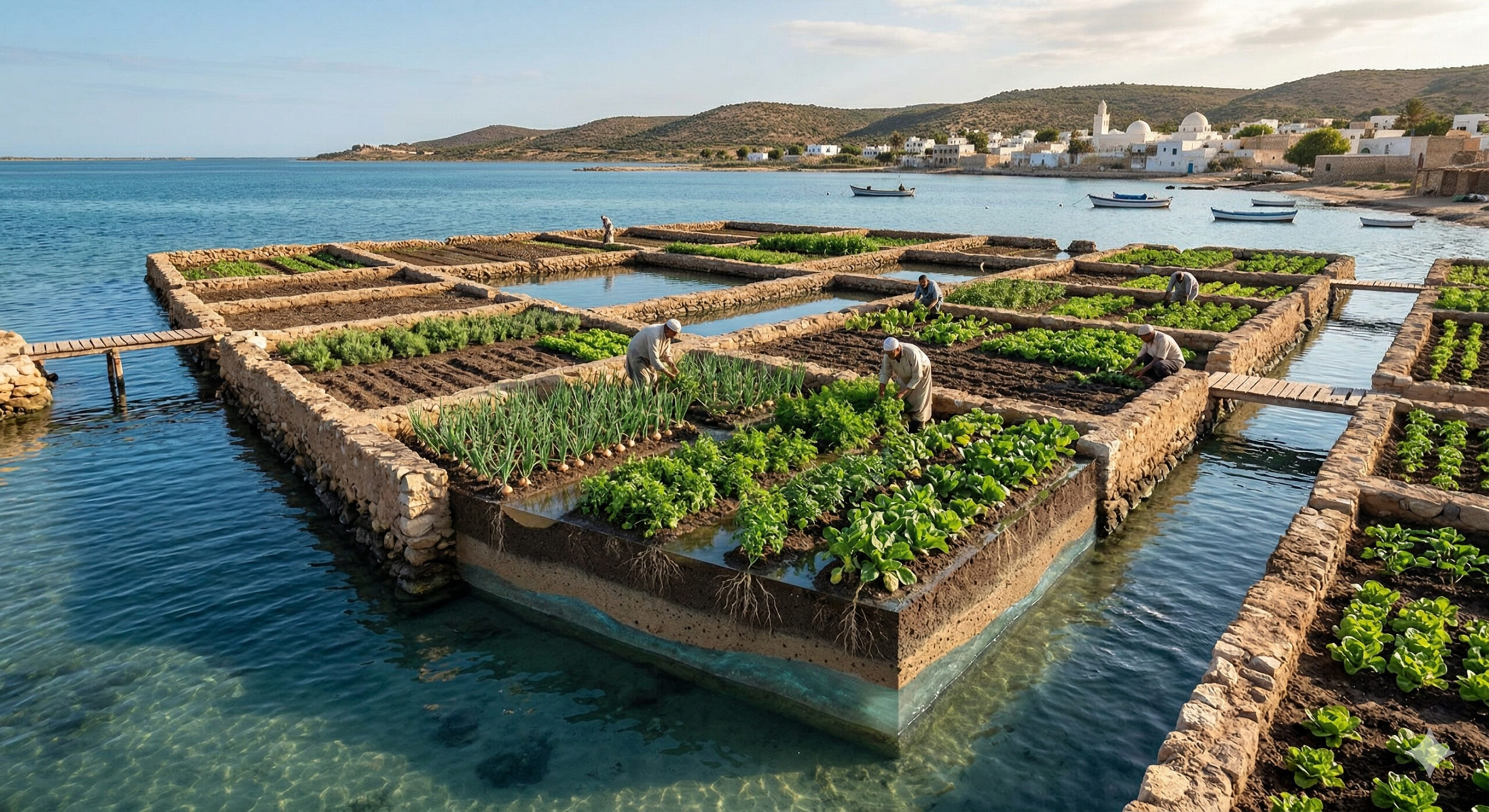
Almost nobody imagines it, but farmers in Tunisia grow food in the sand and make the roots drink fresh water that floats on top of seawater in an agricultural system considered unique in the world.
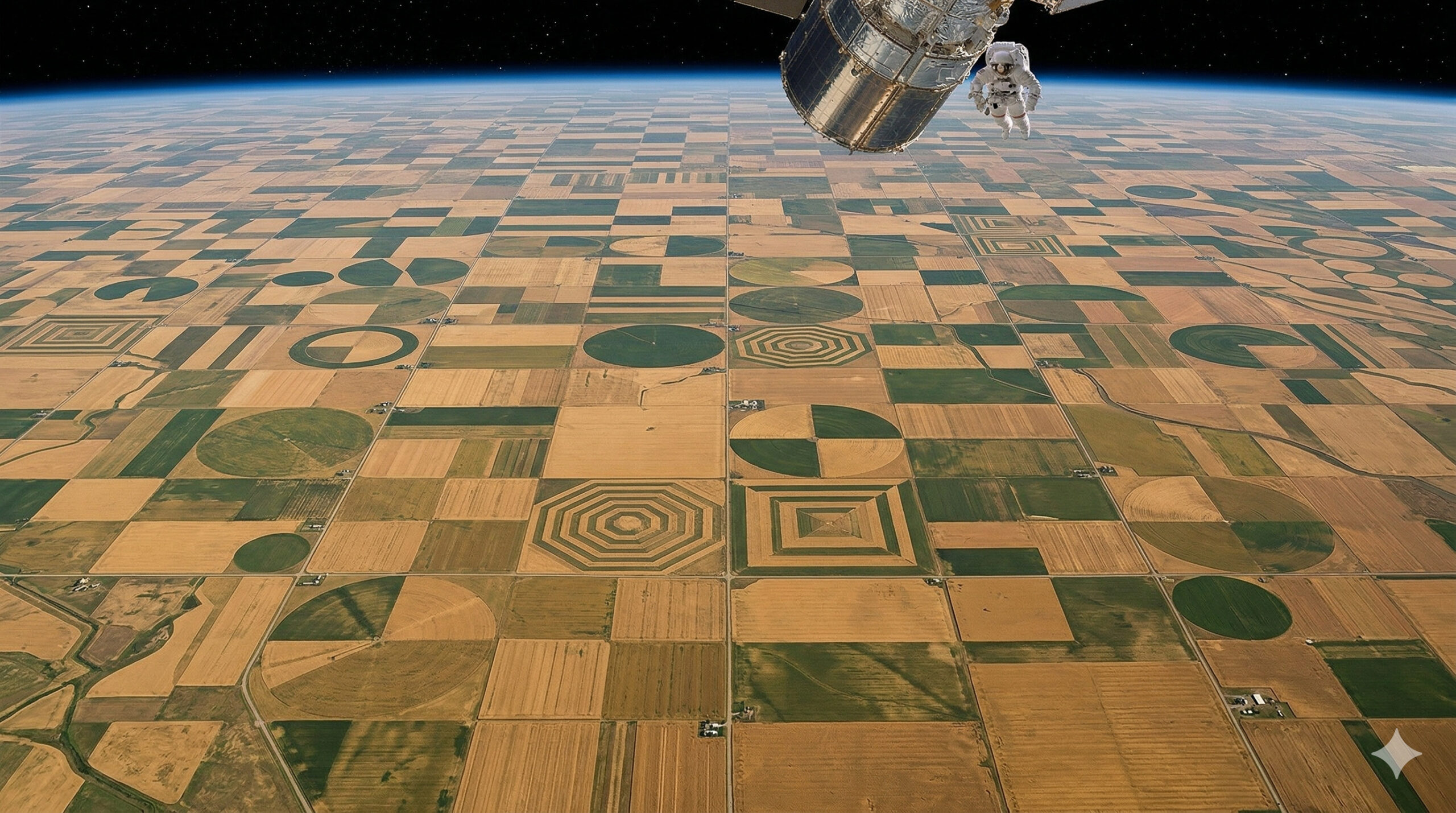
More than 20,000 km² of wheat fields form nearly perfect lines and geometric shapes in Montana, creating an agricultural pattern so symmetrical that the landscape looks like an abstract artwork visible from space.
Even with a slight drop compared to last harvest, which had 79.5 bags per hectare, regenerative farming stood out in a challenging scenario. All soybean production has already been harvested, and the property is now focusing on the second crop of corn, currently in the grain filling phase.

Regenerative Model Aims to Combine Productivity, Financial Management, and Carbon Sequestration
In addition to gains in the field, Pereira emphasizes that the profitability of agricultural production was maintained thanks to strategic management. The farm hired tax and financial consulting and anticipated the sale of 70% of the 2023/24 harvest still in April of the previous year, ensuring more advantageous prices.
The ADM, in turn, positions Farm Pombo as a success case in regenerative agriculture in Brazil. The program, launched in November last year, already includes 20 producers in Minas Gerais and Mato Grosso do Sul, covering 20,000 hectares. The goal is to reach 200,000 hectares in the next five years, with possible expansion to São Paulo, Goiás, and Mato Grosso.

According to André Germanos, director of carbon and regenerative agriculture business at ADM, results in Brazil are expected to advance as rapidly as in the United States, where the company already operates with over 2 million acres under the regenerative model.
Regenerative Agriculture Can Sequester up to 2 Tons of Carbon per Hectare
Although there is currently no direct financial reward paid to producers for this differentiated soy, ADM seeks to make this incentive feasible with food industries. The program offers technical assistance and evaluation of over 60 indicators, such as no-till, cover crops, biological nitrogen fixing and rational use of chemical and biological inputs.
The central focus is on carbon sequestration. According to Germanos, each hectare of soy can capture up to 2 tons of CO₂ per year, depending on the practices adopted. On average, the capacity is 0.5 tons. ADM states it is preparing the production chain for future requirements of traceability and carbon footprint, which are expected to gain strength in international markets.
To measure this impact on other crops, such as corn, the company is waiting for the completion of a emissions calculator developed by Embrapa and Bayer. It is expected that corn crops will enter the program soon.
Initial Costs Are Offset by Medium and Long-Term Gains in the Field
According to ADM specialists, the cost of regenerative agriculture varies according to the current level of practice adoption on the farm. In the first three years, costs may increase, but the benefits outweigh the investments within six to seven years, both in productivity and in climate resilience and soil conservation.
Raphael Costa, director of sourcing and inputs at ADM, estimates that the 20,000 hectares participating in the program should produce between 70,000 and 80,000 tons of regenerative soy this year. The goal is to consolidate this practice as a new standard in Brazilian agribusiness.
This approach represents a unprecedented integration of sustainability and large-scale agricultural production, strengthening Brazil’s image as a global agricultural reference in innovation and environmental responsibility.
Information was released in a report by Cibelle Bouças, originally published in Globo Rural
About ADM
Archer Daniels Midland is a conglomerate based in the U.S. but operates in over 270 plants worldwide. At ADM, grains and oilseeds are transformed into numerous products used in food, beverages, industries, and animal feed for markets around the world.









Seja o primeiro a reagir!