





 Português
  Inglês
  Espanhol
  4 min de leitura
  0 comentários


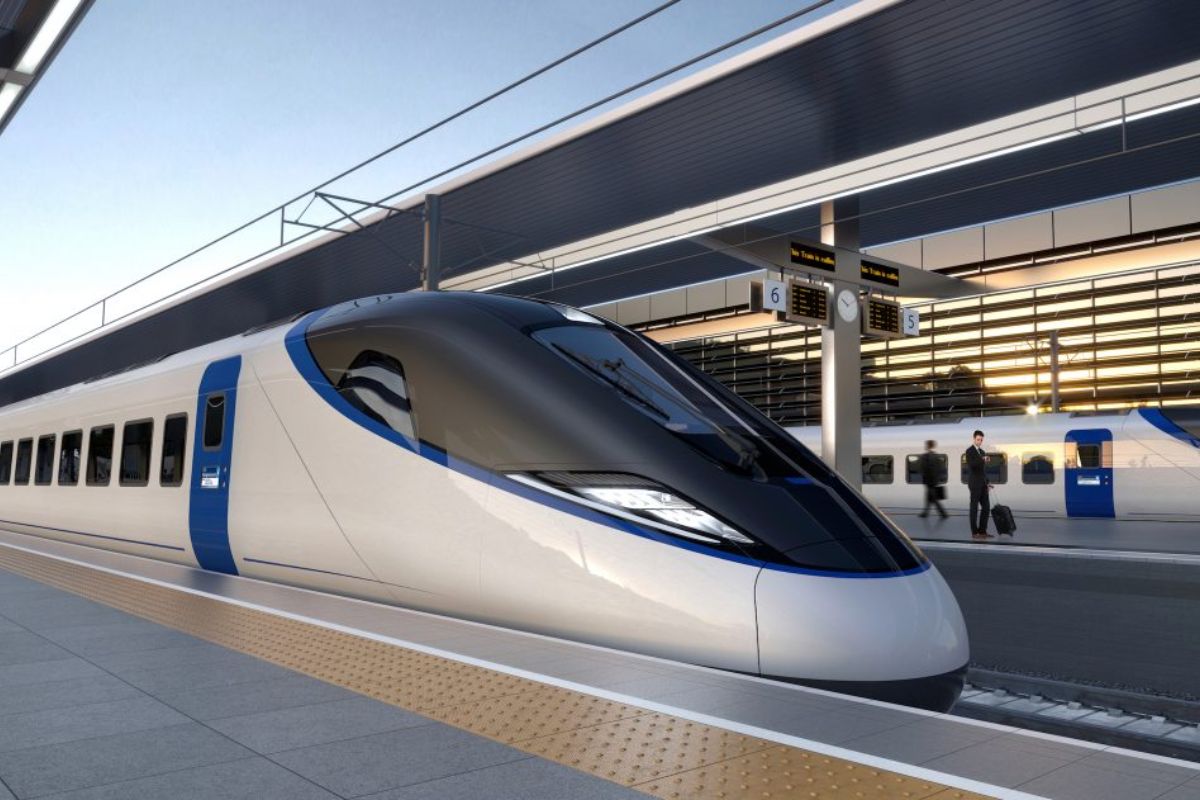
Conceived to Be the High-Speed Backbone of England, HS2 Had Sections to the North Canceled in 2023, But the Construction of the First Phase of the Most Expensive Railway in Europe Continues with Soaring Costs and a Significant Environmental Impact.
High Speed 2 (HS2) was born as the most expensive railway in Europe. The promise was to build a high-speed train line to connect London to major cities in the North of England, such as Birmingham, Manchester, and Leeds. The goal was to increase the capacity of the rail network, decrease travel time, and boost the country’s economy.
From the beginning, however, the project became synonymous with controversy. With costs that can reach £100 billion, HS2 gained the reputation of being the most expensive railway in Europe. In 2023, the UK government canceled a large part of the original route, but the construction of what remains continues at full steam, in a project that literally cuts through the heart of England.
The Original Promise: the “Y” Network Connecting London to Manchester and Leeds and the Cancellation in October 2023
The original plan for HS2 was grand. The railway was to have a “Y” shape, with Phase 1 connecting London to Birmingham. From there, Phase 2 would split into two branches: one to the west, reaching Manchester, and the other to the east, reaching Leeds. This high-speed network aimed to resolve the crowding problem of the country’s main train line, the West Coast Main Line, built in the Victorian era.
-
The world’s first octopus farm wants to open in the Canary Islands and is already provoking an international reaction: the plan aims to produce 3,000 tons per year.

-
Drought may be creating stronger superbugs in the soil and helping antibiotic resistance reach hospitals, warns a study highlighting a problem that could grow alongside extreme weather.

-
The biggest scam in history: Napoleon’s France deceived the United States by selling them a territory that was Spanish.
-
Why is the Danakil Desert so dangerous? It has unstable terrain and how extreme temperatures and toxic gases turn the region into one of the most hostile environments on Earth.


However, the vision was gradually dismantled. In November 2021, the section to Leeds was the first to be cut. The final blow came in October 2023, when Prime Minister Rishi Sunak announced the cancellation of the entire northern part of the project, which was to run from Birmingham to Manchester. The justification was the rising costs and changes in travel patterns following the pandemic.
What Remains of the Project: Phase 1 from London to Birmingham and the Progress of Construction in 2025
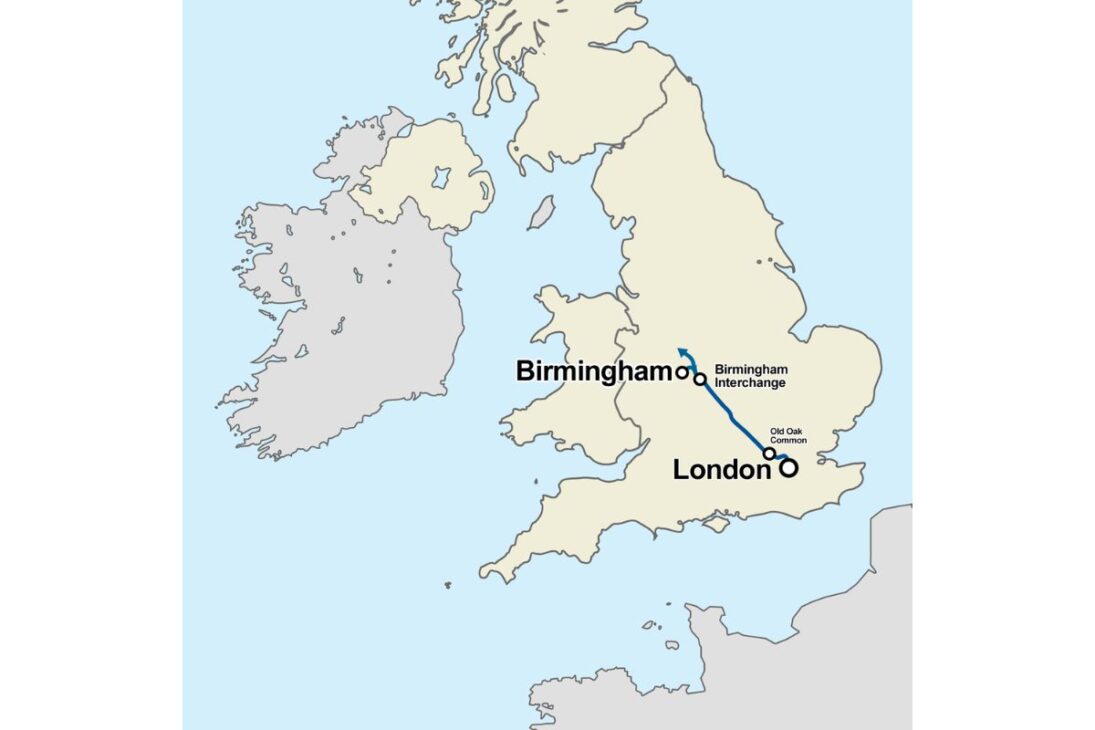
With the cuts, what remains of HS2 is Phase 1, a stretch of approximately 225 km that will connect London to Birmingham. In 2025, construction is at its peak activity, with over 350 active construction sites and around 30,000 jobs created.
The engineering works are impressive. In May 2025, the excavation of one of the main tunnels of the project, the Bromford Tunnel, measuring 5.6 km long, was completed by one of the giant tunnel boring machines nicknamed ‘Mary Ann’.
Another milestone was the completion of the deck of the Colne Valley Viaduct, which with its 3.4 km became the longest railway bridge in the UK in September 2024. The line is expected to be operational between 2029 and 2033.
Costs That Jumped from £20.5 Billion to Over £50 Billion and the Comparison with Other European Railways
The main controversy surrounding HS2 is its cost. The initial estimate for Phase 1 in 2012 was £20.5 billion. By 2022, this amount had already surged to £50.5 billion. Reports from the British Parliament in November 2023 indicated that the final cost of Phase 1 could reach £57 billion.
This price surge makes HS2 the most expensive railway in Europe in cost per kilometer. A comparative analysis shows that while one kilometer of the German Wendlingen-Ulm line cost about US$ 71 million, the cost per kilometer of HS2 reaches an impressive US$ 232 million.
The reasons for the high cost include the high population density in England, the necessity for many tunnels and viaducts, and the high costs of land acquisition.
The Impact of the Most Expensive Railway in Europe on 25 Ancient Woodlands in England
The construction of HS2 has a significant environmental impact. The route cuts through the “green heart” of England, and conservation groups like the Woodland Trust warn that the original project threatened 108 ancient woodlands, which are irreplaceable ecosystems.
HS2 Ltd, the company responsible for the project, claims that, with the reduction of the route, the number of woodlands affected in Phase 1 has fallen to 25, and that 85% of the total area of those sites will be preserved. The company is also promoting a compensation program, which includes planting seven million trees and creating a “Green Corridor” along the line. However, environmentalists question the effectiveness of these measures and accuse the company of underestimating the real loss of biodiversity.
“Network North”: the Government’s Alternative That Swapped High Speed for Regional Projects After the Cancellation of Phase 2
With the cancellation of the northern part of HS2, the UK government announced that the £36 billion saved would be reinvested in a new program called “Network North.” The initiative promises to fund a series of smaller, more localized transport projects in the Midlands and Northern England.
The plan includes expanding metro lines, renovating tram networks, and improving highways. While the measure brings investments to areas that historically received less funding, critics argue that these fragmented projects do not replace the national connectivity benefits that the most expensive railway in Europe, in its original form, would have brought to the country, potentially worsening train services for northern cities.








-

Uma pessoa reagiu a isso.