





 English
  Francês
  Alemão
  Italiano
  Japonês
  Norueguês
  Portuguese
  Spanish
  3 min of reading



FGV (Getúlio Vargas Foundation), enjoying its enormous prestige, managed to gather last night (06/01) the 6 CEOs of the largest oil companies in the world with a significant presence in Brazil. The webinar titled “Major Oil Companies: Is the Oil Industry Showing Signs of Recovery from the Coronavirus Crisis?” took place via video conference and was moderated by the director of FGV Energia, Roberto Quintella. The CEOs of Petrobras, Shell, Chevron, BP, Equinor, and Total participated in the webinar.
- Minas Gerais Receives R$ 5.6 Billion in Investments and Will Generate About 5,000 New Jobs in the Region
- At the Request of ExxonMobil, SBM Offshore Is Seeking Technicians and Engineers for Operations in Guyana
- Oil Company Orders Construction of 100 LNG Ships from Korean Shipyards, the Largest Fleet in the History of Shipbuilding!
At a time when companies are seeking solutions through investment cuts, reduced working hours, and hibernation of activities, it was important to hear the thoughts of the world’s leading oil CEOs and understand what will be done while demand does not return to pre-crisis levels.
There was not much discussion on what needs to be done to keep Brazil as a central point in the portfolios of large companies, especially because actions such as reducing the Cost of Brazil, reducing transaction costs, and simplifying ancillary activities rely on government actions.
-
Petrobras finds high-quality oil in the pre-salt at 113 km from RJ and reignites expectations about strategic reserves in the Campos Basin.

-
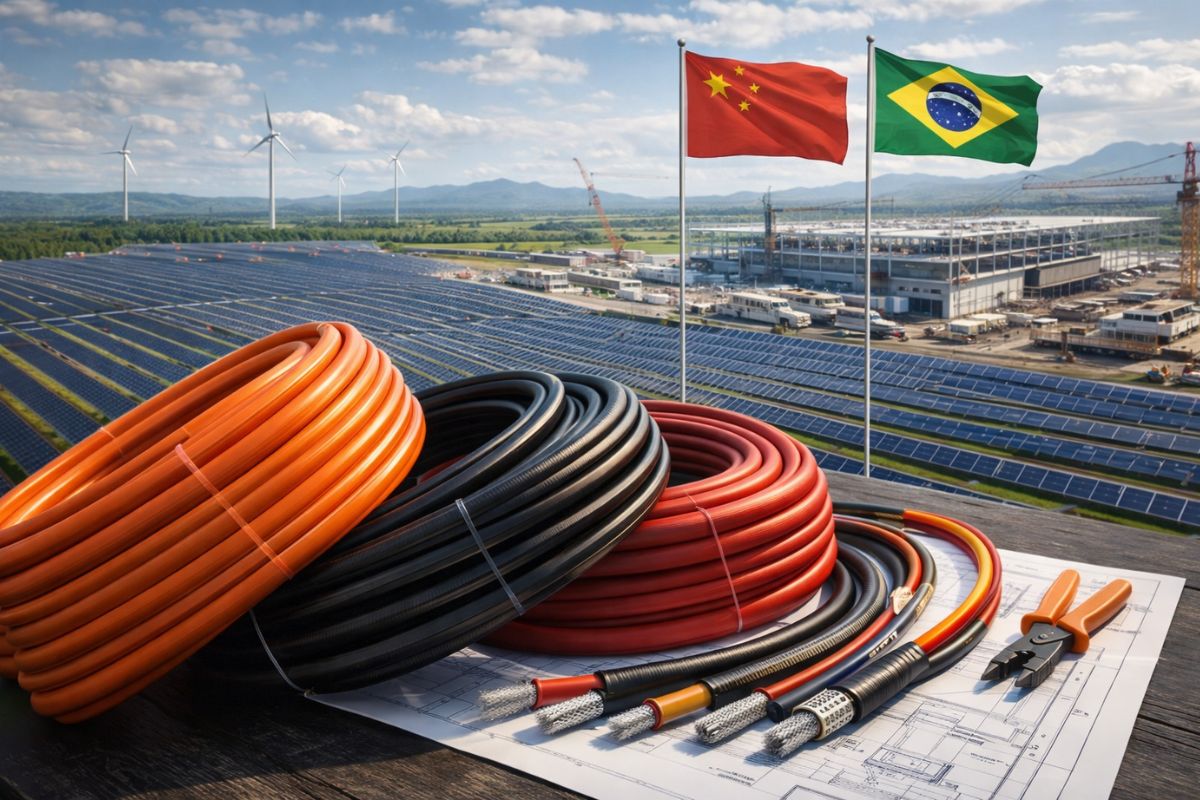
Chinese giant worth nearly R$ 4 billion that manufactures cables for electric cars, solar energy, and robotics wants to open a factory in SC.
-
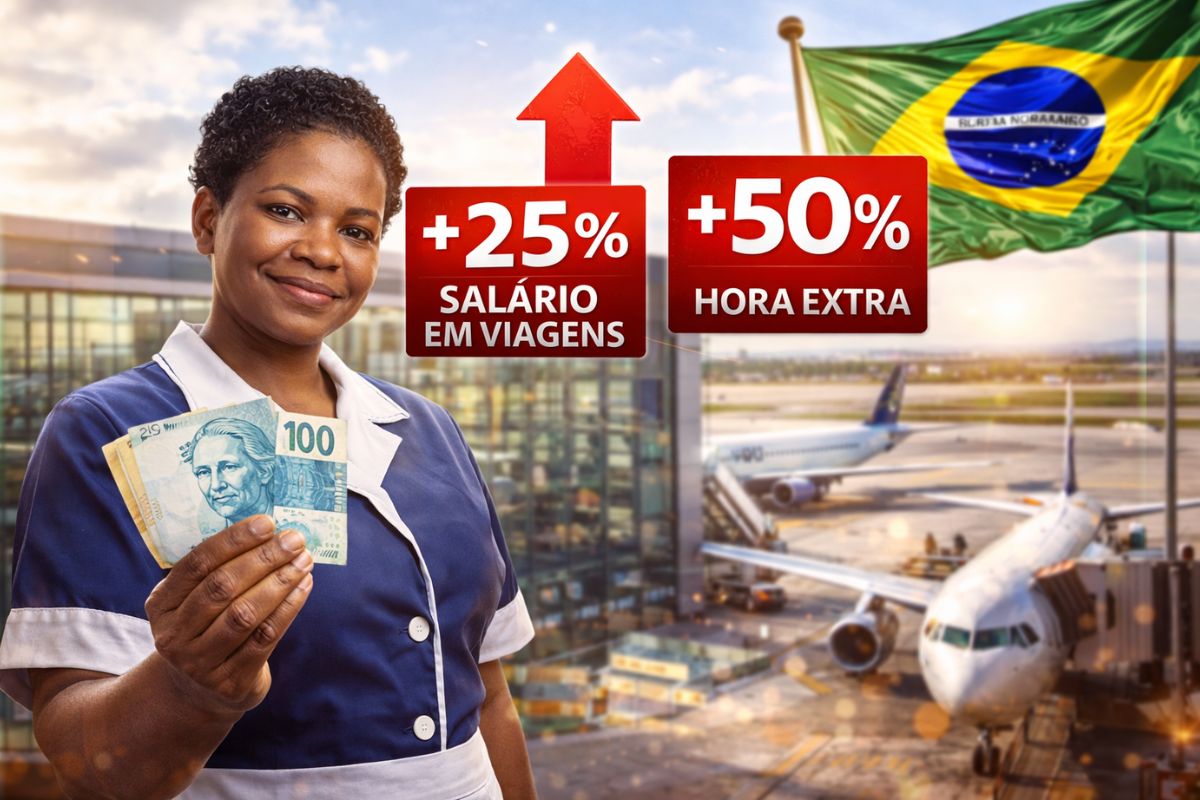
Many employers do not know, but the law guarantees domestic workers a 25% increase in salary during trips, 50% for overtime, 20% for night shifts, and 17 additional benefits that can lead to labor lawsuits if not paid.
-
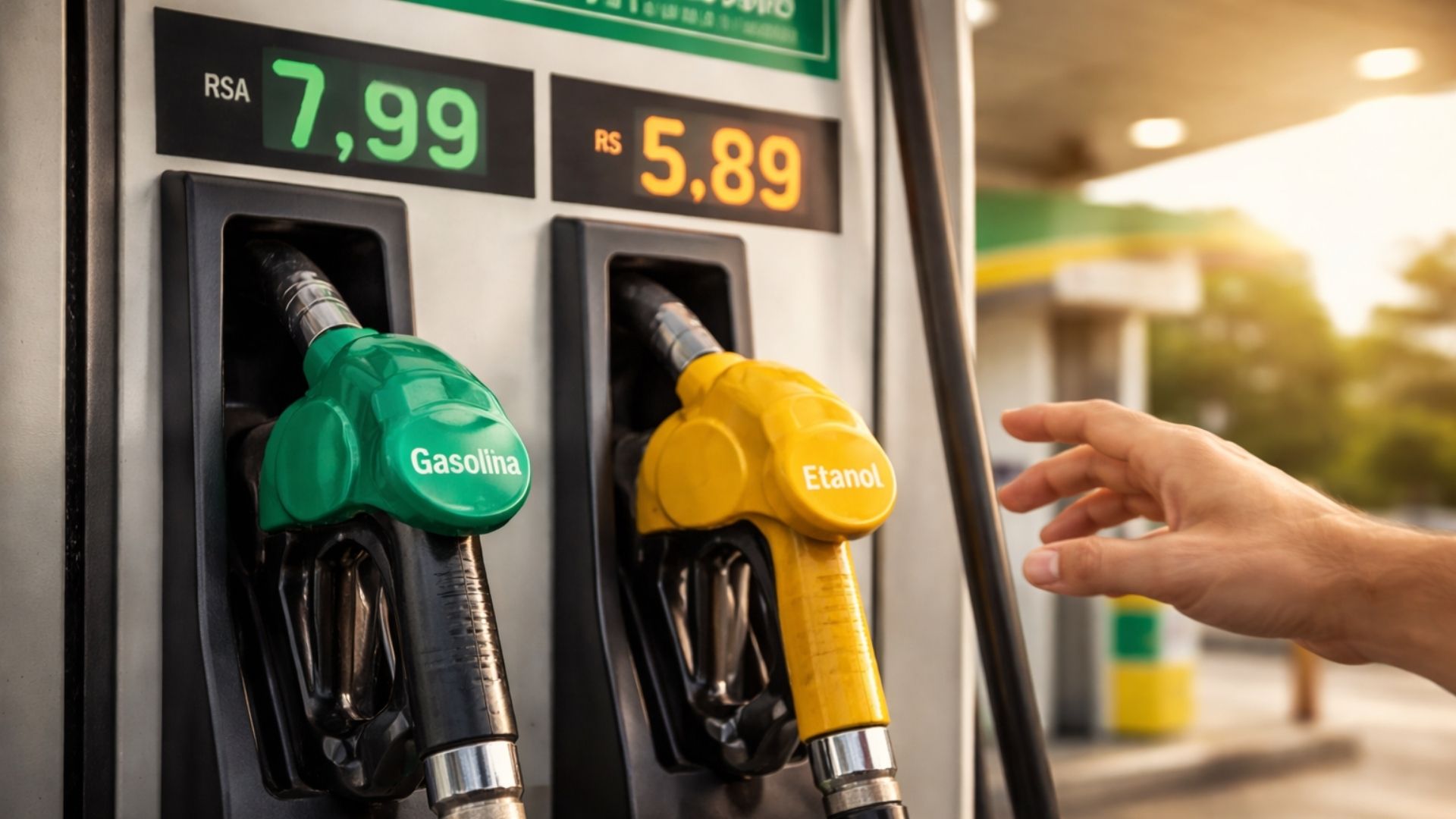
Gasoline prices soar and the question arises: is ethanol more advantageous? The 70% rule reveals the limit with gasoline.

The president of Petrobras, Roberto Castello Branco, mentioned that the current foreign investments were only made possible due to a relaxation of local content requirements, but he pointed out that much more needs to be done to make the legislation favorable to investments, without explaining why the last auctions did not attract foreign capital and only received bids from Petrobras and the Chinese, even then in consortium with the Brazilian state-owned company.
At this same meeting promoted by FGV, Castello Branco also stated that the production sharing regime is unfavorable for the state. The concession regime was also defended by the CEO of Shell, André Araújo, while Equinor’s VP, Paulo Van Der Vem, emphasized that although the company is cutting US $400 million in exploratory commitments, investments in Brazil will not be reduced, highlighting the company’s projects in Brazil in the Bacalhau, Pão de Açúcar, and Peregrino Phase 2 areas.
Meanwhile, the CEO of Chevron, Mariano Vilela, preferred to highlight the safety of the company’s operations with strict protocols and that the company’s focus will shift back to short projects. “In a time of crisis, the company will invest in more competitive locations.” The American oil company operates two blocks in Santos and one in Campos.
Philippe Blanchard, CEO of Total, emphasized the focus on innovation and simplification as a way to navigate through the crisis and also stated that the company’s projects are undergoing thorough analyses. “The level of our investments in deep water will be lower in 2020 and for projects that have not yet been validated, we will also reduce investments. But our commitment to Brazil will not change.” Total has stakes in 20 exploratory blocks, mainly in the Campos and Santos basins.
Along the same lines, the president of BP Energy also emphasized the evaluations being made and said that some projects will likely undergo adjustments. The British oil company operates five exploratory assets in Campos, two in Santos, one in Barreirinhas, and one in the mouth of the Amazon.
In the final consideration, it was clear (from the speakers) that Brazil has enormous potential for the coming years, even after Covid-19, but the government needs to define a single concession regime.







Seja o primeiro a reagir!