





 Portuguese
  English
  Spanish
  3 min of reading
  0 comments


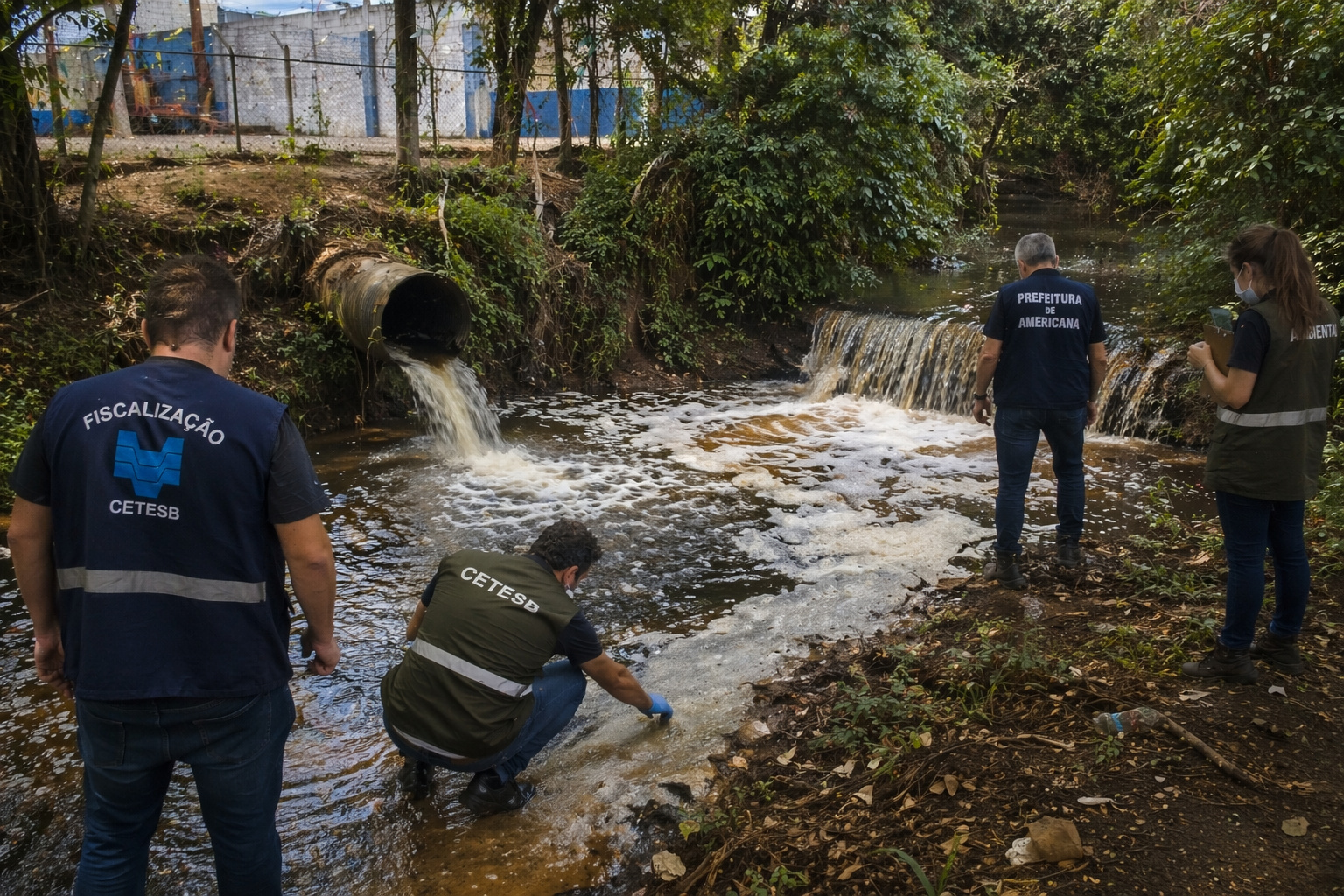
Fine of R$ 115.2 thousand and a 30-day deadline put Goodyear at the center of an environmental case monitored by Cetesb in Americana
An irregular disposal of oil and grease in the Bertini stream, in Americana (SP), resulted in the fine of the multinational Goodyear by the Environmental Company of the State of São Paulo.
The infraction was formalized after a technical inspection carried out by public agencies, according to official records.
The fine imposed was R$ 115.2 thousand, accompanied by a series of mandatory environmental requirements. The company was given a 30-day deadline to comply with the determinations, counted from the receipt of the infraction notice.
The case remains under continuous monitoring by Cetesb, which will evaluate compliance with the required measures.
-
Lack of workers and an aging population: Japan bets on AI robots in factories, logistics, and infrastructure to keep the economy and essential services active.

-
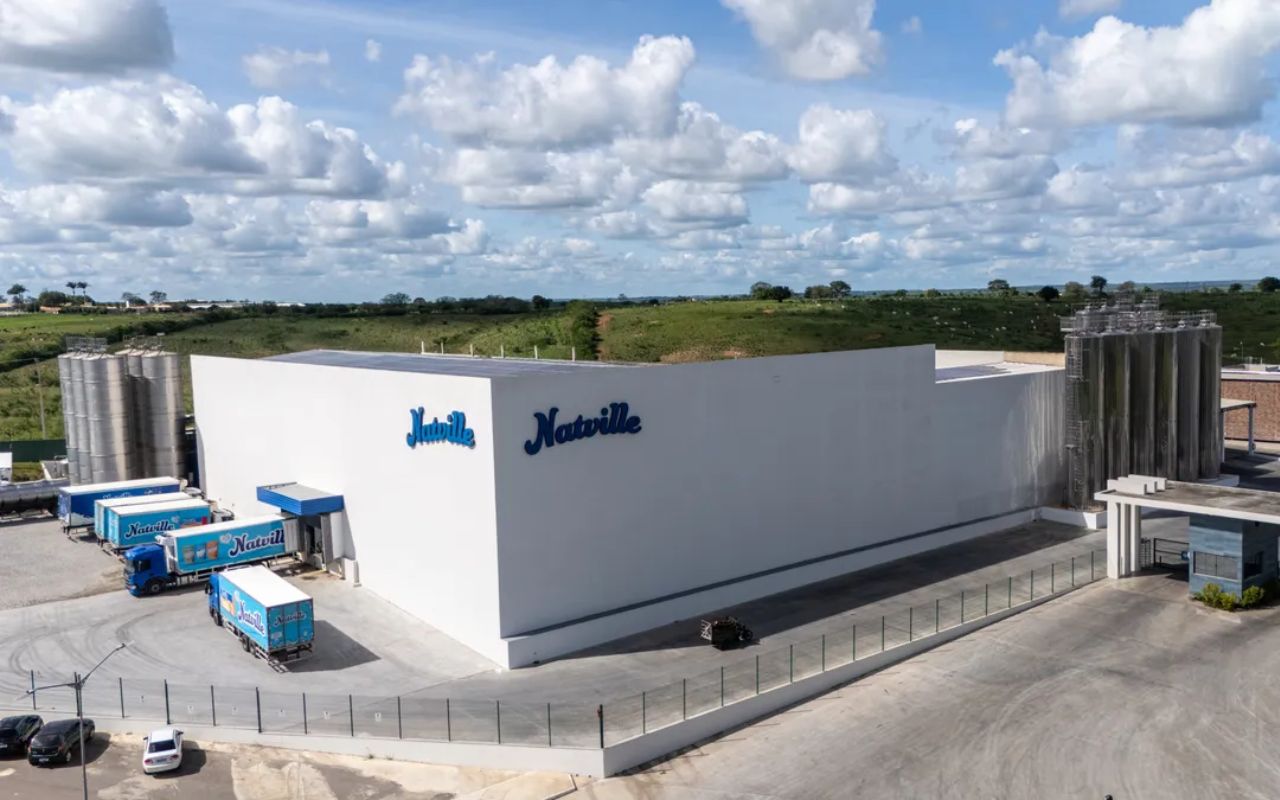
Natville puts R$ 700 million on the table for new factories in the Northeast, generating jobs and boosting the local economy.
-
With 74% of companies facing difficulties in hiring, technicians and engineers in renewable energy are becoming scarce in Brazil and are essential to support the expansion of solar, wind, and green hydrogen projects.

-
Historic bankruptcy of Centauro shocks the market, and the century-old company puts more than 500,000 products, machines, and complete infrastructure up for online auction.

Inspection identifies traces and leads to fine
During a joint inspection between the city hall of Americana and Cetesb, traces of a substance similar to oil were found at different points in the stream. The residues were near the outlet of treated effluents from the company, which reinforced the suspicion of irregularity.
Resident Thiago Garcia identified dark material similar to grease, which prompted the initial complaint. The environmental group Friends for Nature contacted the city hall and filed a police report, prompting the investigation.

The Bertini stream is located between Vila Bertini and Parque Nova Carioba, in an area of difficult access.
The water from a waterfall formed by a tributary showed yellowish coloration, indicating visual alteration.
Justification of the fine and environmental assessment
Cetesb based the fine on the potential environmental risk of irregular disposal, even without confirmation of direct damage to the water. The Department of Water and Sewage (DAE) reported that there was no compromise of water quality.
The assessment considered that the discharge could render the water unfit, as well as harmful to health. The agency also highlighted possible impacts on fauna, flora, and community well-being.
Technical requirements imposed on the company
Goodyear must comply with a series of technical and environmental obligations defined by Cetesb. The required measures involve documentary proof and practical actions at the affected site.
Among the main requirements are:
- Presentation of a technical report proving the removal of oil and grease in the stream and tributaries;
- Proof of the proper disposal of the removed waste;
- Execution of environmental recovery of the impacted areas, with photographic records;
- Technical explanation of the causes of the irregular disposal;
- Correction of the effluent treatment system;
- Description of the maintenance and monitoring procedures of the system.
The reports must be prepared by a qualified professional, ensuring technical validity. Cetesb will monitor compliance with the requirements throughout the established deadline.
Official position of Goodyear
Goodyear stated, in a note, that it is in negotiations with the competent authorities. The company declared that it is evaluating the case to determine the appropriate course of action.
The administrative process remains ongoing, with the possibility of appeal by the company. The outcome will depend on compliance with the requirements within the deadline set by the environmental authority.
The case reinforces the importance of strict control of industrial effluents and continuous environmental oversight, especially in urban areas — how to prevent similar situations from recurring in the future?










Seja o primeiro a reagir!