






 Portuguese
  Spanish


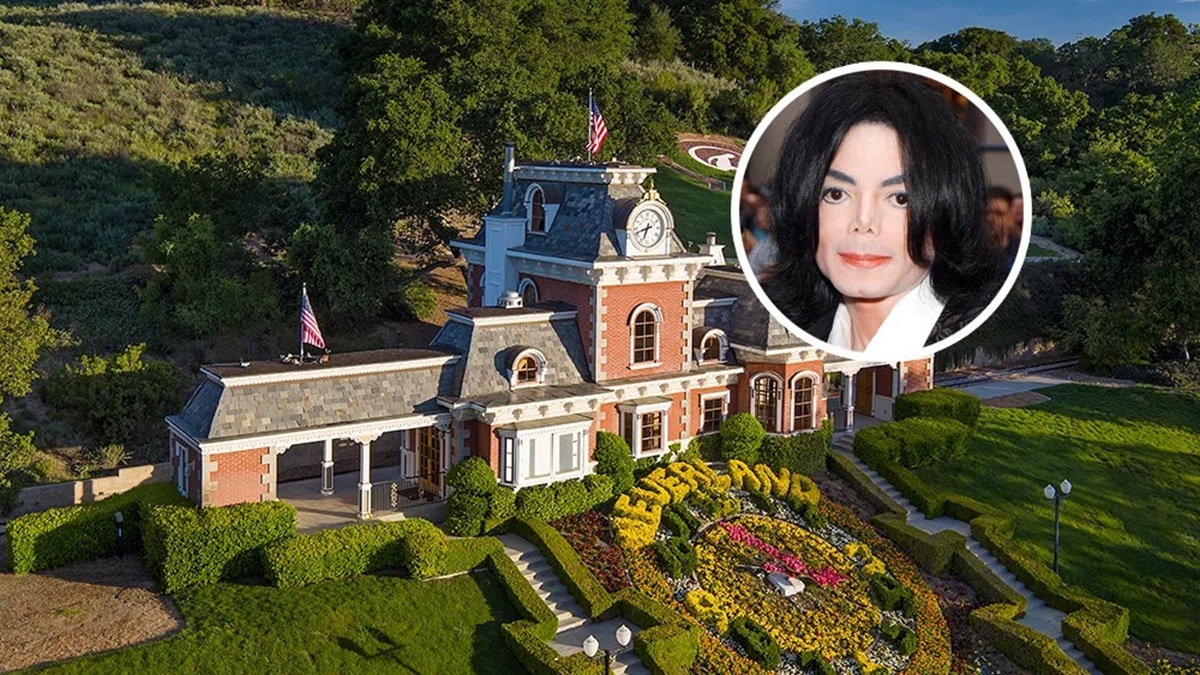


The Max Symbol of Michael Jackson’s Playful Universe, the Legendary Neverland Lost Its Attractions and Became a Private Retreat. With 2,700 Acres, a 1,100 m² Mansion, and a 50-Seat Cinema, the Property Remains Inaccessible to the Public — See Its Condition in 2025
The Neverland Ranch was more than just Michael Jackson’s residence: it became a symbol of the star’s eccentricity and genius, combining the luxurious architecture of a mansion and childlike fantasy.
Nearly four decades after its construction, this 2,700-acre property remains relevant – whether due to the transformations it underwent over the years or its recent rebirth under new management.
In 2024, the ranch returned to the spotlight by serving as the backdrop for a biographical film about Michael, recalling the world of the architectural and cultural legacy built there constructed.
-
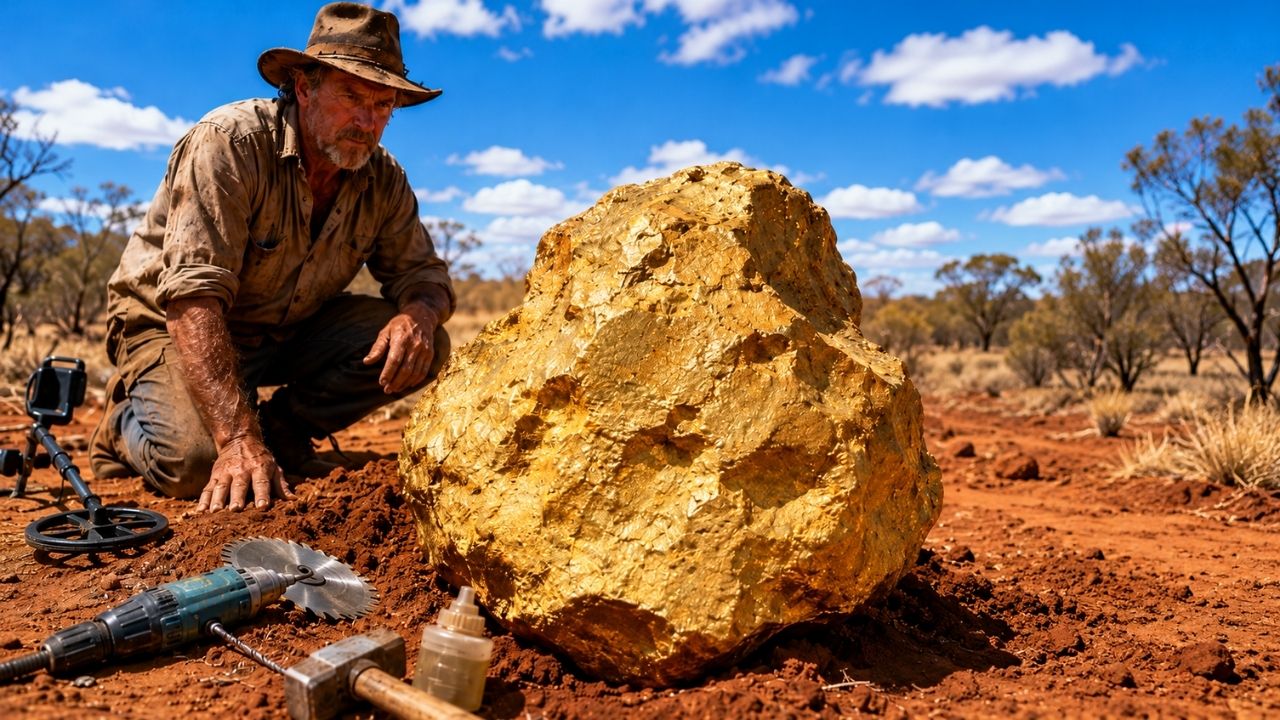
A metal detector led a prospector to a rock that resisted a saw, acid, drill, and sledgehammer; years later, scientists cut the block with diamond and discovered a 17 kg meteorite from the beginning of the Solar System.

-
Just one message on WhatsApp: Belém launches “Plante Aqui” and plants a tree for free at your doorstep within 15 days, with a goal of 5,000 seedlings by the end of 2026 in the capital of Pará.

-
The most ‘stingy’ millionaire in Canada? Bill Holland saved money to retire at 32, led the management company that now manages $140 billion, and still takes public transportation, in the same club as Warren Buffett and Elon Musk.
-
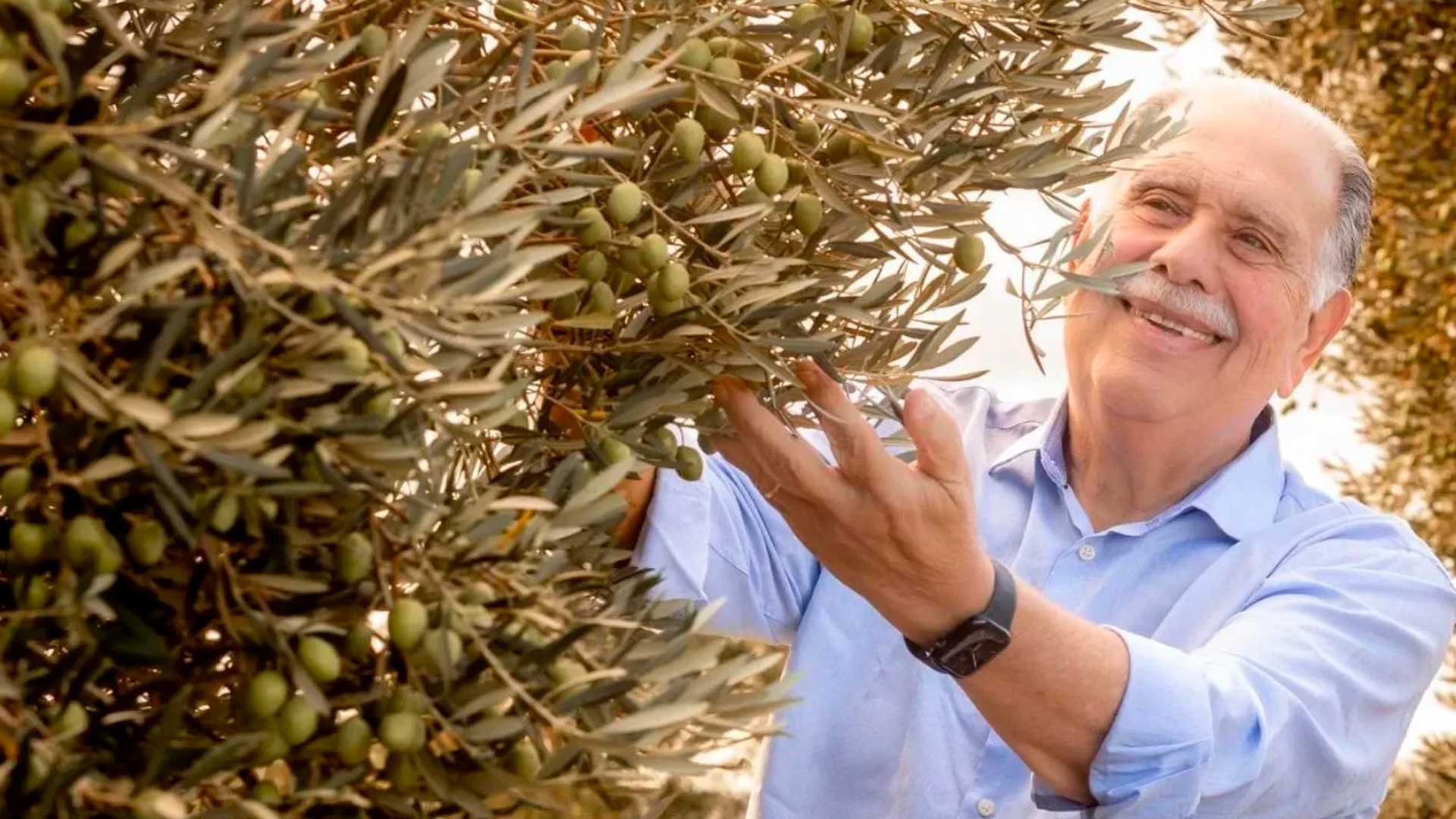
At 79 years old, the businessman who led Burger King’s arrival in Brazil announces an investment of R$ 380 million to create a “Gaucho Tuscany” on 370 hectares, with private vineyards, olive groves, a luxury hotel, and its own wine and olive oil production, along with about 200 properties.


Next, a journalistic dive into the history, peak, decline, and current state of this iconic refuge.
Construction of a Luxury Retreat (1981–1988)
The Neverland Ranch was not always named that. Originally called Zaca Laderas Ranch, the property was acquired in 1981 by real estate entrepreneur William Bone.
Bone renamed the site Sycamore Valley Ranch and envisioned a high-end family retreat. After several years of study, the result of the project was a main mansion of approximately 1,200 m², completed in 1982, in a style inspired by European country houses – described as a mix of English rural mansion with Norman elements.
The six-bedroom house showcased fine finishes and was surrounded by formal gardens, a 4-acre ornamental lake with a 1.5-meter waterfall, as well as a picturesque stone bridge.
Bone claimed to have accomplished everything he had dreamed of in 15 years of work as a builder. Indeed, the infrastructure was impressive: in addition to the main residence, there were dozens of auxiliary buildings – including barns, three guest houses, sports courts, and a 343 m² swimming pool house.
Everything indicated that Bone even planned to convert the property into an exclusive country club, an idea he eventually abandoned.
The ranch, isolated in the tranquility of the Santa Ynez Valley about 65 km from Santa Barbara, thus configured itself as a haven of luxury and privacy.
The Era of Michael Jackson and the Transformation into Neverland (1988–2003)
In the mid-1980s, the destiny of the property would change forever. Fascinated by the place, Michael Jackson – then at the height of his career – bought the ranch in the late 1980s for around US$ 19.5 millionbrasil.elpais.com.
The transaction took place in March 1988 through a trust to maintain confidentiality, but soon the singer officially took possession.
Jackson renamed the property to Neverland Valley Ranch, in reference to the island of Peter Pan’s Neverland – the boy who never grows up, a favorite character of the artist. There, the King of Pop materialized his vision of a “private amusement park.”
The quiet farm was transformed into a true theme park: a miniature railway was installed surrounding the grounds, a charming steam train – named Katherine in honor of Jackson’s mother – complete with its own Victorian-style station and a floral clock at the entrance.
There were three internal train lines, including another old-style locomotive (a replica of the C. P. Huntington) and even an electric train for the singer’s children, with tracks set up in the backyard.
In the lawns, a vintage carousel, Ferris wheel, children’s roller coaster, Viking boat, bump car track, zipper, polyp (type of octopus), and various other amusement park rides appeared.
Statues of children and characters were scattered throughout the gardens, reinforcing the atmosphere of fantasy. Jackson also built an arcade of electronic games and a private cinema with 50 seats, equipped with a stage for performances.
The master suite of the main house featured a secret safe, reflecting the star’s concerns for safety and privacy.
No less spectacular was the private zoo maintained on the ranch. Neverland housed numerous exotic animals – from orangutans and elephants to a giraffe and the famous chimpanzee Bubbles, Jackson’s companion – as well as a petting zoo area where children could interact with baby and domestic animals.
This playful universe was not just for personal enjoyment: Jackson frequently opened the gates of Neverland to welcome sick or underprivileged children, providing them with a day of fun and magic.
In 1991, for example, the ranch hosted the wedding of friend Elizabeth Taylor to Larry Fortensky, amid blooming gardens and absolute secrecy.
Two years later, in 1993, Jackson welcomed host Oprah Winfrey for a live television interview directly from Neverland – a moment when millions of viewers got a glimpse into the singer’s intimacy in his “enchanted kingdom.”
At its peak, the property became as famous as the artist himself, compared by many to Elvis Presley’s Graceland in terms of cultural appeal.
Decline and Abandonment (2003–2009)
The early 2000s brought dark challenges to Neverland. In November 2003, the property was the site of a police raid related to criminal allegations against Michael Jackson.
The incident marked the end of Jackson’s relationship with his refuge. Shaken, the singer publicly declared he would never live in Neverland again – and indeed he never did.
During the long trial (2005), the ranch remained closed and silent; Jackson began residing abroad, delegating basic maintenance of the place to staff.
Without the vibrant presence of its owner, the playful atmosphere of Neverland gradually began to dissipate.
Financial problems also surrounded the property during this time. In 2006, Jackson delayed payments on a loan linked to the ranch, generating rumors of foreclosure.
By early 2008, the amount of debt reached US$ 24.5 million, and a public auction of Neverland, including land, rides, and items, was scheduled.
However, just days before the auction, a private deal was struck: billionaire Tom Barrack’s Colony Capital acquired Jackson’s debt for about US$ 22.5 million, avoiding foreclosure.
In exchange, Jackson ceded the majority rights to Neverland to Colony Capital, creating a joint venture called Sycamore Valley Ranch Company in 2008.
Thus, technically the ranch ceased to belong entirely to Michael Jackson, although he retained an undisclosed minority share.
Still in 2008, shortly after this agreement, a significant physical change was observed: staff hired by the new management began removing the amusement park rides from the site and taking the remaining animals away.
Overnight, trucks transporting the iconic Ferris wheel and other equipment were seen leaving Neverland.
By mid-2009, nearly all playful attractions had been dismantled or sold, except for a few llamas that remained on the farm.
After Michael Jackson’s death in June 2009, there was brief consideration of burying him on the ranch and turning it into a public memorial.
However, the idea did not prosper due to legal hurdles and opposition from family members. Still in 2009, in an attempt to dissociate the property from controversies and Jackson’s figure, it was officially renamed back to Sycamore Valley Ranch.
At the gate of Neverland – once guarded by private security – inconsolable fans set up an improvised memorial with flowers, photos, and messages of farewell to the pop star, three days after his death.
It was the end of an era: the dream ranch had become, at that moment, a melancholic symbol of loss and nostalgia.
Attempts to Sell and Transformations in the 2010s
With Jackson absent and later deceased, Neverland remained under the care of Colony Capital and the artist’s estate, but without residential use.
The maintenance of the vast property – valued mainly for its expansive land in a prime area – continued, albeit discreetly.
In 2015, Colony, already in agreement with Jackson’s estate administrators, decided to put the property back on the market. In a bold move, the ranch (still under the name Sycamore Valley Ranch) was listed for US$ 100 million.
The announcement described a unique location: a main house in Norman style with about 1,100 m², six bedrooms, a private cinema with 50 seats, a lake with a waterfall, swimming pool, tennis courts, three guest houses, and even the picturesque train station with its intact tracks.
Amid criticism and a lack of interested parties willing to pay such an astronomical amount, the property stuck in the market. In 2017, without any concrete offers, the price was reduced to US$ 67 million.
Not even this drop (more than 30%) attracted a buyer, and the asking price remained unchanged the following year.
In 2019, already impacted by a controversial documentary that reignited old accusations against Jackson, the ranch had its price cut again – this time to US$ 31 million, less than one-third of the initial value.
By this point, real estate agents emphasized that despite the long period on the market, the property remained well-maintained, with all infrastructure – gardens, buildings, and landscaping – preserved and functional.
Still, no deal materialized. Some attributed the difficulty in selling to the stigma that began to surround the name Neverland due to the controversial allegations; others simply saw the price as too high for such a personalized place.
Faced with this failure, the owners removed the sale listing and opted to wait for better circumstances.
Renewal Under Ron Burkle (2020–2025)
An unexpected turn in the saga of Neverland Ranch occurred in late 2020. Taking advantage of the fact that the ranch was no longer officially on the market, billionaire investor Ronald “Ron” Burkle – Jackson’s partner in previous years and a longtime family friend – expressed spontaneous interest in purchasing.
Burkle was flying over the Los Olivos area in a helicopter, assessing neighboring land for a potential private club for his Soho House network, when he spotted the vast property of Neverland from the air.
The agreement was swift: for US$ 22 million – about 20% of the asking price five years earlier – Burkle acquired the ranch, definitively ending the long sales impasse.
At the time of purchase, the investor’s spokesperson clarified that it was an opportunity for “land banking,” meaning a long-term investment in land, with no immediate plans for commercial development.
Burkle, who built his fortune in the supermarket and entertainment business, had a history of appreciation for historic properties: he had already restored and resold them.
With Neverland, it was no different. Shortly after taking over the property in 2021, Burkle began restoration works on the facilities.
He revealed that his main goal was to revitalize the ranch and restore its former vitality, rather than transforming it into something distinct.
Teams were hired to repair structures deteriorated by the passage of time: old plumbing was replaced, internal roads were repaved, and gardens were replanted.
Iconic elements, such as the train station inspired by Disneyland (whose wooden roof had suffered from woodpecker action) and the large floral clock on the slope, underwent meticulous restoration. “It was a depressing place that no longer had its former beauty. It needed flowers and life again,” said Burkle about the state in which he found Neverland, justifying his efforts to revive the landscape.
In the following years, Ron Burkle kept Neverland as a private property and rarely spoke about future plans.
Initial speculation that he would convert the place into a Soho House club was emphatically denied. The billionaire emphasized that his emotional connection to the ranch – based on his friendship with Jackson and admiration for the land – motivated the acquisition more than any specific commercial project.
Until 2024, Neverland remained closed to the public, possibly serving as Burkle’s personal retreat and subject to careful maintenance.
In 2024, however, the ranch gained a new opportunity to shine: it became the stage for the filming of the upcoming biographical movie Michael, a production authorized by the Jackson family.
The filming crew temporarily reconstructed some of Neverland’s iconic attractions for the scenes – the Ferris wheel and carousel began to spin again, the big circus tent was raised, and even a red train ran along the tracks once more.
It is worth noting that the Jackson family, co-producers of the film, intentionally chose to film at the original location to lend authenticity – Michael’s nephew, Jaafar Jackson, plays the King of Pop in the film, which is scheduled to premiere in 2026.
Thus, the property returns to the contemporary pop scene, albeit in a sporadic and controlled manner.
Today, in 2025, the Neverland Ranch lives a kind of silent second act. Under Ron Burkle’s stewardship, who claims to view it as a loving investment, the ranch remains closed to visitation and without defined public functions.
The main mansion and adjacent structures have been preserved and modernized where necessary, but without changes that distort its past.
The local flora and fauna thrive in the spacious pastures and woods of the property, now well-maintained. Meanwhile, objects and structures that once made the place famous – like the amusement park rides – reside only in memory, in archived photos or scattered across other destinations (various rides sold in 2008 now operate at fairs and parks across the U.S., carrying signs that mention their origin in Neverland).
Despite the scars of the past, Neverland has not become a forgotten place. Rather, it continues to evoke global fascination and curiosity.
Its ornate gate, still standing on Figueroa Mountain Road, has become a pilgrimage point for fans on emblematic dates, although guards control access. Inside, according to reports, the atmosphere is one of tranquility – a stark contrast to the times when hundreds of children ran across its lawns.
The future of Neverland remains uncertain: Burkle may choose to resell the property if an ideal buyer emerges, or keep it indefinitely as a legacy. For now, the ranch that once served as the backdrop for dreams and controversies continues to write a new, more discreet chapter.





This moves me
This content 😊 perfectly captures what makes your community so special and unique always