





 Portuguese
  English
  Spanish
  3 min of reading


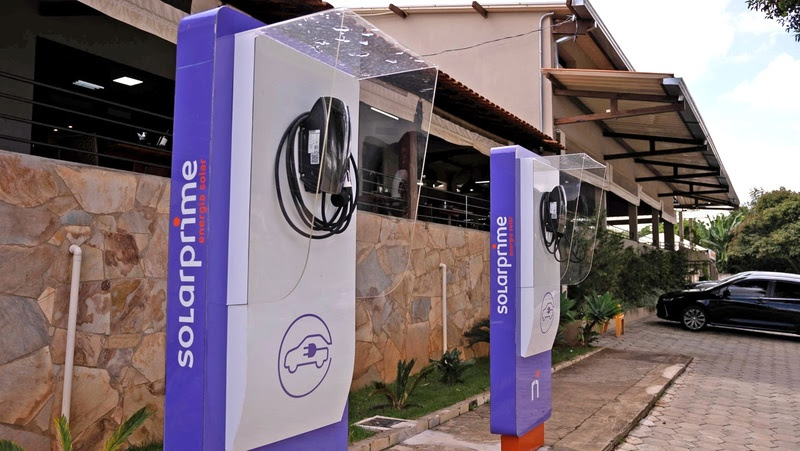
The Growth of 503% in the Fleet of Electric Vehicles in Brazil, According to Denatran, Has the Potential to Boost the Sale of Solar-Powered Chargers. Experts Forecast a 150% Increase in the Sales of Single-Phase and Three-Phase Chargers by the End of 2024.
Growth of the Electric Vehicle Fleet and the Role of Denatran Data from Denatran (National Department of Transit) reveals that the electric vehicle market has been expanding rapidly in the country. Between 2019 and 2023, the number of electric cars increased from 24.6 thousand to 124.4 thousand, a growth of approximately 503%.
The trend of growth is attributed to changes in behavior and greater engagement of people with the environment, as well as the savings provided by electric vehicles.
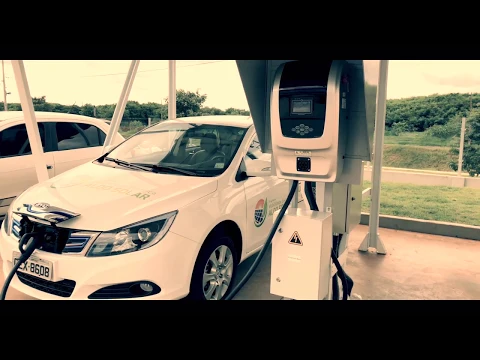

Moreover, there are even electric cars priced below 50 thousand reais in the international market, promoting more competitiveness and popularity of this type of vehicle.
-
The car stored for 38 years: when opening the barn door, what appears is breathtaking and looks like a scene from a movie!

-
Fiat works miracles in the Brazilian market, lowers the price of its 0 km hatch to R$ 69,990, reestablishes the model as the cheapest car in the country, and reignites the battle against Kwid and C3.
-
Chevette with cooking gas: How the gas cylinder ends up being used in cars clandestinely and why this makeshift solution can result in leaks, explosions, damaged engines, and seized vehicles.

-
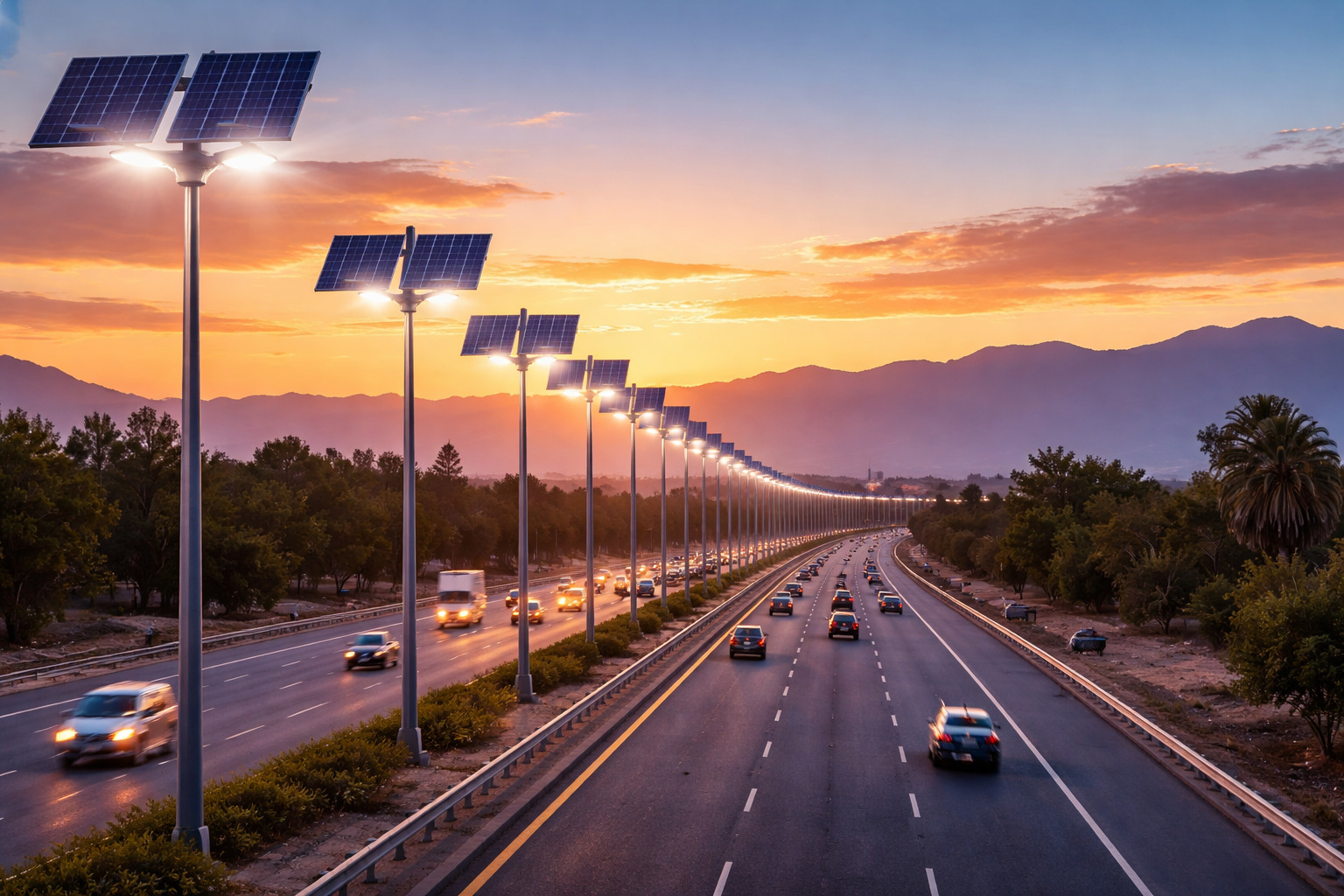
Argentina debuts its first 100% solar-powered highway and transforms an entire road into a showcase of clean energy.

Solar Energy and the Expansion of Charging Stations
The continuous demand for electric vehicles requires an increase in the number of charging stations. According to the Brazilian Electric Vehicle Association, Brazil had approximately 2,950 public and semi-public charging stations in December 2022. This growth also boosts the market for solar-powered electric chargers, which needs to keep pace with the expansion of charging stations.
Economy and Autonomy of Electric Vehicles – Electric vehicles can be more advantageous and economical than combustion cars. The average consumption ranges from 15 kWh to 25 kWh per 100 km, and traveling a thousand km can cost between R$ 105 and R$ 175, considering an average rate of R$ 0.70/kWh.
The autonomy of the models available in Brazil, according to data from Denatran, ranges from 150 km to 530 km on a full charge, making them a more economical option compared to combustion cars.
Solar Chargers and the Future of Electric Mobility
Raphael Brito, co-founder of Solarprime, emphasizes that in the future, it will be possible to fuel electric vehicles at zero cost, using solar energy. Solarprime, for instance, expects to sell about 800 solar-powered chargers in 2023, with a projected sale of over 2,000 units by 2024, representing an approximate increase of 150%.
The company sells single-phase and three-phase chargers, which vary in charging time and power, meeting the different needs of consumers, according to Denatran.
Government Incentives and the Popularization of Electric Vehicles
Denatran and the Brazilian government play a crucial role in encouraging the adoption of electric vehicles and promoting solar energy. Tax incentives, reduced taxes, and facilitated financing programs can be vital for further popularizing electric vehicles and solar-powered charging systems in the country.
The solar energy market in Brazil still faces some challenges, such as the lack of specific credit lines and the high initial cost of installing photovoltaic systems. However, the growing demand for electric vehicles and the expansion of charging stations create opportunities for the solar energy sector, stimulating the development of more accessible and efficient technologies and solutions.
Education and Awareness About the Importance of Solar Energy
For solar energy to become even more popular and accessible in Brazil, it is essential to promote education and awareness about the benefits of this clean and renewable energy source. Educational campaigns and partnerships between companies, such as Solarprime, and Denatran can help inform the public about the economic and environmental benefits of electric vehicles and the use of solar energy, encouraging widespread adoption of these technologies.
The significant growth of the electric vehicle fleet in Brazil, driven by Denatran’s initiatives and the growing interest of the population, has the potential to foster the solar energy and solar charger market in the country. The expansion of charging stations and the development of more accessible and efficient technologies can make solar energy an increasingly viable and sustainable option for the future of electric mobility in Brazil.








Seja o primeiro a reagir!