





 Portuguese
  English
  Spanish
  5 min of reading
  5 comments


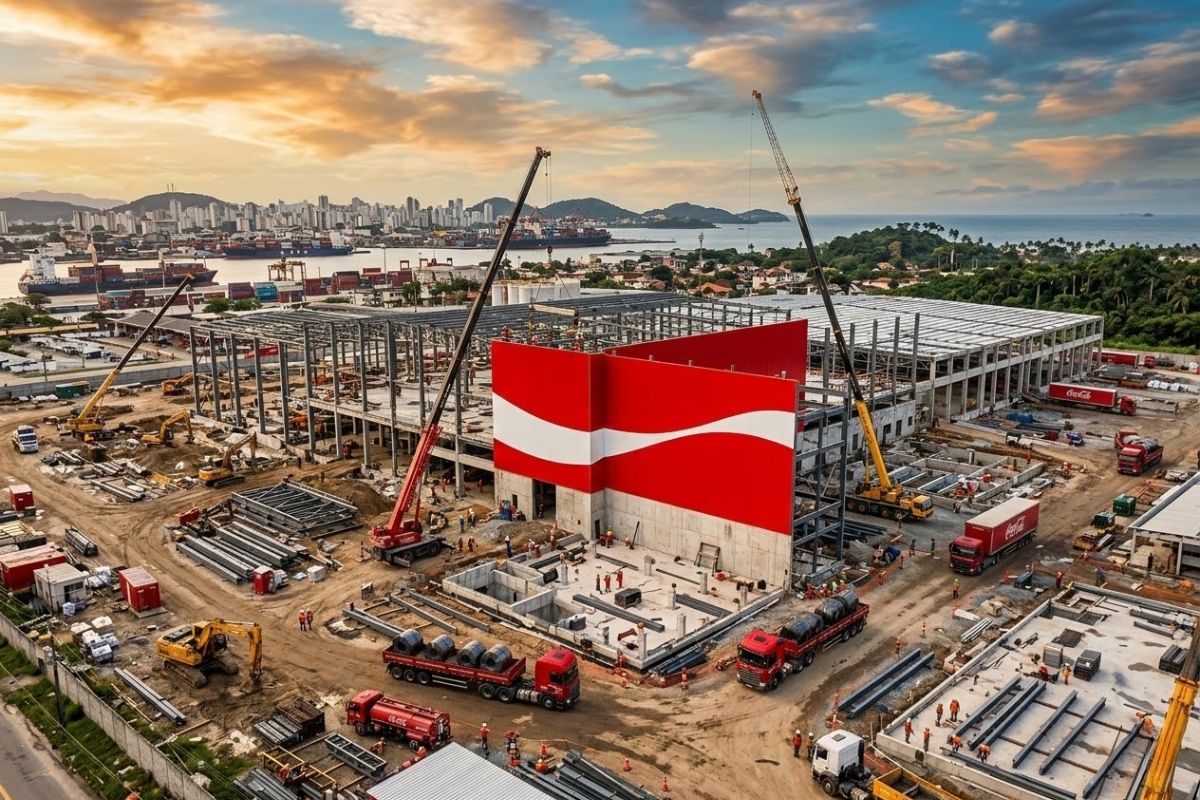


Coca-Cola Announces Investment of R$ 30 Billion in Brazil by 2030 to Expand Production, Open New Factories and Strengthen Distribution, in a Bet to Reduce Costs, Accelerate Deliveries and Consolidate the Country as an Industrial and Logistical Hub for the Company in the Latin American Market in the Coming Years of Sustainable Growth
Coca-Cola confirmed an investment of R$ 30 billion in Brazil by 2030, with a focus on building new factories and expanding distribution centers. The announcement was made by Geraldo Alckmin, Vice President and Minister of Development, Industry, Commerce and Services, during an event in Brasília, repositioning the country as a central piece of the company’s regional strategy.
The plan aims to increase productive capacity, improve operational efficiency and create a wider distribution network in a market that the company already considers decisive. More than just raising new structures, the move suggests an attempt to shorten timelines, reduce logistics costs and deepen the brand’s presence in one of the largest consumer markets in Latin America.
What’s Included in the Billion-Dollar Package Announced for the Country
The investment by Coca-Cola by 2030 is focused on two very clear axes: industrial expansion and logistical strengthening.
-
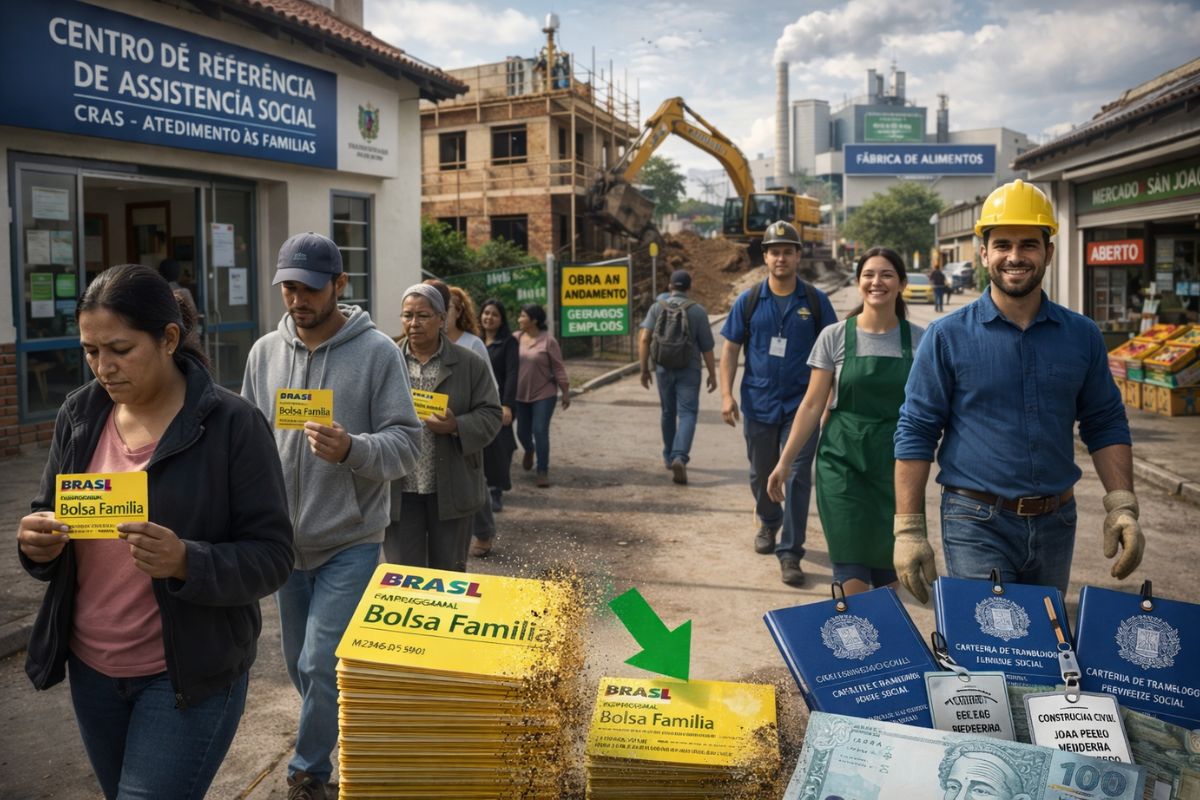
The gaucho city reduced the number of Bolsa Família beneficiaries by almost 40% in just a year and a half with active outreach that connects each registered person directly to job vacancies in Bento Gonçalves in Rio Grande do Sul.
-
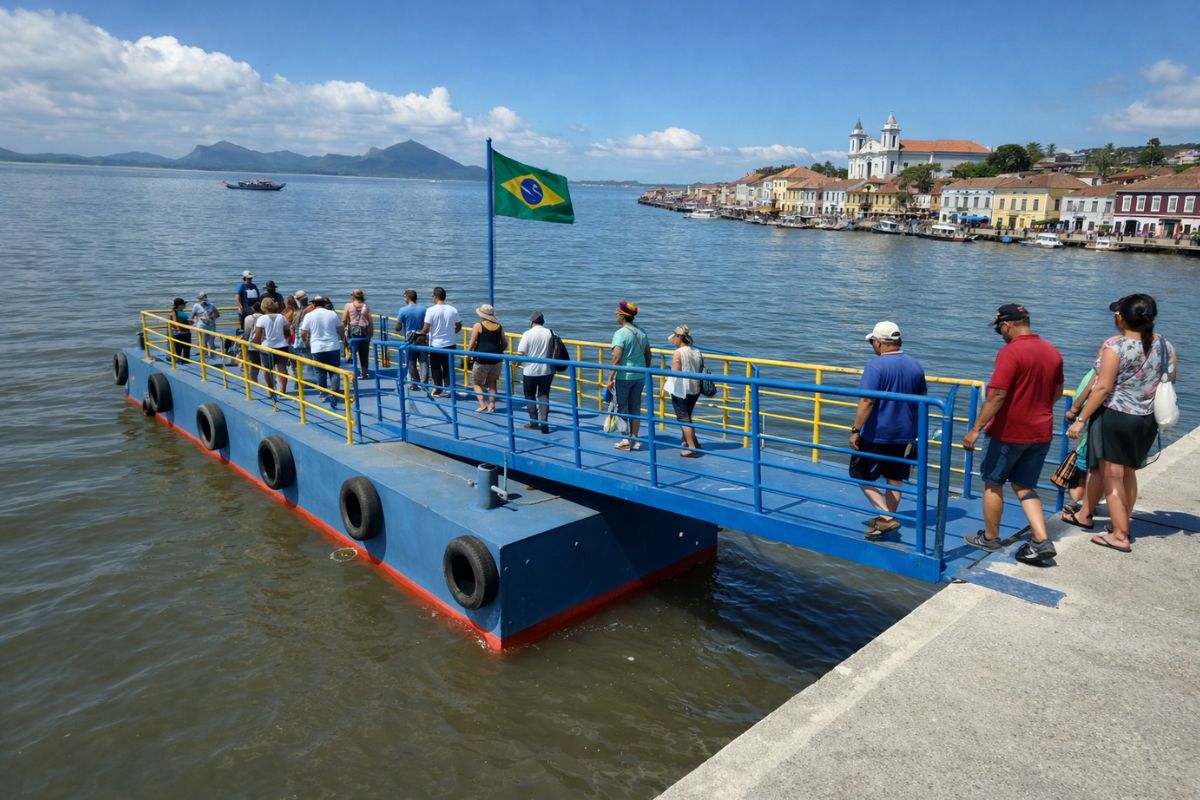
The bluest city in Brazil has just gained a new floating bridge for the free crossing between the island and the mainland, connecting residents and visitors to the historic center of São Francisco do Sul every day of the week.
-
In a silent race, Shopee signs a mega contract in Guarulhos and accelerates the e-commerce war with faster deliveries, pressured shipping, and a new threat to rivals in Brazil.

-
Oil surged to $115 a barrel due to the war in the Middle East, and diesel in Brazil has already risen to R$ 7.45 per liter, while the United States…


In practice, this means new factories, greater capacity for local production and reinforcement of distribution centers responsible for moving products more quickly between regions, retail, and point of sale.
This design shows that the company is not only looking at volume but at reach. Producing closer to where demand grows usually reduces long-distance transport, improves supply, and provides more predictability to operations.
In a country of continental scale like Brazil, this factor weighs as much as the ability to manufacture.
The announcement also indicates that Coca-Cola wants to strengthen a physical base capable of sustaining prolonged growth. By investing in factories and distribution at the same time, the company avoids expanding only one side of the chain.
Production without logistics creates bottlenecks. Logistics without sufficient production causes delays. The package tries to tackle both fronts at the same time.
The exact locations of each new unit and the complete implementation schedule have not yet been detailed in the presented material.
Even so, the total volume reported makes it clear that the company does not treat Brazilian operations as a marginal adjustment but as a structural front for the coming years.
Why Brazil Has Gained Even Greater Weight in the Regional Strategy
The decision by Coca-Cola to invest R$ 30 billion in Brazil is aligned with a broader regional logic. According to the information presented, the company wants to increase local production, reduce dependence on imports, and better protect itself against currency fluctuations.
In other words, the plan does not just aim for commercial growth. It also serves as operational shielding.
This point is important because Brazil has sufficient consumption scale, territorial dimension, and economic weight to justify this centrality.
When a multinational expands manufacturing within its own market, it tends to gain more control over costs, planning, and response time. For a brand that operates with high volume and a broad retail presence, this factor is decisive.
The expansion of the distribution network enters precisely this reasoning. Coca-Cola relies on short timelines, regular supply, and delivery efficiency to maintain competitiveness. Improving distribution is not just about moving trucks faster.
It is about protecting the regularity of operations, reducing losses, organizing inventories, and keeping the brand present where consumption actually occurs.
Therefore, Brazil appears in the announcement as a strategic pillar for the company in Latin America. It is not just another relevant market.
It is an industrial and logistical platform that can influence the regional performance of the company over a longer horizon.
What the Investment Can Trigger Outside the Factories
The effect of Coca-Cola’s plan is not limited to future production lines. The basis of the announcement itself points out that strengthening infrastructure paves the way for local suppliers of packaging, transportation services, and other segments linked to the supply chain.
When an operation of this scale grows, the pressure for inputs, storage, and circulation also rises.
This impact is significant because it expands the reach of the investment beyond the brand. A new factory does not just move soda. It reorganizes routes, contracts, material demand, service provision, and integration among logistics partners.
Even without specific numbers on jobs or future contracts, the potential spillover effect on suppliers already appears as a concrete part of the expectation.
There is also an operational modernization component. The expansion announced by Coca-Cola is presented as an attempt to gain efficiency and sustainability within the chain.
This suggests an operation less dependent on long-distance transport, more aligned with demand, and better prepared to work with greater rationale in the use of infrastructure and distribution.
In the end, this type of investment also carries a message of permanence. By betting on factories, distribution centers, and expansion of the production base by 2030, the company signals that it sees Brazil not as a transient market but as a key territory to sustain scale, presence, and competitiveness in the region.
The announcement by Coca-Cola reinforces the importance of Brazil within the company’s industrial and logistical map and shows that the competition for efficiency, territorial presence, and delivery capacity remains central for major consumer brands.
It remains to observe now how this investment will be distributed over the coming years and which regions will end up being more directly transformed by this expansion.
In your view, does this billion-dollar investment from Coca-Cola tend to further strengthen the Brazilian industry or reveal, above all, a race among multinationals to protect market, cost, and logistics in a country that remains crucial for Latin America?






Fala dos manifestantes patriotas na Av Paulista : “O Brasil ta quebrando”
Quando tinha uma fábrica na minha cidade era a melhor coca cola da região por conta de nossa água mas infelizmente fechou volta coca cola pra Ibicaraí ba
Tá explicado porque Trump encheu a mão em ações da coca cola recentemente.
É pq fez acordo com aula kkk