





 Portuguese
  English
  Spanish
  4 min of reading
  7 comments


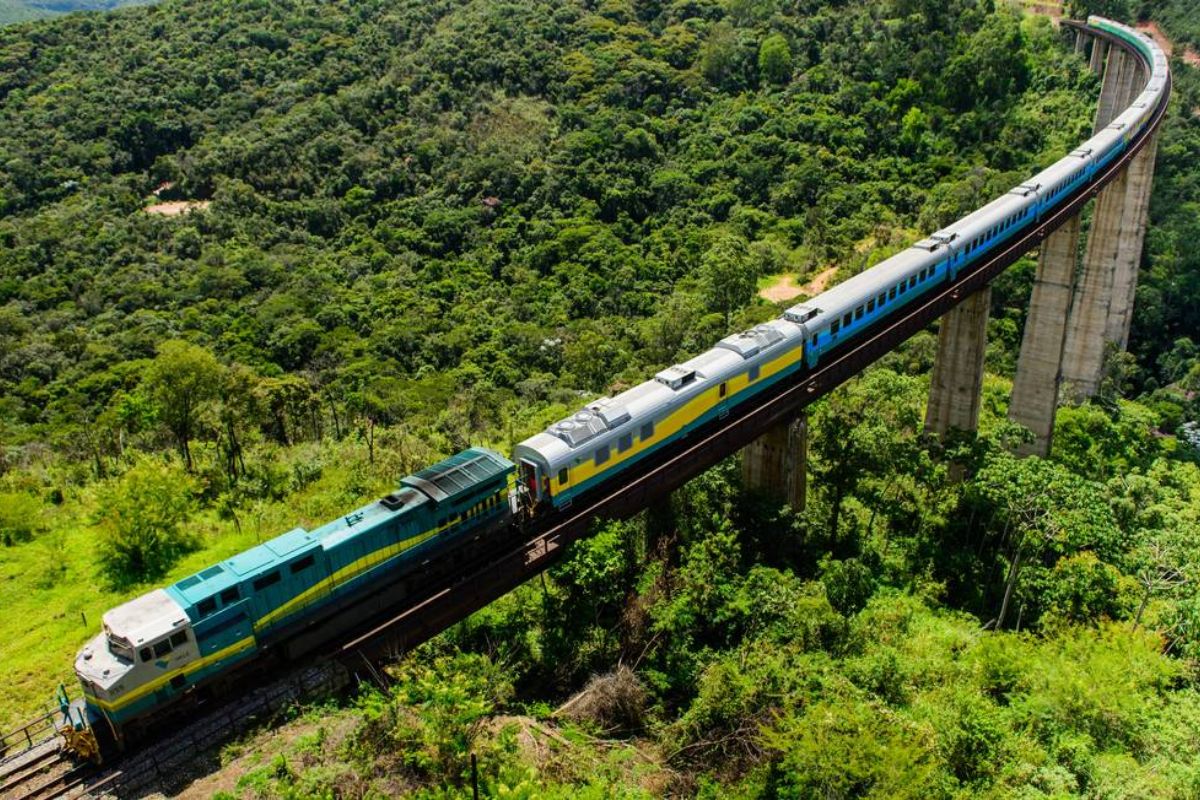


Discover the Carajás Railway (EFC), One of the World’s Largest Railways in Cargo Volume, Offering a Unique Experience of a Long Train Journey in Brazil for Nearly 900 km, Connecting Pará to Maranhão.
In the heart of Northern Brazil, a steel artery cuts through the landscape, transporting mineral wealth and the lives of thousands of people. This is the Carajás Railway (EFC), a long train journey in Brazil that offers one of the few and most impressive rail journeys for passengers in the country.
This is not a trip for those in a hurry. It is an immersive experience of approximately 16 hours through the cultural and natural diversity of deep Brazil. This article explores the history, the operation, and the unique experience aboard the Carajás Railway passenger train.
What Is the Carajás Railway?
The Carajás Railway (EFC) has a dual identity. It is an industrial powerhouse, the backbone for the flow of millions of tons of iron ore. At the same time, it is a vital transport link for local populations. The route of 892 kilometers connects Parauapebas in Pará to São Luís in Maranhão, passing through 27 municipalities.
-
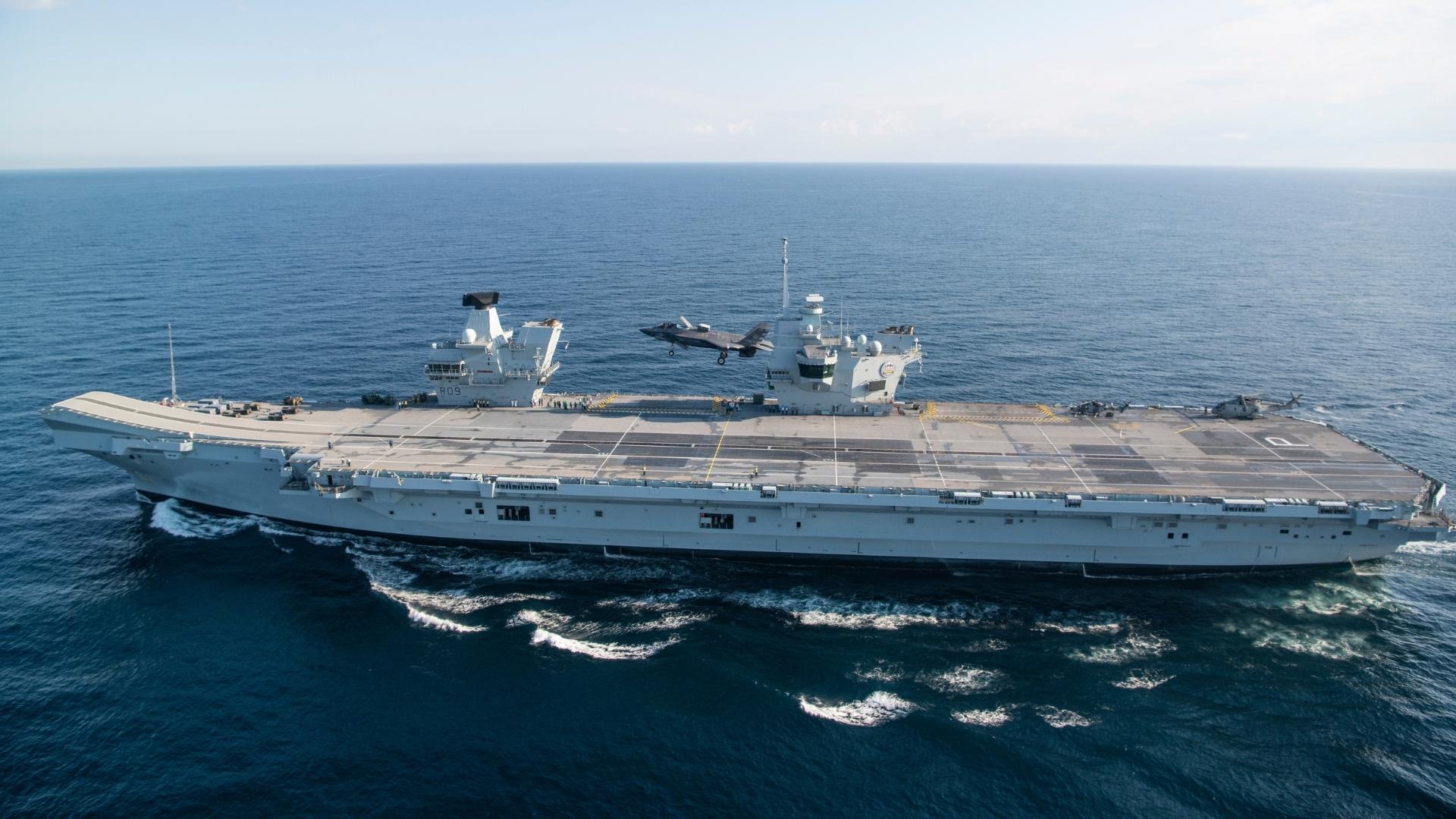
The aircraft carrier HMS Prince of Wales is heading to the Arctic with F-35 fighters, helicopters, and warships in an operation that repositions the United Kingdom at the forefront of NATO in 2026.
-
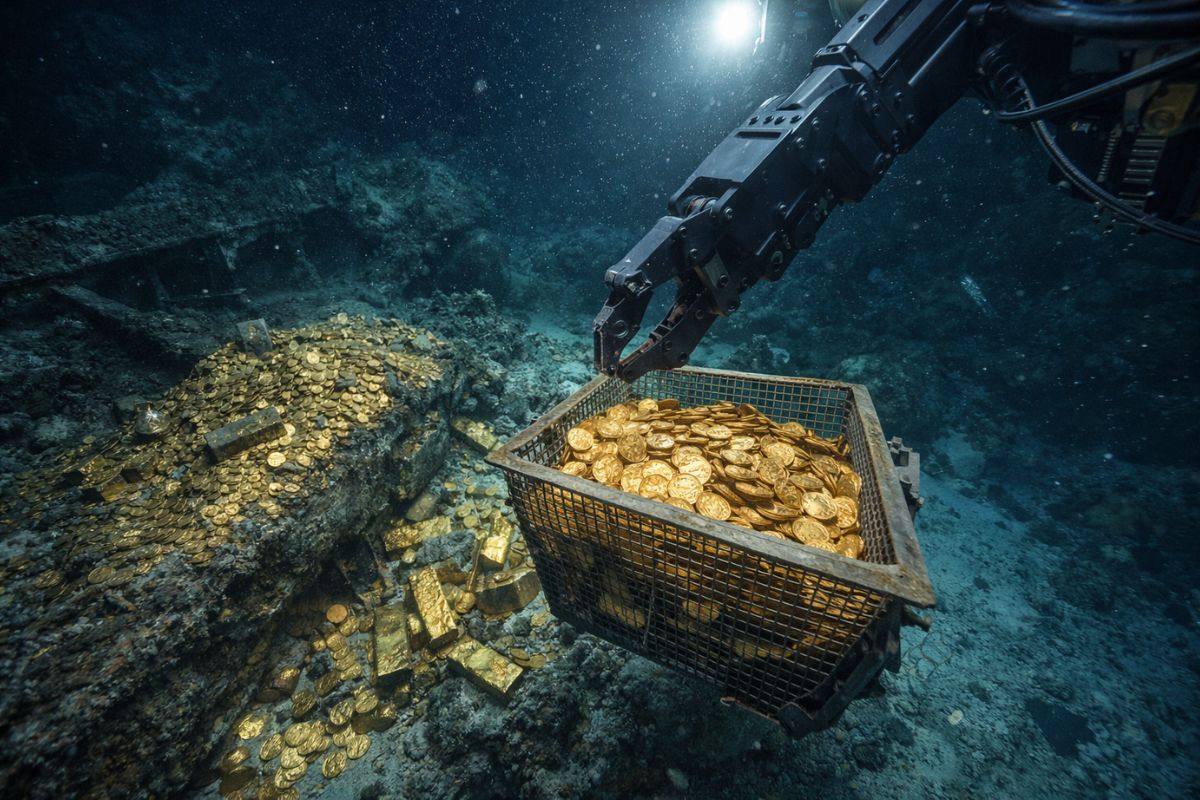
He found the largest gold shipwreck in the United States with tons of the precious metal at a depth of 2,400 meters in the Atlantic and recovered a treasure that no one thought possible to reach, but 500 gold coins disappeared without explanation.
-
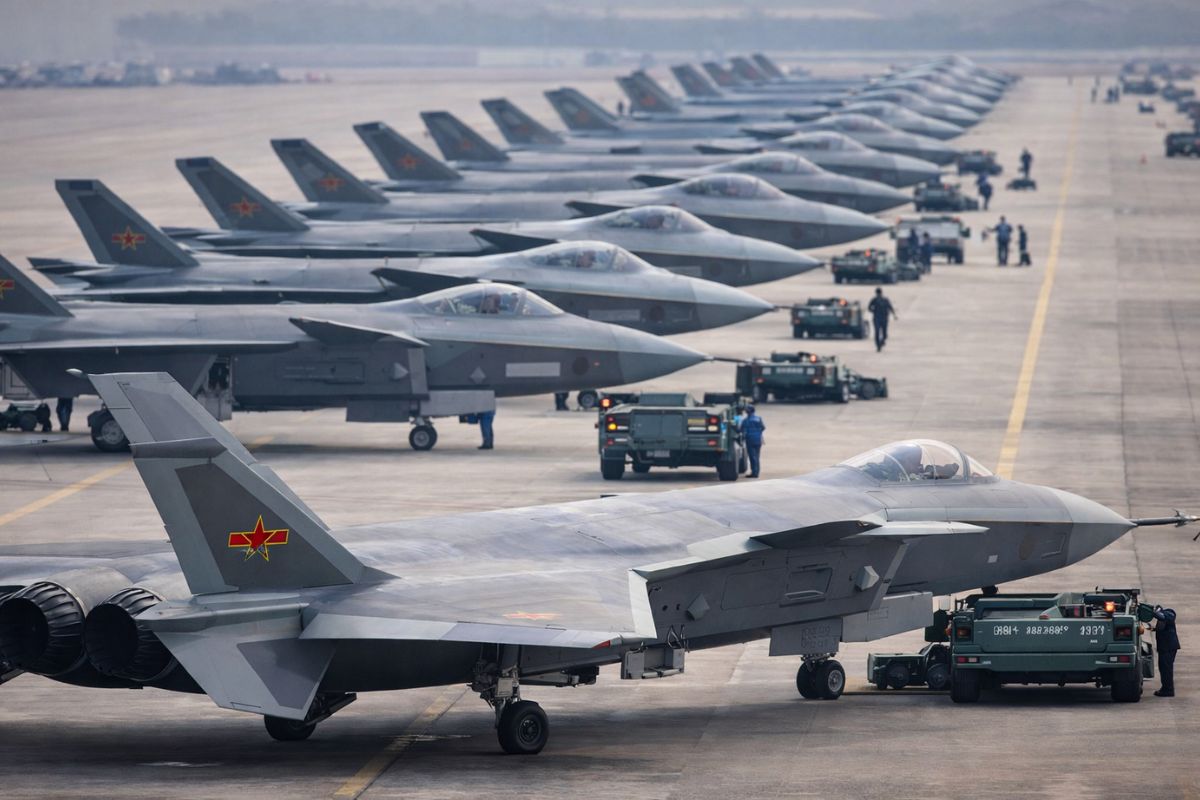
The United States has a serious problem with its F-35s: China is already producing fighters at a pace that exceeds American capacity and could manufacture up to 300 aircraft per year before the end of the decade, shifting the global military balance.
-
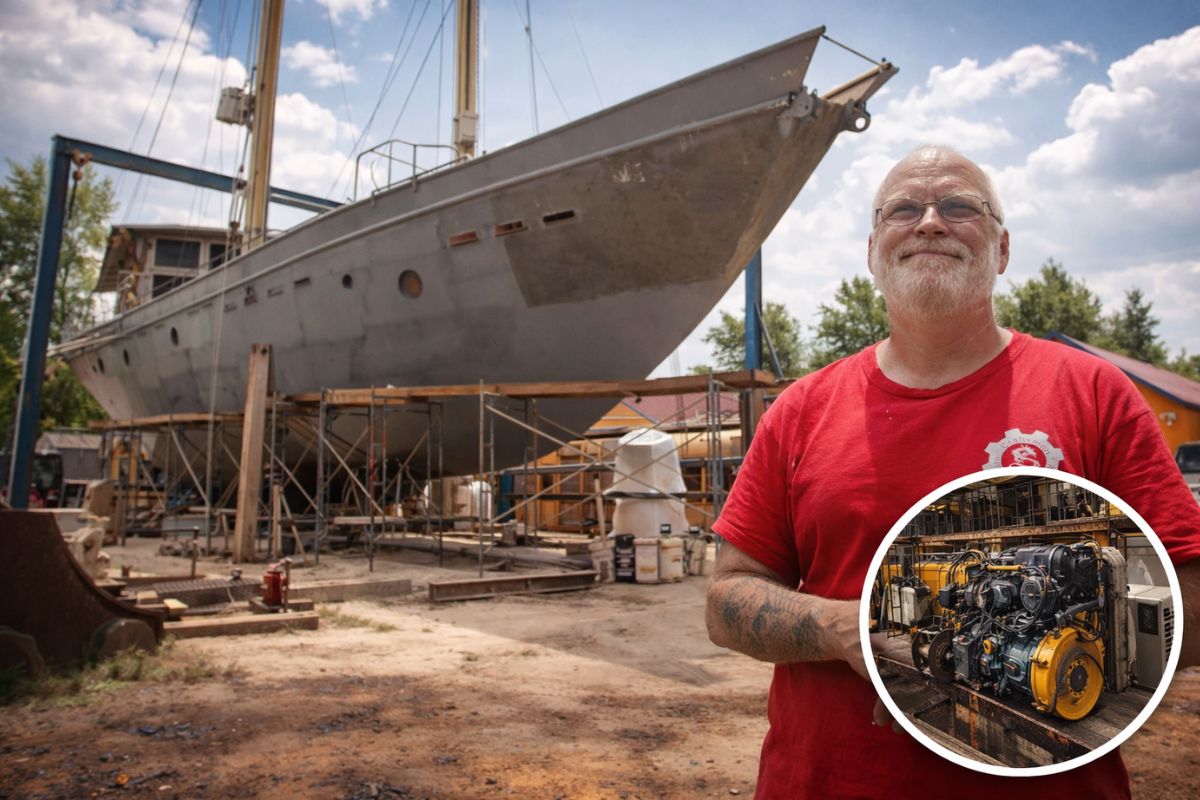
A retired IT professional built a 22-meter boat in his backyard in Oklahoma with a school bus engine, light pole masts, and handmade watertight doors to become the redneck version of Jacques Cousteau.

The numbers for the EFC are impressive. In 2024, it transported 176.47 million tons of iron ore. In the same year, a record 423,000 passengers utilized the service. Operated by Vale, the railway has the capacity to transport an average of 1,300 people per trip.
History and Evolution
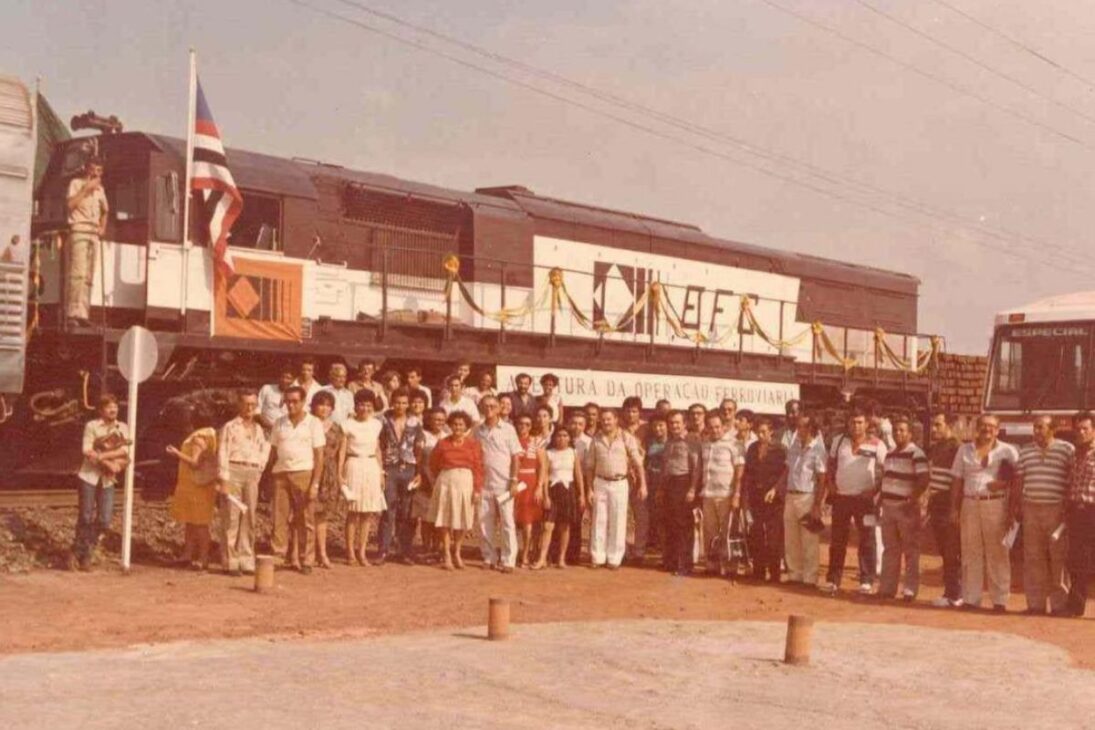
The history of the EFC began in the 1970s. The Carajás Railroad Project was conceived to transport the vast mineral wealth of the Carajás province in Pará. The construction of the tracks began in August 1982, under the command of the then Companhia Vale do Rio Doce (CVRD), now Vale.
The railway was officially inaugurated on February 28, 1985, starting the transport of ores. The passenger transport service began a year later, in March 1986. Although the primary focus was industrial, the railway quickly became indispensable for the communities growing along its route.
What Is the Great Train Journey in Brazil Like on the EFC?
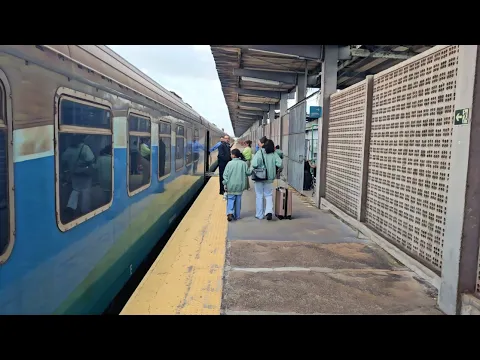
Taking the great train journey in Brazil on the EFC is a cultural immersion. The 16-hour journey crosses landscapes that change every kilometer. The train connects important cities like Santa Inês and Açailândia in Maranhão, and Marabá in Pará.
Comfort is a priority on board. All carriages are equipped with air conditioning. There is a dining car and a snack car for meals. Accessibility is also a highlight, with ramps and devices for passengers with special needs. The journey is an opportunity to interact with a mix of tourists and locals.
The Socioeconomic Importance and Efficiency of the EFC
Logistics and transport experts analyze the EFC as a success story. It is classified by the National Land Transport Agency (ANTT) as the safest railway in Brazil. Its efficiency in cargo transport, especially iron ore, is a global reference, partly due to the relatively flat terrain of its route.
Its socioeconomic role is undeniable. The EFC functions as a “social corridor,” connecting 27 municipalities and supporting about 100 neighboring communities with education and health programs developed by Vale. Compared to Vale’s other major passenger line, the Vitória a Minas Railway (EFVM), the EFC is even more critical for long-distance mobility in its region, where alternatives may be scarcer.
Planning Your Journey on the Carajás Railway

Planning this great train journey in Brazil requires attention. The train does not operate daily in both directions. Departures from São Luís (MA) occur on Mondays, Thursdays, and Saturdays. From Parauapebas (PA), departures are on Tuesdays, Fridays, and Sundays.
It is recommended to purchase tickets at least 45 days in advance, due to high demand. Tickets can be purchased at station ticket counters or on Vale’s official website. It is advisable to bring entertainment, a light jacket, and check the baggage policy. The future of the EFC is promising: there is a plan for the passenger service to become daily starting in 2027.






Vi alguns vídeos desse trem. Em todos ocorreu atraso de mais de 2 horas.
Tem hora para sair, mas chega no destino quando der. Parece que o serviço é algo entre amador e precário.
Lembrando que é um serviço imposto por contrato na concessão de Carajás à Cia Vale do Rio Doce.
Eu fiz várias viagens nesse trem saindo de São Luis em direção a Marabá ou Parauapebas, mas nessa época os vagões eram sucateados e muito desconfortável, os bancos uma lástima, também não havia ar condicionado. Essa realidade da reportagem acima eu não conheço.
Cresci dentro desse trem. Do antigo, na verdade. De 1998 a 2009, minha família fez essa viagem todo mês de julho ou dezembro. Moramos em Parauapebas e íamos visitar parentes no Maranhão. Tenho lembranças boas demais dessa viagem, principalmente do trem antigo, que tinha algumas janelas abertas. O plano é levar os filhos no ano que vem pra conhecer o trem e a terra natal. Matéria muito boa.