





 Portuguese
  English
  Spanish
 5 min of reading
  0 comments


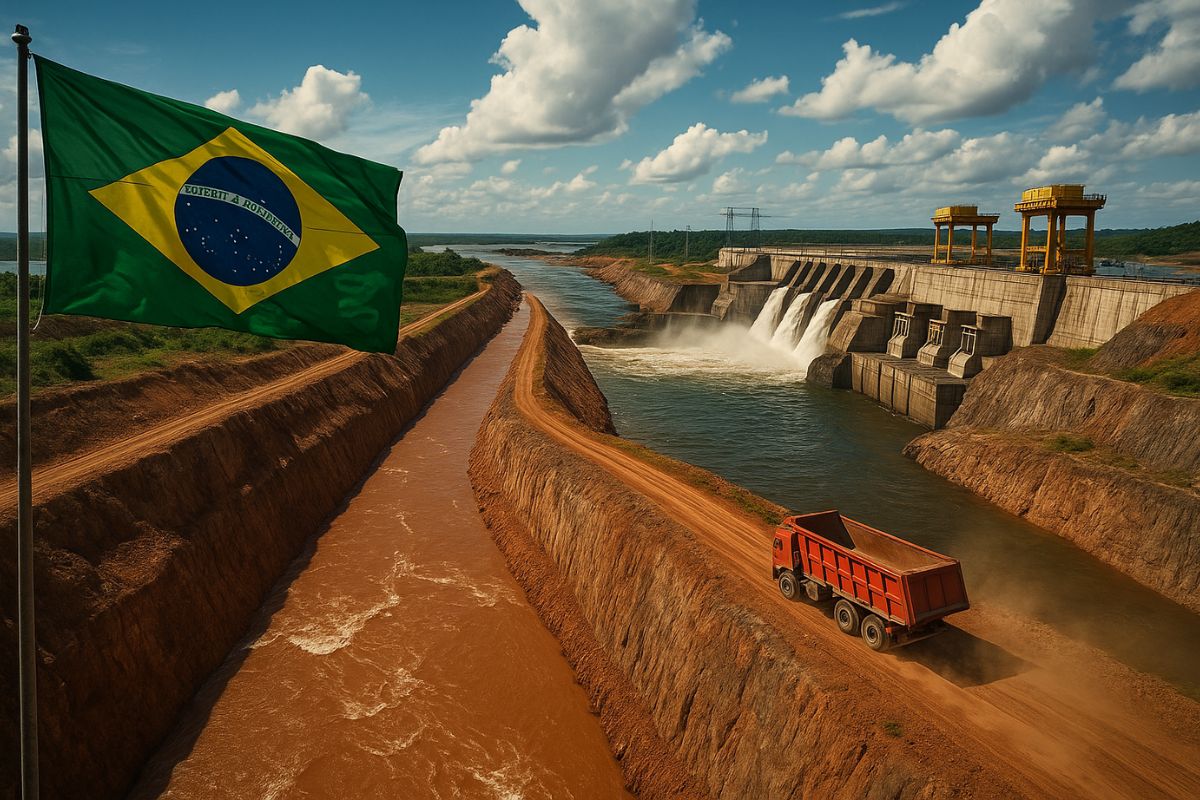
The Belo Monte Hydroelectric Power Plant Flooded An Area Larger Than Curitiba, Operates As A Run-Of-River Plant, And Required An Artificial 20 Km Canal, Redesigning The Flow Of The Xingu River And Concentrating Debates On Energy, Engineering, And Local Impacts With Unprecedented Numbers In The Country
The Belo Monte Hydroelectric Power Plant is the largest 100% Brazilian facility in continuous operation. Designed to harness the power of the Xingu River in Pará, it combines a high installed capacity with the run-of-river model, which directly depends on the river’s flow to generate electricity. The scale of the project and its territorial effects have made Belo Monte a unique case of engineering, energy, and environment in Brazil.
At the same time, the Belo Monte Hydroelectric Power Plant is a starting point for discussing infrastructure choices in the heart of the Amazon. The reservoir reached 503 km² and surpassed the urban area of Curitiba, while a 20 km canal was excavated to divert part of the Xingu’s flow to the powerhouses. These interventions altered ecological and social dynamics and remain at the center of technical assessments and public controversies.
What Is The Belo Monte Hydroelectric Power Plant And Where Is It Located
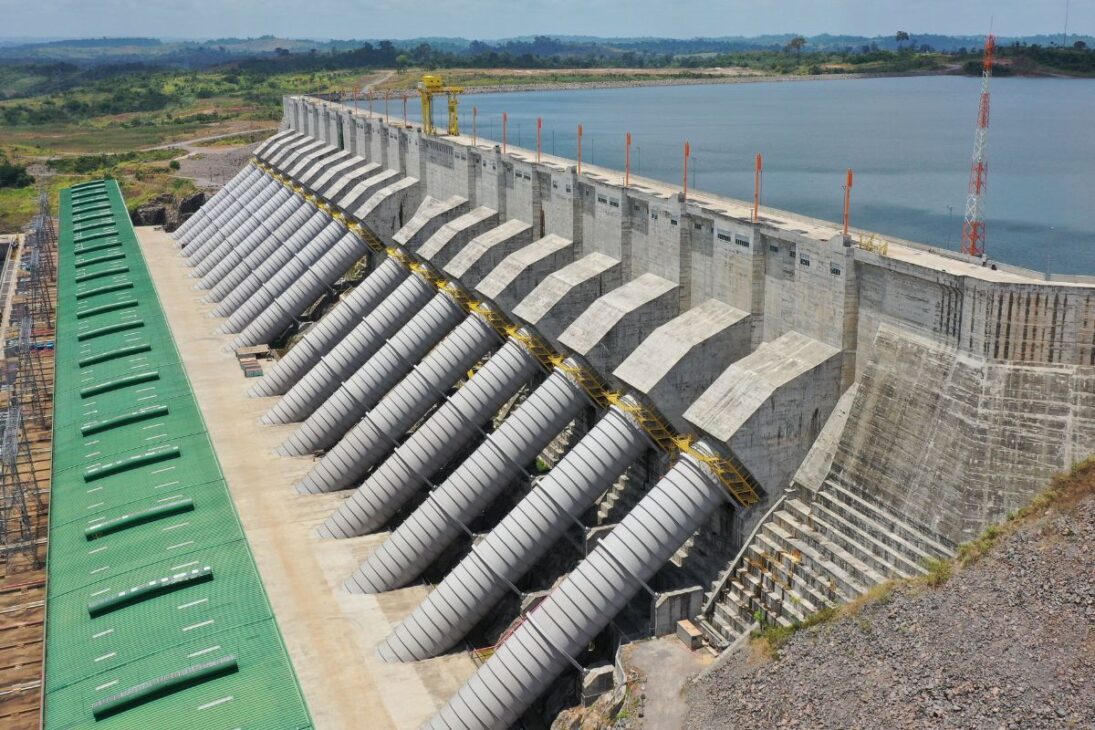
Located in Altamira, Pará, the Belo Monte Hydroelectric Power Plant was designed to be the largest in the country with entirely Brazilian ownership, differing from Itaipu, which is binational.
-
With 30 meters in length, a house in England appears to float in the air and surprises engineers and architects around the world due to its visual effect and construction method suspended over sloped terrain.
-
Called El Inmortal, the building that survived earthquakes in Ecuador seems to balance, defies the laws of physics, and impresses with its bold construction structure.
-
A gigantic dam project in the Himalayas could solve one crisis but silently create another for millions of people.
-
Nikola Tesla said that intelligent people tend to have fewer friends, and now science partially confirms this: a study with over 15,000 people showed that for the more intelligent, socializing too much can even reduce life satisfaction.


The project was designed to operate with the river’s own energy, reducing dependence on large reservoirs and betting on the natural seasonal cycles of flooding and droughts of the Xingu.
The geographic position in the middle course of the Xingu favored the construction of the complex with a diversion canal and two powerhouses.
The logistics, workforce, and inputs were organized for a long-duration project, with simultaneous phases of excavation, concreting, and electromechanical assembly.
Capacity, Run-Of-River Operation, And Physical Guarantee
The installed capacity is 11,233.1 MW, which places the Belo Monte Hydroelectric Power Plant at the top among fully Brazilian plants.
However, the effective generation does not coincide with the peak capacity, precisely because it follows the hydrological pulse of the Xingu.
The physical guarantee is 4,571 MW, an indicator that expresses the energy that the enterprise commits to deliver to the system.
This difference between installed capacity and assured energy is inherent to the run-of-river model and explains the production variation between flood and drought periods.
The Size Of The Flooding And The Comparison With Curitiba
The Belo Monte reservoir flooded 503 km², while Curitiba has an urban area of about 435 km², making the direct comparison easily understandable to the public.
The expansion of the water mirror submerged areas of forest and altered aquatic and terrestrial ecosystems, with effects on fauna, flora, and traditional land use.
The scale of the reservoir, although smaller than that of plants with large lakes, did not prevent significant environmental transformations from occurring.
The dynamics of margins, islands, and channels were reconfigured, influencing fishing patterns, navigation, and food security for local communities.
The 20 Km Artificial Canal And The Change In Water Flow
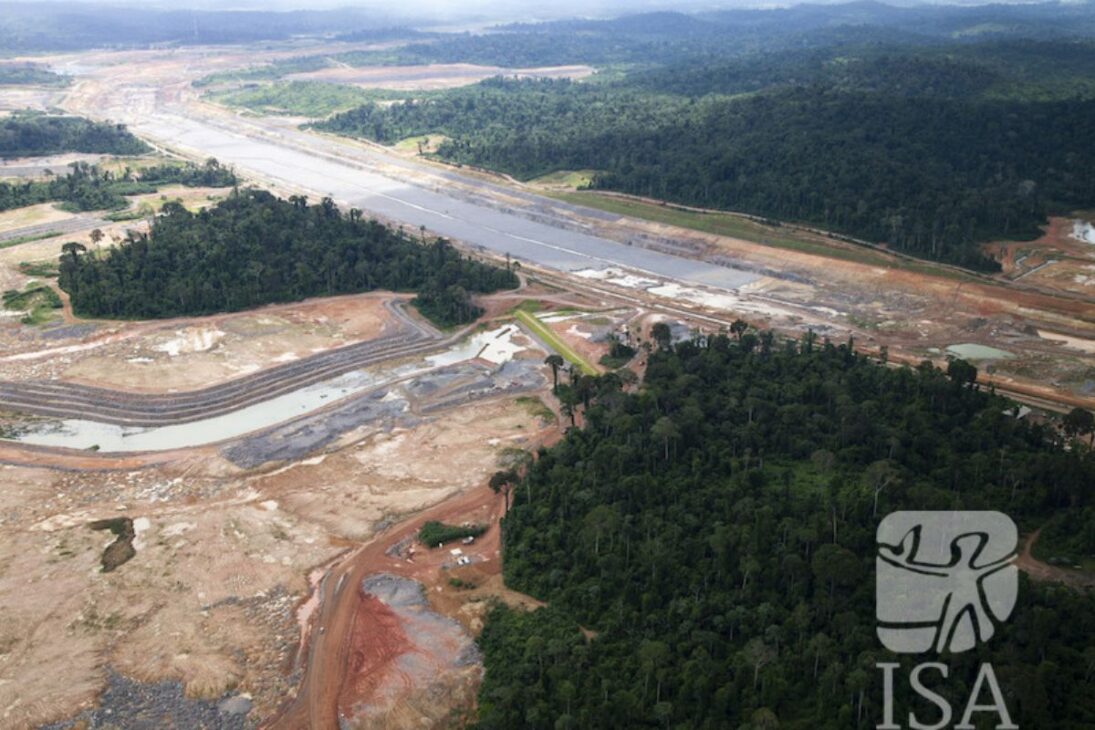
To enable generation, the Belo Monte Hydroelectric Power Plant required the excavation of a canal approximately 20 km long, with a width of about 200 meters and a depth of up to 22 meters, directing a significant part of the flow to the main powerhouse.
This hydraulic corridor is one of the most notable engineering works of the project.
The diversion reconfigured the Volta Grande do Xingu, an area known for its ecological and cultural relevance.
With the reduction of flow in this sector, traditional practices were impacted, and the reproduction of species and habitat connectivity began to require continuous monitoring.
Involved Populations, Displacement, And Social Effects
Since the construction phase, the Belo Monte Hydroelectric Power Plant attracted a large contingent of workers to Altamira.
The accelerated population growth put pressure on public services, housing, and security, generating successive adjustments in local policies.
Riverine communities and indigenous peoples reported changes in access to fish, river transport, and areas of traditional use.
Resettlements, compensations, and mitigation programs were mobilized on different fronts, with heterogeneous results and monitoring still necessary to assess long-term effects.
Generation Variation, Climate, And System Predictability
By operating as a run-of-river facility, the Belo Monte Hydroelectric Power Plant is highly sensitive to the seasonal fluctuations of the Xingu.
In drier years, production drops significantly, pressuring the electrical system to dispatch complementary sources.
In years of flooding, the plant approaches the projected capacity, improving the average cost and stability of supply.
Long-term predictability depends on rainfall patterns and flow management.
Thus, energy planning and hydrological management are central elements to balance supply security, tariff moderation, and environmental goals.
Engineering For Control, Water Quality, And Emissions
Large projects like the Belo Monte Hydroelectric Power Plant require permanent monitoring procedures for water quality, silt management, and operation of hydraulic structures.
The decomposition of organic matter in flooded areas demands technical attention for gas emissions, aiming to reduce impacts and adjust operational routines.
Adaptive management, with parameter reviews and incremental improvements, is expected practice in projects of this scale.
Success depends on field data, technical transparency, and social participation, especially in Amazonian basins.
What Is Still In Technical And Social Dispute
Even in operation, the Belo Monte Hydroelectric Power Plant continues to generate debates.
There are controversies regarding the ecological flow in the Volta Grande, about the effectiveness of compensations, and about the compatibility between energy generation and traditional ways of life.
Experts advocate for clear targets, public indicators, and independent audits to qualify future decisions.
The reconciliation between energy security and socio-environmental protection remains a key point.
Mitigation measures, local development programs, and multisector governance are pathways cited to reduce asymmetries and improve outcomes throughout the project life cycle.








-

-

-

-

-

-

119 pessoas reagiram a isso.