





 Português
  Inglês
  Espanhol
  4 min de leitura
  0 comentários


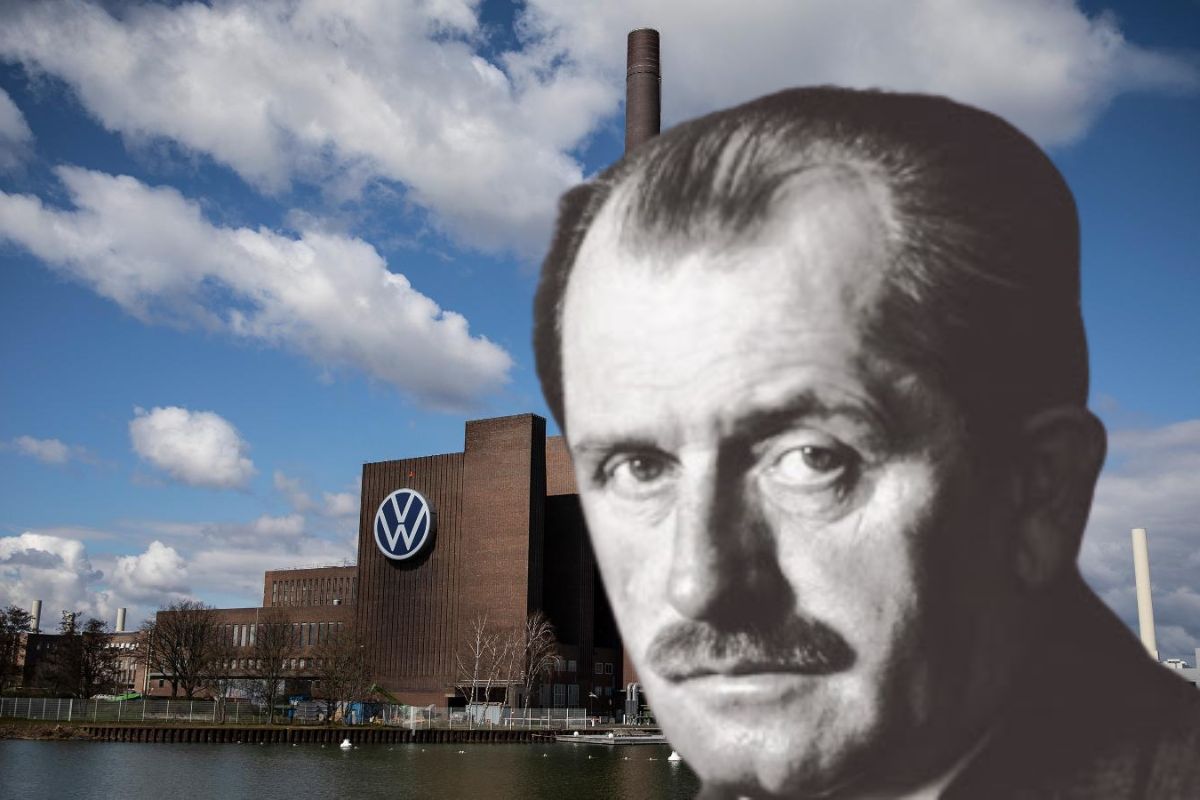
From Its Origins in Nazi Germany to the Success of the Beetle, Dieselgate, and the Bet on Electric ID. Discover the Complete History of Volkswagen.
Volkswagen. A global brand, synonymous with German engineering. Its history is complex. It began in Nazi Germany with the “People’s Car.” It created icons like the Beetle and Kombi. It faced crises like Dieselgate. Today, Volkswagen is betting everything on electrification. Discover the complete journey of this giant Volkswagen.
The Controversial Genesis of Volkswagen in the Third Reich
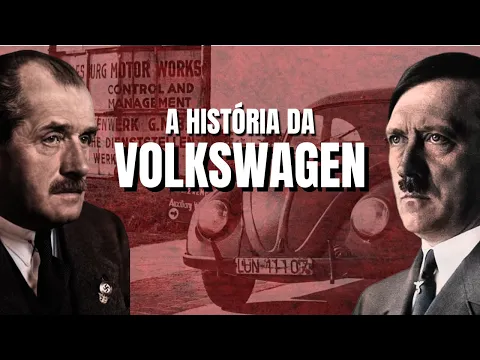
The origins of Volkswagen are linked to Nazi Germany. Hitler envisioned an affordable “people’s car.” Ferdinand Porsche was hired to design the future Beetle (Type 60). The Nazi organization DAF, through the KdF program, managed the project. A savings system was created for citizens to purchase the car.
The Wolfsburg factory was founded in 1938 (“KdF Car City”). However, civilian production was minimal before the war. The Volkswagen factory was converted for military production (Kübelwagen, Schwimmwagen). It extensively used forced labor (prisoners of war, from concentration camps).
-
The world’s first octopus farm wants to open in the Canary Islands and is already provoking an international reaction: the plan aims to produce 3,000 tons per year.

-
Drought may be creating stronger superbugs in the soil and helping antibiotic resistance reach hospitals, warns a study highlighting a problem that could grow alongside extreme weather.

-
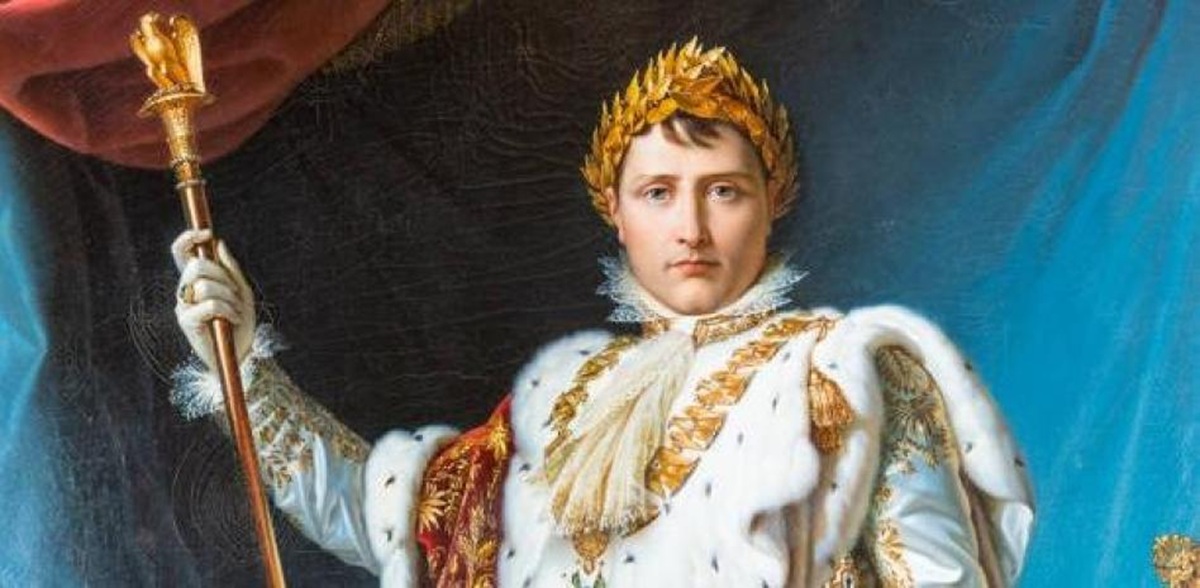
The biggest scam in history: Napoleon’s France deceived the United States by selling them a territory that was Spanish.
-
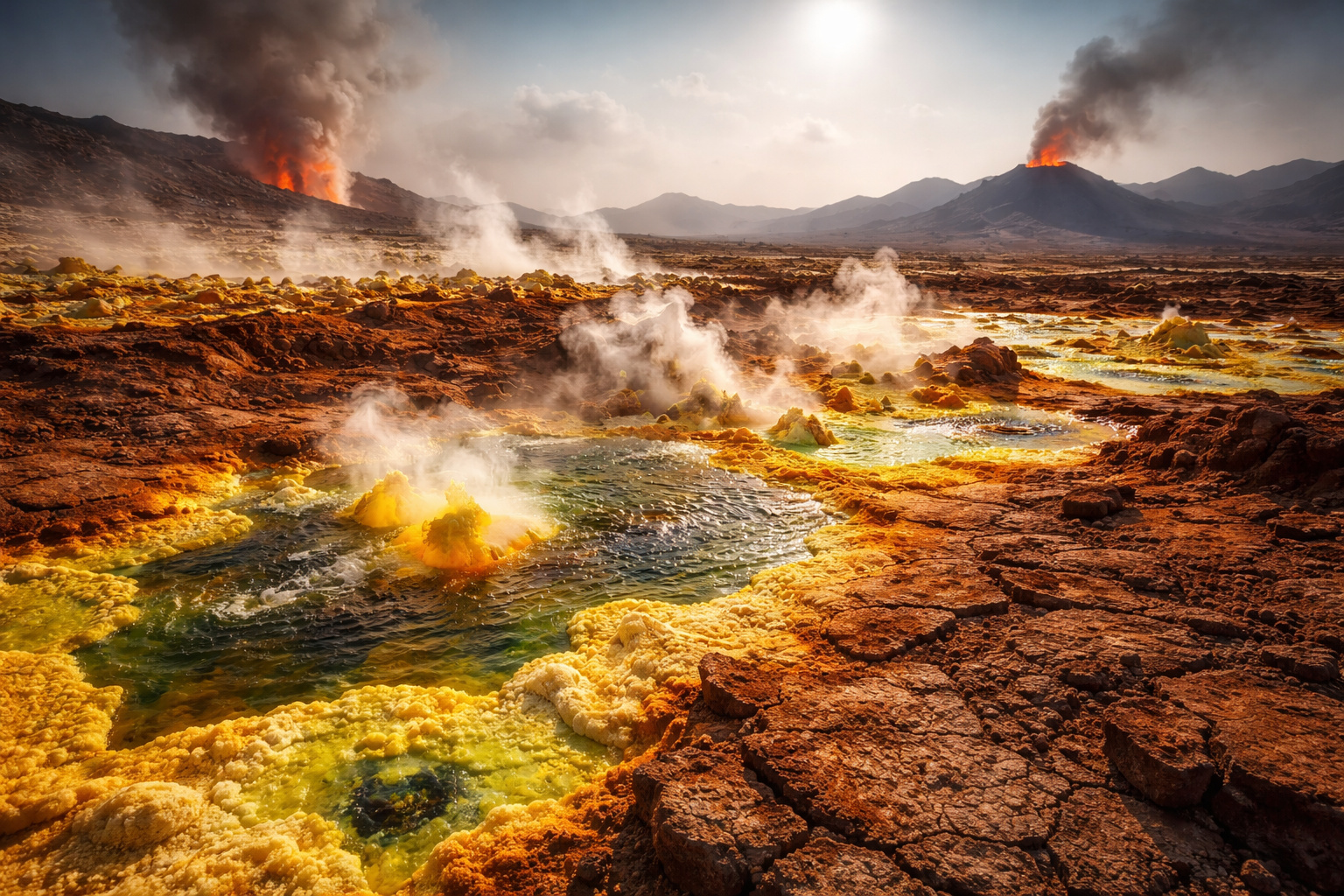
Why is the Danakil Desert so dangerous? It has unstable terrain and how extreme temperatures and toxic gases turn the region into one of the most hostile environments on Earth.
The Post-War Rebirth and the Icons Beetle and Kombi
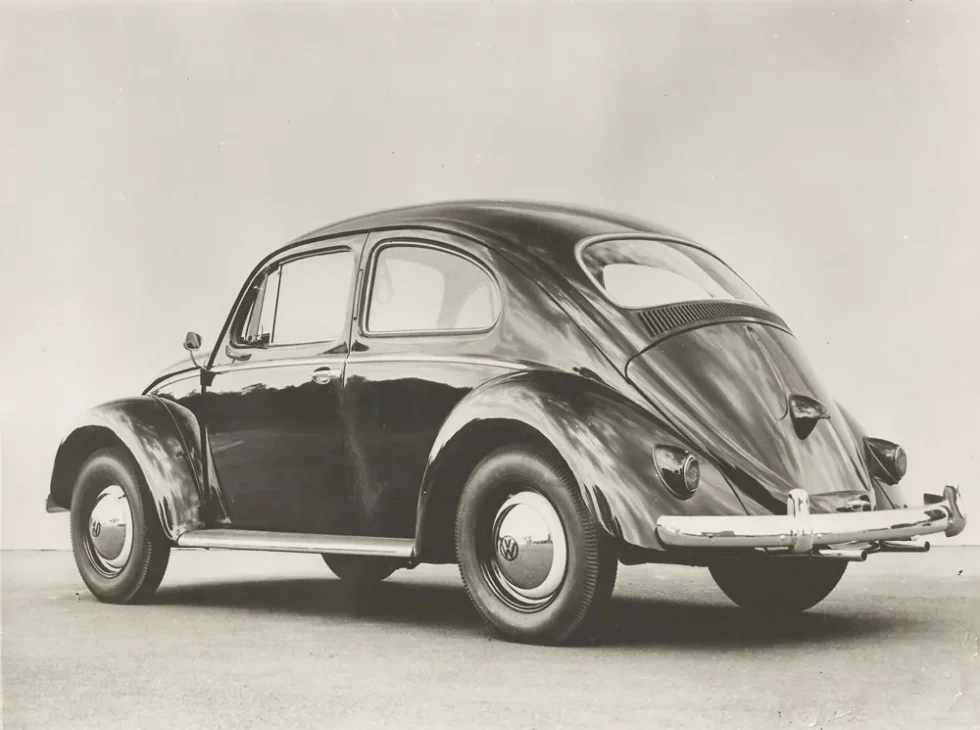
After World War II, the Volkswagen factory was in ruins. The British Army took control. Major Ivan Hirst was crucial in resuming production (December 1945). Other automakers declined to take over the factory. The Volkswagen Type 1 (Beetle) became a symbol of German reconstruction. It was simple, robust, and affordable.
It conquered Europe and, after innovative advertising campaigns (“Think Small”), the USA. It became a cultural icon in the 1960s (counterculture, movies). It broke the production record of the Ford Model T in 1972. More than 21.5 million were made globally. The Kombi (Type 2), launched in 1950, also became a cultural icon (freedom, adventure). It was produced in Brazil until 2013. The Beetle and Kombi defined the image of Volkswagen for decades.
Volkswagen Brazil: Leadership, Gol, and the Total Flex Innovation
Volkswagen Brazil was founded in 1953. It started by assembling Beetles and Kombis in São Paulo. The Anchieta factory (São Bernardo do Campo) was inaugurated in 1959. The Beetle was the sales leader in Brazil for 24 years. The Kombi was also a long-standing success (56 years of production). Volkswagen Brazil developed its own models, such as Karmann Ghia TC, SP1/SP2, and the popular Brasília (>1 million units).
The Gol family (Gol, Voyage, Parati, Saveiro), launched in 1980, dominated the market for 27 years (Gol was the leader). The Gol GTi (1988) was pioneering with fuel injection. Volkswagen Brazil also produced the Santana/Quantum for a long period. In 2003, it launched the Gol Total Flex, the first flex-fuel car in Brazil, a crucial innovation. Volkswagen Brazil established itself as a leader and R&D center in Brazil.
The Conglomerate: Growth Through Acquisitions (Audi, Porsche, etc.)
Volkswagen grew by acquiring other brands. The acquisition of Audi/NSU (1964-1969) brought essential technology (front-wheel drive, water-cooled engine). In the 80s and 90s, it acquired SEAT (Spain). In 1998, it entered the luxury and supercar market by acquiring Bentley, Bugatti, and Lamborghini (through Audi). It strengthened its truck division with Scania (Sweden).
The integration of Porsche AG (car manufacturer) was complex (2009-2012), resulting in Porsche SE (holding of the families) controlling the Volkswagen Group. These acquisitions created a multi-brand giant with an enormous portfolio and synergies, strengthening Volkswagen.
Dieselgate: The Scandal That Shook Volkswagen and Accelerated Electrification
In September 2015, the Dieselgate scandal erupted. Volkswagen admitted to using illegal software (“defeat device”) in 11 million diesel cars worldwide. The software manipulated NOx emission tests (nitrogen oxides). Real emissions were up to 40 times higher than allowed in the US. The fraud was discovered through independent tests and investigations by the EPA/CARB.
The consequences were devastating: costs exceeding €32 billion (fines, settlements, buybacks); criminal proceedings (VW pleaded guilty in the US); firing/trial of executives (CEO Winterkorn resigned); massive damage to reputation and trust. The crisis buried the “Clean Diesel” strategy and forced Volkswagen to drastically accelerate its bet on electric vehicles (EVs).
Towards the Electric Future

Currently, Volkswagen focuses on electrification. It developed the MEB modular platform for EVs. It launched the ID. family (ID.3, ID.4, ID.5, ID.7, ID. Buzz). The first electric models (ID.4, ID. Buzz) have arrived in Brazil. It plans more affordable EVs (ID. 2all <€25k in 2026; ID. EVERY1 <€20k in 2027). It is developing the future SSP platform.
It remains a global giant (~118 factories). Brazil remains strategic, with R$ 16 billion investment by 2028 for new flex, hybrid, and electric models (pickup Udara, SUV Tera). It launched a subscription service (Sign & Drive). Volkswagen navigates the transition, balancing its legacy with the electric future and ethical challenges.








Seja o primeiro a reagir!