





 Portuguese
  English
  Spanish
  5 min of reading
  0 comments


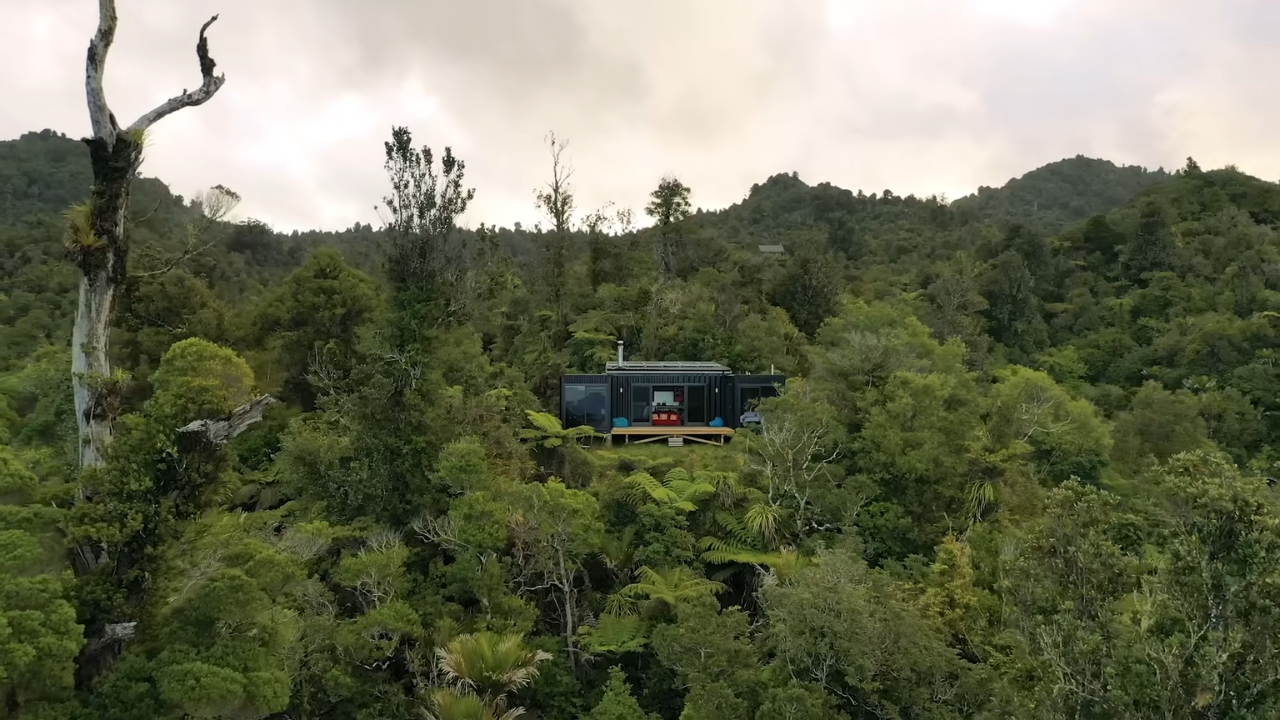
Project uses five containers and combines solar energy, rainwater harvesting, and composting sanitation to operate without connection to public networks
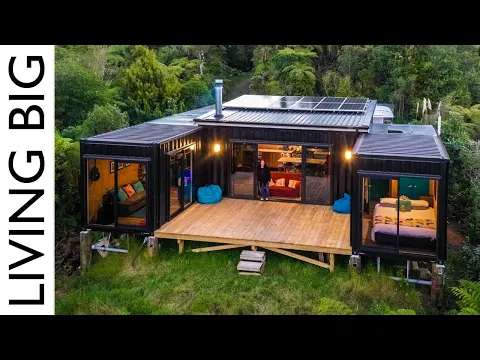
Ahurewa is a 100% self-sufficient home built with shipping containers in the middle of a forest in New Zealand, designed to operate without connection to public networks. The proposal goes beyond industrial aesthetics, as it transforms the dwelling into a small infrastructure capable of maintaining comfort and essential services even far from any external supply.
The residence combines modular design, solar energy, rainwater harvesting, and composting sanitation. In practice, this creates a disconnected living model that keeps domestic routines functioning with resource planning and solutions concentrated within the property itself.
Move from Auckland to a reserve defined construction limits and forced a compact house

The decision of Rosie, the homeowner, began with the sale of her property in Auckland and the purchase of land in a private reserve. There, each lot allows occupancy of only up to 5% of the area with constructions, while the remaining space is legally designated for conservation.
-
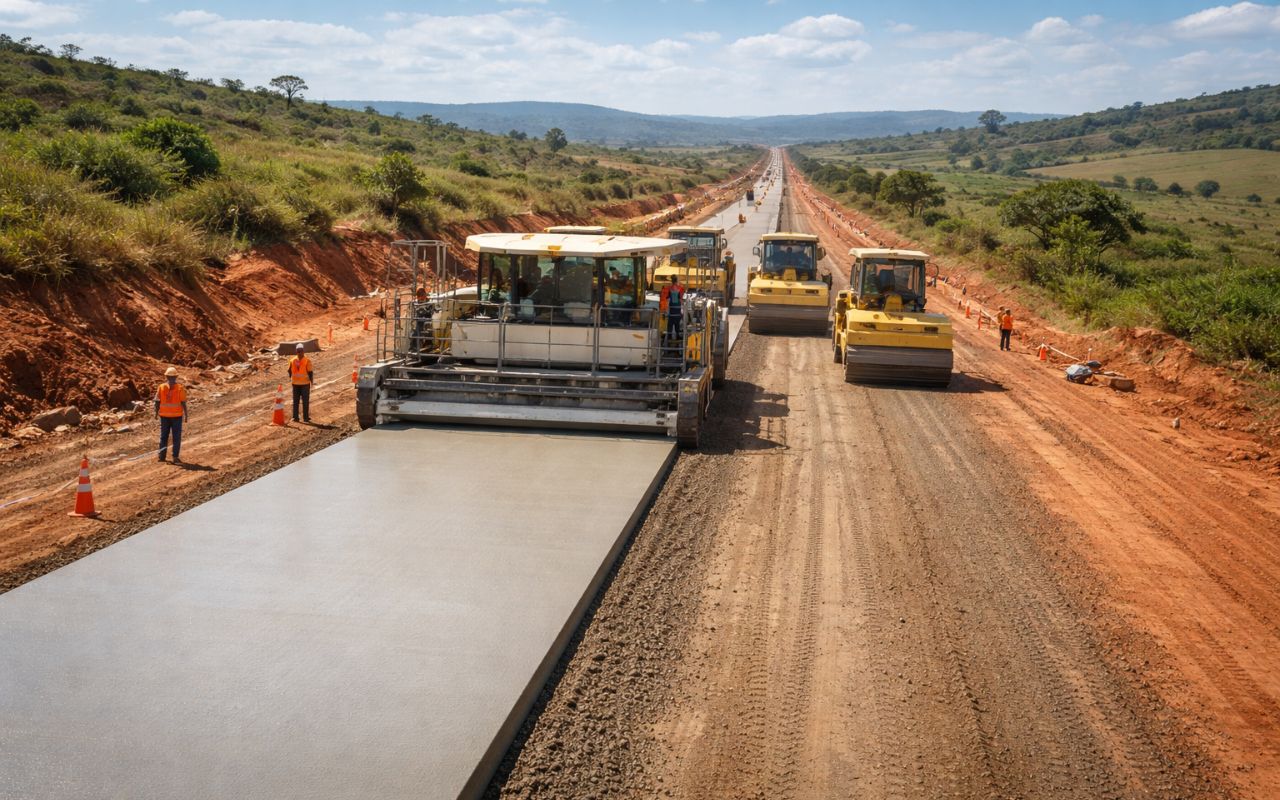
New CCR concrete paving technology promises roads up to 3x more durable, less maintenance, and cost reduction in Brazil.
-
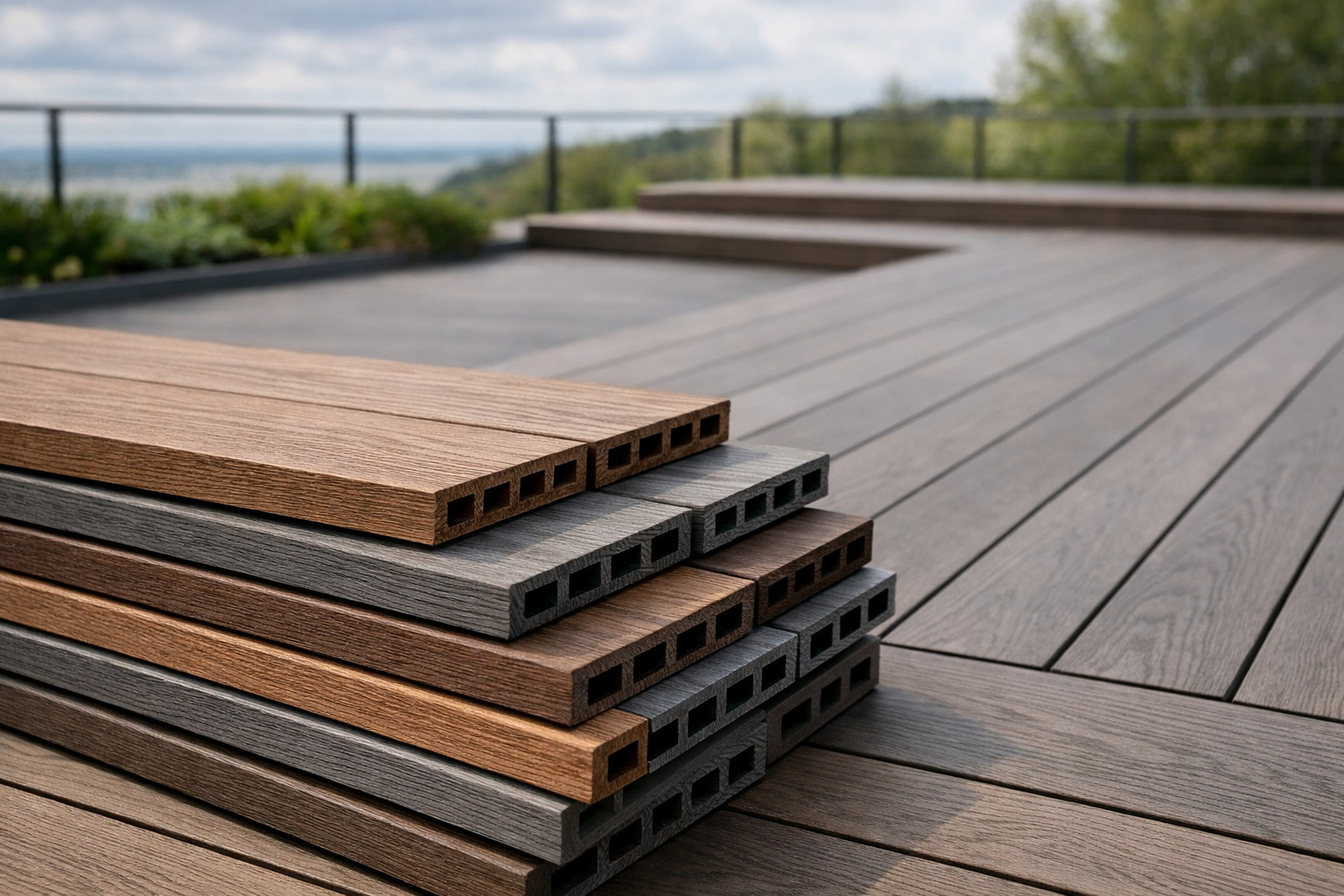
Made from recycled plastic, plastic wood is gaining space in the construction industry because it does not rot, resists moisture, and reduces maintenance costs over the years.
-
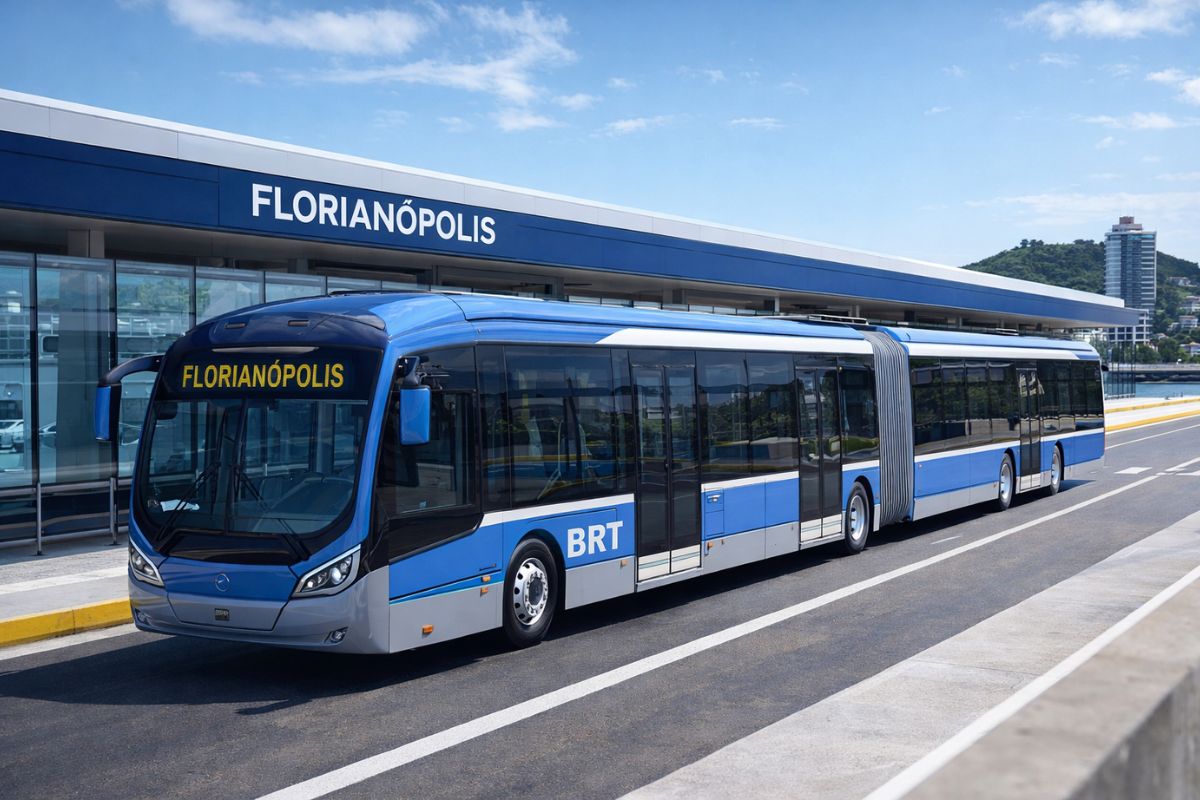
Florianópolis will receive a million-dollar BRT that will begin construction in 2026 with nearly 400 million in funding from the federal government and the Inter-American Development Bank, and the map already shows the routes for the exclusive bus corridors.
-
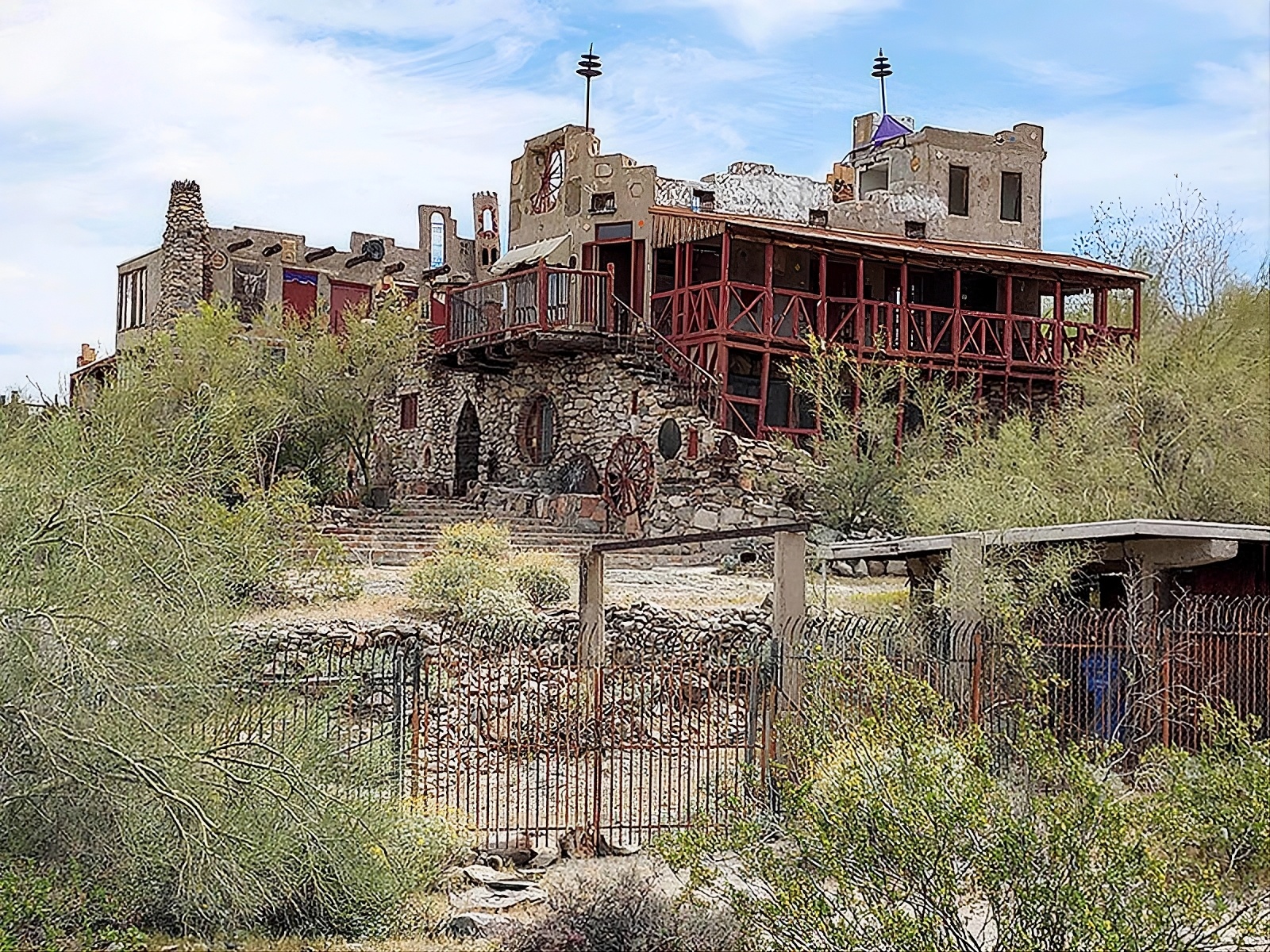
Without a blueprint, without an engineer, and using scrap from the dump, a father spends 15 years building an 18-room castle for his daughter, featuring tram tracks, 13 fireplaces, and over 700 m², which may now be demolished.

This rule pushes the project towards a compact logic, integrated into the forest and with low impact on the soil. The result is a house that needs to be efficient in area, consumption, and infrastructure, as the distance and the very nature of the location do not favor dependence on external networks.
Recycled containers accelerated assembly and became the basis for a resilience strategy
Instead of a traditional cabin, the choice was to work with recycled shipping containers, taking advantage of the possibility of prefabrication and quick assembly. The solution also meets the goal of keeping the intervention on the land as minimal as possible, as ready-made modules reduce steps and local adjustments.
In this scenario, self-sufficiency comes in as a practical strategy to ensure water, energy, and sanitation. The house was designed to continue functioning even when external infrastructure is far away, fails, or does not exist, which changes the way each system is thought out within the project.
Five 20-foot modules organize spaces and open the house to the forest

The core of the house is formed by five 20-foot containers, each about six meters long and approximately two and a half meters wide and high. The modules were arranged to form the main volume of the dwelling, in addition to a service container.
This organization efficiently distributes the living room, kitchen, bedrooms, and technical areas, maintaining the original metal structure and creating wide openings facing the surroundings. The design seeks to avoid the feeling of enclosed spaces and utilizes landscaping as part of the internal space.
Floor-to-ceiling glass doors and windows reduce the feeling of a metal box and save light
The project prioritizes large glazed surfaces, with floor-to-ceiling glass doors and windows facing the forest. Thus, almost all environments maintain a direct view of the vegetation, which changes the experience of living in metal modules and brings the house closer to the outdoors.
At the same time, this decision increases the entry of natural light and decreases the need for artificial lighting during the day. The gain is twofold, as it improves visual comfort and helps reduce energy demand in a residence that relies on its own generation.
Twelve solar panels and a battery bank make the house operate off the grid
The electrical system operates as an isolated micro photovoltaic central, with 12 solar panels connected to an inverter and a battery bank. The equipment is concentrated in the service container, which helps isolate noise and heat, in addition to facilitating maintenance without interfering with living areas.
The system was sized to meet the daily needs of a family, covering lighting, cooling, electronics, and additional loads, with a margin for cloudy days. There is also a wood stove used for heating in winter and as support for food preparation when necessary, reinforcing energy resilience.
Rainwater harvesting supplies the entire house with 50,000 liters stored

Ahurewa has no connection to a water network, so all supply comes from rain collected on the roof. The reserve is held in two 25,000-liter tanks, totaling 50,000 liters, a volume designed to last through prolonged dry periods without compromising basic consumption.
Before domestic use, the water is filtered to meet tasks such as hygiene and cooking. The model requires responsible habits, as availability depends on rainfall patterns and daily management, in addition to reducing the need to seek external sources.
Composting sanitation replaces sewage and integrates the house into natural cycles
The treatment of liquid and solid waste occurs through a composting system that eliminates the need for a sewage network. The house uses two tanks to process both sink and shower water as well as that from the toilet, promoting controlled decomposition of organic matter.
This solution reduces the risk of contamination in nearby areas and avoids expensive structures of pipelines and distant treatment stations. By connecting the functioning of the house to natural cycles, sanitation ceases to be a blind spot of the dwelling and becomes part of the balance of the surrounding ecosystem.

The central idea of Ahurewa is to show that a house can operate with total self-sufficiency when energy, water, and sanitation are thought of as a whole. The project also highlights how land use regulations, such as the 5% limit, can push for compact solutions integrated into the landscape without sacrificing comfort.
By bringing together modular containers, solar generation, rainwater harvesting, and composting, the residence consolidates itself as a domestic prototype of resilience. In a scenario of climate instability and supply failures, the main lesson lies in the ability to keep basic services functioning with self-sufficient infrastructure and careful resource management.








Seja o primeiro a reagir!