





 Portuguese
  English
  Spanish
  3 min of reading
  0 comments


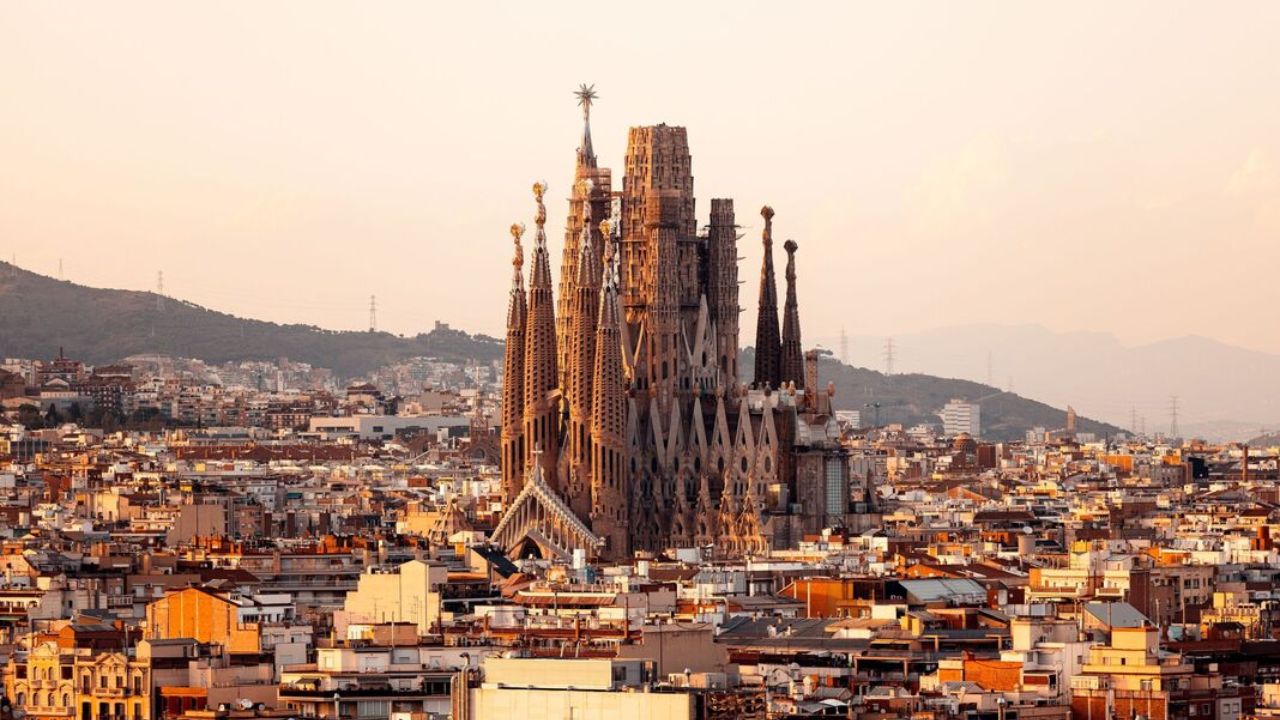
With Over 140 Years of Construction, Barcelona’s Iconic Church Has Outlasted Even the Great Pyramids of Giza, Which Took Only 20 Years to Build. Scheduled for Completion in 2026, the Sagrada Família Has Faced Wars, Crises, and Even a Pandemic, but Continues to Fascinate Millions of Visitors Every Year.
Can you imagine a building that has been under construction for over a century? Well, that’s the surreal story of the Sagrada Família, the most iconic church in Barcelona, which has taken over 140 years to build. And get this: the pyramids of Egypt, which are gigantic, were completed in about 20 years! Can you believe it?
The mastermind behind this architectural marathon is the genius (and patience) of Antoni Gaudí, who dedicated practically his entire life to the project. But, as nothing is simple, wars, economic crises, and even a pandemic got in the way, causing the work to drag on until today.
The Beginning of a Dream (and an Eternity)

The story began back in 1882 when an architect named Francisco de Paula del Villar started the construction of the church. But the following year, Gaudí took over the project and decided to change everything! He wanted something out of the ordinary, blending architecture and nature in a way never seen before.
-
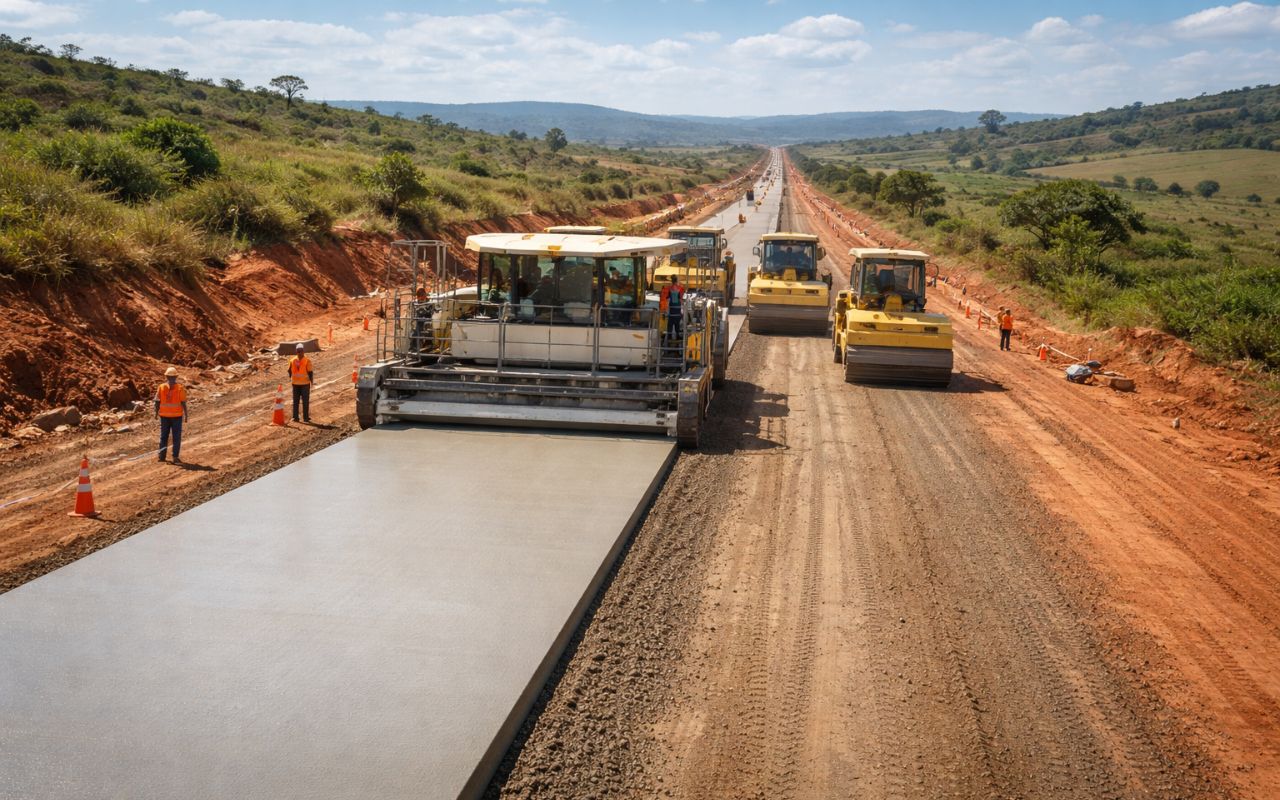
New CCR concrete paving technology promises roads up to 3x more durable, less maintenance, and cost reduction in Brazil.
-
Made from recycled plastic, plastic wood is gaining space in the construction industry because it does not rot, resists moisture, and reduces maintenance costs over the years.

-
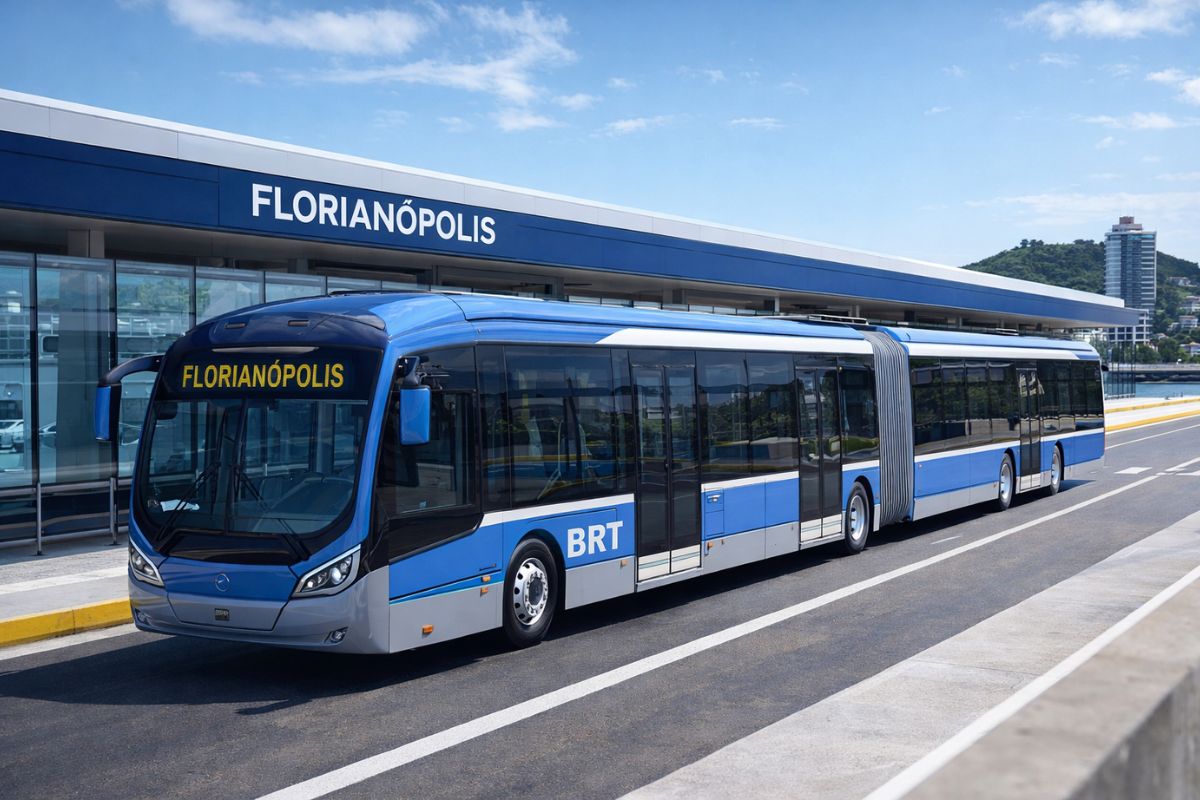
Florianópolis will receive a million-dollar BRT that will begin construction in 2026 with nearly 400 million in funding from the federal government and the Inter-American Development Bank, and the map already shows the routes for the exclusive bus corridors.
-
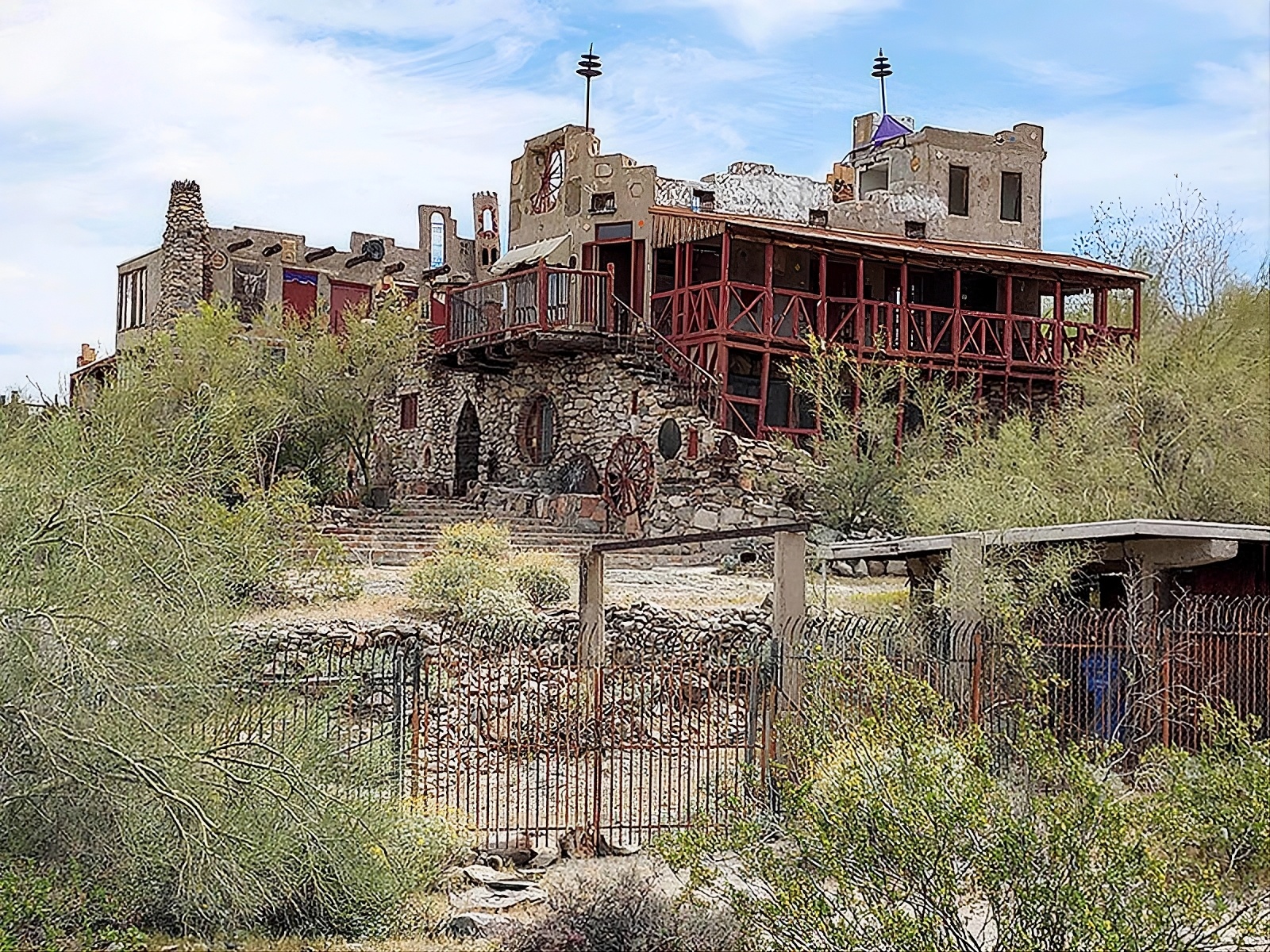
Without a blueprint, without an engineer, and using scrap from the dump, a father spends 15 years building an 18-room castle for his daughter, featuring tram tracks, 13 fireplaces, and over 700 m², which may now be demolished.

And you know what? He really succeeded. Gaudí was against straight lines and conventional shapes, so he created columns that mimic tree trunks, details that reference animals, and sculptures that narrate biblical passages in a totally different way. The idea was to turn the church into a true monument to faith and creativity.
The Challenges That Significantly Delayed Construction
Unfortunately, Gaudí did not live to see even half of his work completed. In 1926, he was run over by a tram (yes, what an irony of fate!) and left the Sagrada Família only 25% completed. Architect Domènec Sugrañes tried to continue the project, but it was not easy at all.
The Spanish Civil War arrived in the 1930s and brought even more chaos. Much of Gaudí’s original plans and models were destroyed, and the architects had to make do with what remained to reconstruct everything.
After that, construction continued at a snail’s pace, mainly due to a lack of funds. And, as if that weren’t enough, the COVID-19 pandemic also caused further delays, pushing the project back even more.
A Work That Has Already Become a Symbol of Barcelona
Despite everything, the Sagrada Família is already one of the most visited monuments in Spain. Millions of tourists pass through there every year to admire the grandeur of the construction – even while it is still unfinished!
The most impressive thing is that every detail of the church has a meaning. The giant columns look like trees, creating the feeling of being inside a stone forest. The façades depict different moments in Christ’s life, with sculptures so realistic that they seem to come to life.
And an important detail: the church is still operational! Masses and religious events are regularly held there, making the place even more special.
The Grand Finale Is Coming (Will It Be?)
If everything goes as planned (and we know it rarely does), the Sagrada Família will be completed in 2026. When that happens, the church will have 18 towers – 12 for the apostles, four for the evangelists, one for the Virgin Mary, and the tallest of all, at 172.5 meters, representing Jesus Christ.
Gaudí always said that no man-made structure should be taller than nature. That’s why the Sagrada Família was designed to be slightly shorter than the hill of Montjuïc, the highest point in Barcelona.
After so much time, it seems we are finally seeing the light at the end of the tunnel (or better yet, at the top of the tower!).








-

-

-

5 pessoas reagiram a isso.