





 English
  Francês
  Alemão
  Italiano
  Japonês
  Norueguês
  Portuguese
  Spanish
  3 min of reading


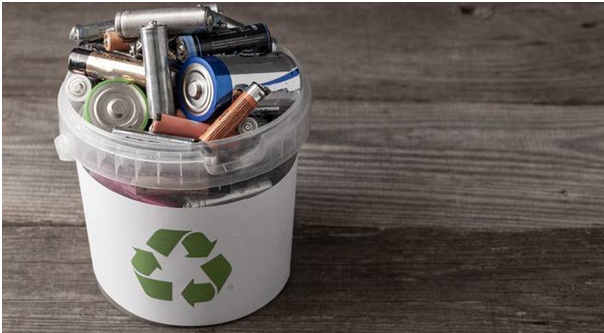
At the same time that electronic innovations emerge in the market due to advancements in technology, the waste from this type of material only increases, causing various problems for the environment and consequently for all of us, human beings.
We have access to various things through technological and practical devices. However, every year, tons of electronic waste are generated, and these materials are composed of substances harmful to health and nature as well.
-
Government unlocks R$ 554 million for a highway that has been requested for decades and accelerates the duplication of BR.
-
Without bricks, without cement, and without endless construction: the cardboard house that is assembled in modules and can be moved.

-
Billions of barrels on the equatorial margin could lead Amapá to double its oil production in Brazil — the state aims to enter the route of companies in the Campos Basin, attract investments, and boost jobs and businesses in the oil and gas sector.
-
Without bricks, without cement, and without endless construction: the cardboard house that is assembled in modules and can be moved.

And when it comes to electronic waste, it’s not just about computers, televisions, or cell phones; you can also find certain industrial products within these categories, such as neodymium magnets and three-phase electric motors, for example.
How Is the Separation Done?
The materials that are considered toxic are placed in tanks that store them and forward them to specialized companies.
The glass, whether from TV screens, computers, or cell phones, is sorted by type. It is also possible for them to go through a mixing, grinding, and treatment process.
And printed circuit boards are more complicated materials to undergo recycling because they contain a very large amount of heavy metals. In Brazil, there are still no recycling processes for PCBs.
The Step-by-Step Best Alternative: Recycling
To reduce problems associated with the disposal of electronic materials and their components, the best option found today is recycling.
The recycling process for electronic waste begins with the receipt and collection of materials.
There are several collection points, stores, resellers, and supermarkets that accept electronic equipment waste, which can help many people.
Right after the materials are collected, a sorting process is performed, which can be done manually or through a computer. The materials are separated based on their condition of use.
Next, the disassembly of the parts occurs, which is also known as the reverse process, where the movement is the opposite of assembly. The materials are classified according to the categories they belong to, such as:
- glass;
- circuit boards;
- plastics;
- metals;
- chemical elements;
- among others.
From such separation, the materials that can be recycled are sent to the recycling location, which can be sorting centers or companies that specialize in each of the materials.
The next step consists of shredding the material or compacting it. From then on, the materials can be sold to companies that utilize the polymers found in the equipment.
Recycling Is Always a Good Idea
The recycling of various types of materials is extremely important and, as we have seen, also includes the recycling of electronic equipment.
When you need to dispose of one, look for places that collect this type of item because, as we have seen in this article, the entire recycling process is important and necessary.
This article was written by Fernanda Silva, Content Creator at Soluções Industriais.








Seja o primeiro a reagir!