





 Portuguese
  English
  Spanish
  4 min of reading


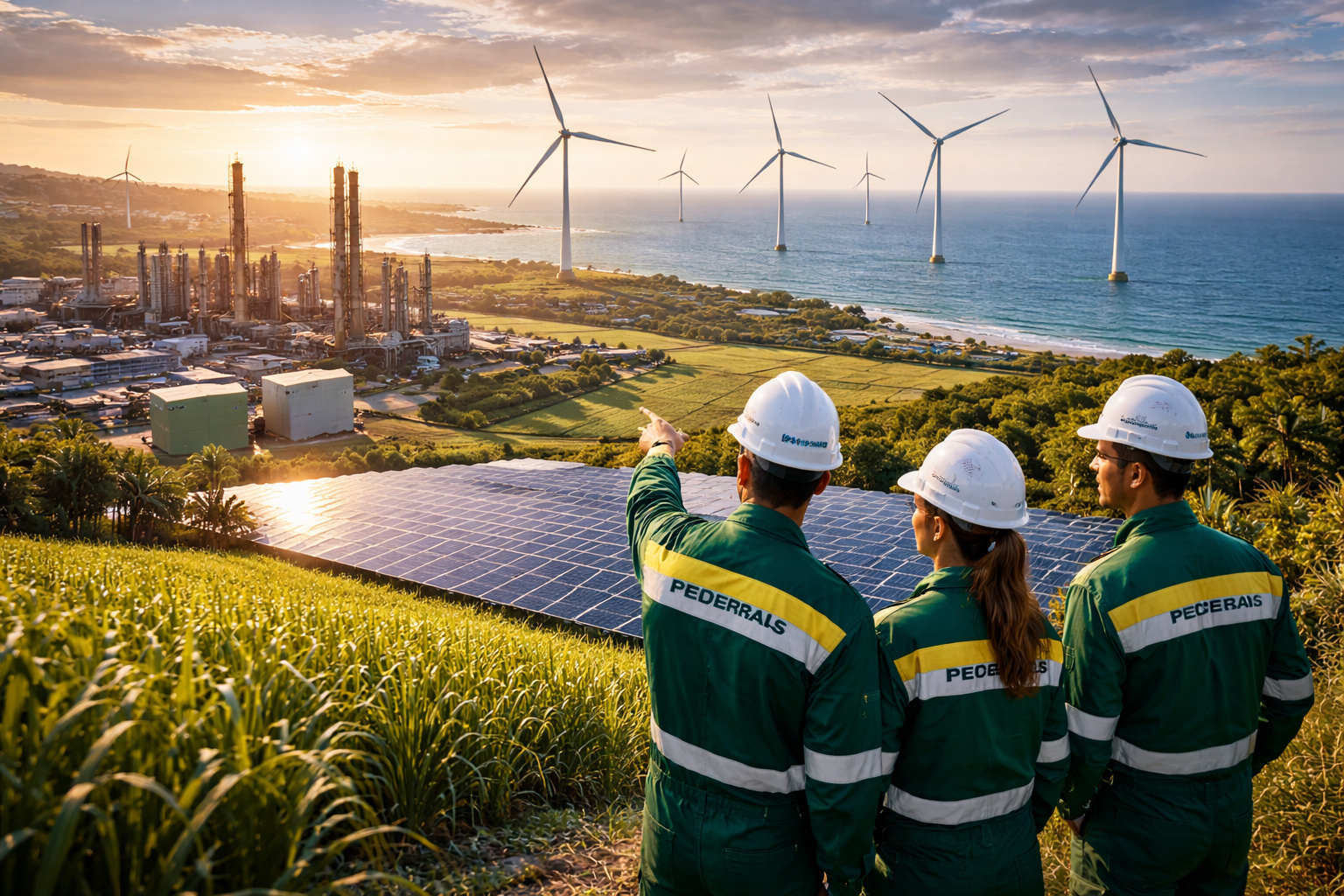
The Debate On Energy In Brazil Is At A Turning Point. The Country Has Set Ambitious Goals To Contain Global Warming And Reduce Greenhouse Gas Emissions, Aligning Itself With International Commitments Made In Recent Decades.
According to official data from the energy sector, Petrobras accounts for about 31% of all energy consumed in Brazil. Given this relevance, the company has set a goal to maintain, at a minimum, this prominence until 2050. To achieve this, it bets on increasing the use of renewable sources, gradually reducing emissions, and preserving the energy security that sustains the national economy.
Throughout history, Brazilian energy development has always been directly linked to social progress. Since the creation of Petrobras in 1953, the country has built a robust matrix capable of supporting industrialization, mobility, and job creation. Now, the challenge is to transform this legacy into a foundation for a low-carbon future.
-
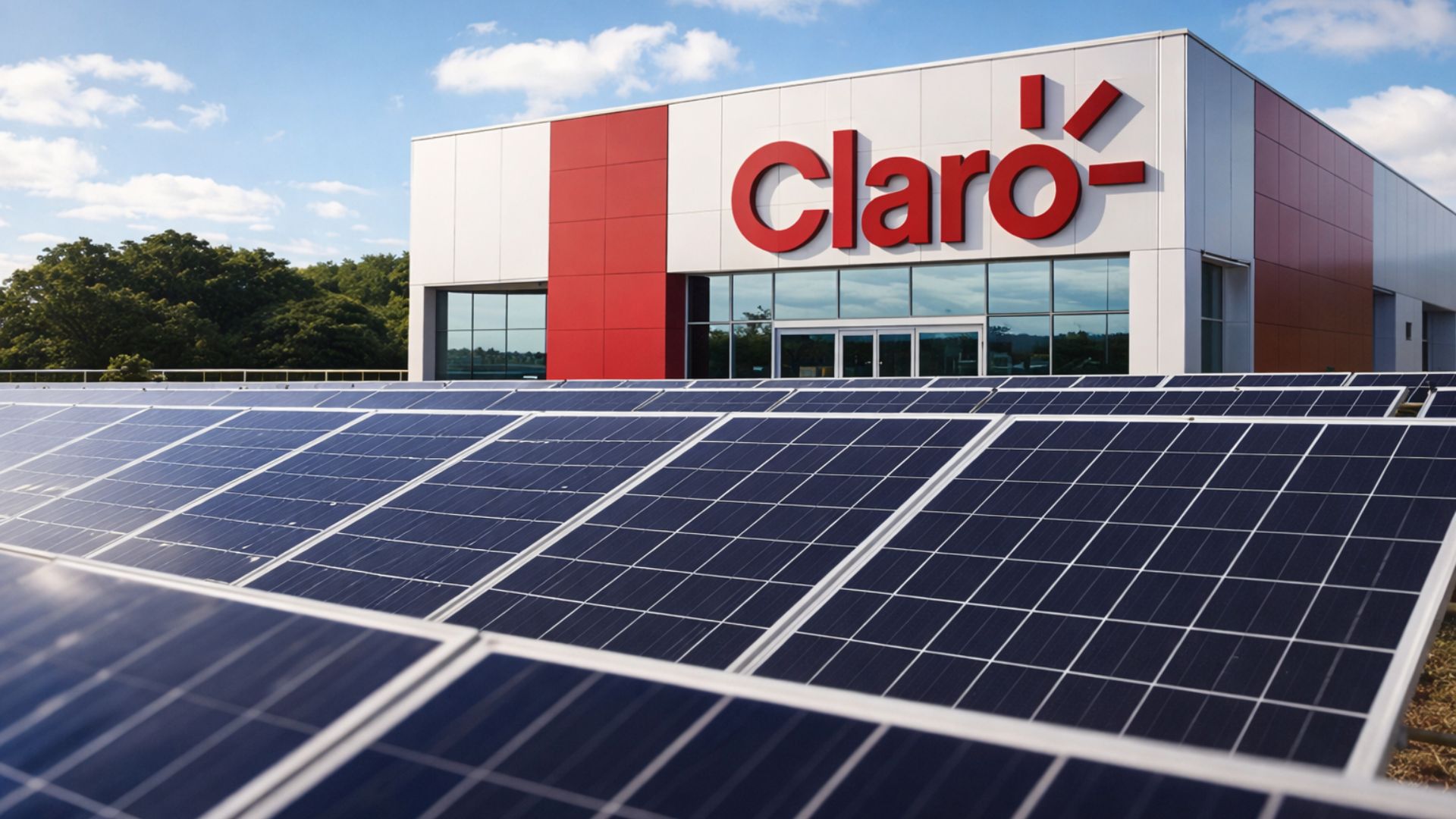
Claro operator reveals a silent change with hundreds of clean energy plants and shows how sustainability is impacting over 80% of its operations in Brazil.
-
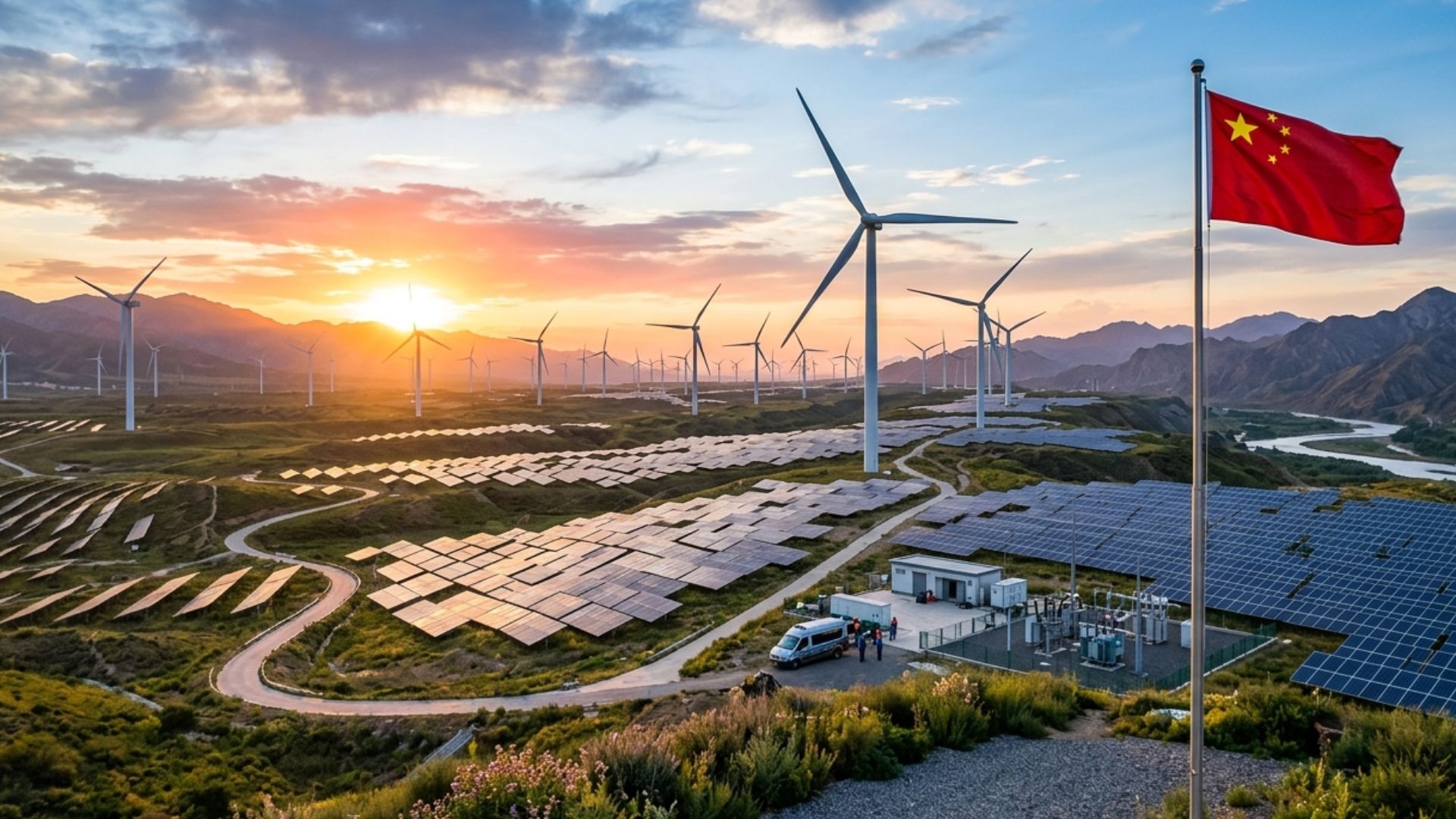
Billion-dollar strategic alliance: Brazil and China join forces in infrastructure and technology projects to lead the creation of a global green corridor in the energy transition.

-
Research reveals that the vast majority of national consumers are not willing to pay more for renewable energy despite their support for sustainability.

-
Renewable energy advances globally with Asia taking the lead; Irena’s analysis indicates a strategic progress that drives the energy transition and reduces generation costs.
Just Energy Transition And The Brazilian Historical Context
To understand the importance of the just energy transition, it is necessary to observe the path Brazil has taken. For decades, the expansion of energy supply has focused on universalizing access and reducing regional inequalities. Hydroelectric plants, oil, and natural gas have played an essential role in this process.
However, according to the United Nations, the intensification of climate change requires a structural change in the global energy model. Reducing emissions has become a necessity, not just a political choice. Nevertheless, developing countries face an additional challenge: promoting this change without compromising jobs, income, and competitiveness.
This is precisely where the concept of just energy transition gains relevance. It proposes a gradual, planned, and socially responsible transformation. Instead of abrupt ruptures, it advocates the progressive adaptation of productive systems, with protections for workers and guaranteed access to energy.


The Strategic Role of Petrobras In The Just Energy Transition
As the largest Brazilian company in the sector, Petrobras occupies a central position in this process. Its actions directly influence the speed, quality, and scope of the energy transition in the country. By investing in cleaner technologies and operational efficiency, the company helps reduce emissions without compromising supply.
According to institutional information from Petrobras itself, the company’s strategy combines three pillars. First, the reduction of carbon intensity in its operations through technological improvements and greater energy efficiency. Next, the gradual expansion of its renewable energy portfolio. Finally, the maintenance of investments in strategic assets that ensure energy security.
This approach reflects a pragmatic understanding of the challenge. The just energy transition does not immediately eliminate traditional sources, but reduces their participation over time as clean alternatives become more viable and accessible.
Energy, Jobs, And Social Development
Another central aspect of the just energy transition lies in its social impact. According to the International Labour Organization, the transition to a low-carbon economy can generate millions of jobs worldwide, provided it is accompanied by training and social protection policies.
In Brazil, this point is especially sensitive. The energy sector directly and indirectly employs millions of people. An unorganized transition could deepen inequalities, especially in regions dependent on the oil and gas chain.
In this scenario, Petrobras plays a relevant role by promoting investments that reconcile innovation, job creation, and regional development. Renewable energy projects, biofuels, carbon capture, and energy efficiency create new opportunities while leveraging existing expertise.
Energy Security As The Foundation Of The Transition
Although the environmental focus is central, the just energy transition also depends on energy security. According to the International Energy Agency, resilient energy systems must ensure continuous supply, affordable prices, and the ability to respond to crises.
In Brazil, this concern carries additional weight. The country has continental dimensions and a strong dependence on energy to sustain industrial, agricultural, and service activities. Any transition that ignores this factor risks generating economic instability.
By maintaining investments in traditional sources while expanding renewables, Petrobras seeks to balance these demands. This strategy reduces risks of supply shortages and allows the transition to occur in a gradual and predictable manner.
Just Energy Transition As A Long-Term Strategy
Looking at the global scenario, it becomes clear that the energy transition will not be uniform or immediate. According to the UN, different countries progress at distinct paces, according to their economic and social realities. In this context, models that reconcile sustainability and inclusion tend to be more durable.
In Brazil, the just energy transition presents itself as a viable and necessary path. It acknowledges the historical importance of the energy sector for the country’s development and, at the same time, points to a future with lower environmental impact.
With its scale, reach, and investment capacity, Petrobras positions itself as a central agent in this transformation. By reducing emissions, expanding renewable sources, and preserving energy security, the company contributes to a transition that does not leave people, regions, or sectors behind.
Thus, the just energy transition moves beyond being just a concept and begins to solidify as a structuring strategy for the future of Brazil, in which economic development, environmental responsibility, and social well-being advance together.









Seja o primeiro a reagir!