





 Portuguese
  English
  Spanish
  3 min of reading
  0 comments


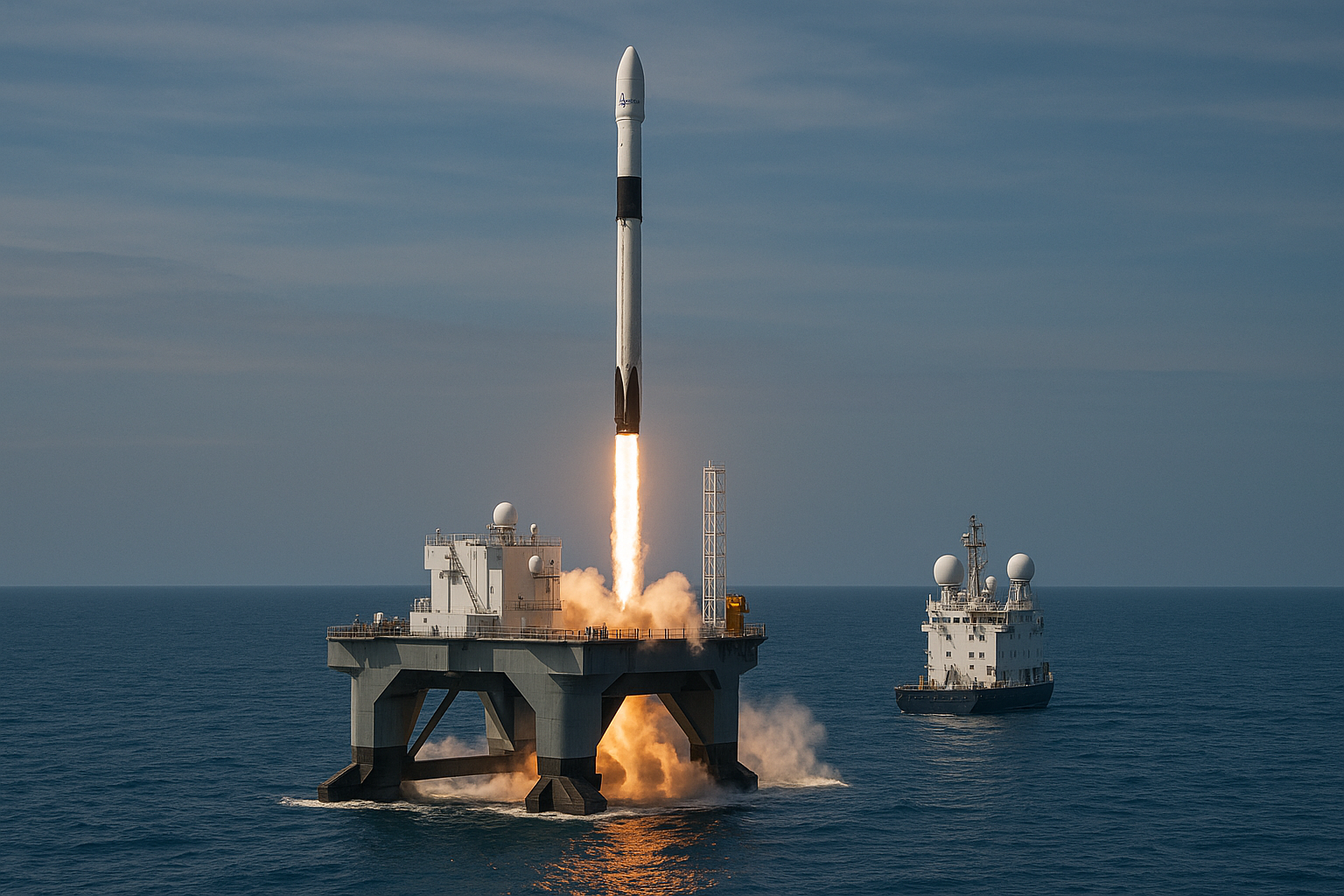
A Platform at Sea That Launches Rockets Into Space: Meet the Odyssey, the Colossal Floating Structure With Its Own Engines That Has Already Launched Satellites Into Orbit From the Middle of the Ocean.
Few know, but a floating structure in the middle of the ocean has successfully launched rockets into space. This is the Odyssey, a massive semi-submersible offshore platform originally built as an oil drilling platform and converted for space launches. At 132.9 meters long, 67 meters wide, and weighing over 30,000 tons, it represents one of the most ingenious solutions in the modern space race.
The Odyssey operated for years from the Pacific Ocean, near the equator, an ideal geographical position for satellite launches due to the Earth’s increased rotational speed. Its launches were part of the Sea Launch project, which combined naval infrastructure, aerospace engineering, and orbital precision.
From Oil Platform to Launch Base
Constructed in 1983 in Japan by Sumitomo Heavy Industries, the vessel was initially used by Ocean Drilling & Exploration Company (ODECO). In the 1990s, it was adapted for space operations and became part of the Sea Launch consortium, led by companies from the United States, Russia, Norway, and Ukraine.
-
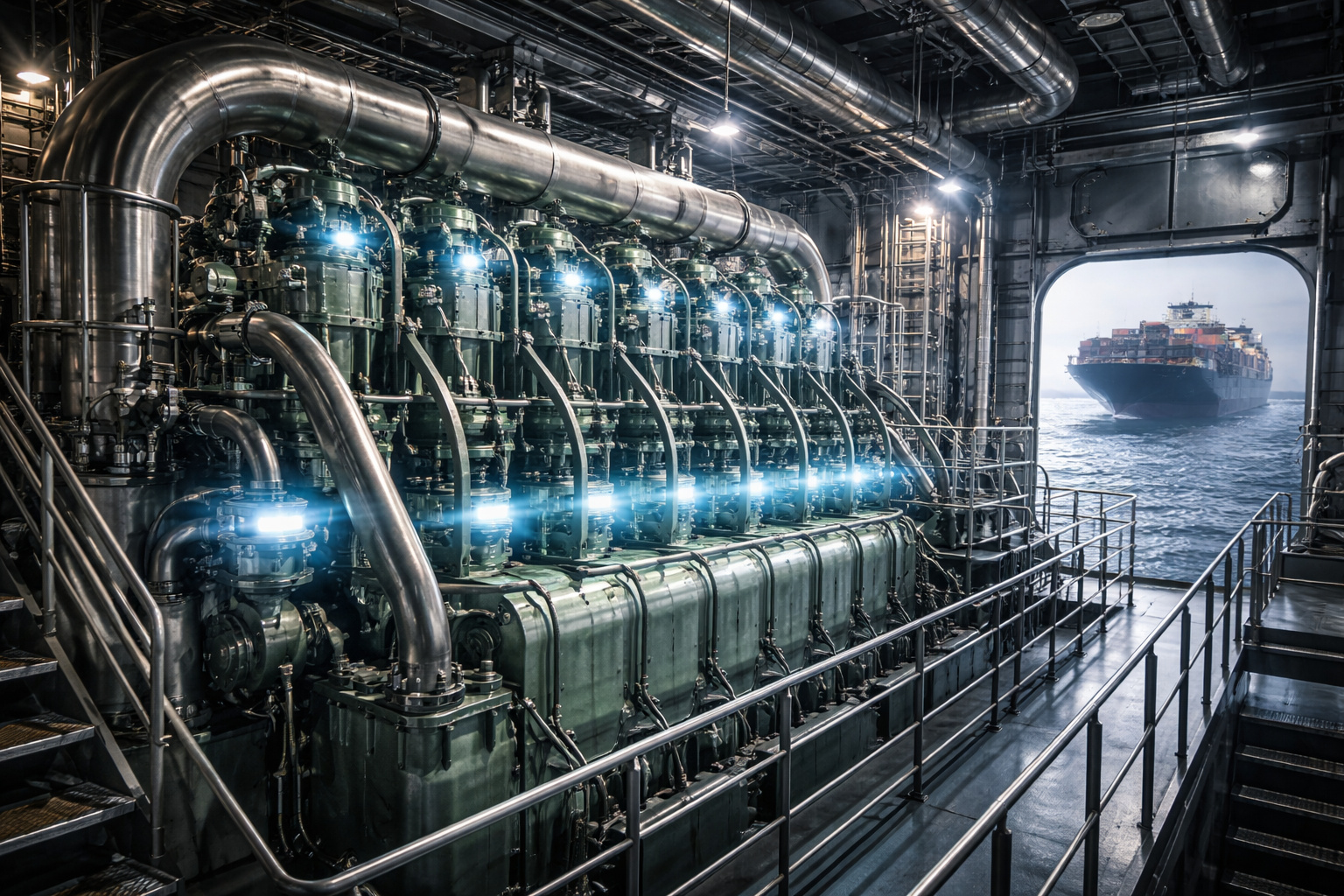
Europe is trying to create an ammonia-powered marine engine without auxiliary fuel, which could unlock the race for giant emission-free ships. The technology aims to eliminate one of the biggest obstacles to clean maritime propulsion.
-
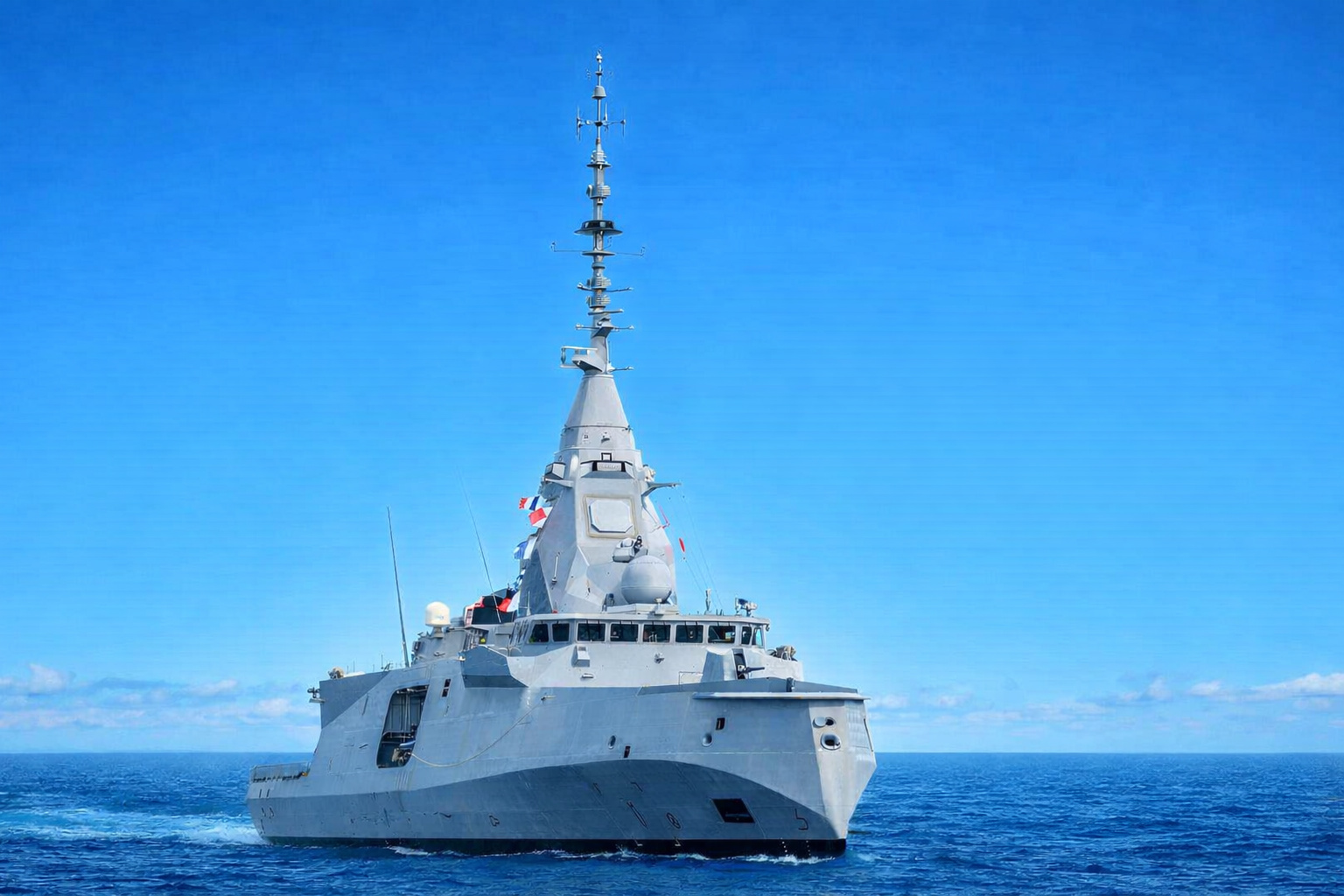
A 4,500-ton frigate with just over 100 crew members, state-of-the-art radar, and cruise missiles is being touted as the new standard of naval warfare in the 21st century.
-
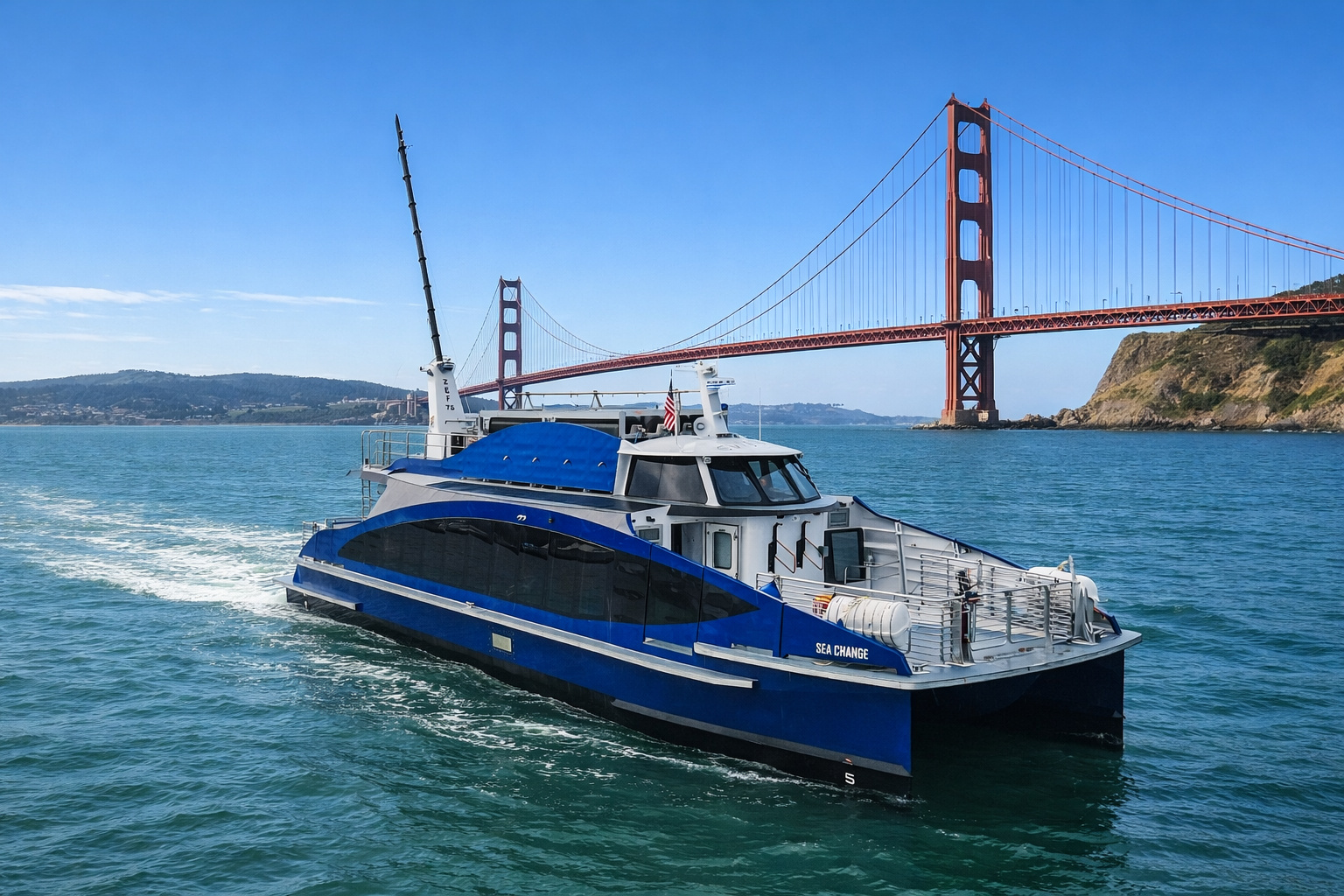
The first commercial hydrogen-powered ferry enters operation in the U.S., eliminates the use of diesel, uses fuel cells to generate clean energy on board, and transforms San Francisco Bay into a landmark of the new era of emission-free navigation.
-
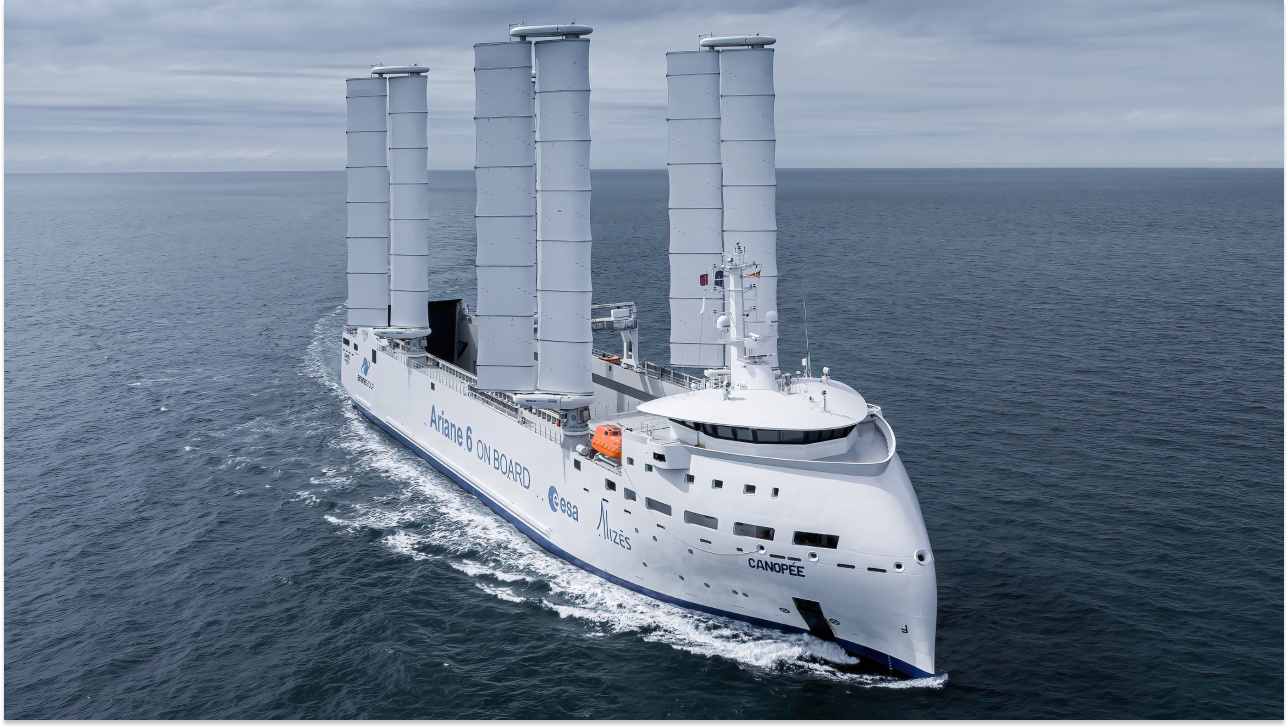
With a length of 121 meters and four rigid sails of 36 meters that automatically rotate to capture the wind, Canopée is the world’s first hybrid industrial cargo ship powered by wind, used to transport rockets and reduce fuel consumption by up to 30% on transoceanic routes.

The offshore platform Odyssey began functioning as a mobile launch base, operating at sea with the support of the Sea Launch Commander ship, which was responsible for mission coordination. During launches, the platform was completely uninhabited, and all control was conducted remotely from the command ship positioned kilometers away.
Technical Features of the Offshore Odyssey Platform
In addition to its imposing size, the Odyssey has a climate-controlled hangar that protects rockets during transport. The launch is carried out with the rocket positioned vertically after being moved to the outer platform.
The vessel is equipped with eight engines, dynamic positioning systems, and internal structures capable of accommodating up to 68 people during transit. When in operation, it is stabilized with water ballast, becoming a stable base even at sea. Its displacement reaches 50,600 tons when submerged and stabilized for launch.
Successful Launches and Registered Failures of the Offshore Platform
During its activities in the Sea Launch consortium, the Odyssey carried out over 30 space launches, primarily using Zenit-3SL rockets, developed by Ukraine in collaboration with Russia. Many of these launches placed commercial communication satellites into geostationary orbits.
In 2007, a rocket exploded shortly after ignition, damaging part of the platform’s structure. There were no casualties, as the platform was unoccupied at the time of the launch. After repairs, operations resumed successfully the following year. Another incident occurred in 2013 when a launch failed seconds after takeoff, with the rocket crashing into the sea nearby.
Despite the failures, the Odyssey established itself as an innovative platform, with a high success rate in launching commercial payloads.
Transfer to Russia and Future Plans
In 2016, the platform was acquired by the Russian S7 group, which planned to modernize it for use with Soyuz-5 and Soyuz-6 rockets. The vessel was transferred to the port of Slavyanka, near Vladivostok, where it would undergo structural and technological renovations. The announced investment was approximately US$ 470 million.
The plans included the resumption of launches starting in 2023 or 2024, repositioning the Odyssey as a key player in the commercial satellite launch market. However, the project has faced geopolitical and technical uncertainties since then.
An Example of the Convergence Between Sea and Space
The Odyssey is a milestone in the history of aerospace engineering for combining naval technologies with orbital launch systems. The choice of an offshore platform was strategic: it allows rockets to be launched from ideal positions on Earth, increasing fuel efficiency and reducing population and environmental risks.
Even out of operation in recent years, the platform remains considered one of the most remarkable structures ever developed for space purposes. The fusion of ocean and cosmos, executed with technical precision, transforms the Odyssey into a symbol of human capacity to innovate beyond conventional boundaries.









Seja o primeiro a reagir!