





 Português
  Inglês
  Espanhol
  3 min de leitura
  8 comentários


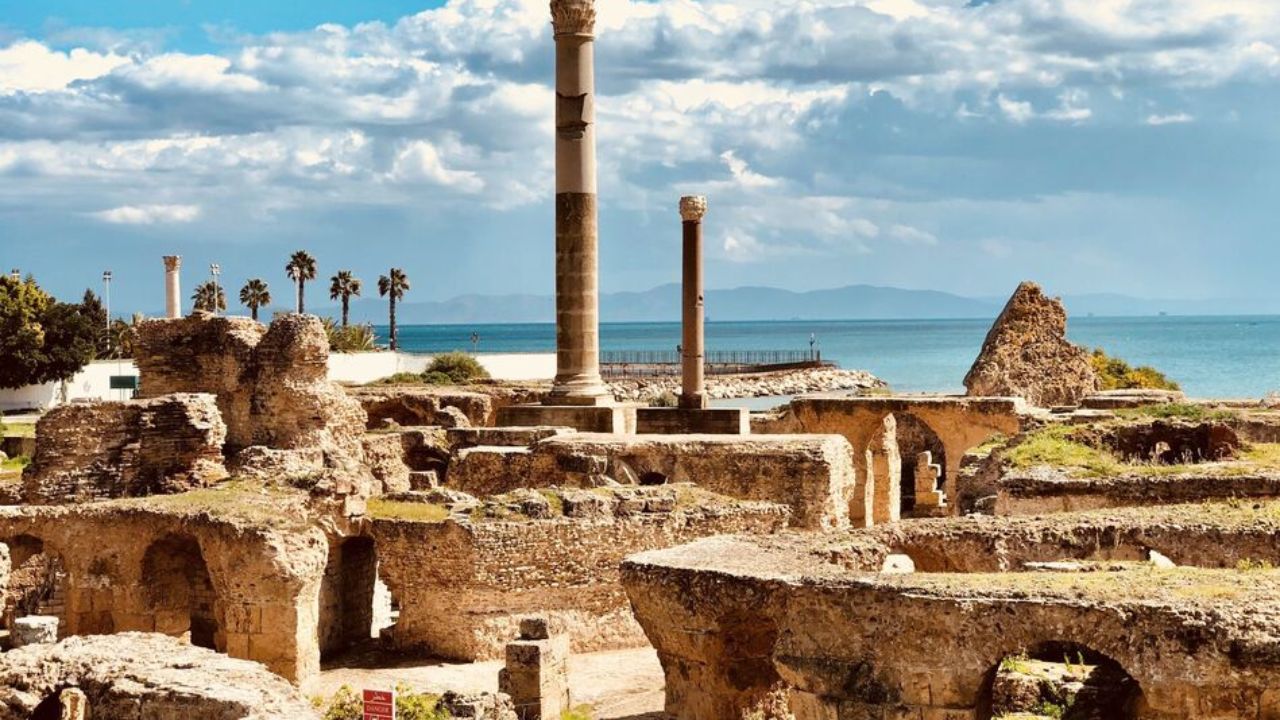


With almost 3 thousand years of history, this African city was the heart of a powerful empire, accumulated wealth from silver mines, and faced Rome in epic battles that changed the fate of the Mediterranean.
A city with nearly three thousand years of history, which was once the pulsating heart of a powerful empire and rivaled Rome for control of the Mediterranean. This is Carthage, a city in Africa, located in what is now Tunisia, and is today a UNESCO World Heritage Site. Its history, filled with glories and tragedies, is a true treasure for those who love to dive into the past.
But what made Carthage so special? Let’s explore the details that made this city one of the great capitals of the ancient world.
The Foundation of Carthage
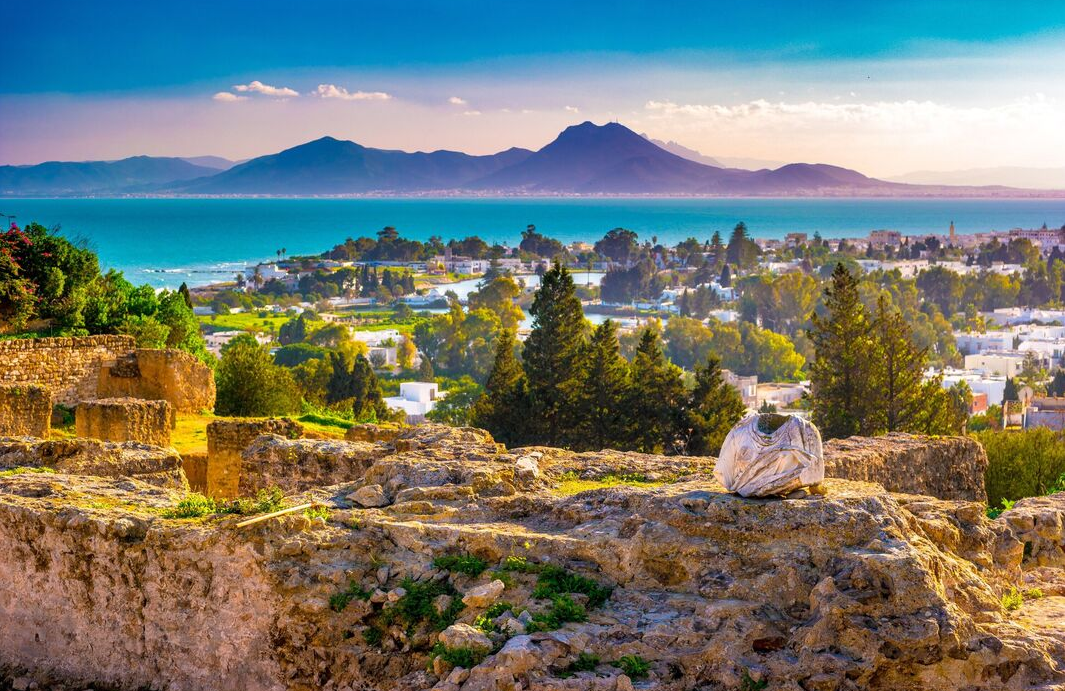
Carthage was founded in the 9th century BC in the Gulf of Tunis, in a strategic location that connected the Mediterranean to crucial trade routes. Legend has it that the city was established by Dido, a Phoenician queen who fled from Tyre, but its foundation is not just myth — it is a historical landmark.
-
Goodbye capsule coffee maker: consumers around the world are replacing the old item with this machine that grinds beans on the spot, reduces waste, and cuts recurring coffee expenses.

-
Measuring about 44 meters in length, with a nuclear reactor and retractable wheels in its hull, the NR-1 was the only atomic research submersible in the world capable of moving along the ocean floor and remaining submerged for weeks.

-
Millions of people eat oats without knowing that this simple cereal contains a fiber called beta-glucan, which studies have linked to lower bad cholesterol and smaller spikes in blood sugar.

-
Nestlé said it always encourages people to take a break with KitKat, but the thieves took the message too far by stealing 12 tons of chocolate from a truck that disappeared between Italy and Poland.


Over time, Carthage grew from a small settlement to a trading powerhouse. Its privileged location and the skill of its inhabitants in navigating and trading turned it into one of the most influential city-states of antiquity.
The Peak of the Carthaginian Empire
During its heyday, Carthage was a true synonym for wealth. The city thrived due to the exploitation of silver mines in North Africa and southern Spain. But it was not just the economy that shone: the cosmopolitan culture and imposing architecture showcased the greatness of this civilization.
The urban planning of Carthage was advanced, with a society governed by a wealthy and influential aristocracy. It was a city that attracted merchants, scholars, and explorers from all over the Mediterranean, becoming a meeting point of cultures and ideas.
The Conflict with Rome and the Punic Wars
Carthage and Rome were destined to collide. Both were emerging powers in the Mediterranean, but with conflicting ambitions. This clash resulted in the famous Punic Wars, a series of epic battles that shaped ancient history.
The climax of the tensions was the dispute for control of Sicily, a strategic island for trade. The conflict ended in 146 BC when Rome destroyed Carthage, burning the city to ashes and marking the end of one of the most powerful empires in history.
Carthage Under Roman Rule
Despite its destruction, Rome knew that the site of Carthage had strategic value. Thus, it rebuilt the city as a Roman colony. The new Carthage was a shadow of its former glory, yet still impressive.
Today, the ruins from this Roman era, such as the Baths of Antoninus, attract tourists from around the world. Walking among these structures is like going back in time, feeling the grandeur of a civilization that shaped the world.
World Heritage and Historical Legacy of the City
Currently, the archaeological site of Carthage is recognized as a UNESCO World Heritage Site. It symbolizes not only the grandeur of the past but also the resilience of history. Archaeologists and visitors are fascinated by the mix of cultures that left their mark on this unique place.
Carthage reminds us that even the greatest powers can fall, but its legacy lives on, inspiring generations. It is a true gem of African history.






Aníbal odiava Roma. Foi educado para dedicar sua vida na luta contra os romanos. E assim foi feito. Talvez, isso explique os discursos sempre inflamados de Catão, o velho, e aquele famoso desfecho: “Delenda est Cartago.”
Gostei da história de Cartago, até li uns livros. Tem até uma história das mulheres de Cartago, quando ouve uma batalha em Roma, o exército de Cartago tinha invadido e em plena batalha saltou no meio briga uma mulher de Cartago com uma espada, pedindo pra parar com aquela batalha. Mas tem outra grande guerra quando Cartago invade o território de Roma até com elefante. As histórias são muitas e muitas outras desconhecido por falta de documentos.
Muito informativo e amo história!!!!